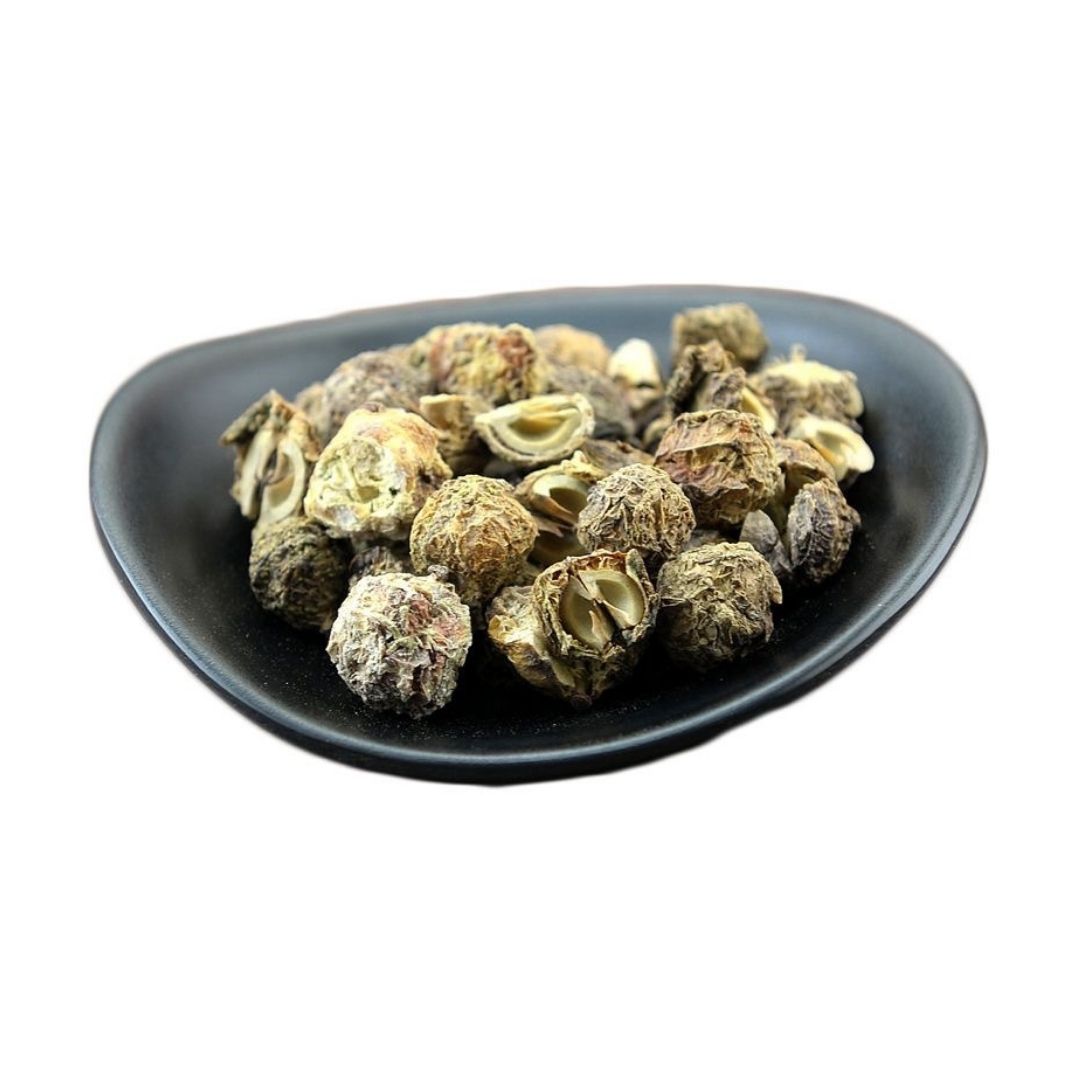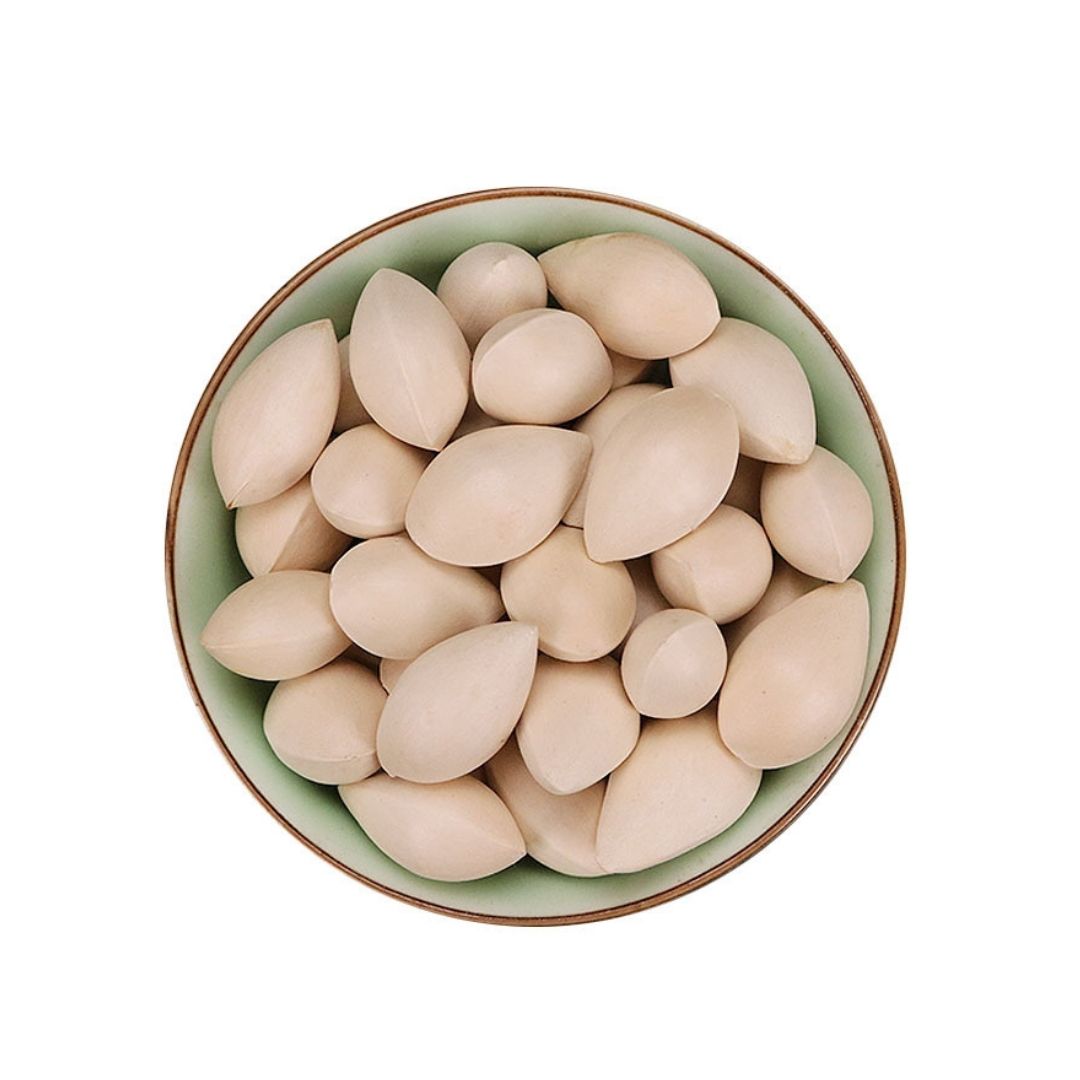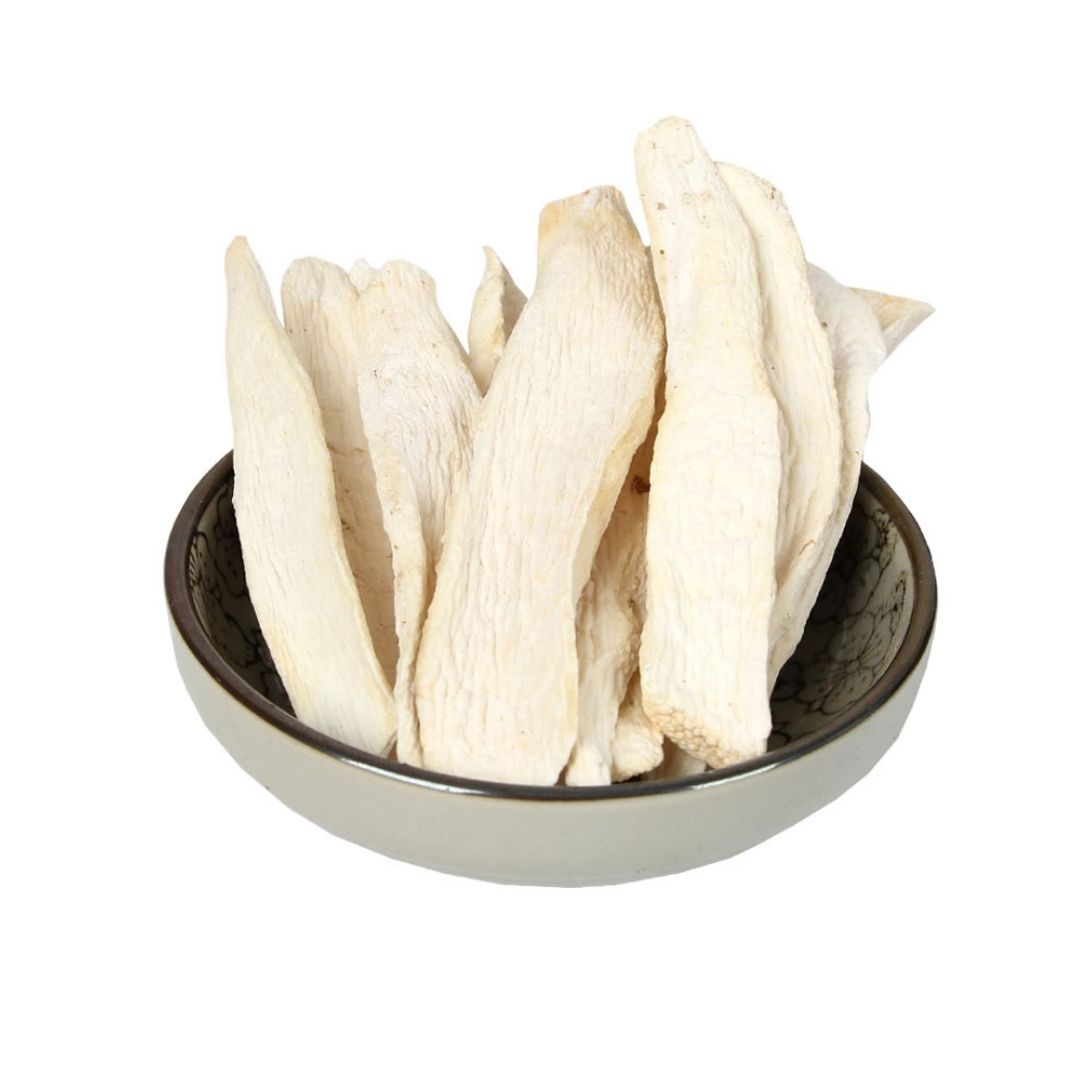


Product Introduction
Yam Tablets are a dietary supplement made from the Chinese yam, Dioscorea opposita. They offer a convenient way to incorporate the benefits of yam into one's daily routine. These tablets are produced by drying and processing yam rhizomes into a powdered form, subsequently compressed into tablets. Traditional Chinese medicine uses them to aid digestion, strengthen the spleen, and benefit the lungs and kidneys.
Main Active Ingredients
The primary active constituents of Yam Tablets include carbohydrates, proteins, amino acids, vitamins, and minerals. Polysaccharides are also present and contribute to the purported health benefits. Specific compounds, such as diosgenin, are recognized for their potential physiological effects. The nutrient profile supports the tablet's therapeutic applications in traditional medicine.
Product Application Scenarios, Usage, and Dosage
Yam Tablets are often used by individuals looking to support their digestive health, particularly those with spleen deficiencies. They are also used to alleviate chronic coughs and to strengthen the kidneys. The typical adult dosage is usually 3-5 tablets, two to three times daily, taken with water. Dosage may vary based on individual conditions and should be adjusted under the guidance of a healthcare professional.
Introduction to the Source Plant, Distribution, and Growth Environment
Dioscorea opposita, the source plant for yam tablets, is a perennial climbing vine native to China. This plant is primarily distributed in the provinces of Henan, Hunan, Shandong, and Anhui. It thrives in well-drained soil, often found in mountainous regions and along riverbanks. The plant prefers a temperate climate with sufficient sunlight for optimal growth.
Harvesting, Processing, and Storage
The rhizomes of Dioscorea opposita are typically harvested in the fall or winter. After harvesting, the rhizomes are washed, peeled, and then dried, either by sun-drying or using mechanical drying methods. The dried yam is then ground into a fine powder, which is used to create the tablets. Proper storage involves keeping the tablets in a cool, dry place, protected from moisture and direct sunlight, to ensure they retain their potency and prevent degradation.
Citations
- Chinese Pharmacopoeia Commission. (2020). Pharmacopoeia of the People's Republic of China. China Medical Science and Technology Press.
- Chen, J. K., & Chen, T. T. (2004). Chinese Medical Herbology and Pharmacology. Art of Medicine Press.
- Bensky, D., Clavey, S., & Stöger, E. (2004). Chinese Herbal Medicine: Materia Medica. 3rd ed. Eastland Press.
Mia Wu

Hi, I’m Mia Wu! I love helping customers discover the best natural ingredients for their products. With a passion for herbs, spices, and fungi, I work to make sure you get only the finest raw materials. Let's grow together! 🌱✨