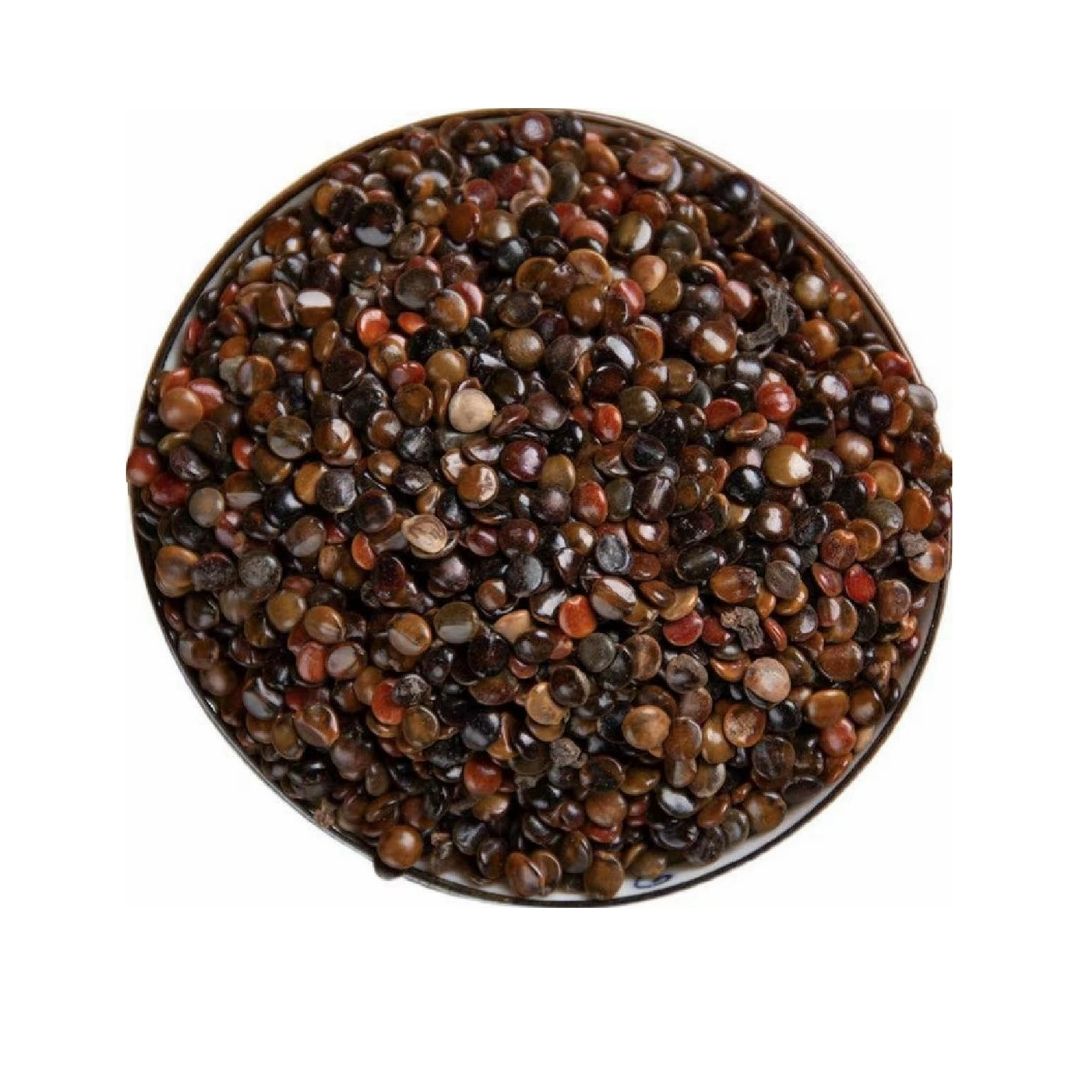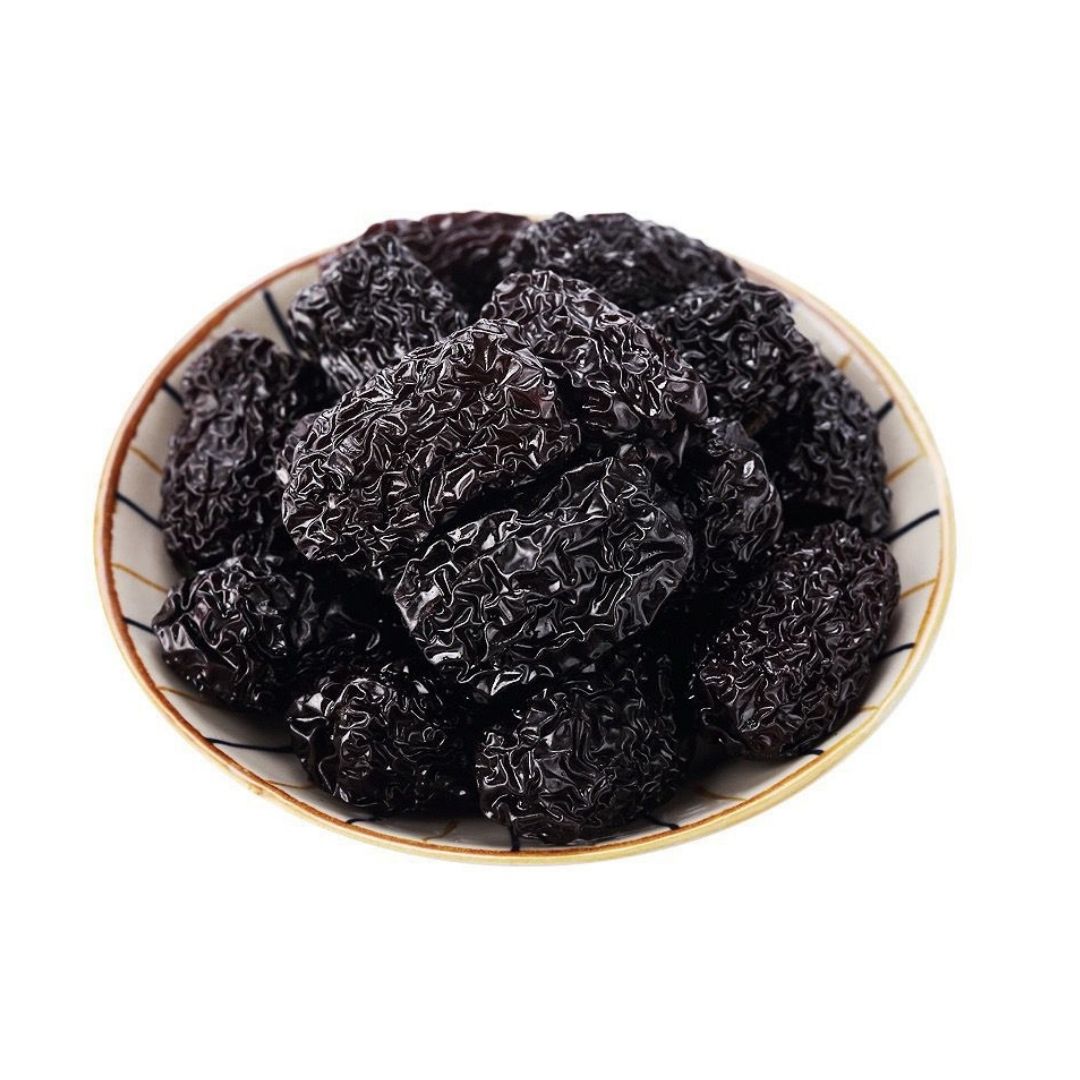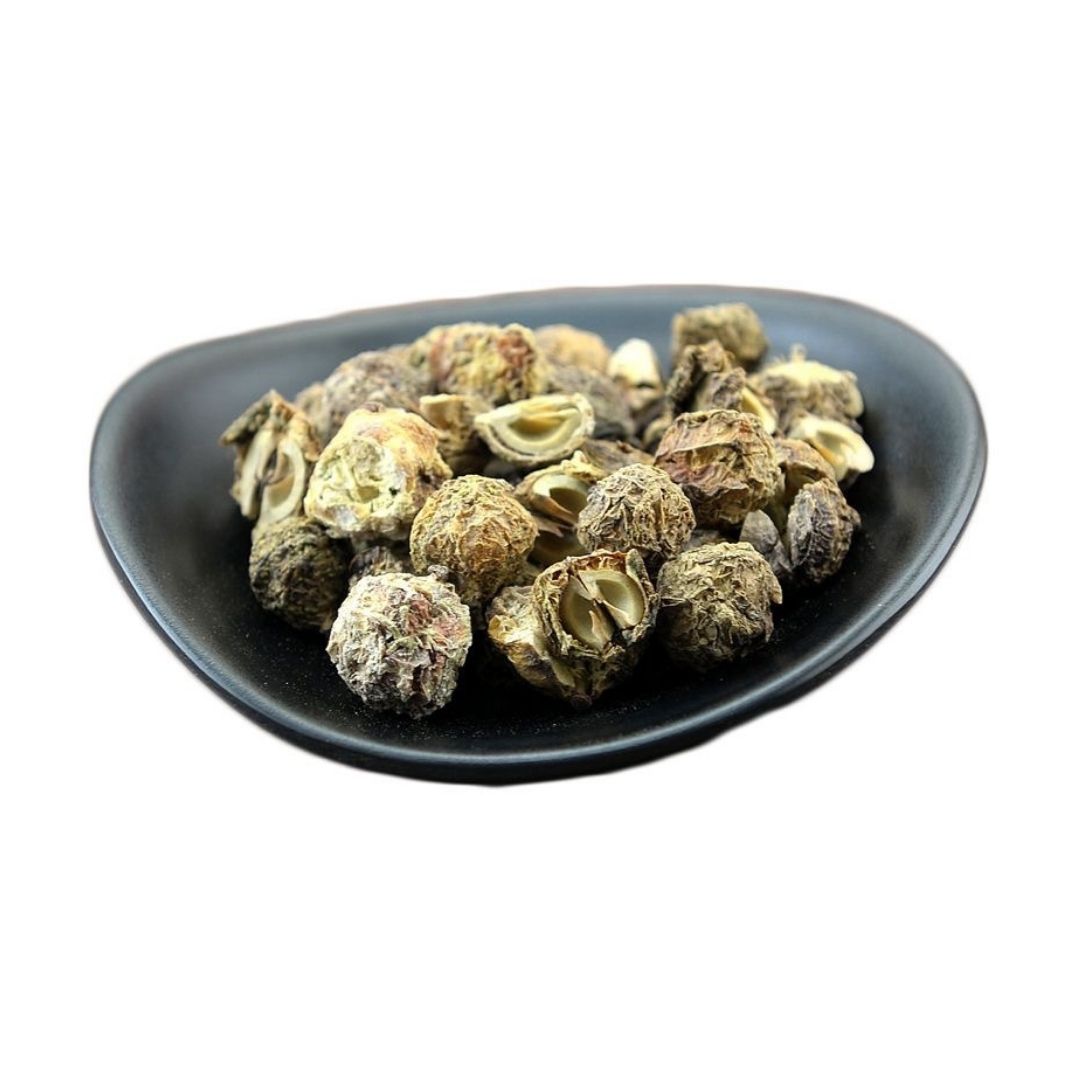


Product Introduction
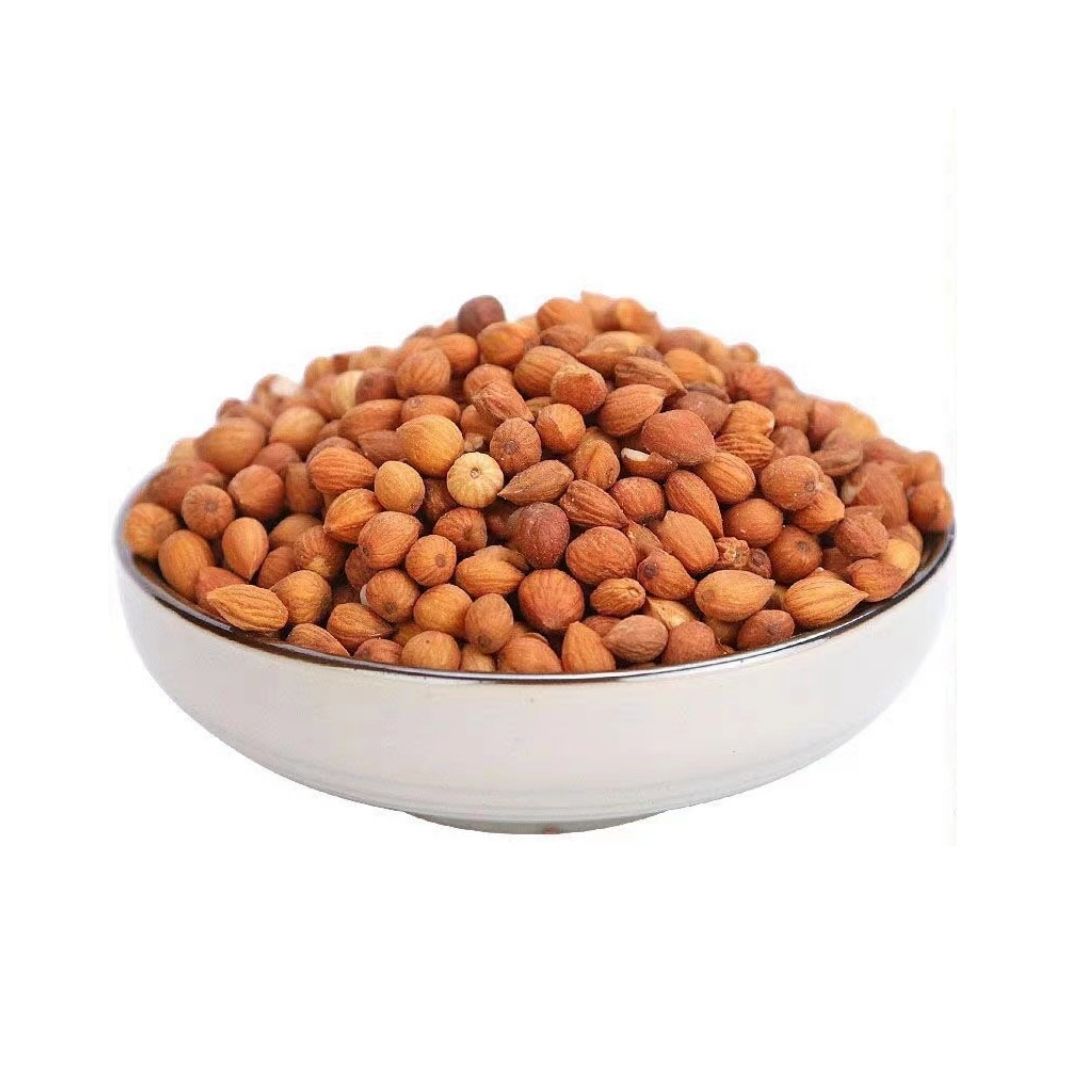
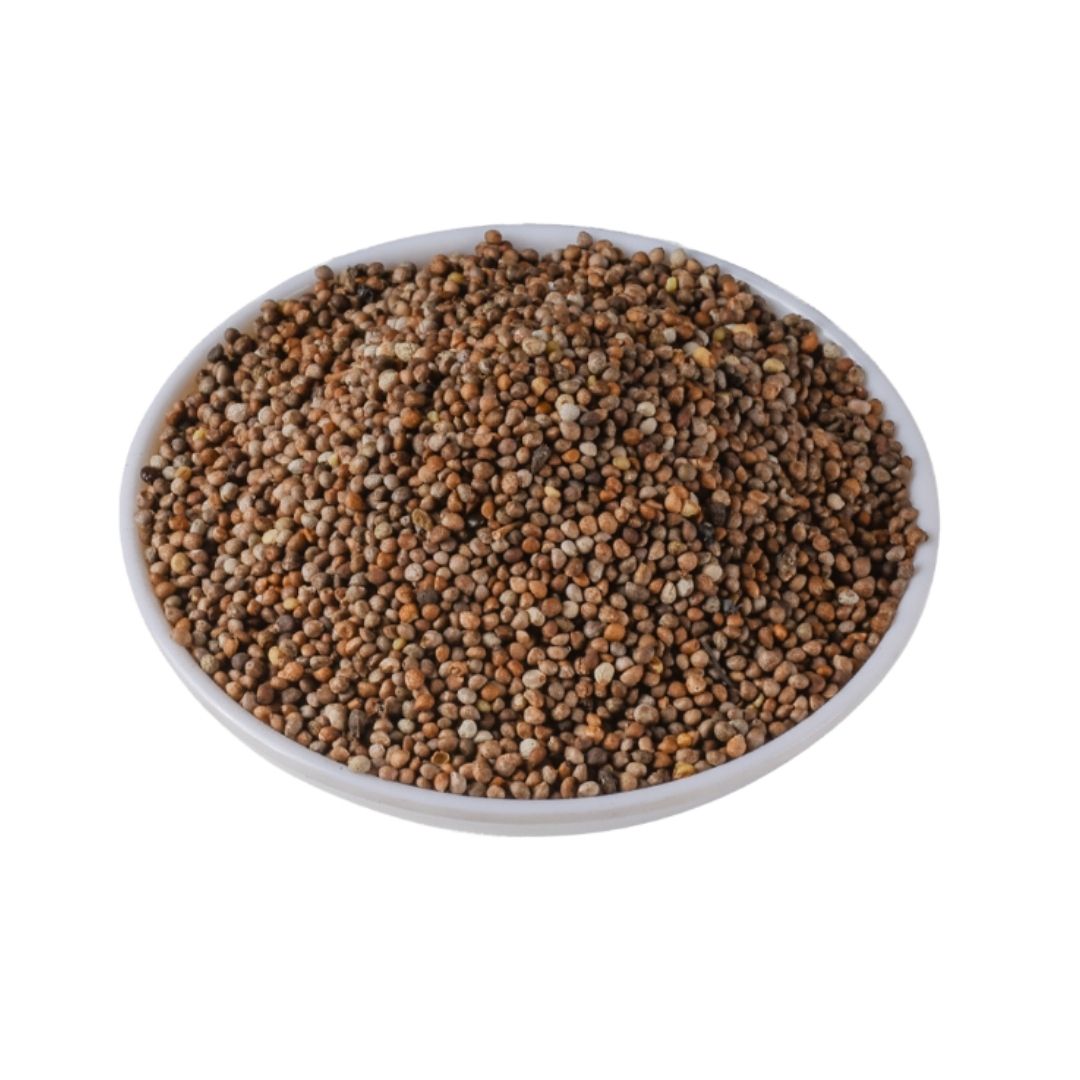
Perilla Seed is derived from the mature fruit of the Perilla frutescens plant, an herb widely used in traditional Chinese medicine. This seed is valued for its therapeutic properties, particularly in addressing respiratory and digestive ailments. It is often used to alleviate coughs, reduce phlegm, and promote bowel movements, making it a versatile remedy in herbal formulations. The seed's chemical composition, rich in essential fatty acids, contributes to its beneficial effects on the body.
Main Active Ingredients
The primary active components of Perilla Seed are its fatty oils, which constitute a significant portion of its composition. These oils include linolenic acid, linoleic acid, and oleic acid. Linolenic acid, an omega-3 fatty acid, is particularly notable for its anti-inflammatory and neuroprotective properties [1]. Linoleic acid, an omega-6 fatty acid, is essential for maintaining cell membrane structure and function [2]. Oleic acid, a monounsaturated fatty acid, contributes to overall cardiovascular health [3]. Additionally, the seed contains various volatile compounds and antioxidants that enhance its therapeutic effects.
Product Application Scenarios, Usage, and Dosage
Perilla Seed is primarily used to treat conditions involving cough, phlegm, and constipation. It is often prescribed for coughs with copious phlegm, especially in cases of chronic bronchitis or asthma [4]. The herb's ability to moisten the intestines makes it effective in relieving constipation, particularly in elderly individuals or those with dry constitutions [5].
The typical dosage of Perilla Seed is 6 to 12 grams per day, usually administered in decoction form. The seeds are often crushed before decoction to enhance the extraction of their active constituents. It can also be used in powdered form or as an ingredient in herbal pills and other formulations, under the guidance of a qualified practitioner.
Introduction to the Source Plant, Distribution, and Growth Environment
The source plant, Perilla frutescens, is an annual herb belonging to the mint family (Lamiaceae). It is characterized by its distinct aroma and is cultivated in various regions of Asia, including China, Japan, and Korea [6]. The plant thrives in well-drained soils and requires ample sunlight for optimal growth.
Perilla frutescens is adaptable to different climates, but it prefers warm temperate regions. It is commonly found in cultivated fields, gardens, and sometimes in the wild. The plant grows to a height of 0.5 to 1.5 meters and features ovate toothed leaves and small white or purple flowers.
Harvesting, Processing, and Storage
Perilla Seeds are typically harvested in the late autumn when the fruits are fully mature [7]. The entire plant is cut, and the seeds are collected by threshing the dried fruits. After harvesting, the seeds are cleaned to remove any impurities and dried thoroughly to prevent spoilage.
Processing may involve lightly crushing the seeds to facilitate the release of their oils during decoction. Properly dried and processed Perilla Seeds should be stored in airtight containers in a cool, dry, and dark place to maintain their potency and prevent rancidity [8]. Regular inspection for signs of mold or insect infestation is essential to ensure the quality and safety of the stored seeds.
Citations:
[1] Calder, P. C. (2018). Very long-chain n-3 fatty acids and human health. Nutrients, 10(4), 466.
[2] Simopoulos, A. P. (2002). The importance of the ratio of omega-6/omega-3 essential fatty acids. Biomedicine & Pharmacotherapy, 56(8), 365-379.
[3] Sales-Campos, H., Souza, P. R., Peghini, B. C., da Silva, J. S., & Cardoso, C. R. (2013). The effect of dietary oleic acid on human health. Nutrients, 5(3), 1058-1079.
[4] Guo, X., Li, Y., Zhang, J., & Zhang, L. (2020). Perilla frutescens: A review of its potential pharmacological effects. Pharmaceutical Biology, 58(1), 936-946.
[5] Lee, J. H., Kim, J. H., Kim, D. H., & Choi, D. Y. (2016). Effect of Perilla frutescens seed oil on constipation induced by loperamide in rats. BMC Complementary and Alternative Medicine, 16(1), 1-8.
[6] Nitta, Y., Oshima, Y., & Ohsawa, K. (2002). Chemical composition of essential oil from Perilla frutescens (L.) Britton var. crispa (Thunb.) Hand.-Mazz. cultivated in Japan. Journal of Essential Oil Research, 14(3), 171-174.
[7] Zhang, H., Zhang, L., Yang, L., & Ling, C. (2019). Optimization of extraction conditions for perilla seed oil using response surface methodology. Journal of Food Processing and Preservation, 43(9), e14098.
[8] Cho, Y. H., Hong, S. H., Kim, D. H., & Choi, D. Y. (2011). Effects of storage conditions on the quality of perilla seed oil. Food Science and Biotechnology, 20(2), 445-451.
Mia Wu

Hi, I’m Mia Wu! I love helping customers discover the best natural ingredients for their products. With a passion for herbs, spices, and fungi, I work to make sure you get only the finest raw materials. Let's grow together! 🌱✨