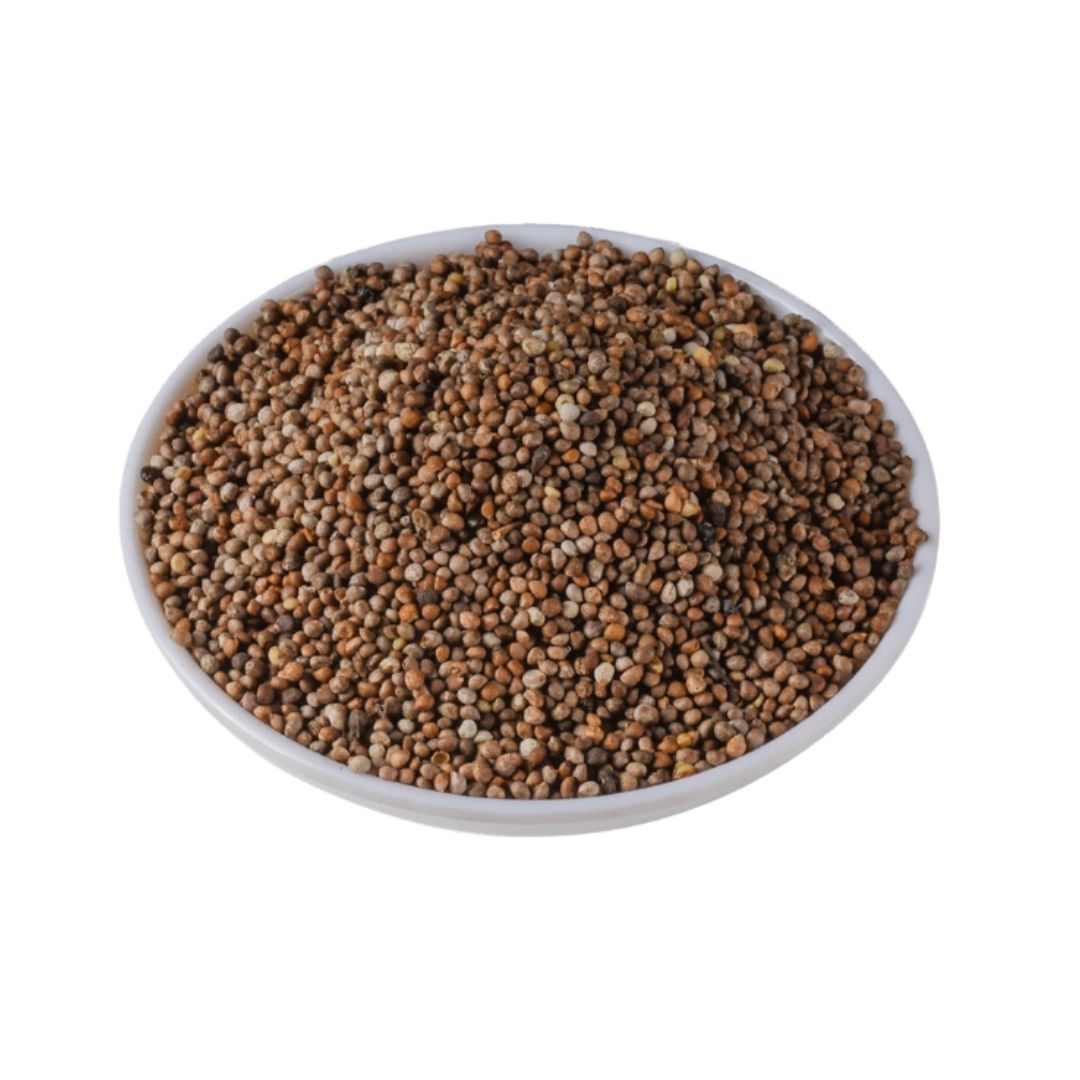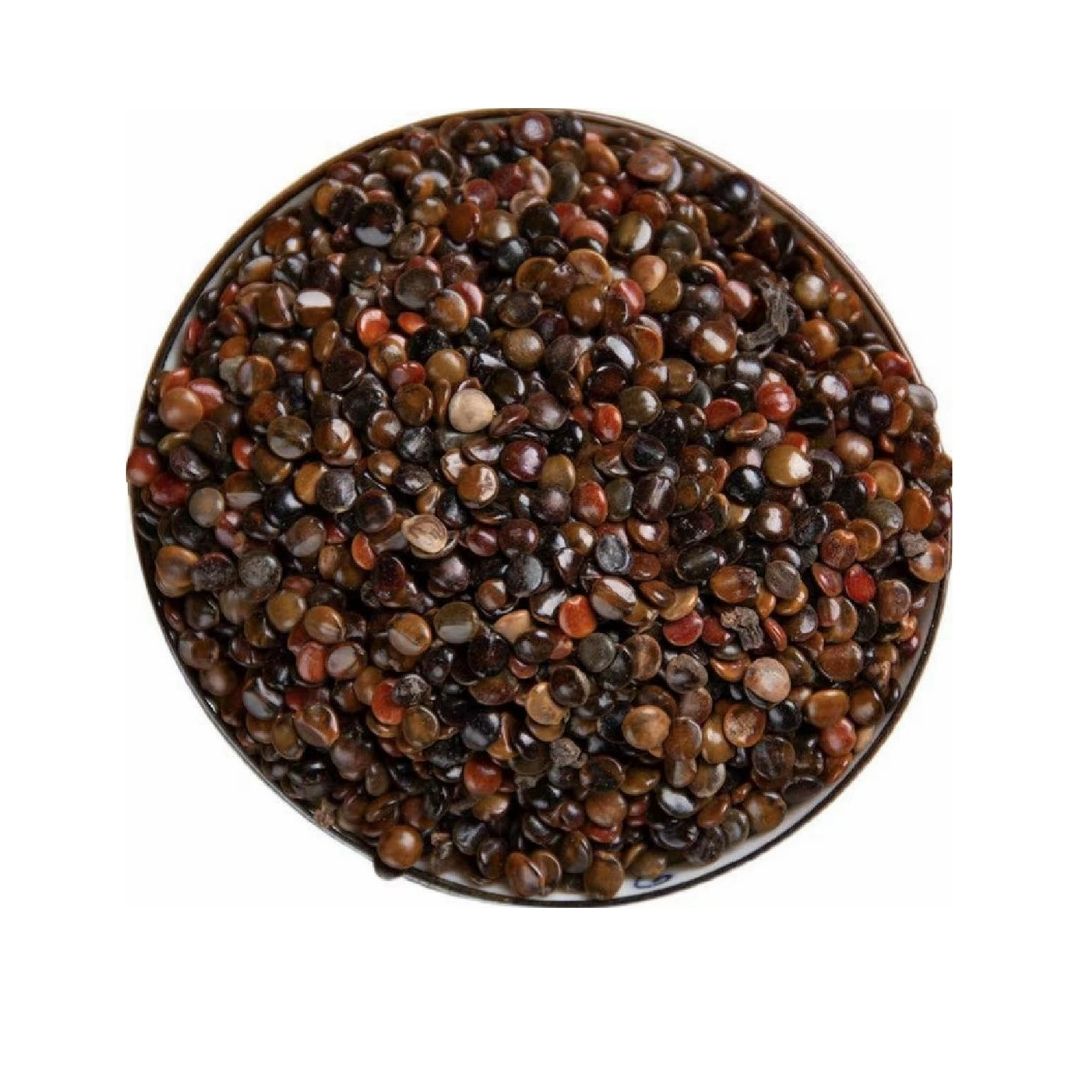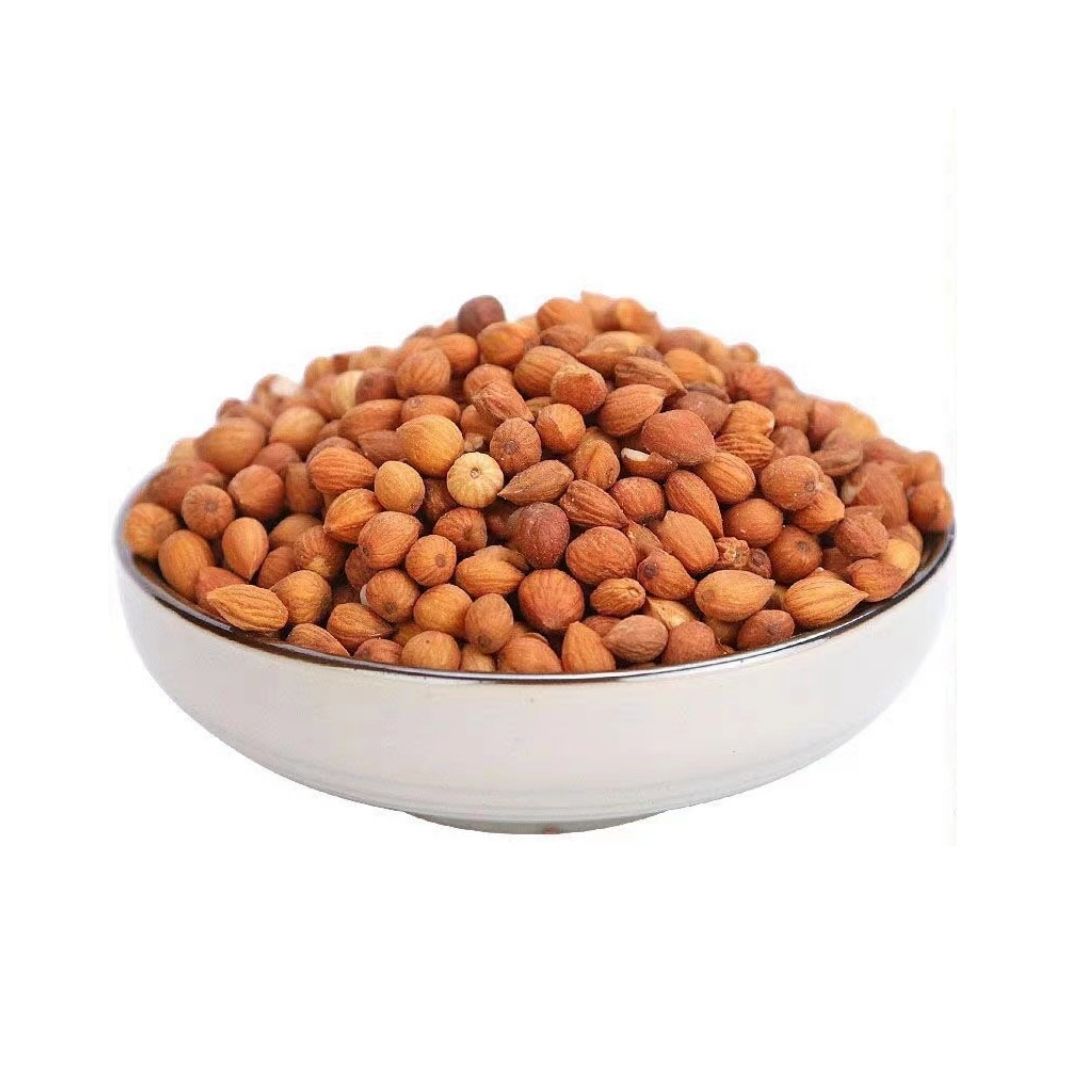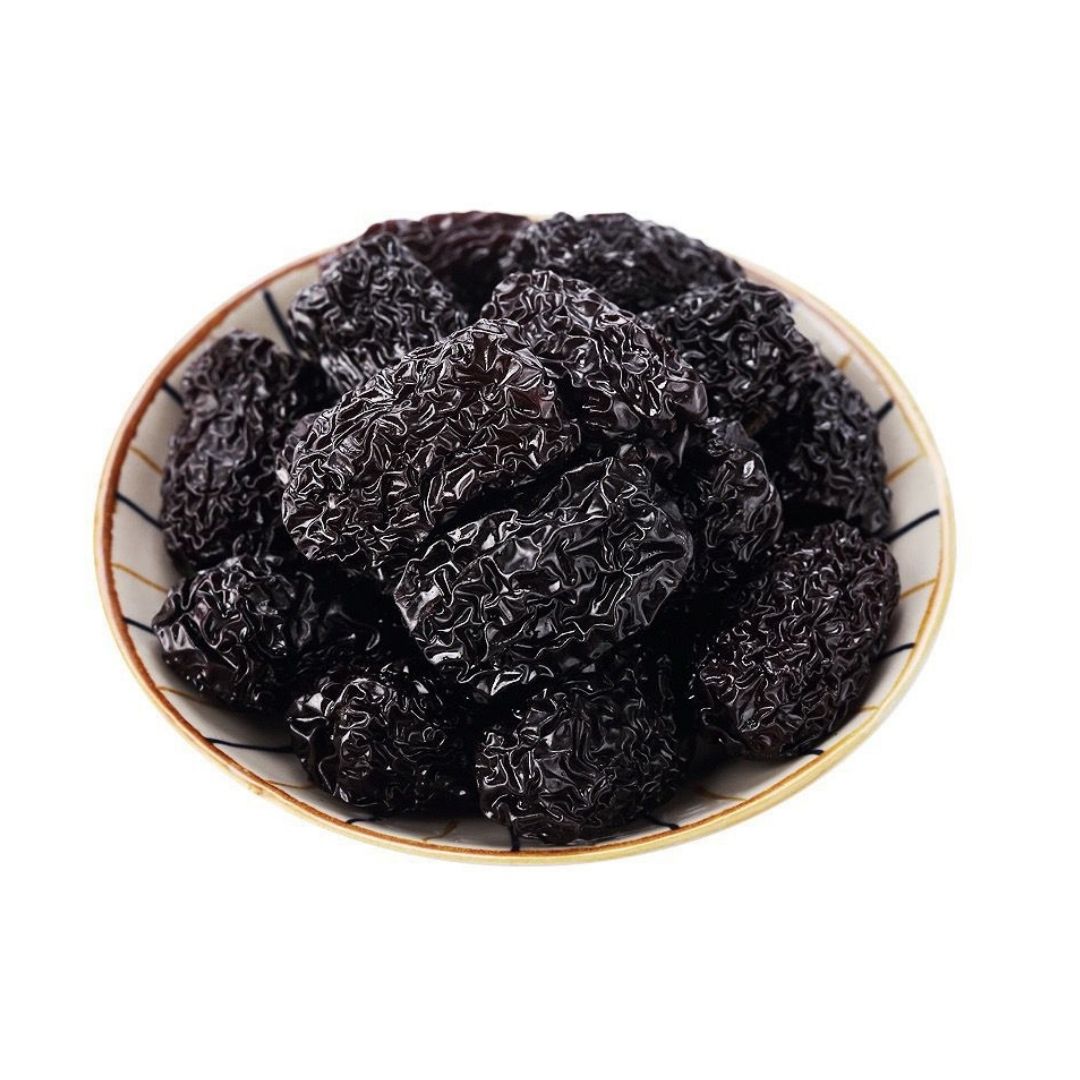


Product Introduction
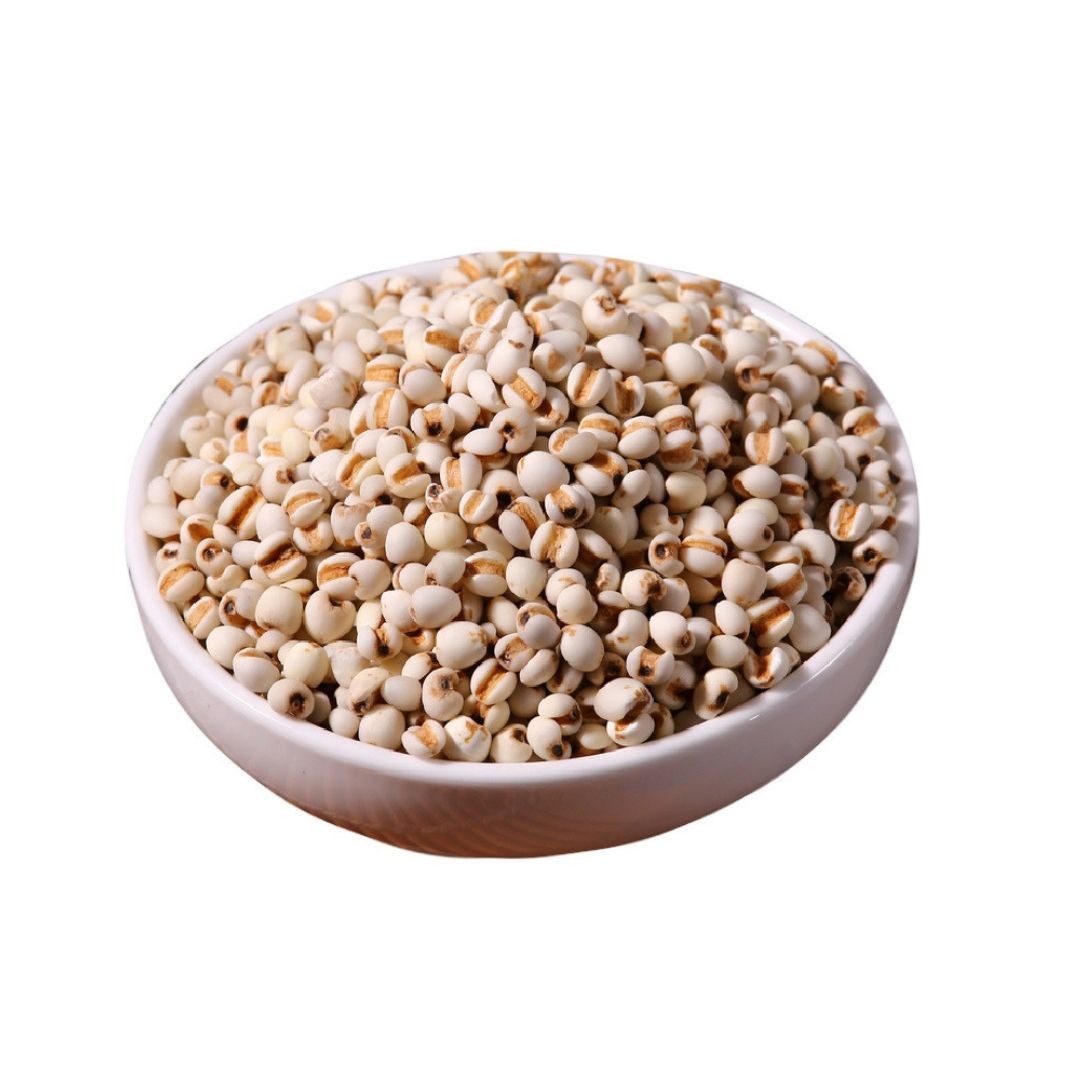
Coix seed, known in Chinese as Yi Yi Ren, is a grain-like seed that has been used for centuries in traditional Chinese medicine (TCM). It comes from the Coix lacryma-jobi plant, a member of the grass family. This herb is valued for its various health benefits, mainly related to its ability to resolve dampness and support digestive health. Coix seed is often incorporated into herbal formulas and dietary applications, proving to be a versatile ingredient.
Main Active Ingredients
The primary active components of Coix seed include carbohydrates, proteins, and fats. It also contains essential amino acids, which contribute to its nutritional value. Coixenolide, a unique compound found in Coix seed, has been studied for its anti-inflammatory and potential anti-cancer properties. The presence of polysaccharides also plays a role in the seed's immune-modulating effects.
Product Application Scenarios, Usage, and Dosage
Coix seed is frequently used to address conditions related to dampness, such as edema, arthritis, and skin issues like warts and eczema. Its diuretic properties help to eliminate excess fluid from the body. It can be used to strengthen the spleen, improving digestion and nutrient absorption. The typical dosage of Coix seed is 9-30 grams, usually decocted in water for oral administration. It can also be added to soups, porridge, or other food preparations for its health benefits.
Introduction to the Source Plant, Distribution, and Growth Environment
Coix lacryma-jobi is an annual grass that grows in tropical and subtropical regions of Asia, including China, India, and Japan. The plant prefers moist environments, often found near streams, rivers, and wetlands. It thrives in warm climates with plenty of sunlight. The plant can grow up to 1-2 meters in height, producing characteristic hard-shelled grains.
Harvesting, Processing, and Storage
Coix seeds are typically harvested in the fall when the grains have matured and dried on the plant. After harvesting, the seeds are cleaned to remove any debris and then dried thoroughly to prevent spoilage. The seeds are often processed by removing the outer shell before use. They should be stored in a cool, dry place, away from direct sunlight and moisture, to maintain their quality and efficacy.
Citations
- Ye, W., et al. "Chemical Constituents of Coix lacryma-jobi and Their Potential Bioactivities." Journal of Agricultural and Food Chemistry, vol. 66, no. 15, 2018, pp. 3835-3848.
- Li, Y., et al. "A review of the phytochemistry, pharmacology, and clinical applications of Coix lacryma-jobi L." Journal of Ethnopharmacology, vol. 210, 2018, pp. 257-276.
- Bensky, D., et al. Chinese Herbal Medicine: Materia Medica. 3rd ed., Eastland Press, 2004.
Mia Wu

Hi, I’m Mia Wu! I love helping customers discover the best natural ingredients for their products. With a passion for herbs, spices, and fungi, I work to make sure you get only the finest raw materials. Let's grow together! 🌱✨