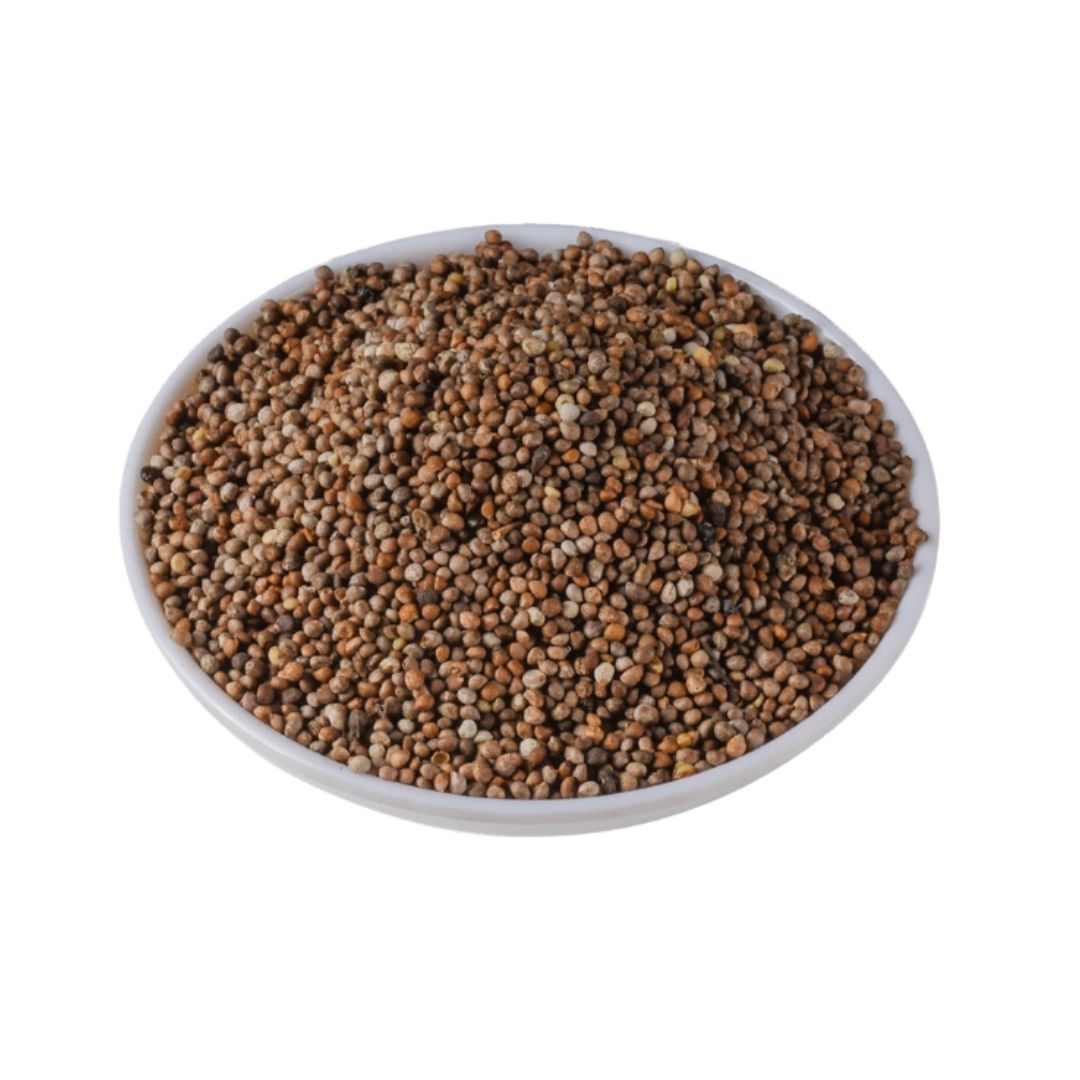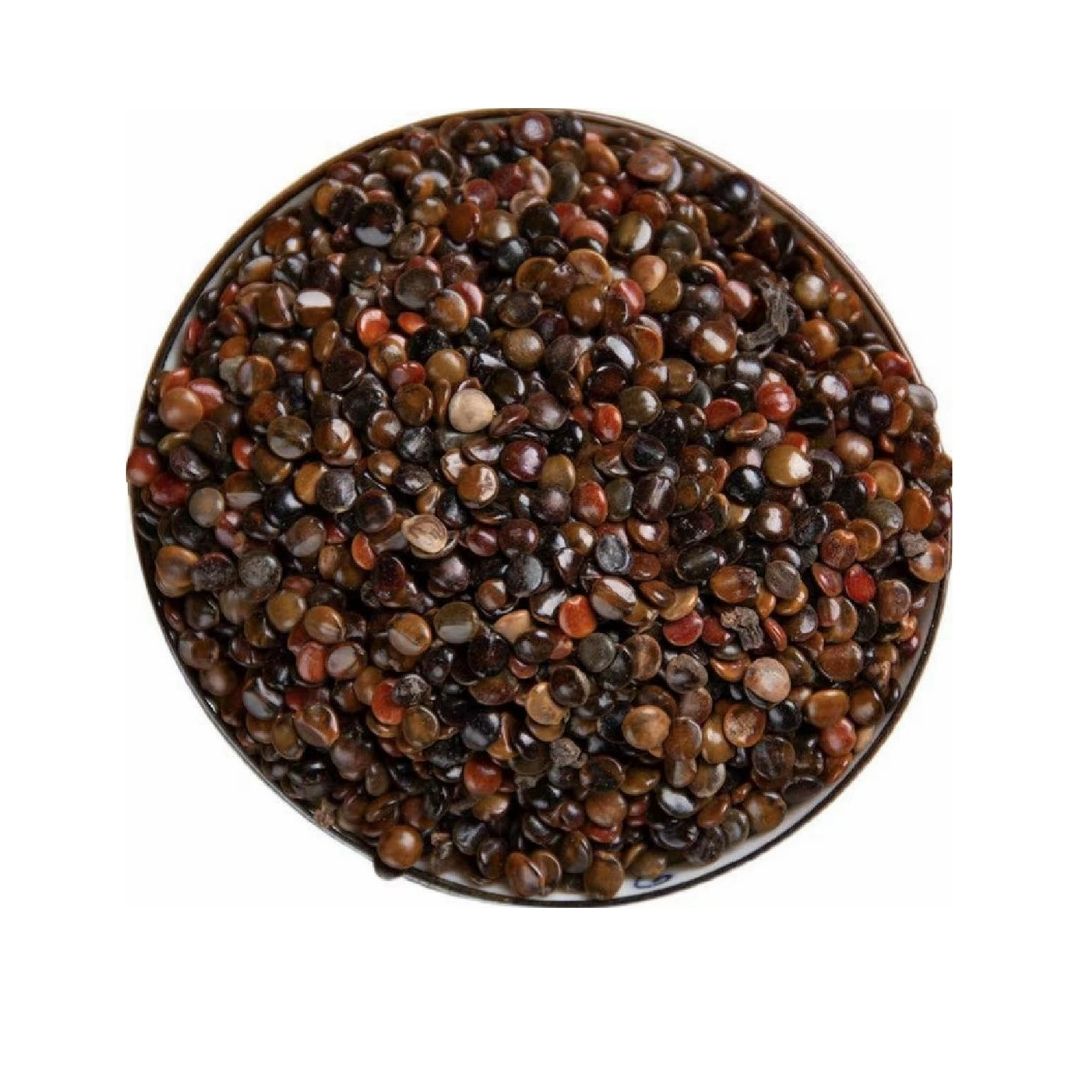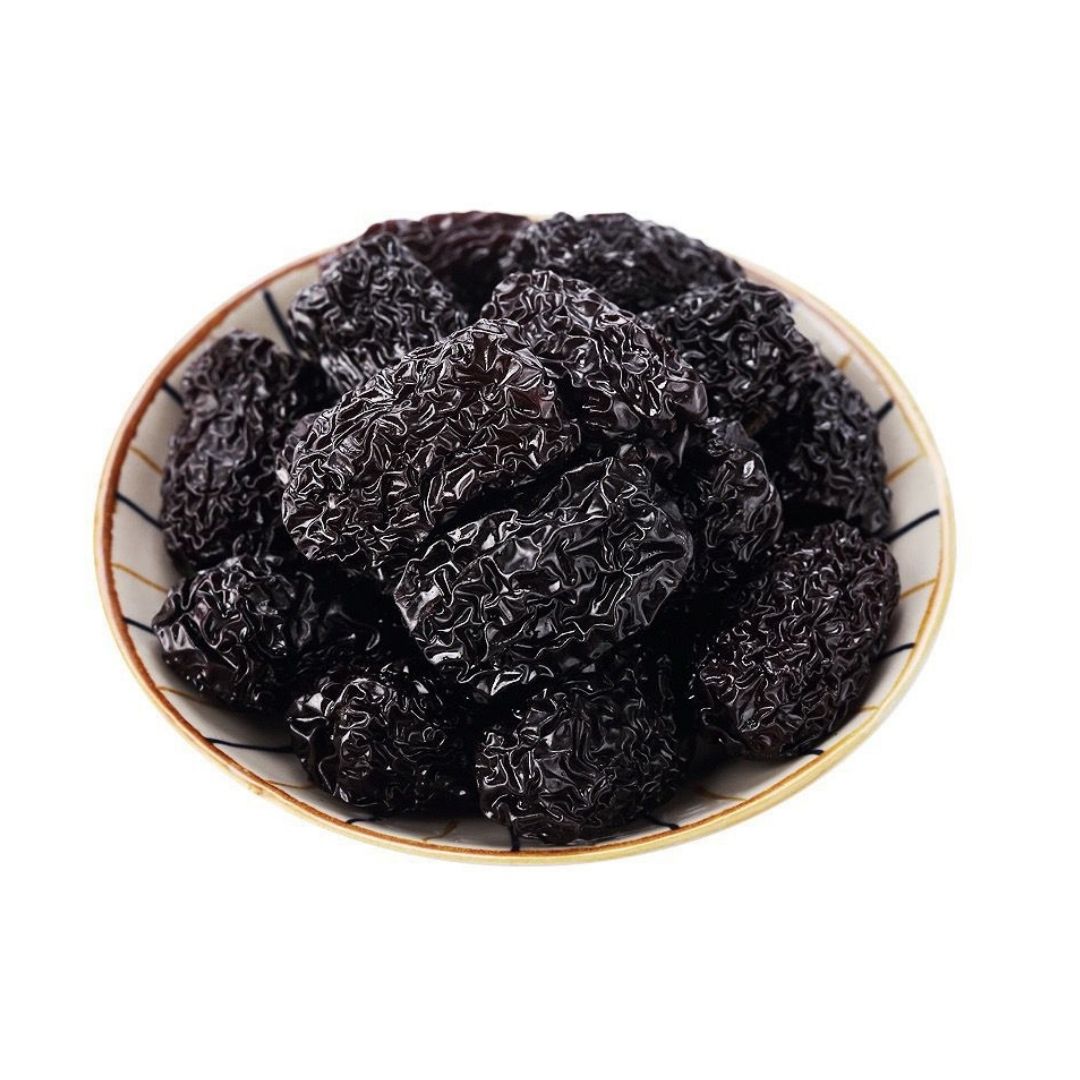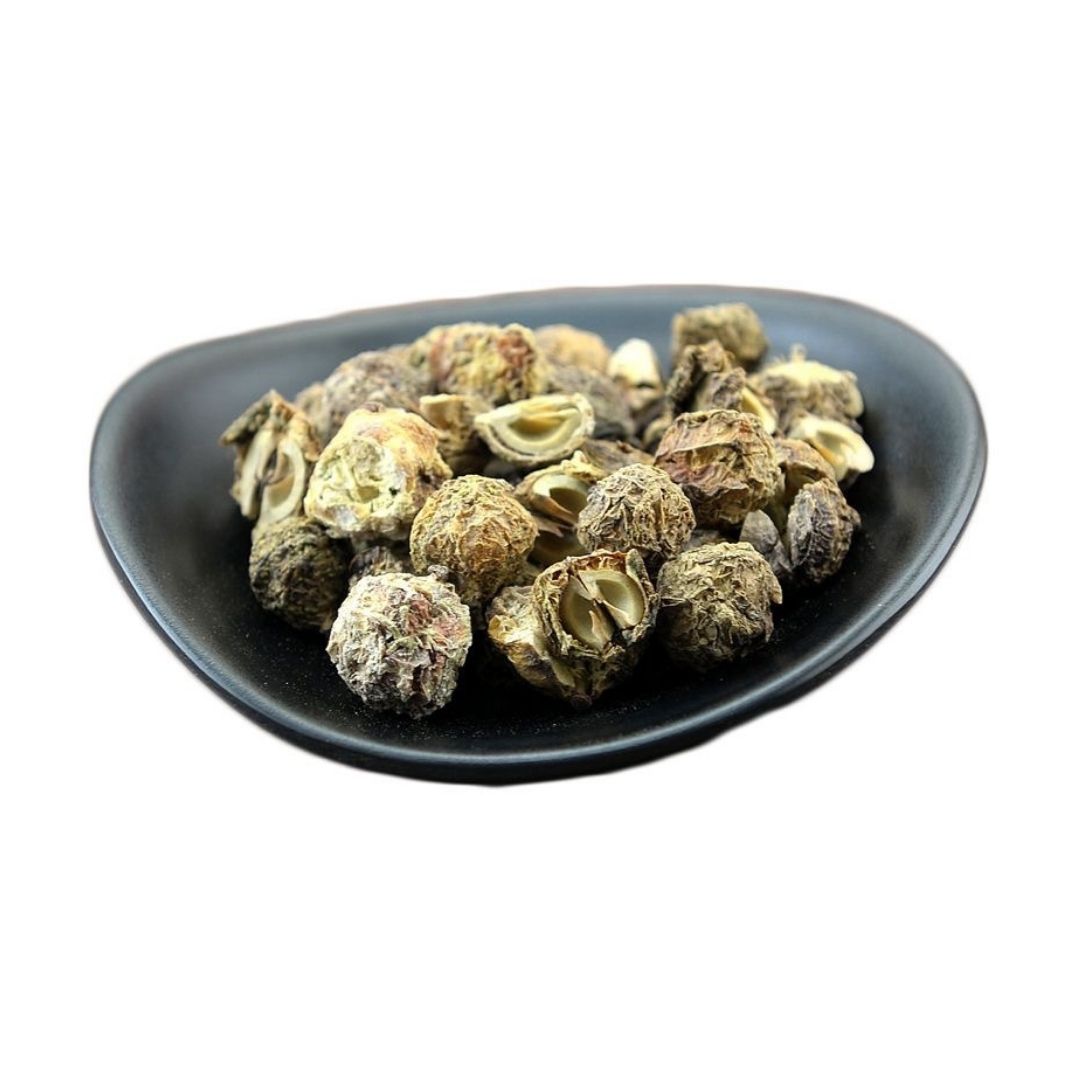


Product Introduction
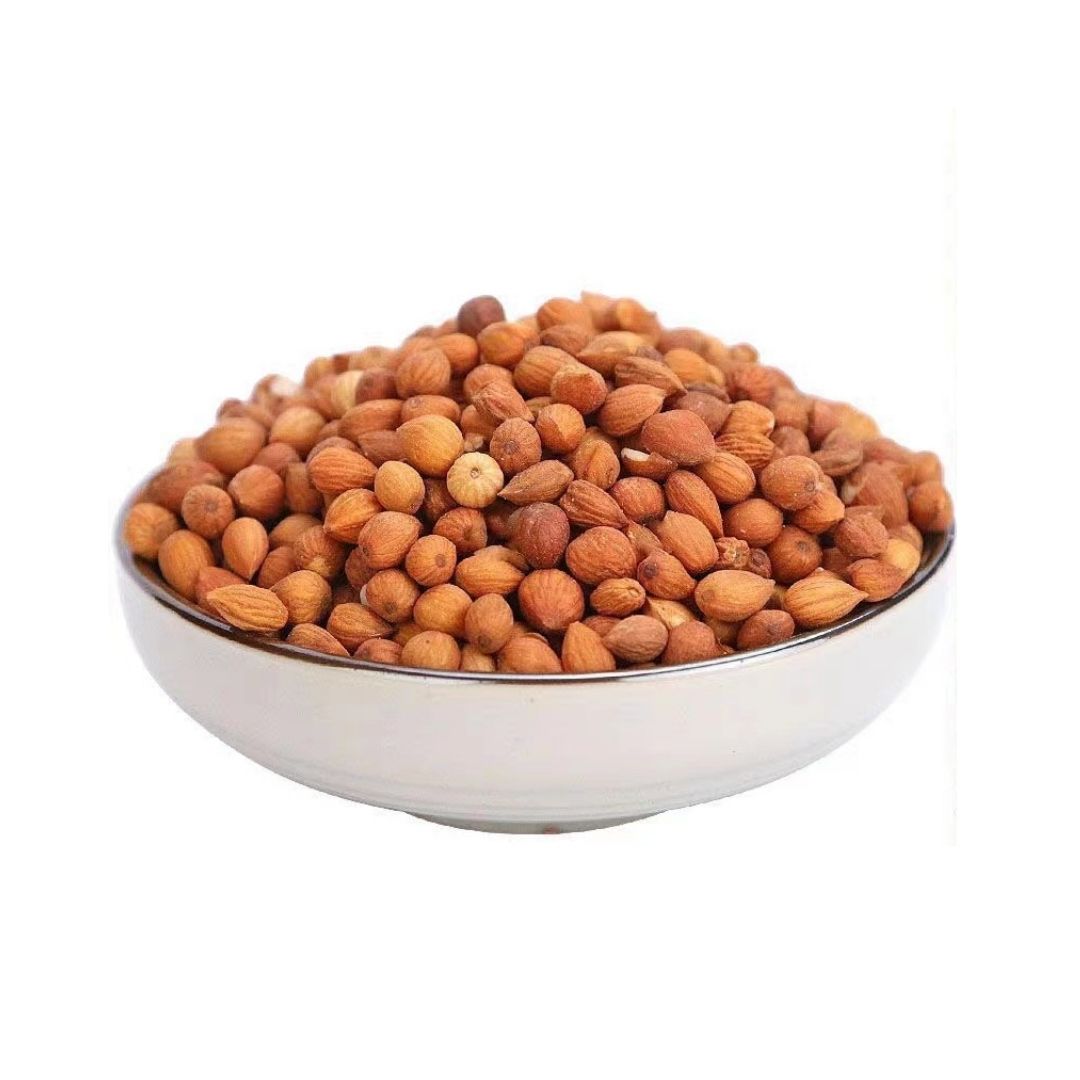
Semen Pruni, a traditional Chinese medicine, primarily addresses issues related to dryness and stagnation within the intestines. Its therapeutic benefits are attributed to its capacity to lubricate the intestinal tract, promoting smoother bowel movements and relieving constipation. Commonly prescribed by practitioners of traditional Chinese medicine, Semen Pruni is valued for its gentle yet effective action in restoring digestive regularity. It is important to note that while typically safe, its usage should always be under professional guidance to ensure appropriateness and avoid potential adverse effects.
Main Active Ingredients
The therapeutic properties of Semen Pruni are largely attributed to its rich composition of fatty oils. These oils act as a lubricant within the intestinal tract, aiding in the softening of stool and facilitating its passage. Additionally, Semen Pruni contains amygdalin, a compound that, while present in small amounts, contributes to the overall effect of the herb. Further research has identified trace amounts of volatile components that may also play a role in the herb’s medicinal actions, however, more studies are necessary to fully elucidate their contributions.
Product Application Scenarios, Usage, and Dosage
Semen Pruni is primarily indicated for individuals experiencing constipation due to dryness in the intestines. The herb is often used in formulations targeting chronic constipation, particularly in elderly or debilitated patients. The typical dosage of Semen Pruni ranges from 6 to 15 grams, and it is often decocted in water and taken orally. It can also be used in conjunction with other herbs to enhance its effects or address underlying conditions contributing to constipation. As with all herbal remedies, adherence to prescribed dosages and guidance from a qualified healthcare practitioner is crucial for safe and effective use.
Introduction to the Source Plant, Distribution, and Growth Environment
Prunus humilis, Prunus japonica, and Prunus davidiana are deciduous shrubs or small trees belonging to the Rosaceae family. Prunus humilis is primarily found in northern China, whereas Prunus japonica is native to Japan and China. Prunus davidiana is native to China. These plants prefer well-drained soils and sunny locations. They exhibit tolerance to varied environmental conditions, which contributes to their widespread distribution. These plants are usually cultivated for their ornamental value and medicinal properties.
Harvesting, Processing, and Storage
The harvesting of Semen Pruni involves collecting the ripe fruits from Prunus humilis, Prunus japonica, or Prunus davidiana plants. Once harvested, the fruits are processed to extract the seeds. These seeds are then typically dried in the sun or using mechanical drying methods to reduce moisture content and prevent spoilage. Proper storage of Semen Pruni is crucial for preserving its therapeutic efficacy. Dried seeds should be stored in a cool, dry, and well-ventilated environment, away from direct sunlight and moisture.
Citations:
- https://www.sciencedirect.com/topics/pharmacology-toxicology-and-pharmaceutical-science/prunus-davidiana
- https://pfaf.org/user/Plant.aspx?LatinName=Prunus+japonica
- 中华本草
Mia Wu

Hi, I’m Mia Wu! I love helping customers discover the best natural ingredients for their products. With a passion for herbs, spices, and fungi, I work to make sure you get only the finest raw materials. Let's grow together! 🌱✨