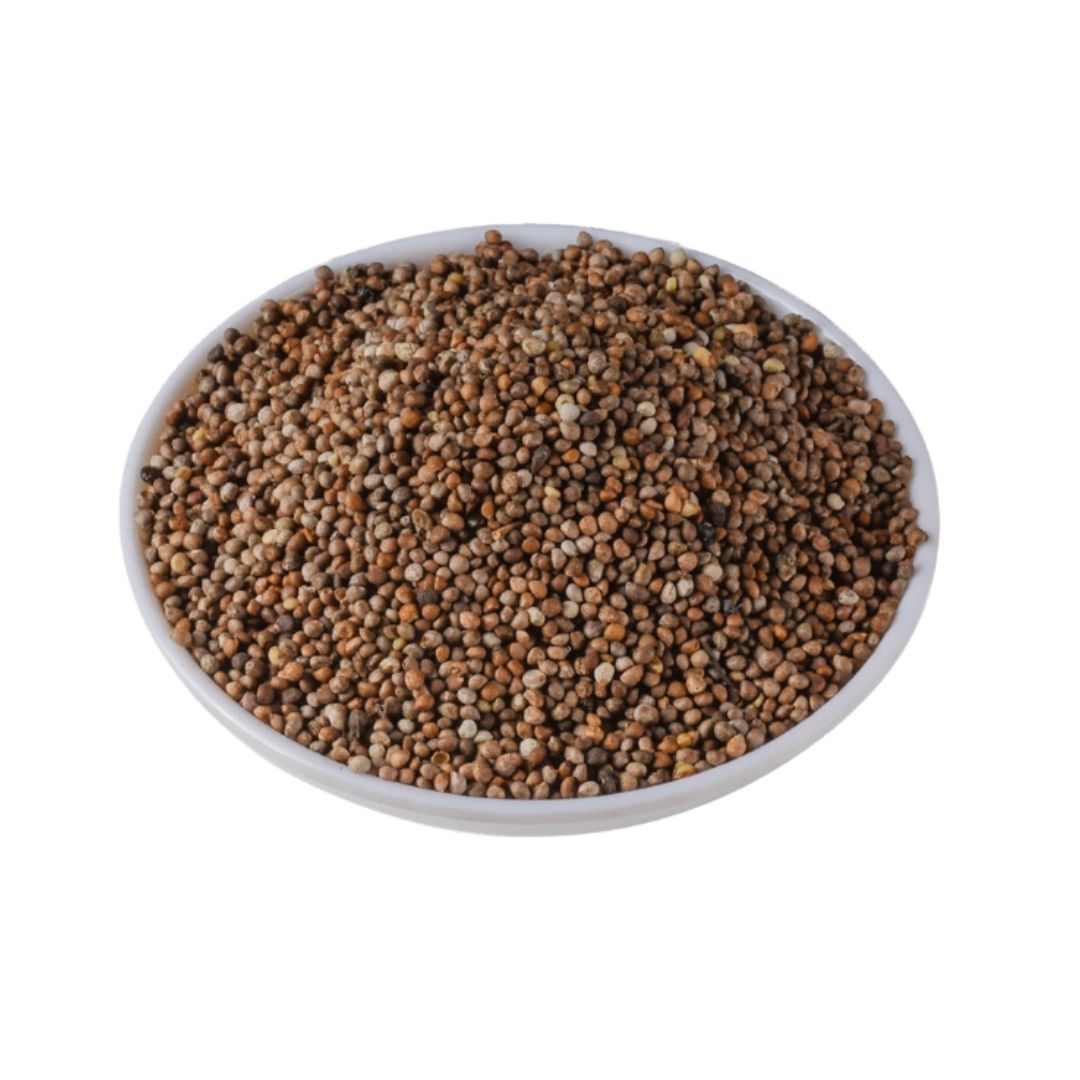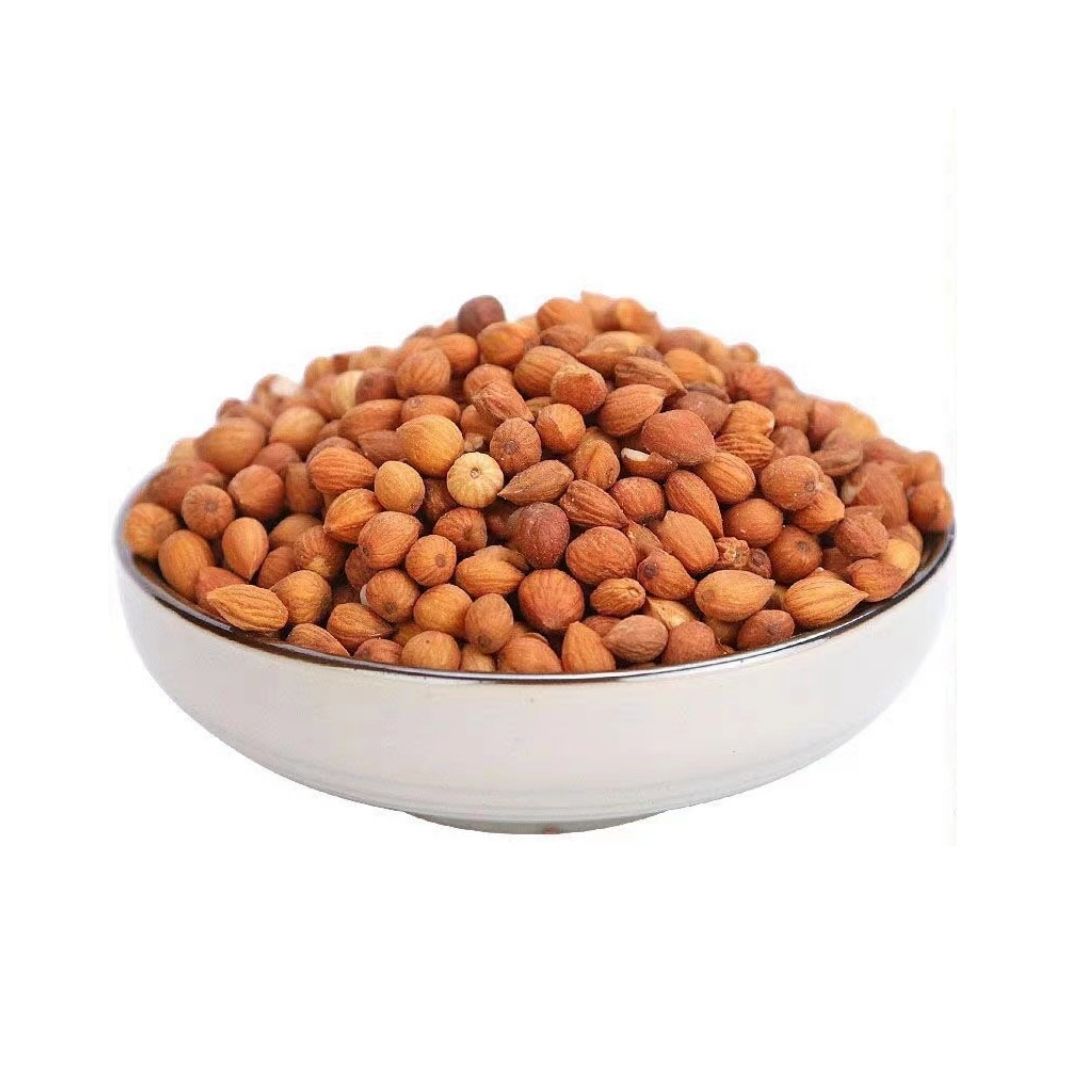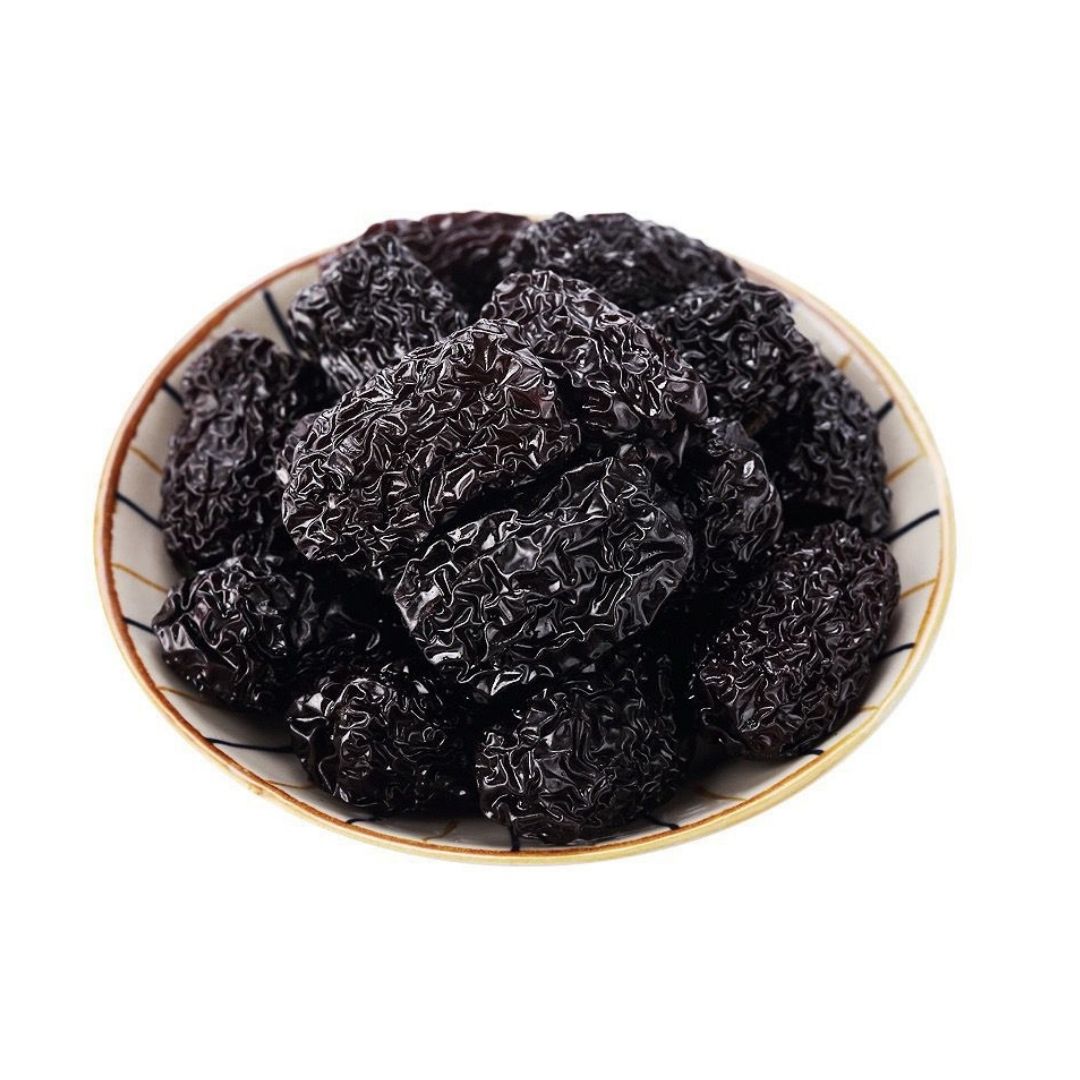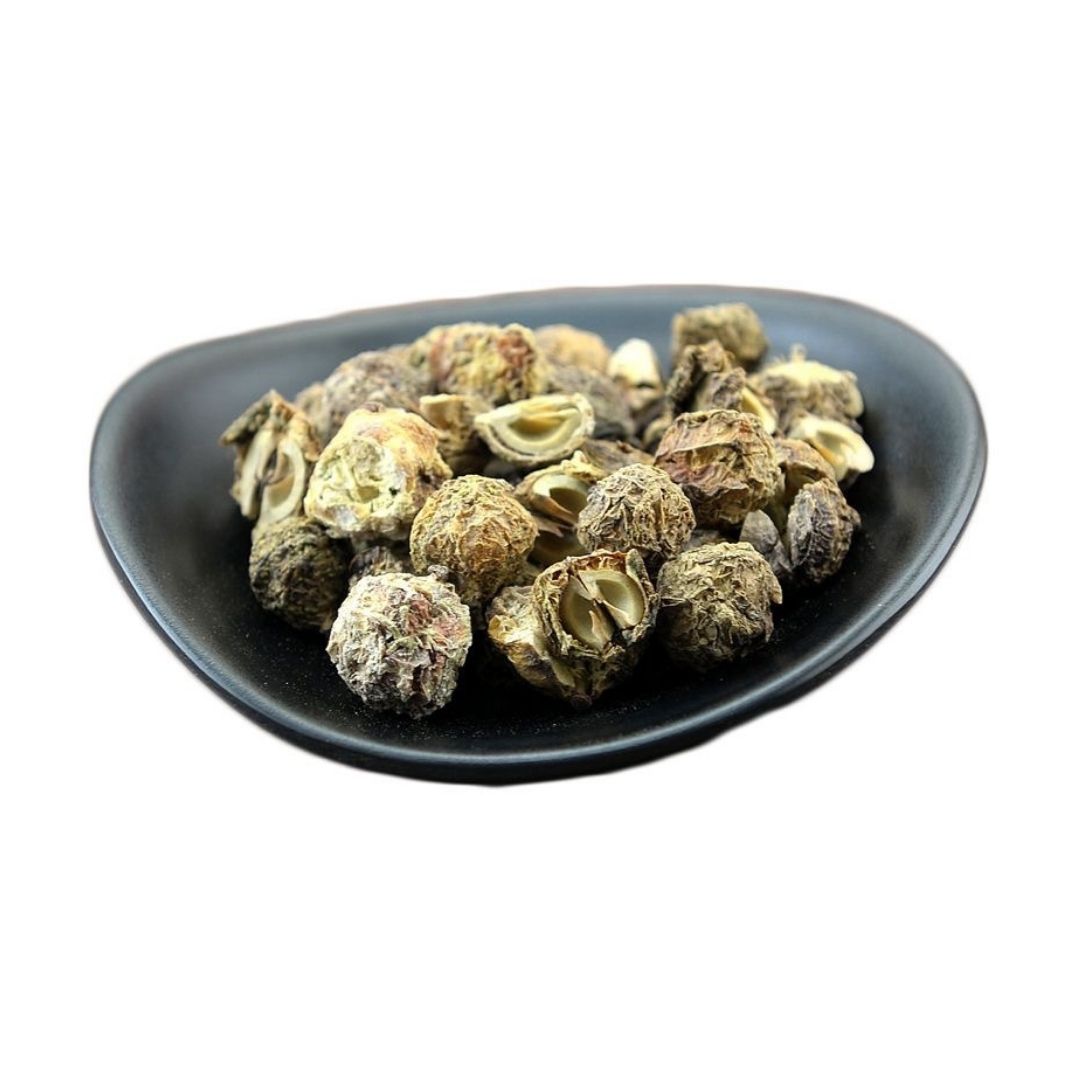


Product Introduction
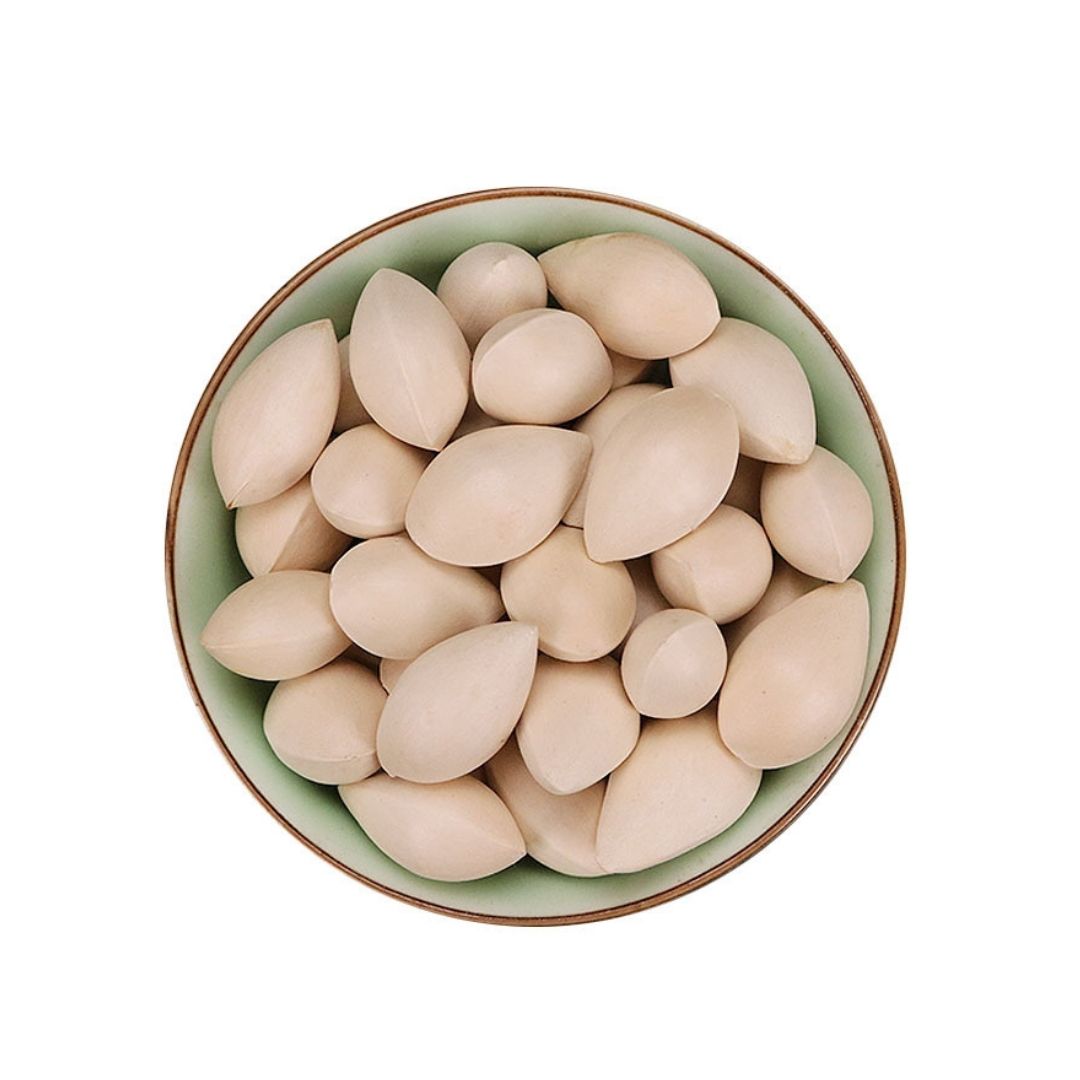
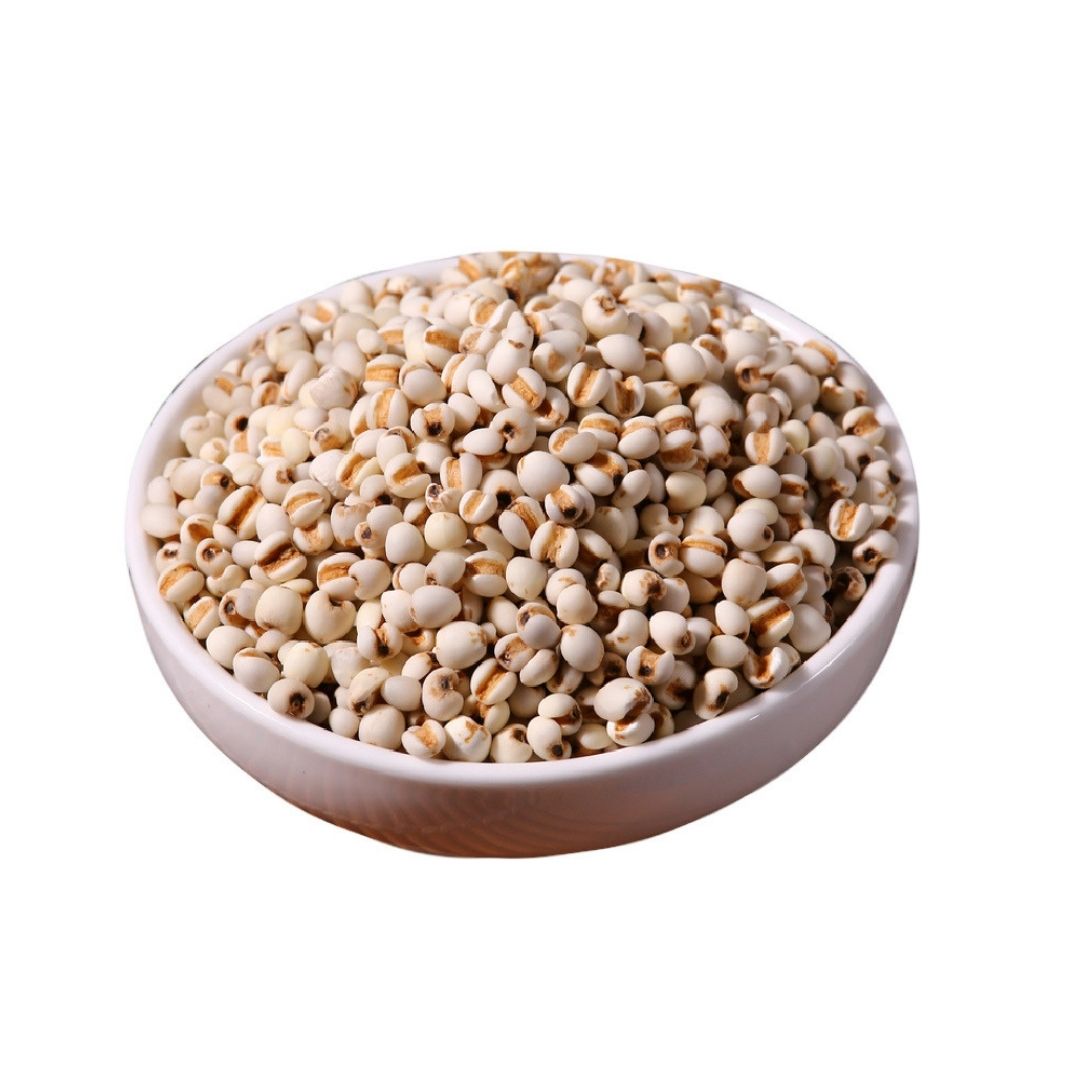
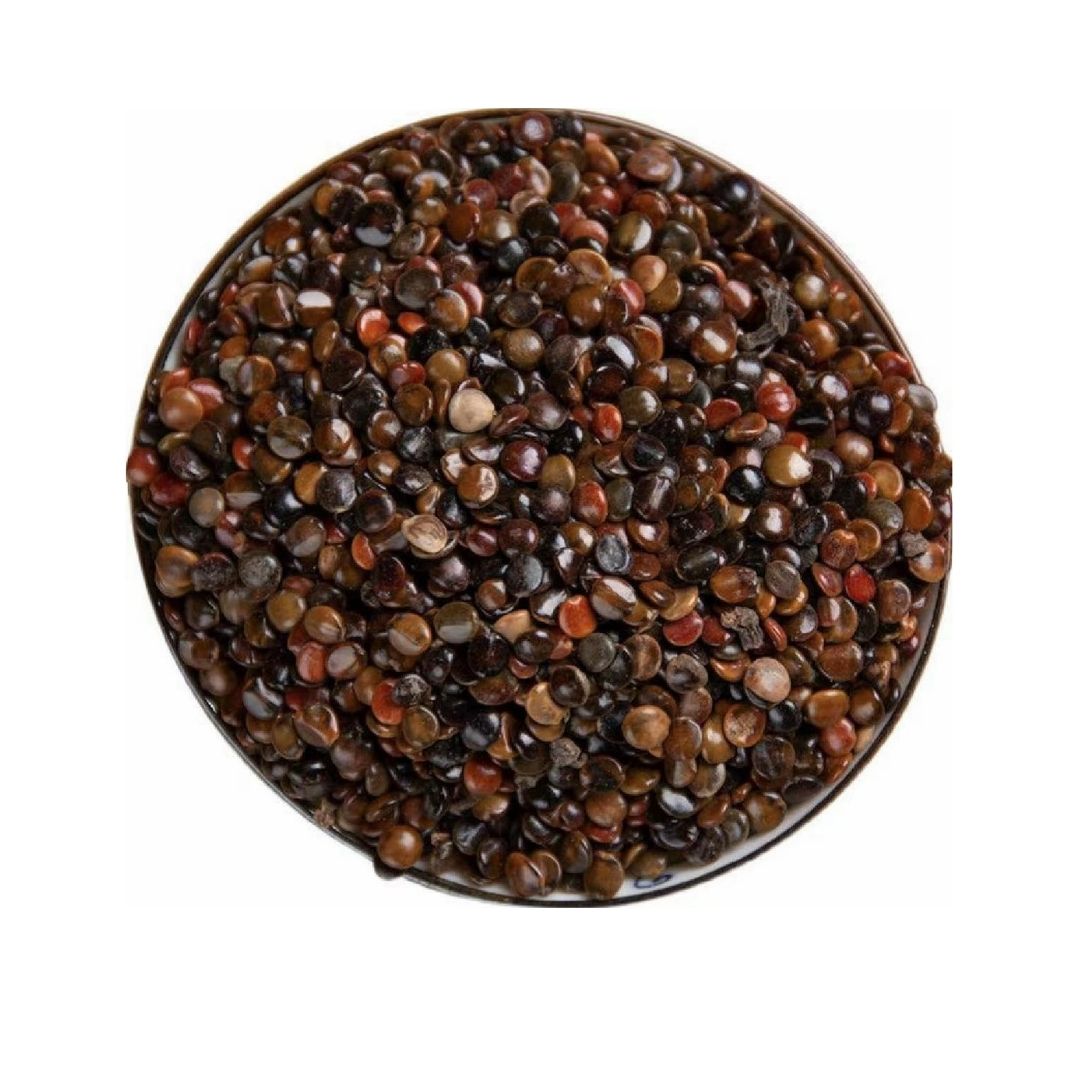
Fructus Gardeniae, commonly known as Zhi Zi in Chinese, is the dried fruit of Gardenia jasminoides. This herb is valued in traditional Chinese medicine for its ability to clear heat, resolve dampness, and cool the blood. It’s used in various herbal formulas to address a range of conditions related to heat and dampness in the body [1]. Fructus Gardeniae typically presents as a small, reddish-yellow fruit with a distinct bitter taste.
Main Active Ingredients
The primary active ingredients in Fructus Gardeniae include iridoid glycosides, such as geniposide, genipin, and crocetin. Geniposide is known for its anti-inflammatory and antioxidant properties [2]. Crocetin, a carotenoid, is responsible for the fruit's color and has demonstrated potential neuroprotective effects. These compounds contribute to the therapeutic effects observed in traditional applications [3].
Product Application Scenarios, Usage, and Dosage
Fructus Gardeniae is used in various clinical scenarios. It is indicated for jaundice, edema, and bleeding disorders caused by heat in the blood. The herb is also applied to address irritability, insomnia, and restlessness associated with heat in the Heart channel [4]. The typical dosage ranges from 6 to 12 grams per day, usually administered in decoction form. For external use, it can be ground into a powder and applied topically to treat skin infections and inflammation [5].
Introduction to the Source Plant, Distribution, and Growth Environment
Gardenia jasminoides is an evergreen shrub native to Asia, particularly China, Japan, and Vietnam. It thrives in warm, humid environments with well-drained soil and partial shade. This plant is commonly cultivated for its fragrant white flowers. It grows to a height of about 1 to 2 meters and is characterized by its glossy green leaves [6]. The plant is adaptable to various soil types but prefers slightly acidic conditions.
Harvesting, Processing, and Storage
The fruits are typically harvested in the fall when they turn reddish-yellow. After harvesting, the fruits are often steamed or boiled to prevent germination and then dried in the sun or using mechanical dryers [7]. Proper drying is crucial to preserve the active compounds and prevent mold growth. Once dried, Fructus Gardeniae should be stored in a cool, dry place, away from direct sunlight, and in airtight containers to maintain its quality and potency [8].
Citations:
[1] Bensky, D., Clavey, S., & Stöger, E. (2004). Chinese Herbal Medicine: Materia Medica, 3rd ed. Seattle, WA: Eastland Press.
[2] Koo, K. A., et al. (2016). "Anti-inflammatory effect of geniposide via suppression of NF-κB and MAPK activation in lipopolysaccharide-stimulated RAW 264.7 macrophages." Journal of Ethnopharmacology, 194, 922-929.
[3] Xia, Q., et al. (2019). "Crocetin protects neuronal cells against glutamate-induced neurotoxicity via antioxidative and anti-apoptotic mechanisms." Journal of Agricultural and Food Chemistry, 67(12), 3390-3399.
[4] Chen, J. K., & Chen, T. T. (2004). Chinese Medical Herbology and Pharmacology. City of Industry, CA: Art of Medicine Press.
[5] Fratkin, J. (2000). Chinese Herbal Patent Medicines. Boston, MA: Shambhala.
[6] Huxley, A. (Ed.). (1992). The New Royal Horticultural Society Dictionary of Gardening. London: Macmillan Press.
[7] Williamson, E. M. (2002). Major Herbs of Ayurveda. London: Churchill Livingstone.
[8] Bone, K., & Mills, S. (2013). Principles and Practice of Phytotherapy, 2nd ed. Edinburgh: Churchill Livingstone.
Mia Wu

Hi, I’m Mia Wu! I love helping customers discover the best natural ingredients for their products. With a passion for herbs, spices, and fungi, I work to make sure you get only the finest raw materials. Let's grow together! 🌱✨