

Product Introduction
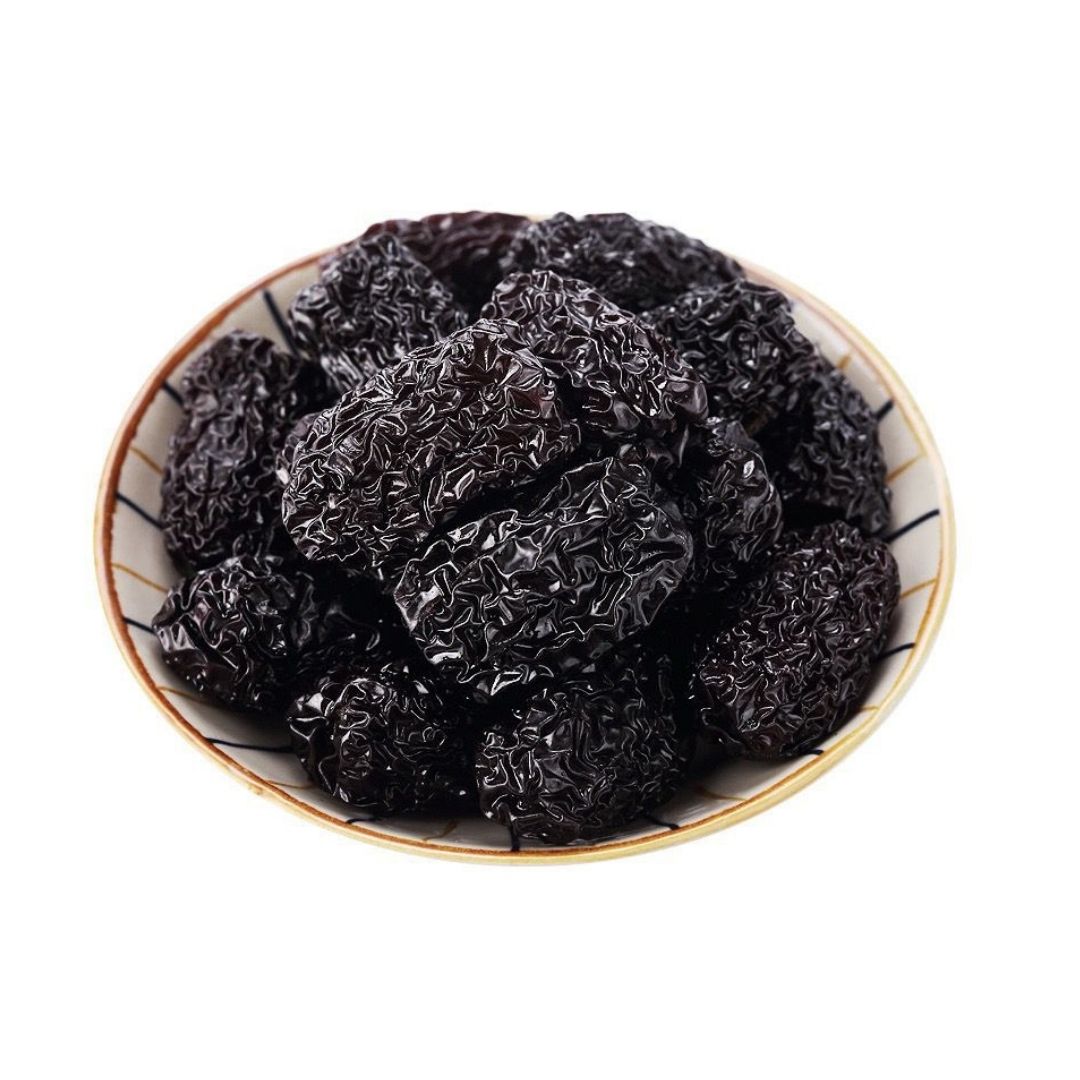
Black jujube, also known as black date or ebony date, is a special type of jujube fruit, which is processed to achieve its unique color and enhanced properties. These jujubes are not simply dried; a steaming and smoking process contributes to their dark color and concentrated flavor. Black jujubes are different from regular red dates, as they are often selected from particular cultivars known for their denser flesh and suitability for the unique processing method.
Main Active Ingredients
The primary active ingredients in black jujubes include polysaccharides, flavonoids, and various vitamins and minerals. Polysaccharides are complex carbohydrates that can have immune-modulating and energy-boosting effects. Flavonoids act as antioxidants, helping to protect the body against oxidative stress. Vitamins, such as vitamin C and B vitamins, support overall health and well-being, while minerals like iron, potassium, and magnesium play crucial roles in various physiological functions.
Product Application Scenarios, Usage, and Dosage
In traditional Chinese medicine, black jujubes are frequently used to tonify Qi and blood, particularly in individuals experiencing fatigue or anemia. They are also employed to calm the spirit, making them suitable for those with anxiety or insomnia. Commonly, the usage involves incorporating black jujubes into herbal decoctions, teas, or soups. The typical dosage ranges from 6 to 15 grams per day but can vary depending on the specific formulation and the individual's condition. They can be consumed directly as a snack, as a nutritional supplement.
Introduction to the Source Plant, Distribution, and Growth Environment
Black jujubes come from certain cultivars of the Ziziphus jujuba plant. Jujube trees are native to China, and have been cultivated for thousands of years. These trees thrive in warm, temperate climates with plenty of sunlight and well-drained soil. Cultivation is prevalent in regions throughout China, including areas in the north and northwest, where the climate supports optimal growth and fruit development.
Harvesting, Processing, and Storage
The harvesting of jujubes typically occurs in the fall when the fruits have reached full maturity. After harvesting, black jujubes undergo further processing, that distinguishes them from other types of jujubes. This process involves steaming and smoking, which not only imparts the characteristic dark color but also enhances certain beneficial compounds. Post-processing, the jujubes are dried to reduce moisture content and ensure preservation. Proper storage is essential, and they are best kept in a cool, dry place, away from direct sunlight, to prevent spoilage, and maintain quality.
Citations
- National Center for Biotechnology Information. (n.d.). Ziziphus jujuba Mill. Sorting: Relevance. Retrieved from https://www.ncbi.nlm.nih.gov/books/NBK92768/
- Natural Medicines Database. (n.d.). Jujube. Retrieved from https://naturalmedicines.therapeuticresearch.com/databases/food-herb/entry.aspx?id=624
Mia Wu

Hi, I’m Mia Wu! I love helping customers discover the best natural ingredients for their products. With a passion for herbs, spices, and fungi, I work to make sure you get only the finest raw materials. Let's grow together! 🌱✨