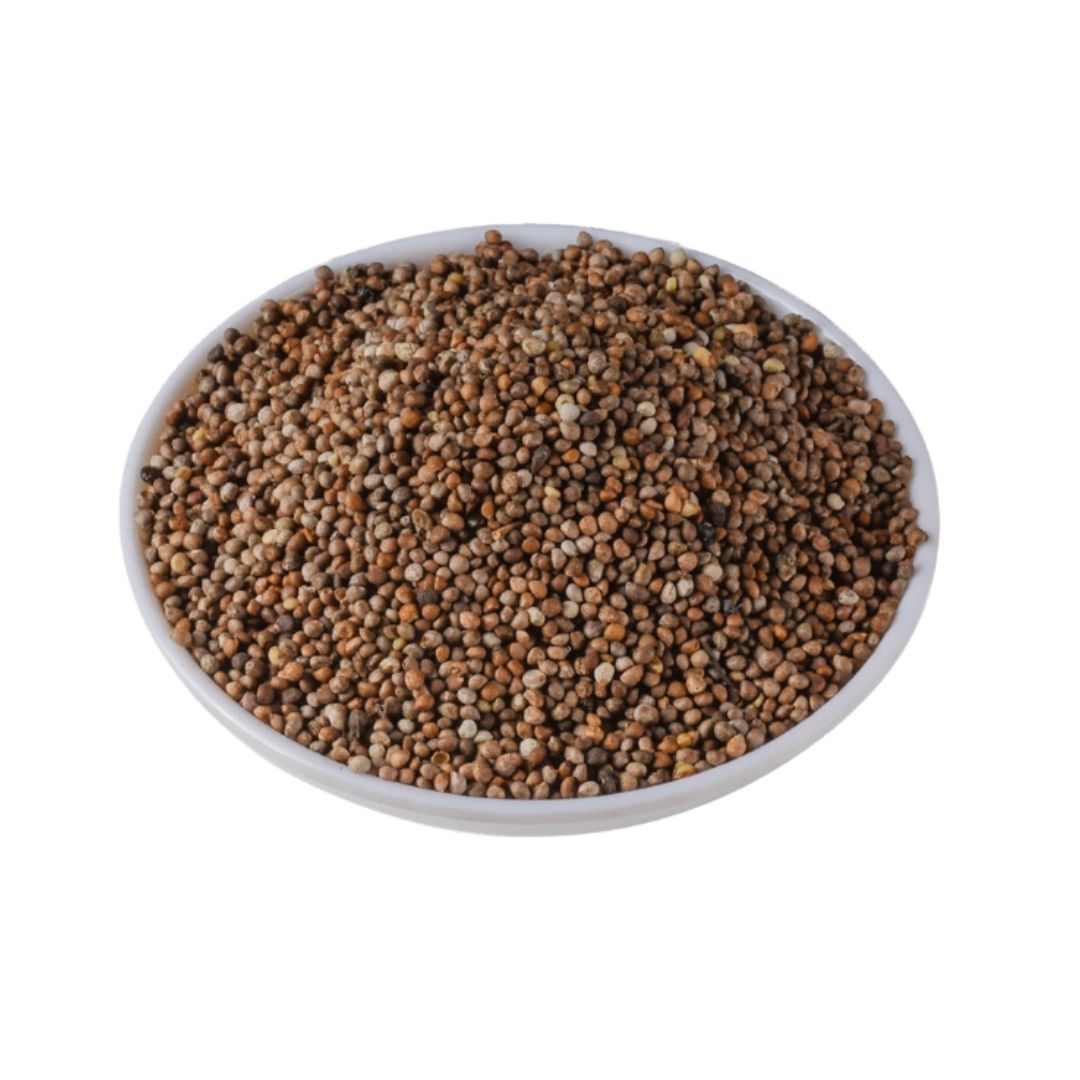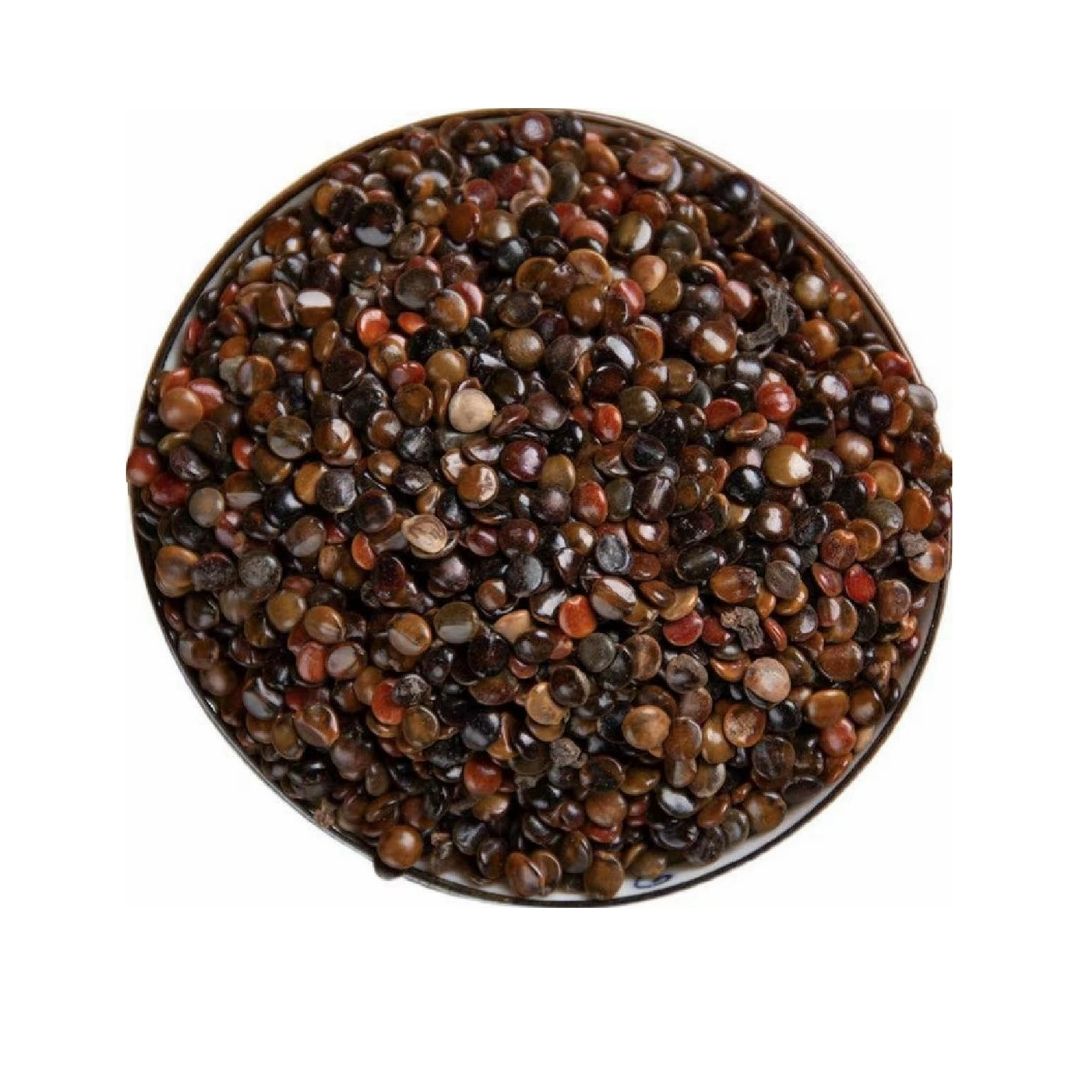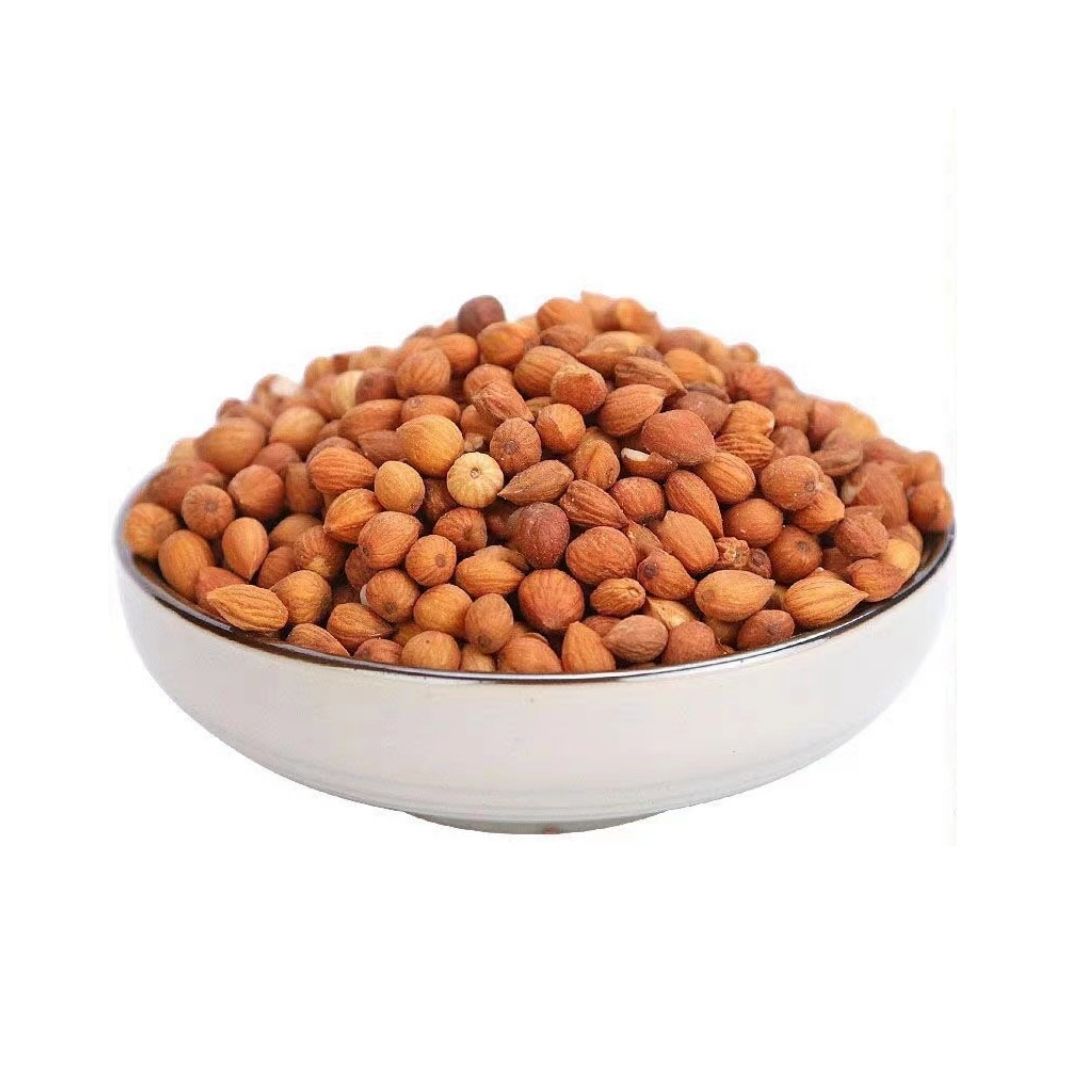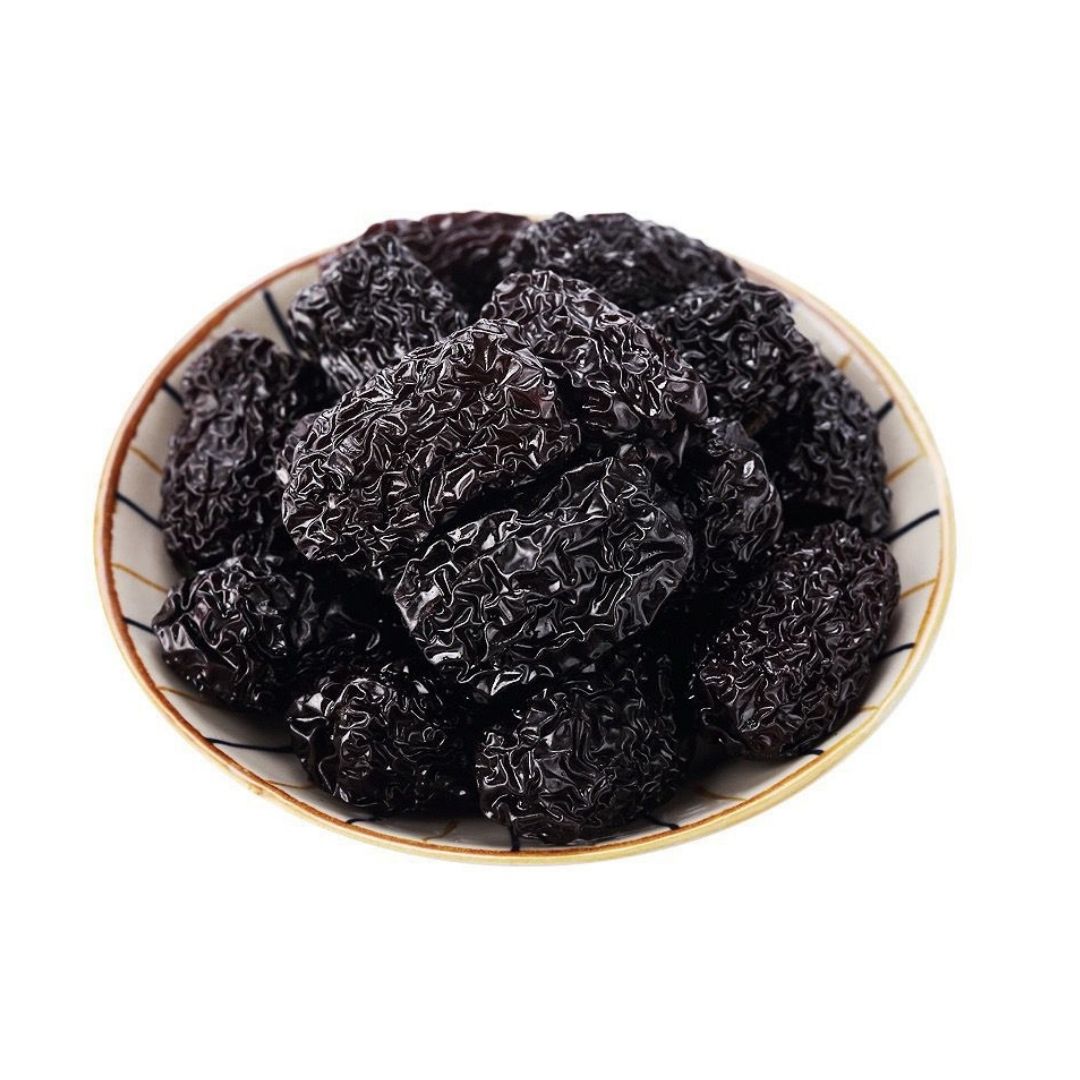


Product Introduction
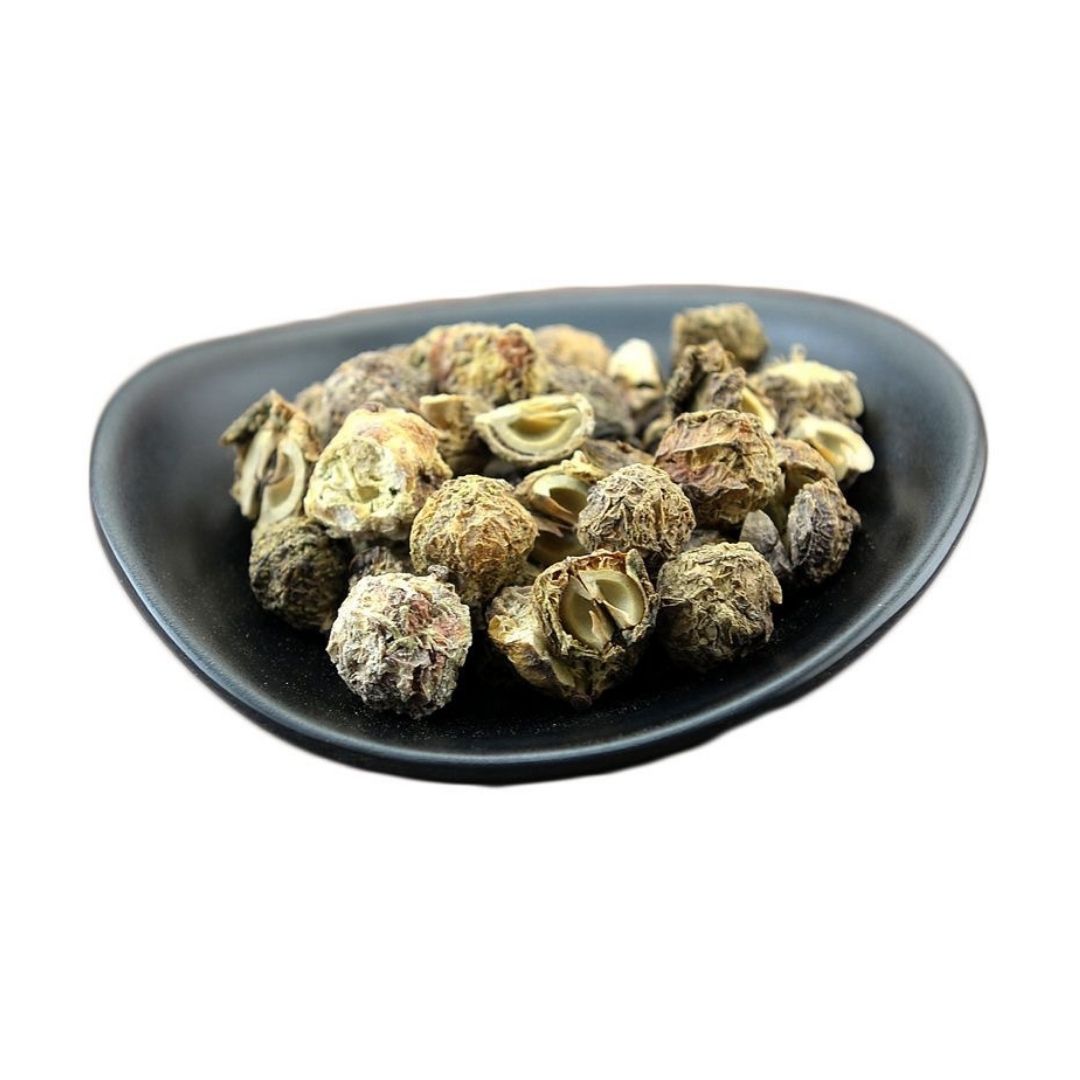
Phyllanthi, commonly known as Phyllanthus urinaria L, is an herb traditionally used in various cultures. The plant is recognized for its potential benefits and unique phytochemical composition. It is primarily found in tropical and subtropical regions. Its historical applications include managing liver conditions, addressing urinary issues, and supporting digestive health.
Main Active Ingredients
The efficacy of Phyllanthus urinaria L is attributed to its main active ingredients, which include phyllanthin and hypophyllanthin. These compounds are believed to contribute to the herb's liver-protective properties through mechanisms such as antioxidant activity. The presence of flavonoids further enhances its therapeutic potential, contributing to its anti-inflammatory and hepatoprotective actions. These constituents work synergistically. They are important for the herb's traditional uses.
Product Application Scenarios, Usage, and Dosage
Phyllanthus urinaria L is traditionally used to address liver-related ailments, supporting liver detoxification and overall function. It is also employed for managing urinary tract infections and related discomforts. Additionally, it can be used to alleviate digestive disorders. The typical dosage varies. A common traditional preparation involves decocting 15-30 grams of the dried herb in water. It is important to consult with a qualified healthcare practitioner. They can offer personalized dosage recommendations based on individual health conditions.
Introduction to the Source Plant, Distribution, and Growth Environment
Phyllanthus urinaria L is a small, annual herb belonging to the Phyllanthaceae family. It is native to tropical and subtropical regions in Asia, Africa, and the Americas. The plant thrives in moist, well-drained soils and can often be found in open fields, roadsides, and disturbed areas. Its adaptability enables it to grow in a wide range of environments. This contributes to its widespread distribution.
Harvesting, Processing, and Storage
The aerial parts of Phyllanthus urinaria L are typically harvested during the summer and autumn seasons when the plant is in full bloom. After harvesting, the plant material is thoroughly washed to remove impurities. It is then dried, either under the sun or using mechanical drying methods. Proper drying is essential to preserve the herb's active constituents and prevent mold growth. The dried herb should be stored in airtight containers. Keep it in a cool, dry place, away from direct sunlight to maintain its potency and shelf life.
Citations:
- Calixto, J. B., Santos, A. R. S., Filho, V. C., & Yunes, R. A. (1998). A review of the plants of the genus Phyllanthus: their chemistry, pharmacology, and therapeutic potential. Medicinal Research Reviews, 18(1), 45–94.
- Lee, C. D., Ott, M., Thyagarajan, S. P., Kleiner, D. E., & Hoofnagle, J. H. (2006). Phyllanthus amarus lowers hepatitis B surface antigen titre in chronic carriers. Journal of Viral Hepatitis, 13(8), 556–559.
- 梅全喜.(2016).叶下珠的化学成分及药理活性研究进展. 中草药, 47(15), 2726-2734.
Mia Wu

Hi, I’m Mia Wu! I love helping customers discover the best natural ingredients for their products. With a passion for herbs, spices, and fungi, I work to make sure you get only the finest raw materials. Let's grow together! 🌱✨