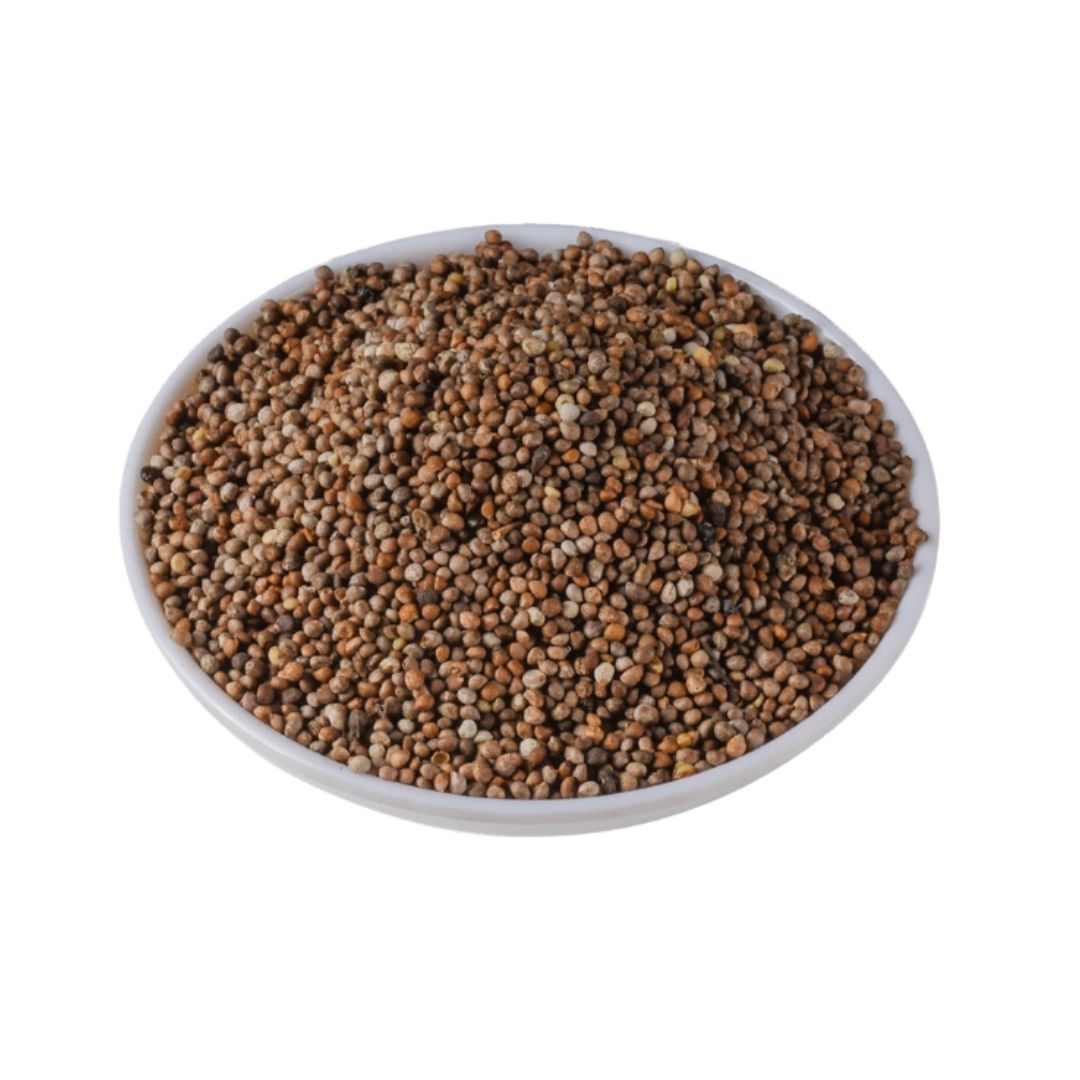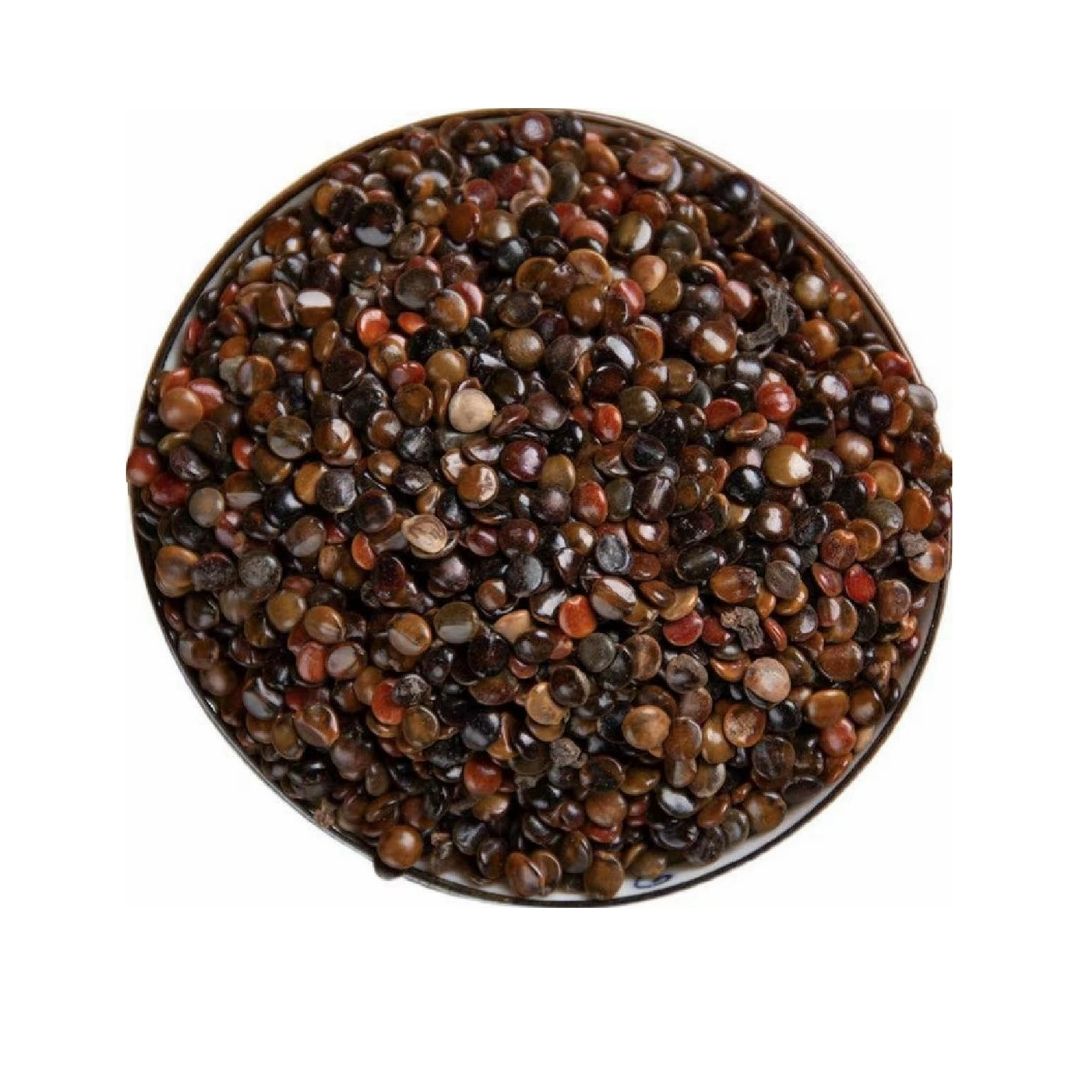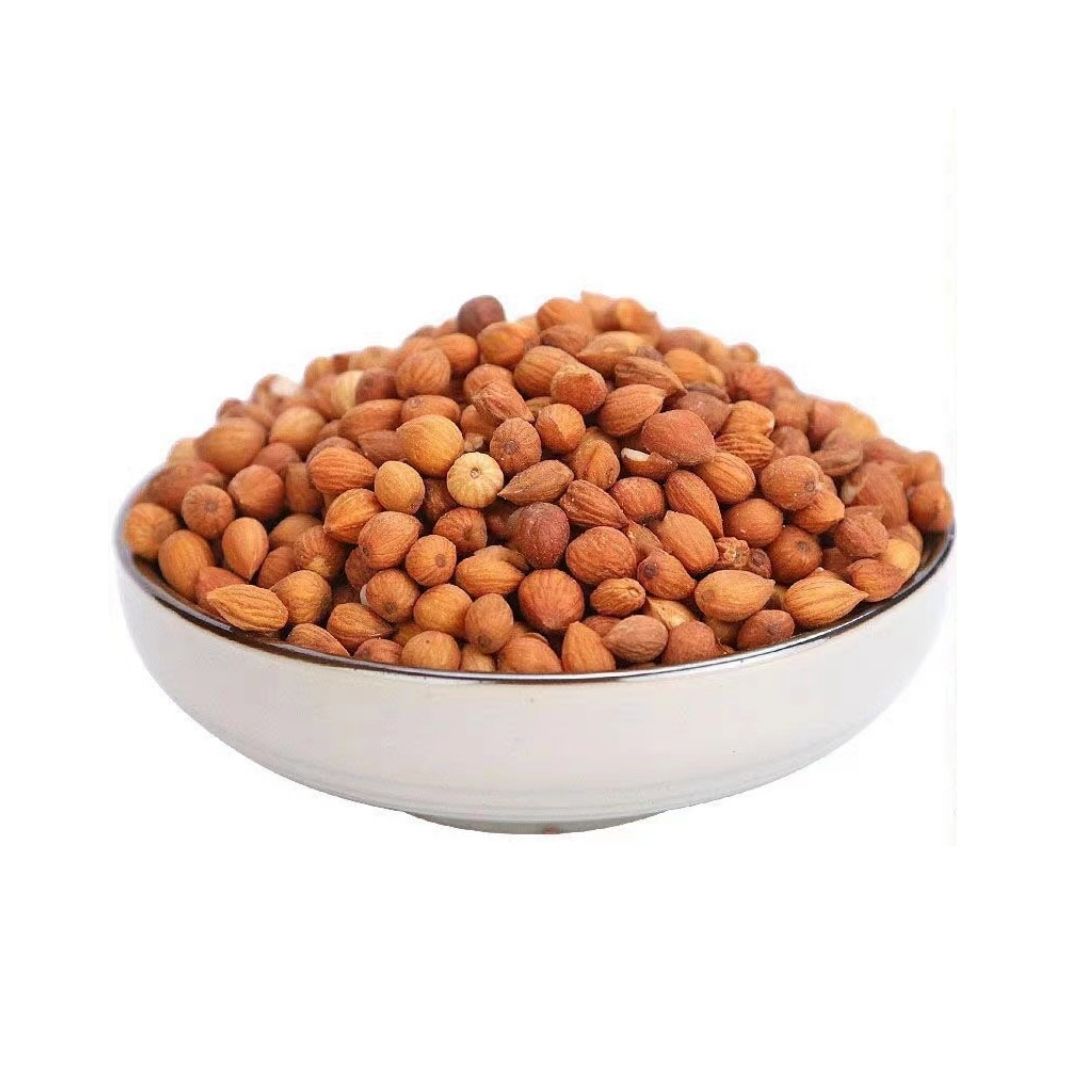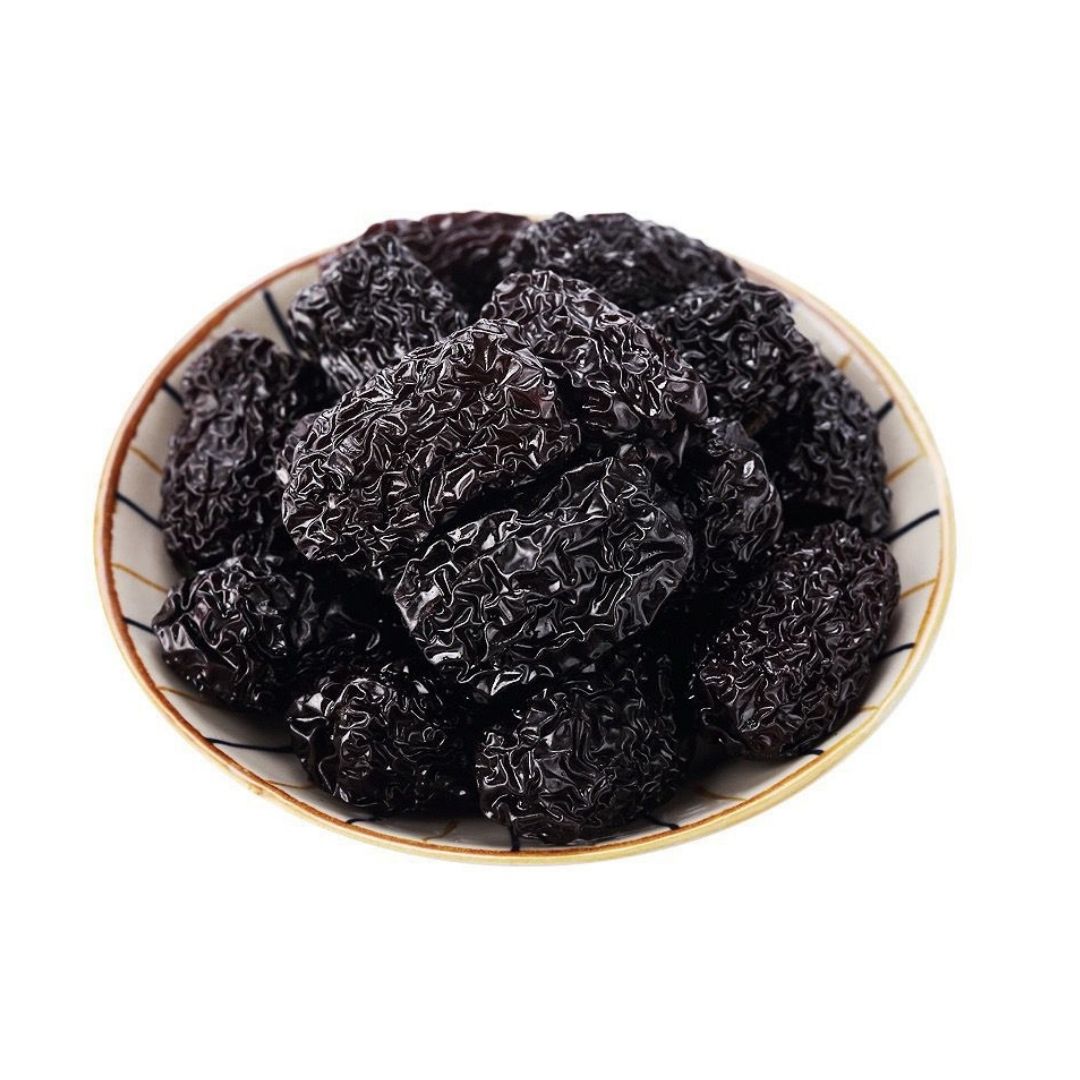


Product Introduction
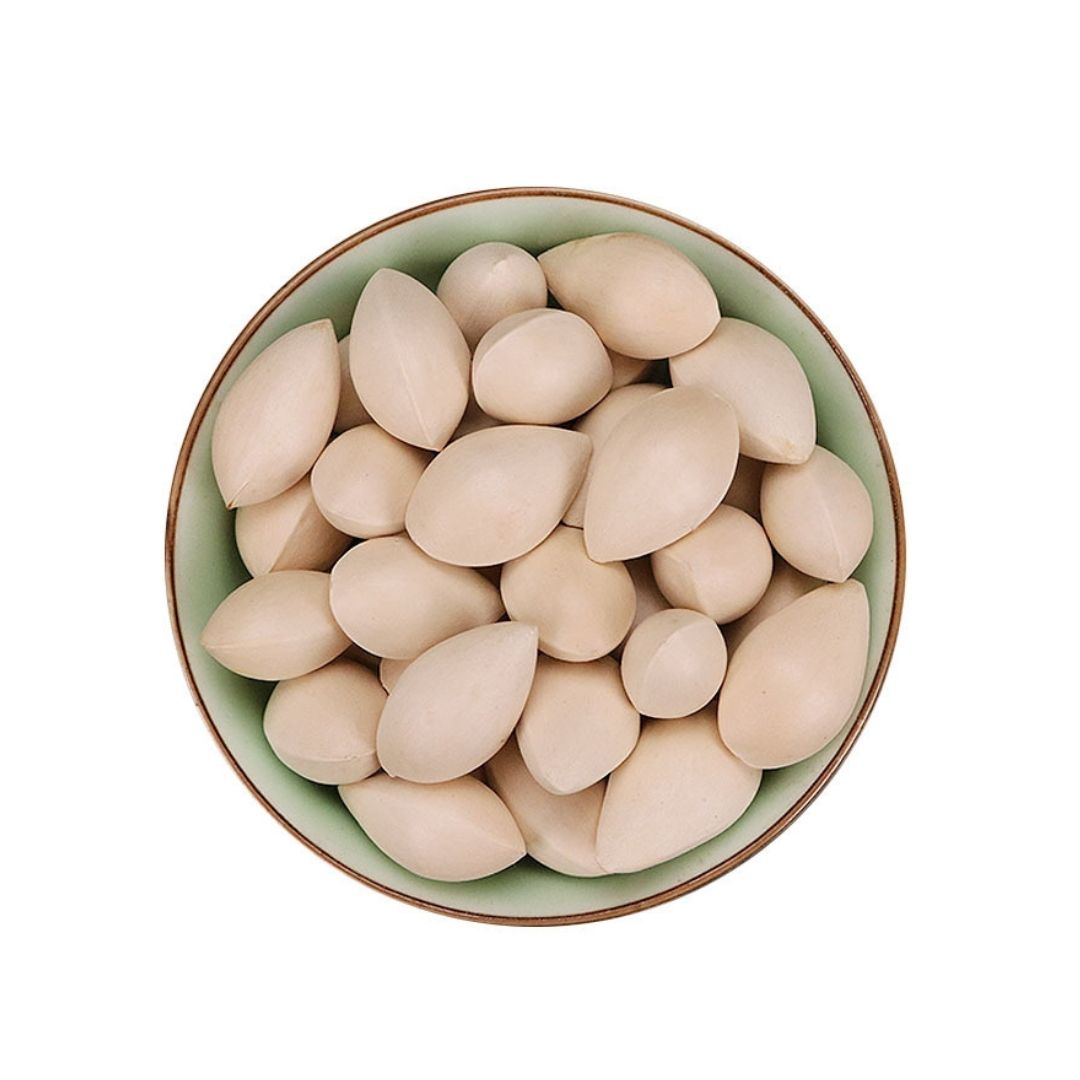
Ginkgo biloba, often simply called ginkgo, is an ancient tree species with a long history of use in traditional medicine, particularly in East Asia. The tree is highly regarded for its resilience and longevity, with individual trees living for over a thousand years. Both the leaves and seeds of the ginkgo tree have been utilized, but the leaves are more commonly used in modern herbal preparations. Preparations derived from ginkgo leaves are frequently used to support cognitive function and improve blood circulation.
Main Active Ingredients
The primary active ingredients in ginkgo biloba are flavonoids and terpenoids. Flavonoids such as quercetin and kaempferol, are antioxidants that help protect cells from damage caused by free radicals. Terpenoids, including ginkgolides and bilobalide, are unique to ginkgo and are thought to play a role in improving blood flow and protecting nerve cells. These compounds are believed to work synergistically to produce the therapeutic effects associated with ginkgo.
Product Application Scenarios, Usage, and Dosage
Ginkgo biloba is widely used to enhance cognitive function, particularly memory and focus. It's thought to improve blood flow to the brain. It's also used to alleviate symptoms of various conditions, like peripheral artery disease, which causes poor circulation in the legs. The usage of ginkgo often involves standardized extracts taken orally in capsule or tablet form. Dosage typically ranges from 120 to 240 mg per day, divided into two or three doses, however, it's best to consult with a healthcare provider to determine the appropriate dosage for individual needs, also considering that the effect of ginkgo is usually fully apparent only after weeks or months of constant use.
Introduction to the Source Plant, Distribution, and Growth Environment
The Ginkgo biloba tree is native to China, where it has been cultivated for centuries. It is also widely cultivated in other parts of the world, including Europe and North America. Ginkgo trees are highly adaptable and can grow in a variety of environments, but they thrive in well-drained soil and full sunlight. These trees are known for their resistance to pollution and pests, making them popular ornamental trees in urban areas. The ginkgo tree is a deciduous tree, characterized by its fan-shaped leaves that turn a vibrant yellow in the fall.
Harvesting, Processing, and Storage
The leaves of the Ginkgo biloba tree are typically harvested in the autumn when they turn yellow. After harvesting, the leaves are dried and processed to extract the active compounds. The extraction process often involves the use of solvents to isolate flavonoids and terpenoids. The resulting extract is then standardized to ensure a consistent concentration of these active ingredients. Proper storage of ginkgo extracts is essential to maintain their potency, therefore the product should be stored in a cool, dry place, away from direct sunlight and moisture.
Citations
- van Beek, T. A. (2002). Chemical analysis of Ginkgo biloba leaves and extracts. Journal of Chromatography A, 967(1-2), 21-55.
- Diamond, B. J., et al. (2000). Ginkgo biloba: mechanisms and clinical indications. Archives of Neurology, 57(6), 870-876.
- Mahadevan, S., & Park, Y. (2008). Multifaceted medicinal properties of Ginkgo biloba. Journal of Functional Foods, 1(1), 51-65.
- Ude, C., et al. (2013). Ginkgo biloba special extract EGb 761 in generalized anxiety disorder and adjustment disorder with anxious mood: a randomized, double-blind, placebo-controlled trial. Journal of Psychiatric Research, 47(7), 1016-1022.
Mia Wu

Hi, I’m Mia Wu! I love helping customers discover the best natural ingredients for their products. With a passion for herbs, spices, and fungi, I work to make sure you get only the finest raw materials. Let's grow together! 🌱✨