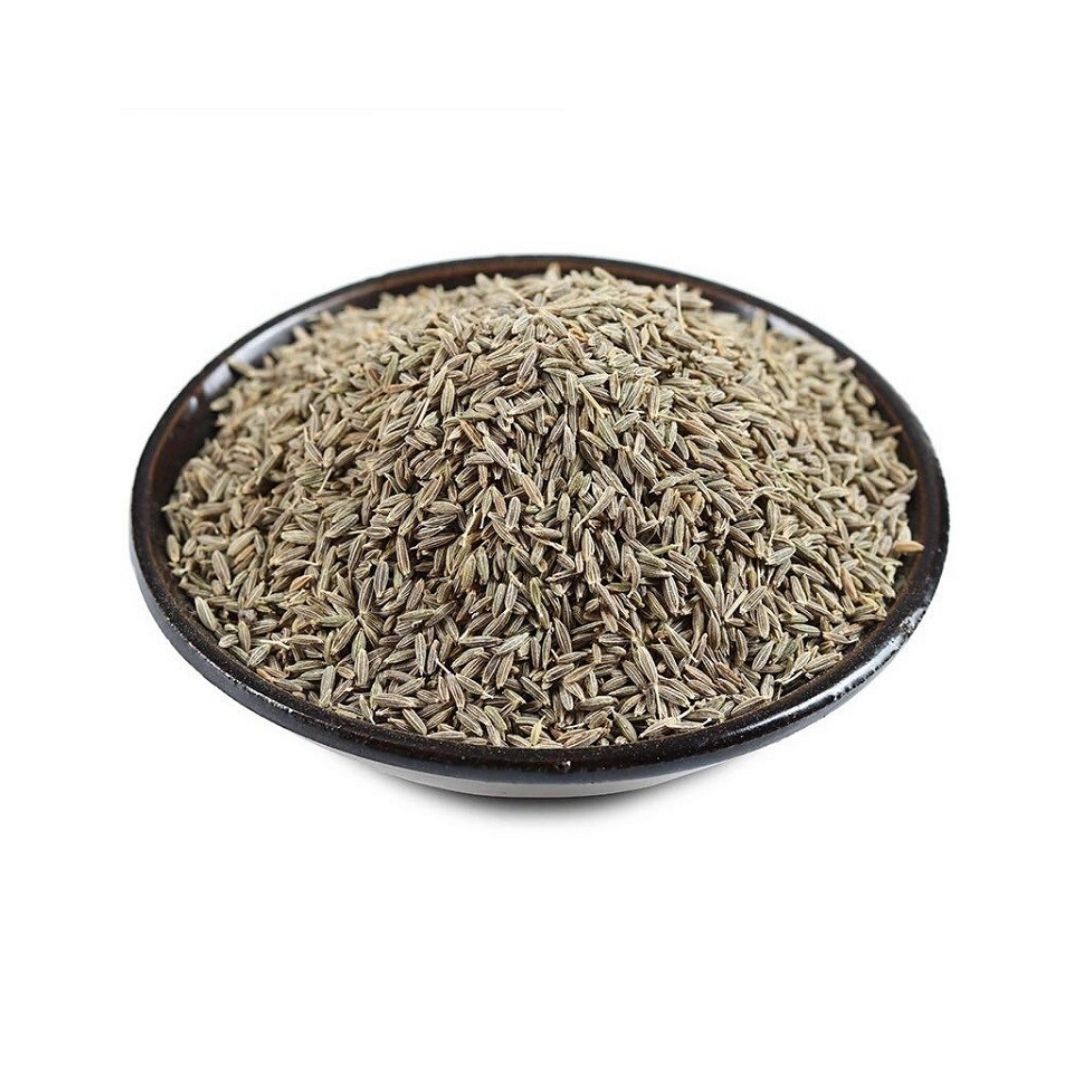


Product Introduction
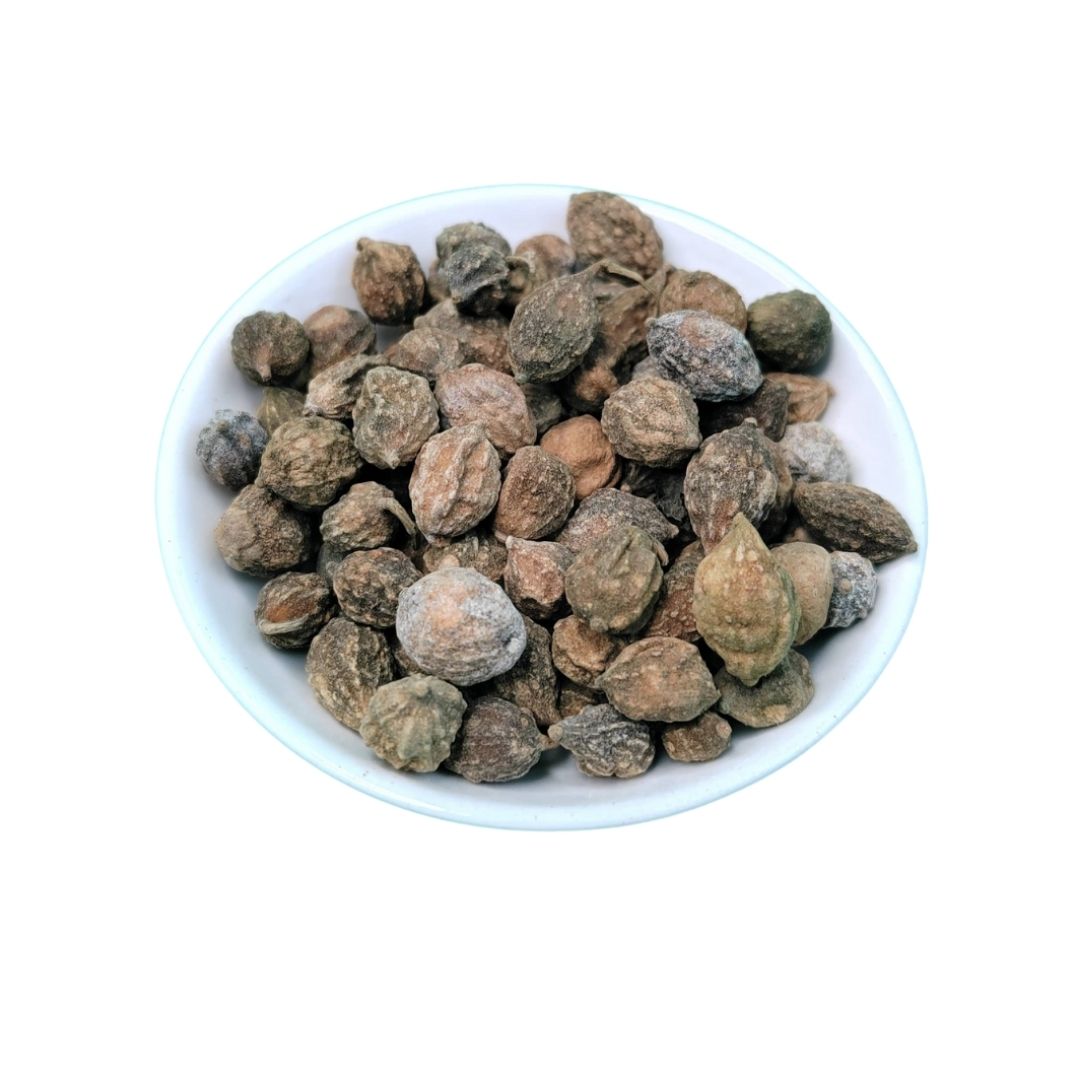
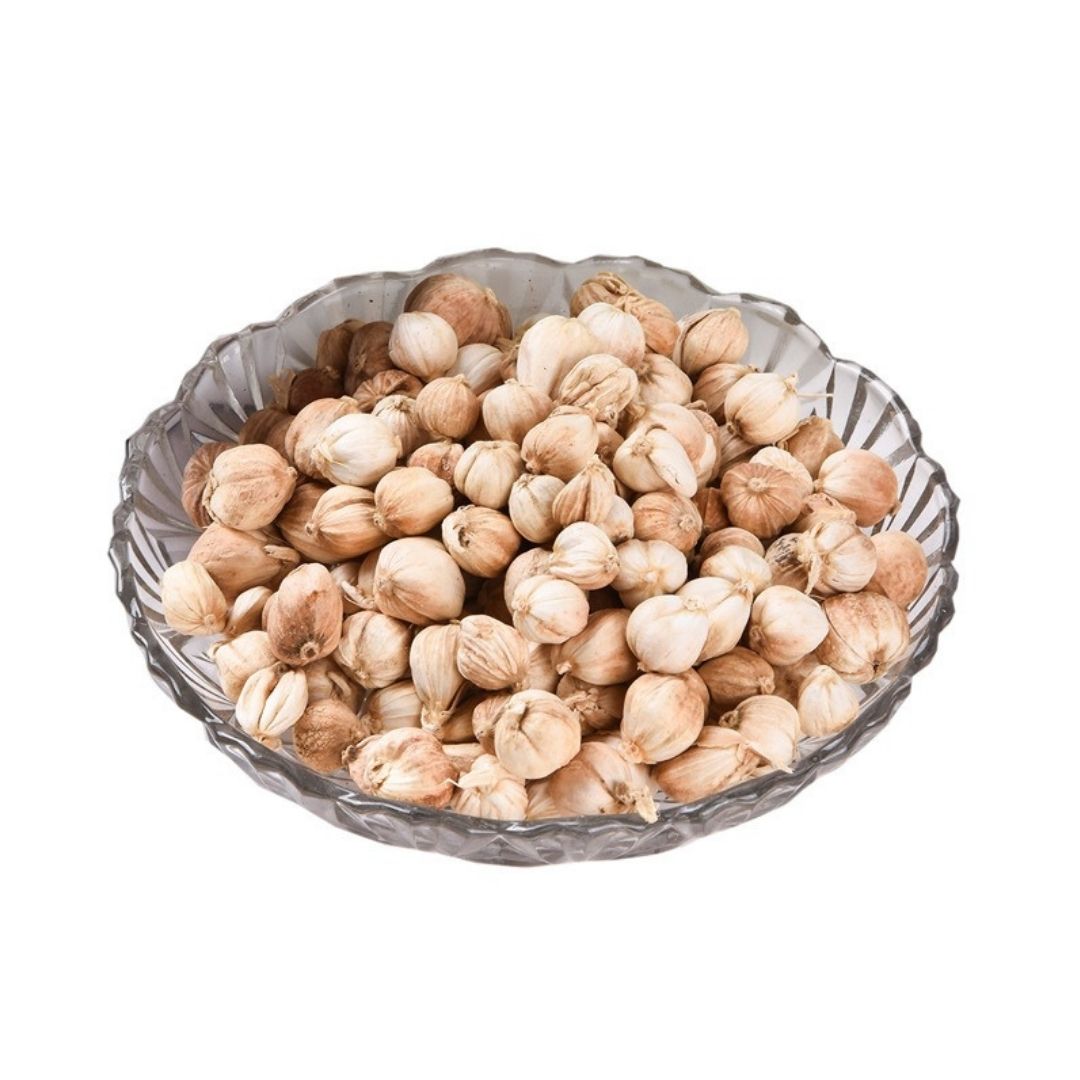
Whitefruit amomum fruit, derived from the Amomum kravanh plant, is characterized by its small, round capsules containing reddish-brown seeds. Native to Southeast Asia, this spice is valued for its aromatic and flavorful properties. The fruit is typically harvested when ripe and then dried for use as a spice.
The primary chemical components of whitefruit amomum fruit include 1,8-cineole, α-terpineol, terpinyl acetate, and β-pinene, contributing to its distinctive aroma. These compounds provide a complex flavor profile that is both spicy and slightly sweet.
In culinary applications, whitefruit amomum fruit is used to enhance the flavor of various dishes. It can be incorporated into meat dishes, soups, and stews, adding depth and warmth. Additionally, it is utilized in traditional medicine for its potential health benefits, notably its anti-inflammatory and digestive properties. The spice is also employed in the flavoring of certain beverages and confectionery products. Due to its volatile oil content, proper storage in airtight containers in a cool, dry location is crucial to maintain its quality and potency.
Aromatic Chemical Composition
The aromatic profile of whitefruit amomum fruit can be attributed to its complex chemical composition. Key compounds include:
- 1,8-cineole: This monoterpenoid is known for its fresh, camphoraceous, and eucalyptus-like aroma. 1,8-cineole contributes significantly to the overall scent of the spice and has noted medicinal properties. [^1]
- α-terpineol: A monoterpene alcohol with a pleasant, floral, and slightly woody scent. It adds a subtle sweetness to the spice's aroma. [^2]
- Terpinyl acetate: An ester with a fruity and floral aroma. It enhances the complexity of the spice's aromatic profile, rendering it more appealing. [^3]
- β-pinene: A monoterpene with a piney and woody aroma. It provides a fresh, green element to the spice. [^4]
These compounds, among others, synergistically contribute to the unique and appealing aromatic character of whitefruit amomum fruit.
What Types of Products Are Available?
Whitefruit amomum fruit is available in several forms to suit different applications:
- Whole Fruit: The entire dried fruit capsule, containing the seeds, which can be used to infuse flavor into dishes.
- Seeds: The individual seeds, separated from the capsule, which can be ground or used whole for a more concentrated flavor.
- Ground Spice: The ground seeds, providing a convenient form for incorporating the spice into recipes.
- Essential Oil: Extracted from the fruit, the essential oil is used for flavoring and aromatherapy purposes.
- Extracts: Concentrated liquid extracts that provide a convenient way to add the spice's flavor to beverages and culinary products.
Application Scenarios and Usage Dosage
Whitefruit amomum fruit is used across various culinary applications, imparting a distinctive flavor to diverse dishes. Its application methods and dosage are critical to achieving the desired taste without overpowering the dish.
In meat dishes, whitefruit amomum fruit complements the savory flavors by contributing warmth and depth. For stews and braised meats, adding 1-2 whole fruits per kilogram of meat during the cooking process can infuse a subtle aromatic note. The fruit can also be ground and incorporated into spice rubs for grilled or roasted meats, typically used at a rate of 0.5-1 gram per kilogram of meat. [^5]
In soups and broths, this spice enhances the overall complexity, providing a soothing warmth. Adding a whole fruit or a pinch of ground spice (approximately 0.2-0.5 grams per liter) during the simmering process can significantly improve the flavor profile. It pairs well with chicken, beef, and vegetable-based soups, adding a layer of aromatic depth. [^6]
Additionally, whitefruit amomum fruit is employed in bakery and confectionery items. In spice cakes or cookies, adding 0.1-0.3 grams of ground spice per 100 grams of dry ingredients can introduce a subtle, exotic flavor. It complements other spices like cinnamon, cloves, and nutmeg. In beverages, such as teas and spiced wines, infusing a small piece of the fruit or a pinch of ground spice (around 0.1-0.2 grams per serving) can provide a unique aromatic experience. [^7]
The dosage of whitefruit amomum fruit should be carefully managed to avoid overpowering the dish. Starting with small quantities and adjusting to taste is recommended. Its potent flavor profile makes it a versatile spice for both savory and sweet applications, provided it is used judiciously. [^8]
Introduction to the Source Plant, Distribution, and Growing Environment
Amomum kravanh, the source plant of whitefruit amomum fruit, is a perennial herb belonging to the ginger family (Zingiberaceae). This plant typically grows to a height of 1.5 to 3 meters. The leaves are lance-shaped and the plant produces rhizomes that spread horizontally beneath the soil surface. [^9]
The plant is native to Southeast Asia, particularly found in Cambodia, Thailand, and Vietnam. Its natural habitat includes tropical rainforests with high humidity and consistent rainfall. Amomum kravanh thrives in shady environments, often growing under the canopy of larger trees, which provide protection from direct sunlight. [^10]
The ideal growing conditions for Amomum kravanh involve well-drained, fertile soils rich in organic matter. The plant prefers slightly acidic soil pH levels. Temperatures typically range from 20°C to 30°C, with annual rainfall averaging between 2,000 to 3,000 mm. These specific environmental requirements limit the plant's cultivation to regions with similar climates. [^11]
Harvesting, Processing, and Storage Preservation
The harvesting of whitefruit amomum fruit typically occurs when the fruit capsules turn from green to yellowish-brown, indicating maturity. This usually happens between August and October. Harvesting is done manually to ensure the fruits are carefully collected without damaging the plant. [^12]
After harvesting, the fruit undergoes processing to prepare it for use as a spice. The fruits are first cleaned to remove any debris or foreign materials. They are then dried, traditionally under the sun, for several days until the moisture content is reduced to a safe level, typically around 10-12%. Modern drying methods may involve using dehydrators to control temperature and humidity, thereby preserving the fruit’s volatile oils and flavor compounds more effectively. [^13]
Proper storage is crucial for maintaining the quality and extending the shelf life of whitefruit amomum fruit. The dried fruits or seeds should be stored in airtight containers to protect them from moisture, light, and air. Storage in a cool, dry place, away from direct sunlight and heat, is essential to prevent the degradation of the spice's aromatic compounds. Under these conditions, whitefruit amomum fruit can retain its quality for up to two years. [^14]
Citations
[^1]: 1,8-cineole studies
[^2]: \u03B1-terpineol studies
[^3]: Terpinyl acetate studies
[^4]: \u03B2-pinene studies
[^5]: Meat dishes and spices
[^6]: Soups spices pairings
[^7]: Confectionery spices pairings
[^8]: Spice usage
[^9]: Amomum kravanh plant
[^10]: Amomum kravanh in southeast asia
[^11]: Amomum kravanh climate
[^12]: Spice Harvesting
[^13]: Spice Processing
[^14]: Spice Storing
Mia Wu

Hi, I’m Mia Wu! I love helping customers discover the best natural ingredients for their products. With a passion for herbs, spices, and fungi, I work to make sure you get only the finest raw materials. Let's grow together! 🌱✨