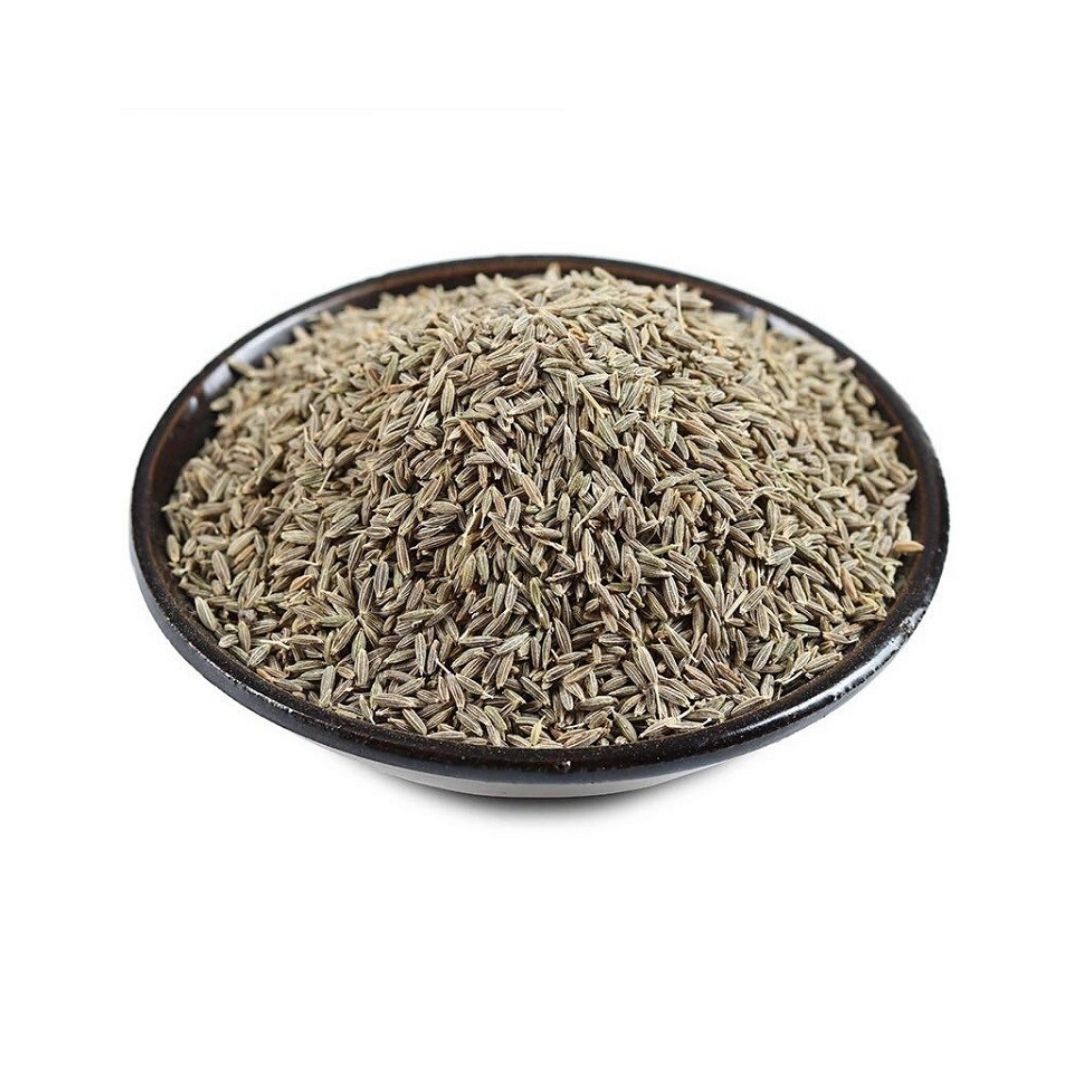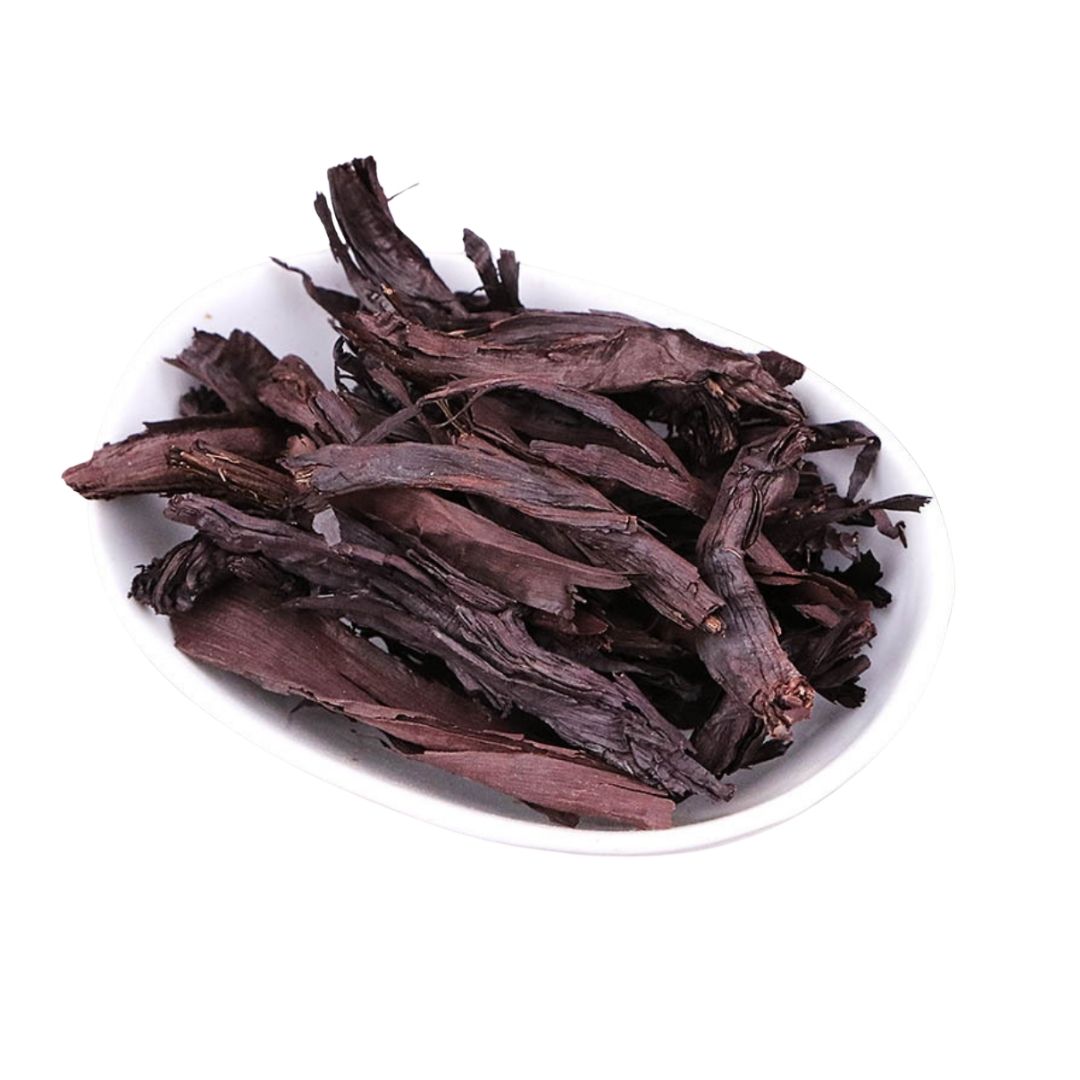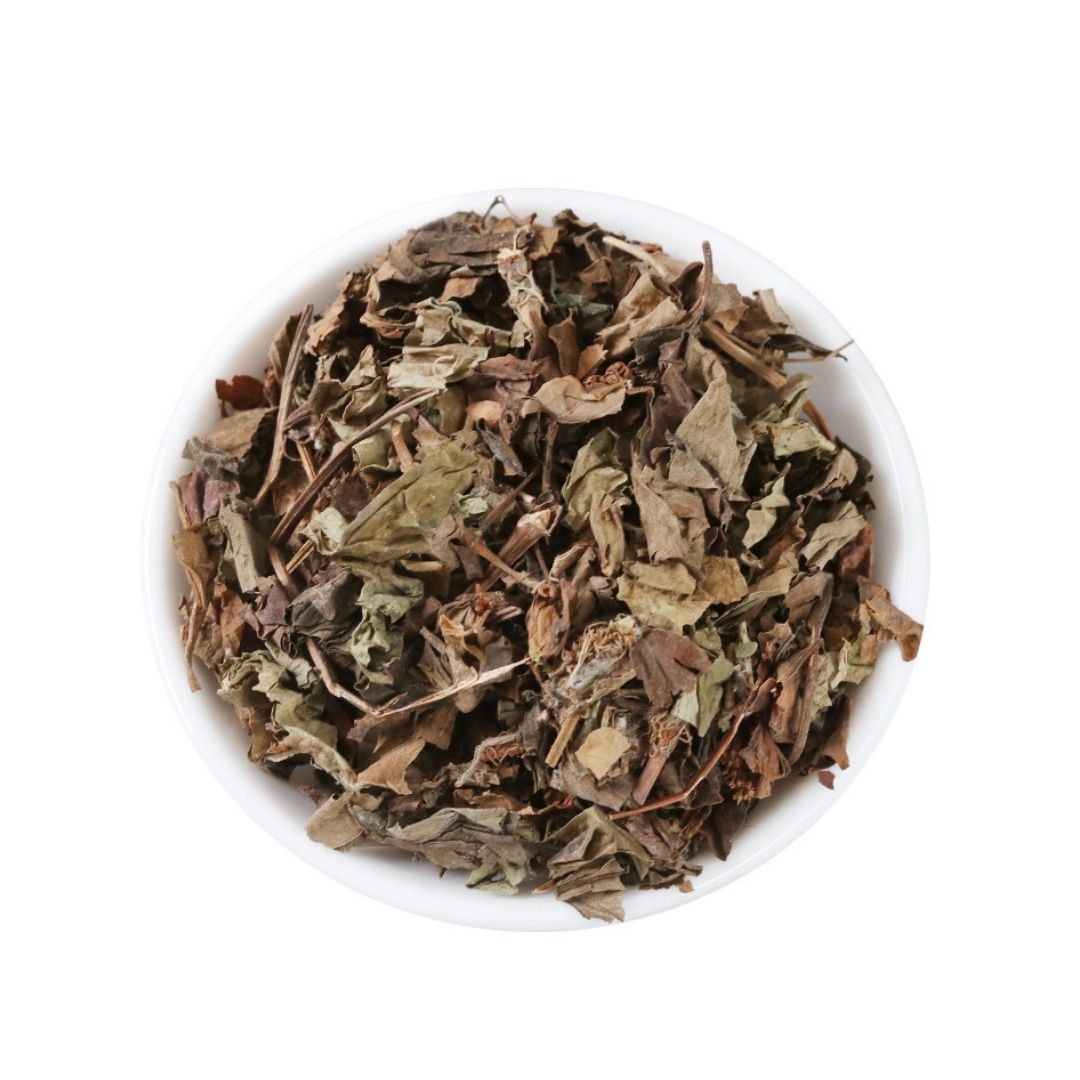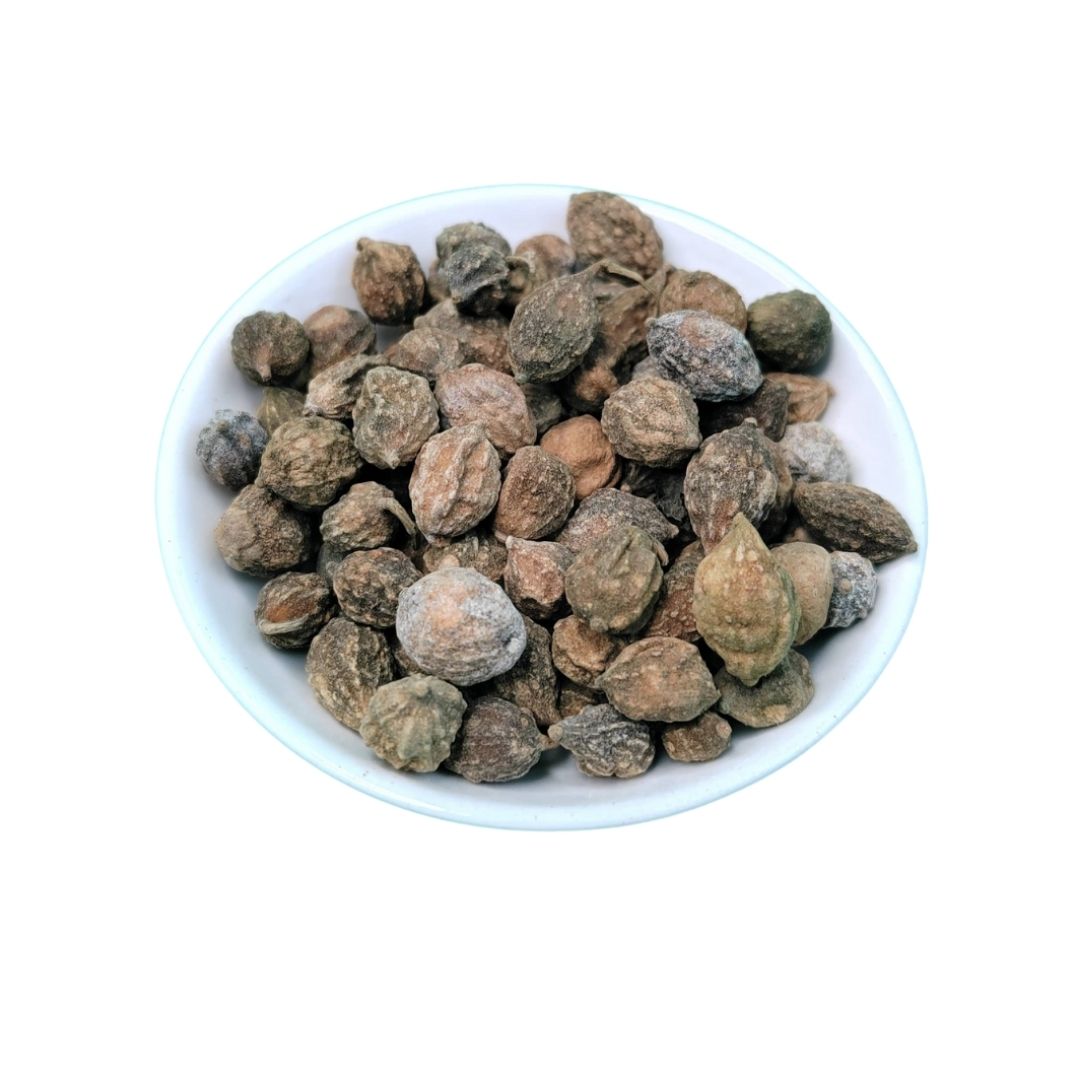


Product Introduction
Perilla frutescens, commonly known as perilla, is an herb belonging to the mint family, Lamiaceae. Native to Southeast Asia and India, perilla has been naturalized in various regions worldwide. The plant, celebrated for its distinctive aromatic profile and versatile applications, features leaves ranging in color from green to purple. The leaves and seeds of the perilla plant are utilized as both a culinary ingredient and a source of traditional medicine.
The Perilla frutescens plant has significance in East Asian cuisines, particularly in Korean and Japanese dishes. The leaves, often compared to a combination of mint and basil, contribute a unique flavor to many recipes. Perilla's flavor profile is attributed to the presence of various volatile compounds, notably perillaldehyde, giving it a distinct character among culinary herbs.
Beyond its culinary uses, perilla has applications in traditional medicine. Perilla frutescens is used in traditional medicine practices primarily in East Asia, including China, Japan, and Korea. Different parts of the plant, such as the leaves, stems, and seeds, have been used for various medicinal purposes. The herb is used to address respiratory issues, such as coughs and asthma, due to its anti-inflammatory and bronchodilatory effects. It is also employed to alleviate symptoms of allergies, such as hay fever and skin rashes. Furthermore, it has been used to relieve digestive problems, including bloating and indigestion.
Aromatic Chemical Composition
The characteristic aroma of Perilla frutescens arises from its complex chemical composition. Perillaldehyde, a monoterpene, is a primary component, contributing to the herb's distinct, strong scent. Limonene is another significant compound, adding a citrusy note to the overall aroma. Furthermore, perilla contains other volatile compounds, such as β-caryophyllene, which contributes to its complex scent profile. These compounds interact to produce the unique and appealing aroma that defines perilla.
What Types of Products Are Available?
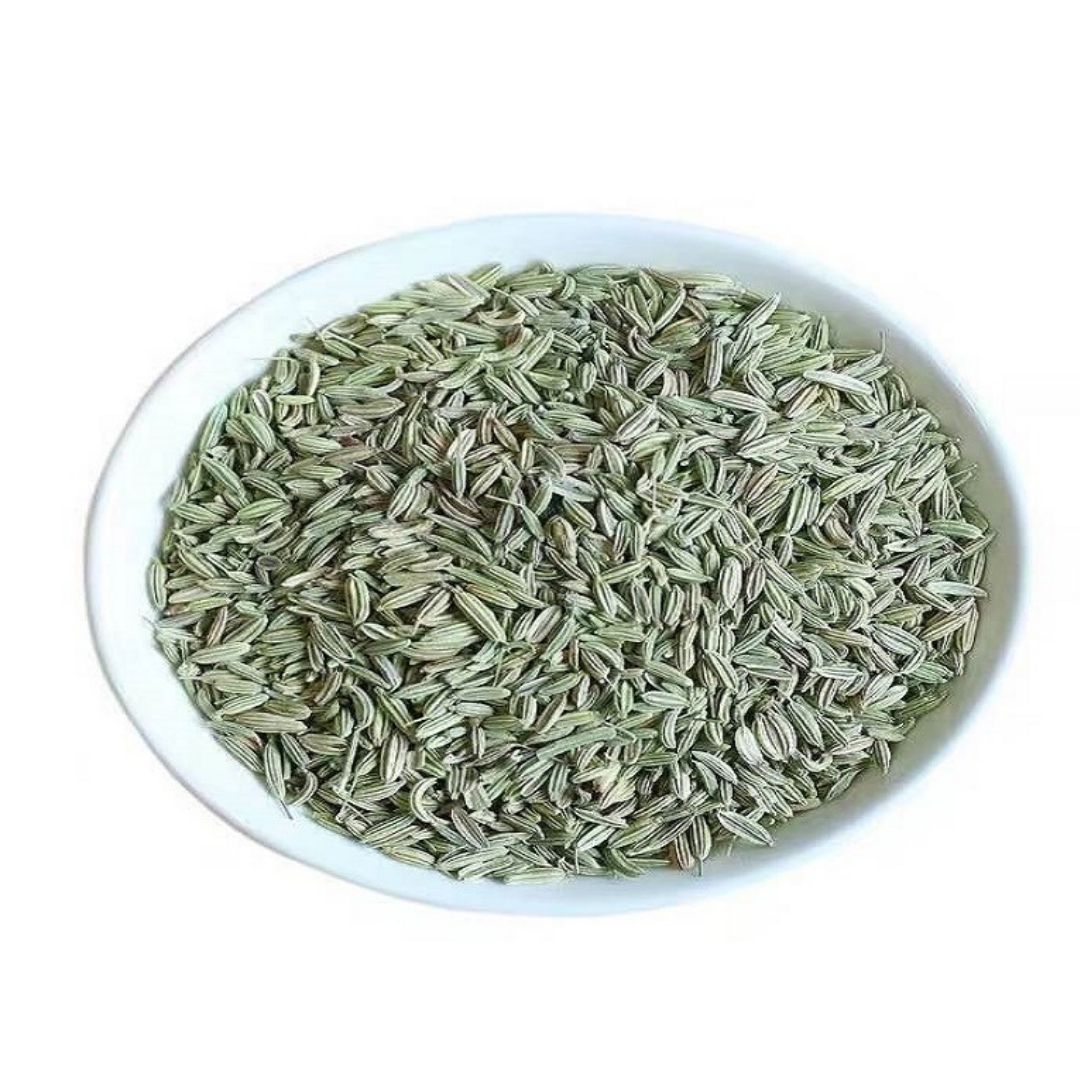
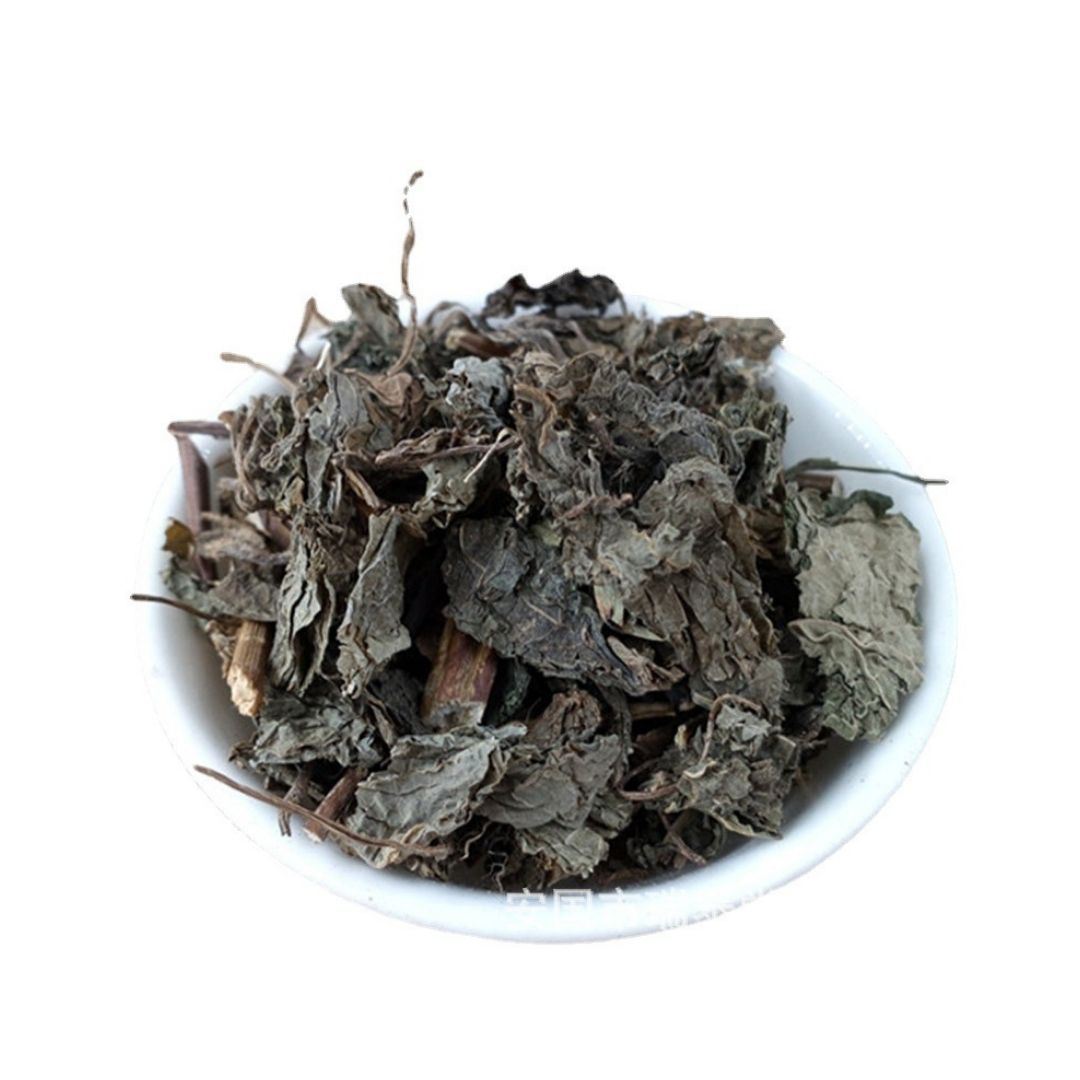
Perilla frutescens is available in various forms to accommodate diverse applications. Fresh perilla leaves are commonly sold in Asian markets, providing an immediate source of flavor and aroma for culinary creations. Dried perilla leaves provide a more shelf-stable option, allowing the herb to be used throughout the year. Perilla seeds are also available, often used as a spice or pressed to extract perilla oil. Perilla oil, with its unique flavor profile and potential health benefits, is employed as a culinary ingredient and dietary supplement. These various forms ensure that perilla can be used in a wide range of culinary and other applications.
Application Scenarios and Usage Dosage
In culinary contexts, Perilla frutescens finds extensive use for its distinct flavor and aromatic qualities. In Korean cuisine, perilla leaves are used in dishes like ssam, where fresh leaves serve as wraps for grilled meats and other fillings. The leaves add a layer of fresh, minty flavor that enriches the overall taste. Perilla is also a key ingredient in kimchi, where it contributes to the fermentation process and flavor development. The leaves are often julienned and mixed into the kimchi paste, adding complexity to the dish.
In Japanese cuisine, perilla, known as shiso, is used in various ways. Green shiso leaves often accompany sushi and sashimi, serving as a palate cleanser and adding a refreshing note. The leaves can be thinly sliced and used as a garnish for salads, soups, and noodle dishes, offering both visual appeal and a burst of flavor. Red shiso leaves are frequently pickled to create umeboshi (pickled plums) and other preserved items, with their vibrant color and unique taste enhancing these products.
When using fresh perilla leaves, a general guideline is to use 1-2 leaves per serving in dishes like ssam or as wraps. For dishes where the leaves are julienned or chopped, such as salads or noodles, start with about 1-2 tablespoons of chopped leaves per serving and adjust to taste. Dried perilla leaves, being more concentrated, require less quantity; approximately 1 teaspoon of dried leaves can replace 1 tablespoon of fresh leaves. Perilla oil can be used as a finishing oil, drizzled over dishes just before serving, with a typical dosage being 1-2 teaspoons per serving.
In medicinal applications, the dosage varies depending on the specific use and form of perilla. For respiratory issues, a common traditional remedy involves steeping 3-9 grams of dried perilla leaves in hot water to make a tea, consumed 2-3 times daily. Perilla seed oil capsules are sometimes used as a dietary supplement, with dosages ranging from 1-3 grams per day. However, it is essential to consult a healthcare professional or herbalist before using perilla for medicinal purposes, to ensure proper dosage and safety.
Introduction to the Source Plant, Distribution, and Growing Environment
Perilla frutescens is an annual herb that belongs to the Lamiaceae family, commonly known as the mint family. The plant typically grows to a height of 0.5 to 1 meter, featuring square stems and broad, ovate leaves that are characteristically aromatic. The leaves can vary in color, ranging from green to reddish-purple, depending on the variety and growing conditions. Small, white or purple flowers bloom in late summer, followed by the production of seeds.
Native to Southeast Asia and India, Perilla frutescens has spread to various regions around the world, including North America, Europe, and other parts of Asia. It often grows in disturbed areas, such as fields, gardens, and along roadsides. The plant prefers well-drained soil and a sunny location, but it can also tolerate partial shade. Perilla is relatively adaptable and can thrive in various soil types, but it grows best in fertile, loamy soil with a slightly acidic to neutral pH.
Perilla frutescens is cultivated as a crop in several countries, particularly in East Asia. In Korea, Japan, and China, it is grown for its leaves, seeds, and oil. The plant is propagated from seeds, which are typically sown in the spring. Regular watering and occasional fertilization can promote healthy growth and abundant leaf production. Perilla is relatively resistant to pests and diseases, making it a manageable crop for both home gardeners and commercial farmers.
Harvesting, Processing, and Storage Preservation
Harvesting Perilla frutescens typically involves the collection of leaves and seeds, each requiring different methods to ensure optimal quality and yield. The leaves are generally harvested when the plant is lush and the leaves are at their peak flavor, usually before the plant begins to flower. Harvesting is done manually, carefully picking the leaves to avoid damaging the plant, which allows for continued growth and multiple harvests throughout the growing season.
After harvesting, the leaves are processed depending on their intended use. For fresh culinary applications, the leaves are washed gently and used immediately. For drying, the leaves are spread in a thin layer on screens or trays and air-dried in a cool, dark, and well-ventilated area. Drying can also be done using dehydrators set to low temperatures to preserve the essential oils and flavor compounds. Once the leaves are completely dry, they are stored in airtight containers away from light and moisture.
Perilla seeds are harvested when they are mature and dry on the plant, typically in late summer or early autumn. The seed heads are cut and allowed to dry further in a well-ventilated area. Once fully dried, the seeds are threshed to separate them from the plant material. They are then cleaned to remove any remaining debris. Perilla seeds are stored in airtight containers in a cool, dry, and dark place to prevent rancidity of the oils.
For perilla oil production, the seeds undergo a pressing process. Cold-pressing is often preferred to retain the oil’s flavor and nutritional properties. The oil is then filtered and stored in dark glass bottles to protect it from light and oxidation. Proper storage of perilla oil involves keeping it refrigerated to extend its shelf life and maintain its quality.
Citations
- Lee, J., & Oh, S. (2015). Chemical composition and antioxidant activity of Korean perilla seed oil. Journal of Food Science, 80(5), C1045-C1051.
- Ono, H. K., & Yoshikawa, M. (2005). Chemical constituents of perilla frutescens and their pharmacological effects. Journal of Natural Medicines, 59(1), 1-13.
- roles, J. (2020). Perilla: The versatile herb. Herbal Academy.
- ltd, P. (n.d.). Perilla Seed. Herbs Village.
Mia Wu

Hi, I’m Mia Wu! I love helping customers discover the best natural ingredients for their products. With a passion for herbs, spices, and fungi, I work to make sure you get only the finest raw materials. Let's grow together! 🌱✨