

Product Introduction
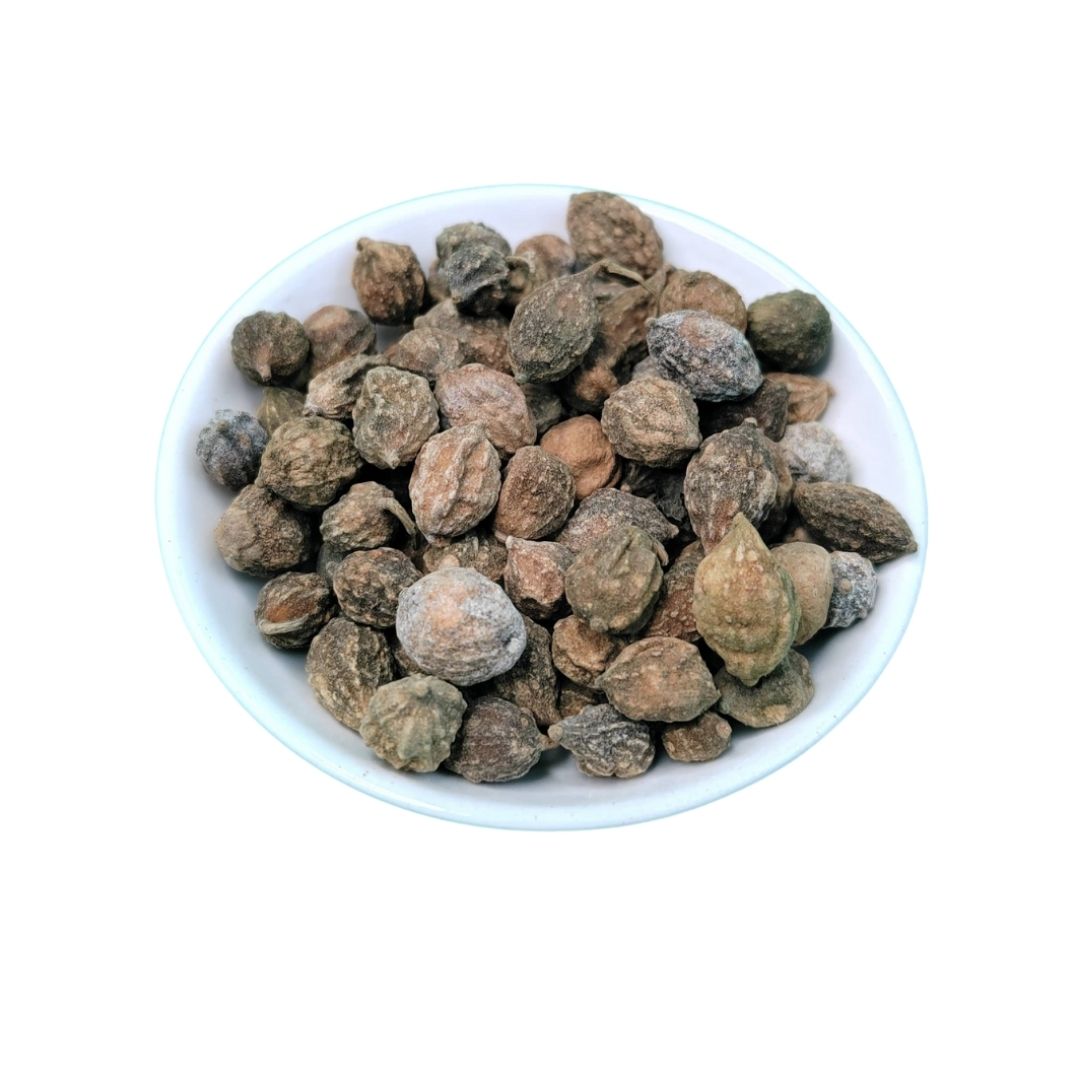
Bitter cardamom, scientifically known as Amomum subulatum, is a spice derived from the dried fruit pods of a plant belonging to the ginger family, Zingiberaceae. Native to the Eastern Himalayas, particularly Nepal, India, and Bhutan, this spice is distinctly characterized by its large, dark brown to black pods that distinguish it from its more common relative, green cardamom (Elettaria cardamomum). It is also called Black Cardamom.
The unique flavor profile of bitter cardamom is attributed to its chemical composition, which includes compounds such as 1,8-cineole, alpha-terpineol, and limonene. These compounds contribute to its strong smoky and camphoraceous aroma, along with a pungent, slightly bitter taste, setting it apart from the sweeter, more floral notes of green cardamom.
In culinary applications, bitter cardamom is widely used in savory dishes. It is a key ingredient in many Indian stews, curries, and spice blends, where it imparts a depth of flavor that complements other spices. It is often used whole or slightly crushed to release its essential oils during cooking, as it is not typically consumed directly. Beyond its culinary uses, bitter cardamom has a history of use in traditional medicine, where it is valued for its potential digestive and carminative properties. Proper storage in cool, dry, and dark conditions, within airtight containers, is crucial to maintain its quality and prevent the loss of its volatile aromatic compounds.
Aromatic Chemical Composition
The aromatic profile of bitter cardamom is primarily due to its volatile oil content, which constitutes about 1-3% of the pod's weight. The main components include:
- 1,8-cineole (Eucalyptol): Provides a camphoraceous and slightly cooling note, contributes to the overall medicinal aroma,.
- Alpha-terpineol: Offers a woody and pine-like scent, contributing to the spice's complex fragrance profile.
- Limonene: Imparts a citrusy and fresh aroma, adding brightness to the spice's deeper notes.
- Beta-pinene: Contributes a resinous and green aroma,.
- Humulene: This compound adds an earthy and woody undertone which provides depth to the overall aroma profile.
The synergy between these aromatic compounds defines the distinct and complex scent of bitter cardamom.
What Types of Products Are Available?
Bitter Cardamom can be found in several forms:
- Whole Pods: This is the most common form, where the entire dried fruit pod is sold intact. The pods can vary in size and color intensity, and this form is often preferred because flavor is retained longer.
- Crushed Pods: Some suppliers offer crushed pods, which release their aroma more readily. This form is convenient for applications where quick flavor infusion is desired.
- Ground Bitter Cardamom: Ground cardamom is available, suitable for direct addition to recipes, though it tends to lose its flavor more quickly compared to whole pods.
- Cardamom Oil and Extract: Essential oils and extracts capture the concentrated flavor and aroma of bitter cardamom, used in both culinary and fragrance applications.
Application Scenarios and Usage Dosage
Bitter cardamom is a versatile spice with a range of culinary and traditional uses. The spice, known for its smoky, and slightly bitter flavor, and strong aroma, is commonly used in savory dishes, particularly in cuisines, like, Indian, Nepali, and Bhutanese.
Culinary Applications:
- Curries and Stews: Bitter cardamom is a staple in many Indian curries and stews. Typically, several pods are added to the dish during the cooking process to infuse the flavors. The pods can be lightly crushed to release their essential oils and aroma. For a medium-sized pot of curry (approximately 6 servings), 4–6 pods are usually sufficient.
- Spice Blends: It is a key component in complex spice blends like Garam Masala. The pods are typically dry-roasted and then ground with other spices, such as cumin, coriander, cinnamon, and cloves. The proportion of bitter cardamom in these blends can vary, but it generally makes up about 10–15% of the total mixture, as it often enhances the earthy and warm notes of the blend.
- Rice Dishes: In dishes like biryani and pulao, bitter cardamom is added whole to the rice while it cooks. This imbues the rice with a subtle smoky flavor and aroma. For a standard rice dish (serving 4–6 people), 3–4 pods are generally used. They are often removed before serving, or diners can eat around them.
- Smoked Meats: Bitter cardamom is sometimes used in smoking meats to add another layer of flavoring. The pods can be added to the smoker along with wood chips to infuse a distinctive flavor into the meat. The amount used depends on the quantity of meat and personal preference; however, using 5–10 pods per smoking session is common.
- Soups: Bitter cardamom is sometimes deployed in soups, especially hearty, meat-based soups. The pods typically simmer, releasing their flavors into the broth. Usually, 2–3 pods are enough for an average-sized pot of soup, ensuring the flavor is balanced and not overpowering.
- Tea and Beverages: In some regions, bitter cardamom can be added to tea, especially chai, for a robust and spicy twist. The pods are steeped along with tea leaves and other spices, such as ginger and cloves. A single pod, lightly crushed, is generally sufficient for a pot of tea.
Usage Methods:
- Whole Pods: This method is ideal for dishes that require a slow release of flavor. The whole pods are added at the beginning of the cooking, allowing the spice to fully infuse the dish. Remember to crush the pods slightly to release the essential oils.
- Crushed Pods: Crushing pods releases flavor more quickly. They are suitable for dishes that require an immediate burst of aroma, or for marinades and spice rubs.
- Ground Spice: Ground bitter cardamom can be added directly to dishes but should be used sparingly due to its strong flavor. It is best added towards the end of cooking to preserve its aroma.
- Infused Oils: For a more subtle flavor, bitter cardamom pods can be infused in oil. The oil can then be used for cooking or as a finishing drizzle. Heat the oil gently with the crushed pods for an hour.
Dosage Considerations:
- Begin with Small Quantities: Bitter cardamom has a strong flavor that can easily overpower a dish. It is best to start with a small amount and adjust to taste.
- Taste as You Go: Regularly taste the dish during cooking to monitor the flavor intensity. It is easier to add more spice than to remove it.
- Balance with Other Spices: Bitter cardamom works well with other spices, such as cumin, coriander, cinnamon, and cloves. Ensure that its flavor balances with other ingredients in the mix.
- Consider the Dish: The amount of bitter cardamom used should depend on the type of dish. Dishes with strong flavors, such as meat stews, can handle more spice than delicate vegetable dishes.
Introduction to the Source Plant, Distribution, and Growing Environment
Amomum subulatum, the source plant of bitter cardamom, is a perennial herb belonging to the Zingiberaceae family, commonly known as the ginger family. This plant typically reaches heights of 1.5 to 2 meters. It features long, lance-shaped leaves and produces rhizomes that spread horizontally beneath the soil. The fruit of the plant grows in clusters of pods, which are harvested and dried to produce the spice known as bitter cardamom.
The plant grows natively in the Eastern Himalayan region, encompassing parts of Nepal, India (particularly Sikkim and West Bengal), and Bhutan. The ideal growing conditions for Amomum subulatum include:
- Climate: The plant thrives in humid, subtropical climates with consistent rainfall and moderate temperatures.
- Altitude: It is typically cultivated at altitudes ranging from 800 to 1500 meters above sea level.
- Soil: Well-drained, fertile soil rich in organic matter is essential for optimal growth.
- Shade: Amomum subulatum prefers partial shade, often grown under the canopy of trees, which protects it from direct sunlight. This also helps to maintain the humidity levels necessary for its growth.
The growing environment significantly impacts the quality and flavor characteristics of bitter cardamom. The unique combination of climate, altitude, and soil composition in the Eastern Himalayas contributes to the development of its distinct smoky and slightly bitter flavor profile.
Harvesting, Processing, and Storage Preservation
Harvesting:
The harvesting of bitter cardamom typically occurs from September to December, when the pods are fully mature but before they begin to split open naturally. The mature pods are identified by their dark brown to black color and firm texture. Harvesting is usually carried out manually to ensure that the pods are handled carefully and remain intact. Harvesters use knives or sickles to cut the fruit-bearing stalks from the plant.
Processing:
Once harvested, the pods undergo a series of processing steps to prepare them for market. The primary steps include:
- Cleaning: The harvested pods are cleaned to remove any dirt, debris, and foreign material. This step is crucial to ensure the final product is free from impurities.
- Drying: Drying is a critical step in preserving the quality and flavor of bitter cardamom. Traditionally, the pods are dried over open fires in specially constructed kilns. This smoking process imparts the characteristic smoky flavor that differentiates bitter cardamom from green cardamom.
- Sorting and Grading: After drying, the pods are sorted and graded based on size, color, and overall quality. This ensures that only the best pods are packaged for sale.
- Packaging: Once sorted and graded, the bitter cardamom pods are packaged in airtight containers to protect them from moisture, light, and air exposure during storage and transportation.
Storage:
Proper storage is essential to maintain the quality and flavor of bitter cardamom:
- Cool and Dry Place: Store bitter cardamom in a cool, dry place away from direct sunlight and heat. High temperatures and humidity can cause the pods to lose their flavor and aroma.
- Airtight Containers: Use airtight containers to prevent moisture and air from degrading the quality of the pods. Glass jars or sealed plastic containers are ideal for this purpose.
- Avoid Light Exposure: Protect the pods from light exposure, as it can cause the volatile oils to evaporate, reducing their flavor. Store the containers in a dark pantry or cupboard.
- Shelf Life: Under optimal storage conditions, bitter cardamom can maintain its quality for up to two years. However, it is best to use it within one year to enjoy its peak flavor and aroma.
Citations:
- Verma, R. S., Padalia, R. C., Chauhan, A., & Thul, S. T. (2011). Chemical characterization of volatile oil from large cardamom (\textit{Amomum subulatum} Roxb.) of Sikkim. \textit{Journal of Essential Oil Research}, \textit{23}(3), 41-44.
- Joshi, R. K. (2016). Volatile flavour constituents of large cardamom (\textit{Amomum subulatum} Roxb.) dried using different methods. \textit{Journal of Food Science and Technology}, \textit{53}(1), 382-391.
- Pradhan, A., Sharma, S., & Karki, T. B. (2017). Large cardamom (\textit{Amomum subulatum} Roxb.): A review. \textit{Journal of Spices and Aromatic Crops}, \textit{26}(2), 77-87.
Mia Wu

Hi, I’m Mia Wu! I love helping customers discover the best natural ingredients for their products. With a passion for herbs, spices, and fungi, I work to make sure you get only the finest raw materials. Let's grow together! 🌱✨