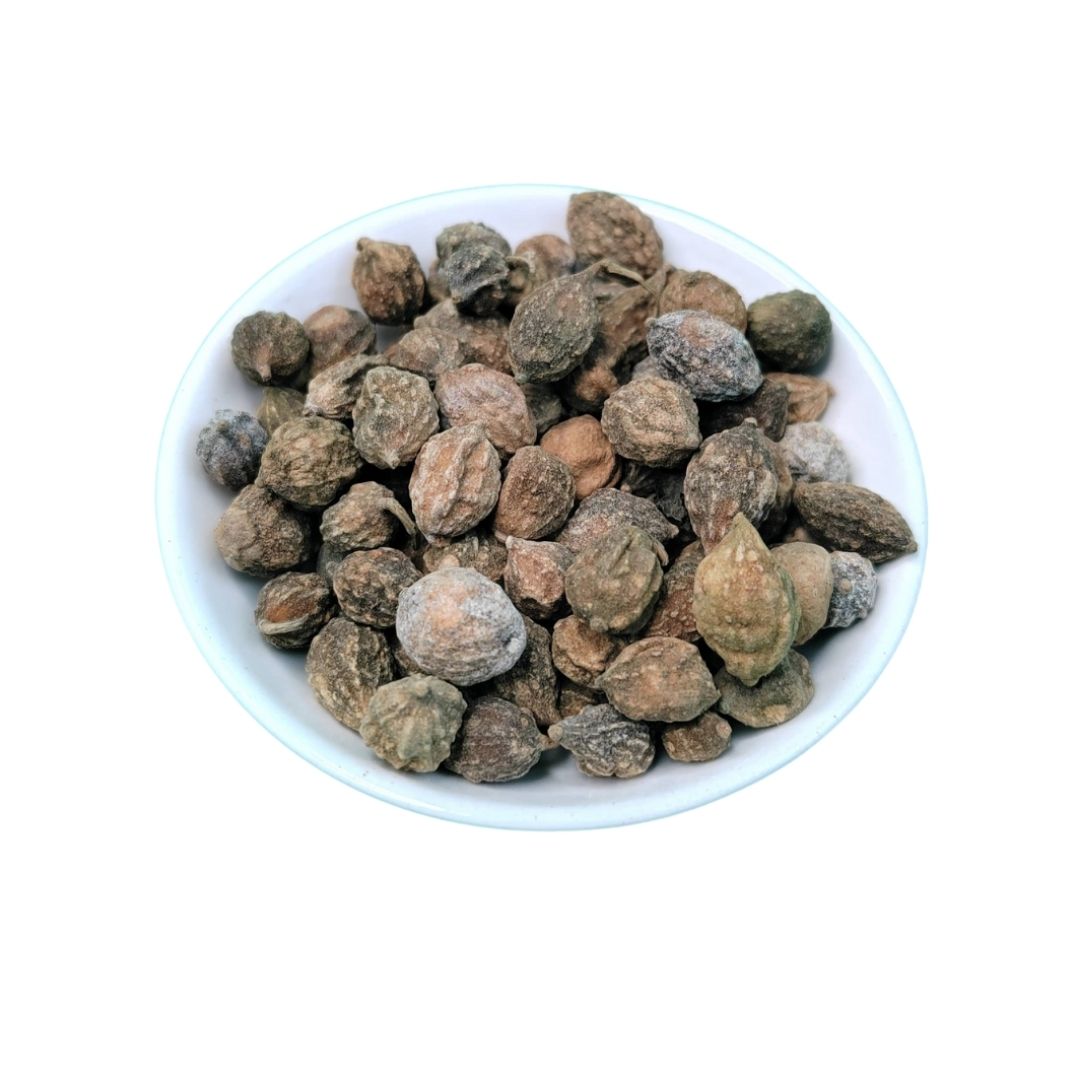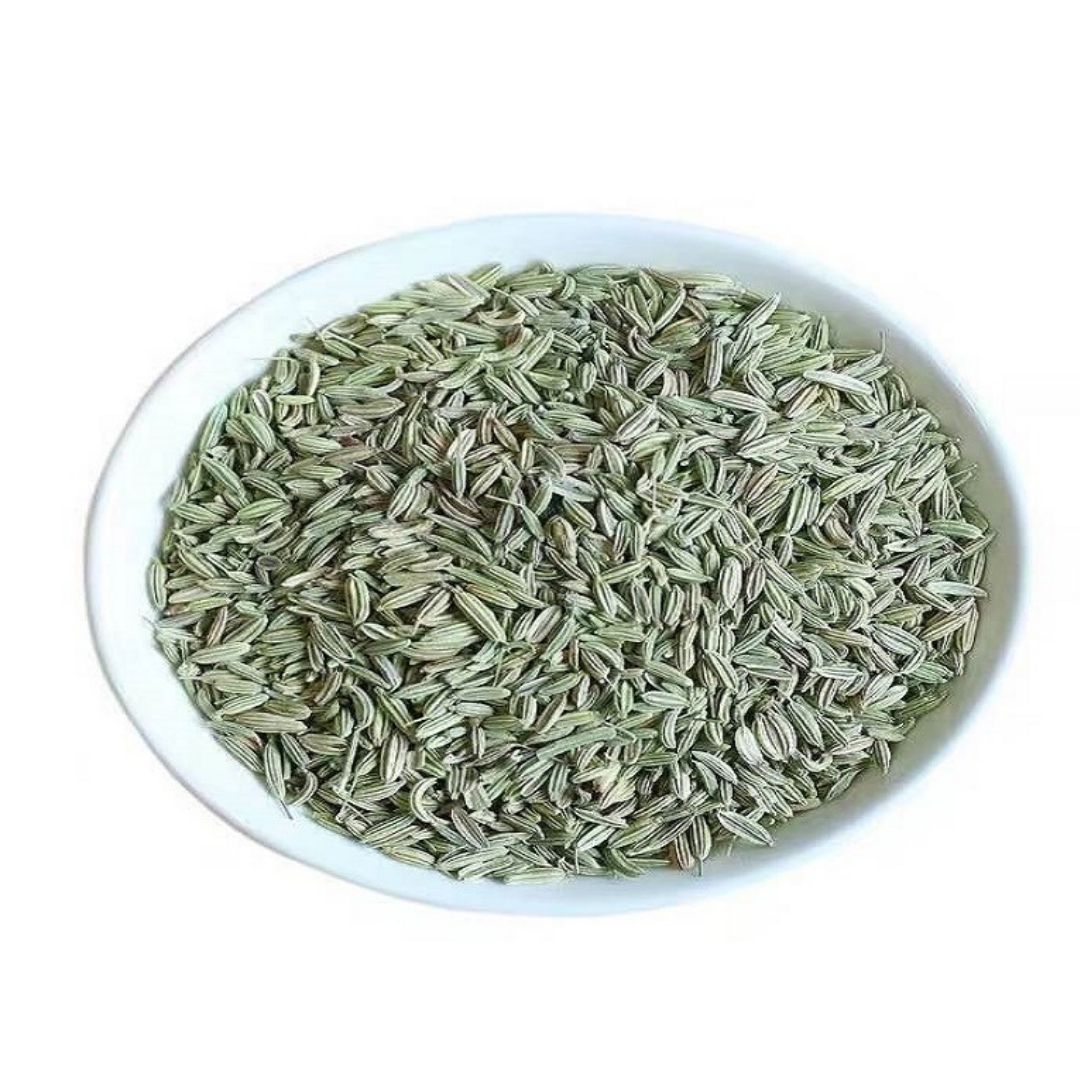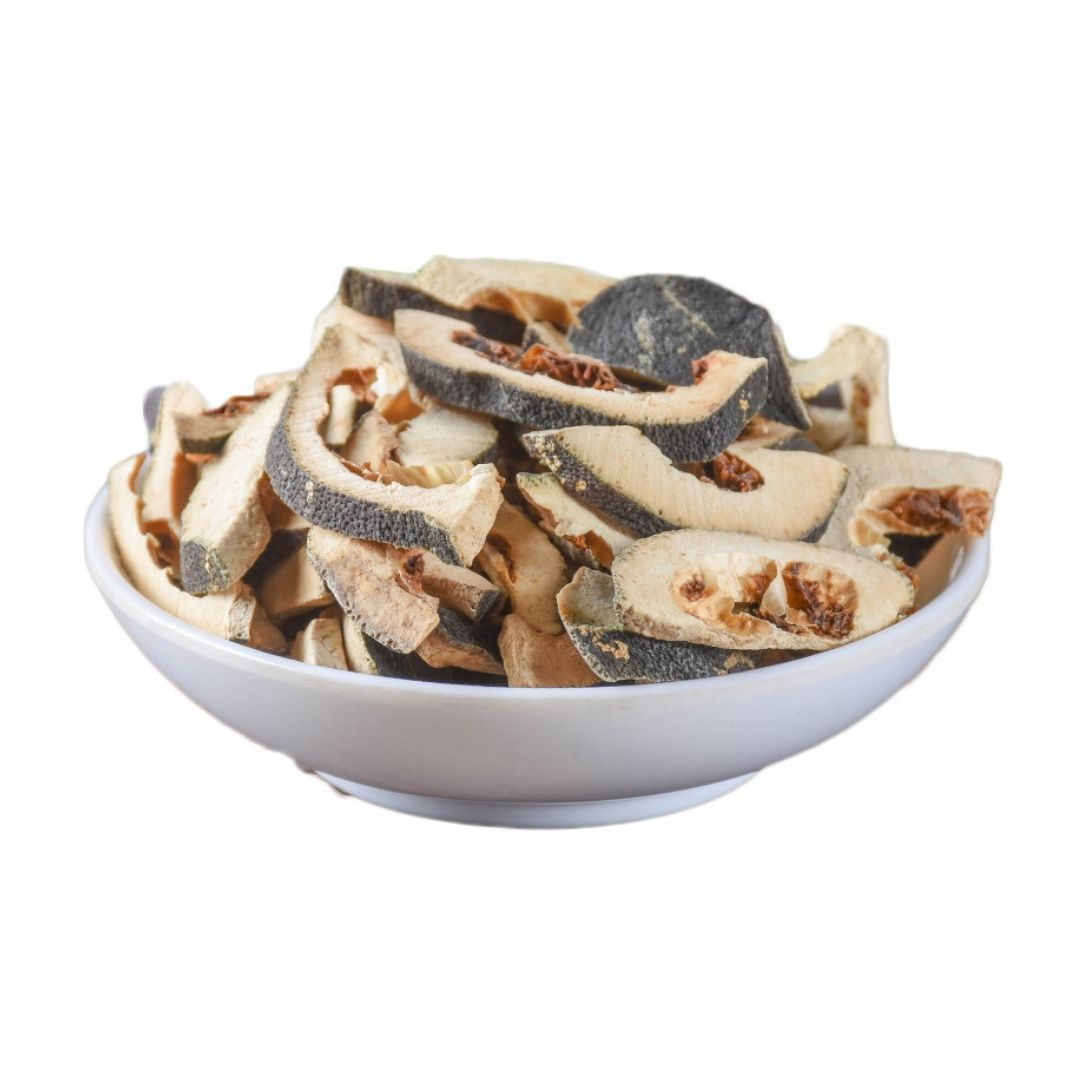


Product Introduction
Bitter orange peel is derived from the fruit of the Citrus aurantium tree, a close relative of the common sweet orange. The peel is valued for its distinctive bitter taste and aromatic properties, stemming from its unique blend of volatile oils and flavonoid compounds. The Citrus aurantium tree, believed to have originated in Southeast Asia, has been cultivated worldwide, particularly in the Mediterranean region, for its fruit and essential oils.
The peel is harvested when the fruit is ripe, then undergoes a drying process that concentrates its flavors and preserves it for later use. The drying process affects the concentration of certain compounds, enhancing both flavor and bitterness. Bitter orange peel is used in various culinary applications and is a key component in certain traditional medicines, where it is believed to aid digestion and stimulate appetite.
In the food industry, bitter orange peel is commonly employed as a flavoring agent in marmalades, liqueurs, and various baked goods. It is also used in the production of certain beers and specialty beverages, adding a complex citrus note. Bitter orange peel's applications extend beyond the culinary world, where it is often incorporated into fragrances and aromatherapy products for its uplifting and invigorating scent. Its versatility makes it a sought-after ingredient in both traditional and modern applications.
Aromatic Chemical Composition
The aromatic profile of bitter orange peel is primarily attributed to its volatile oil composition. Limonene is one of the most abundant compounds, contributing a dominant citrusy note. Neroli oil, containing compounds such as linalool, geraniol, and nerol, adds a floral and sweet dimension to the aroma [1]. Aurantiamarin, a bitter compound, also contributes to the overall sensory experience, creating a complex and characteristic scent profile. These compounds, working in synergy, produce the distinct and recognizable aroma that defines bitter orange peel.
What Types of Products Are Available?
Bitter orange peel is available in several forms:
- Dried Whole Peel: Used for infusions and flavoring large batches.
- Cut and Sifted (C/S): Common for tea blends and spice mixes, this is a versatile form.
- Powdered: Easily incorporated into dry mixes, baked goods, and seasoning blends.
- Extracts: Liquid concentrates for flavoring beverages and culinary applications.
- Essential Oil: Used in aromatherapy and flavoring applications that require potent concentration.
Application Scenarios and Usage Dosage
In culinary applications, bitter orange peel brings a distinctive flavor to a wide range of dishes and beverages. Its characteristic bitterness and citrusy aroma make it particularly well-suited for applications needing a complex flavor profile.
- Marmalades and Jams: Bitter orange peel is a classic ingredient in marmalades, where its bitterness balances the sweetness of the fruit and sugar. Small pieces or thinly sliced peels are typically added during the cooking process, infusing the preserve with their unique flavor. A common dosage is around 1-2 tablespoons of peel per pound of fruit, though this can be adjusted based on personal preference [2].
- Liqueurs and Infusions: The peel is a key ingredient in the preparation of liqueurs such as Curaçao and Triple Sec. Infusion of the peel in alcohol extracts its aromatic compounds, creating a flavorful base for these beverages. The dried peel is steeped in alcohol for several weeks, then strained and blended with other ingredients. Dosage varies widely, often ranging from 50-100 grams of peel per liter of alcohol, depending on the desired intensity [3].
- Baked Goods: The powdered or finely grated peel can be added to cakes, cookies, and other baked goods, imparting a subtle citrus flavor and aroma. It pairs well with chocolate and spices like cinnamon and nutmeg. A typical dosage is ½ to 1 teaspoon of powdered peel per cup of flour [4].
- Spice Blends: Bitter orange peel is included in various spice blends, particularly those used in Middle Eastern and North African cuisine. It adds a citrusy and slightly bitter note that complements savory dishes. As part of a blend, it often constitutes 5-15% of the total mixture.
- Sauces and Marinades: A small amount of grated or powdered peel can be added to sauces and marinades to enhance their flavor complexity. It works well with both meat and vegetable dishes, adding a bright and aromatic element. A common dosage is ¼ to ½ teaspoon of peel per cup of sauce or marinade.
- Teas and Herbal Infusions: Dried bitter orange peel can be used to make a refreshing and aromatic tea. It can be combined with other herbs and spices, such as ginger and cinnamon, for a more complex flavor profile. A typical dosage is 1-2 teaspoons of dried peel per cup of hot water, steeped for 5-10 minutes [5].
- Beer Brewing: In the brewing industry, bitter orange peel introduces a characteristic flavor to certain types of beer, particularly Belgian Witbier. The peel is added during the boiling process, contributing bitterness and citrus notes to the final product. The dosage is carefully controlled, typically ranging from 0.1 to 0.3 ounces per gallon of wort, to achieve the desired balance of flavors [6].
Introduction to the Source Plant, Distribution, and Growing Environment
Citrus aurantium, the bitter orange tree, is a medium-sized evergreen tree characterized by its thorny branches and fragrant white flowers. The tree grows to a height of about 10 meters and produces fruits that are smaller and more acidic than sweet oranges. The fruit’s peel is thick, rough, and intensely aromatic, containing numerous oil glands [7].
Originally native to Southeast Asia, Citrus aurantium has been cultivated in various regions around the world, including the Mediterranean, the Middle East, and parts of the Americas. It thrives in warm, subtropical climates with well-drained soil and plenty of sunlight. The tree is relatively hardy and can tolerate slightly cooler temperatures compared to sweet orange varieties.
Ideal growing conditions involve a temperature range of 15-30°C (59-86°F) and annual rainfall of 750-1,500 mm. The tree prefers slightly acidic soil with a pH between 6.0 and 7.0. Proper irrigation and fertilization are essential for optimal fruit production and quality.
Harvesting, Processing, and Storage Preservation
The harvesting of bitter orange fruits typically occurs during the late fall and early winter months when the fruits are fully ripe and have developed their characteristic color and aroma. Mature fruits are carefully handpicked to avoid damaging the peel, which is the primary product of interest. Harvesting by hand ensures the preservation of the peel's integrity and oil content, which are crucial for its flavor and aromatic qualities [8].
Once harvested, the bitter orange fruits are processed to extract the peel. The peels are typically separated from the fruit through a combination of manual and mechanical methods, ensuring minimal damage. After separation, the peels undergo a drying process to reduce moisture content and prevent spoilage.
Drying methods vary, but the most common include sun-drying, air-drying, and the use of mechanical dryers. Sun-drying involves spreading the peels on mats or trays and exposing them to direct sunlight for several days. Air-drying is conducted in well-ventilated areas, allowing the peels to dry slowly over a longer period. Mechanical dryers use controlled heat and airflow to expedite the drying process, ensuring consistent moisture levels [9].
Proper storage is essential to preserve the quality and flavor of dried bitter orange peel. The dried peels should be stored in airtight containers, away from direct sunlight, heat, and moisture. Cool, dry conditions help prevent the degradation of volatile oils and maintain the peel's aromatic properties. Properly stored, dried bitter orange peel can maintain its quality for up to one year [10].
Citations:
[1] Usach, I., et al. "Beneficial effects of Citrus aurantium L. var. Amara bioextract on metabolic syndrome and related disorders." Journal of Ethnopharmacology 245 (2019): 112162.
[2] Grigson, J. Jane Grigson's Fruit Book. Penguin Books, 2007.
[3] Toussaint-Samat, M. A History of Drink.translated by Anthea Bell. New York: Barnes & Noble, 1991.
[4] Amendola, J. The Baker's Manual. John Wiley & Sons, 2003.
[5] Hoffmann, D. Medical Herbalism: The Science and Practice of Herbal Medicine. Healing Arts Press, 2003.
[6] Papazian, C. The Complete Joy of Homebrewing. Harper Perennial, 2003.
[7] Morton, J.F. Fruits of warm climates. Julia F. Morton, 1987.
[8] Kader, A.A. Postharvest Technology of Horticultural Crops. University of California, Agriculture and Natural Resources, 2002.
[9] Ratti, C. "Drying of fruits and vegetables." * dries in Food Engineering Reviews* 1, no. 2 (2009): 123-154.
[10] McGee, H. On Food and Cooking: The Science and Lore of the Kitchen. Scribner, 2004.
Mia Wu

Hi, I’m Mia Wu! I love helping customers discover the best natural ingredients for their products. With a passion for herbs, spices, and fungi, I work to make sure you get only the finest raw materials. Let's grow together! 🌱✨