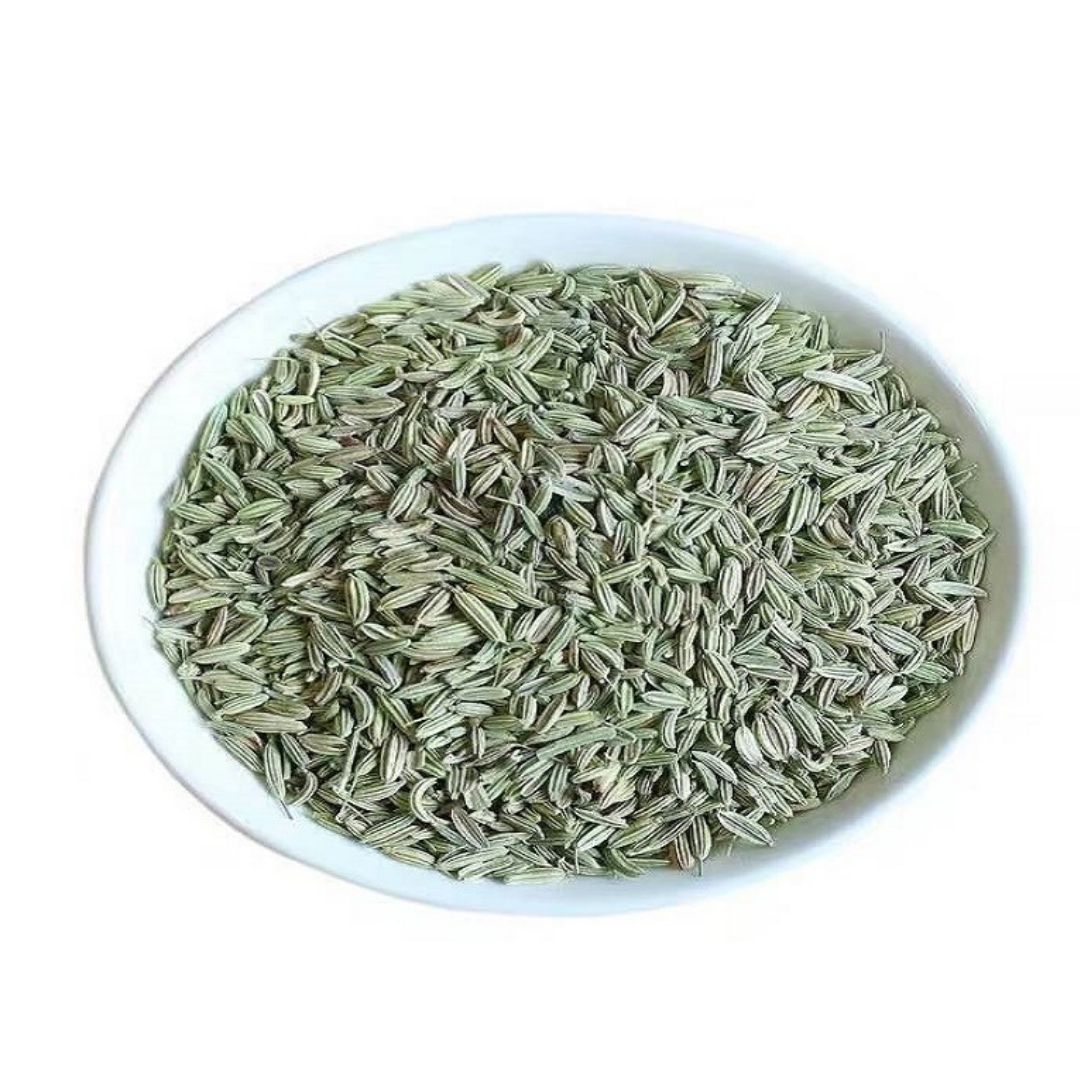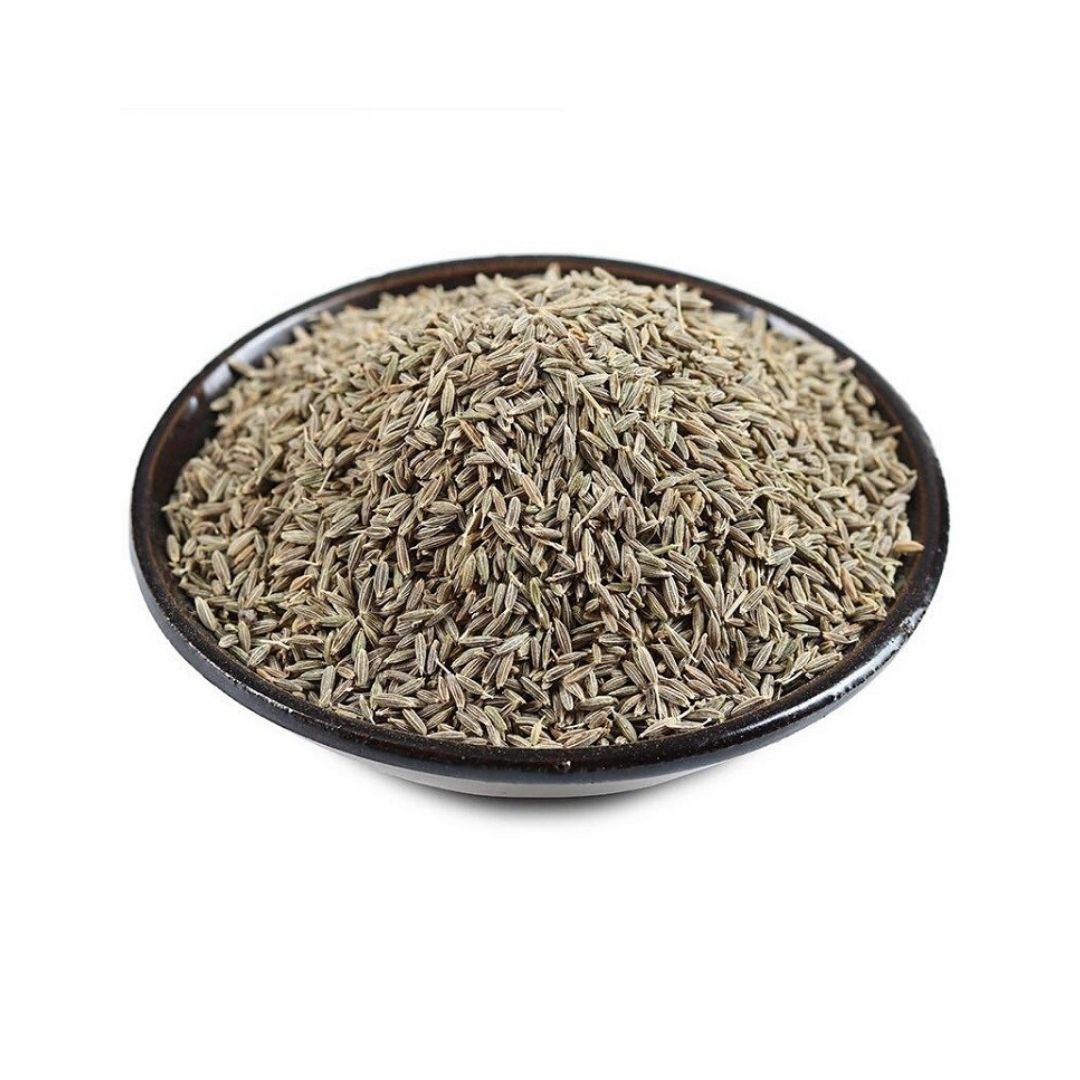


Cumin, scientifically known as Cuminum cyminum, consists of the dried seeds of the cumin plant, belonging to the Apiaceae family. Originating from the Middle East, cumin holds a prominent place in various cuisines worldwide, especially those of India, the Middle East, North Africa, and Latin America. This spice presents a warm, earthy flavor profile with subtle bitter notes, making it a crucial ingredient in both savory and sometimes sweet dishes.
The use of cumin dates back several millennia, with evidence suggesting its cultivation and usage in ancient Egypt and the Middle East. Traditionally, cumin was utilized not only as a food flavoring but also as a medicinal herb. Ancient civilizations employed it for its purported digestive benefits and antiseptic properties. Today, cumin remains highly valued in culinary traditions and continues to be explored for its potential health advantages, primarily due to its rich composition of essential oils and antioxidant compounds.
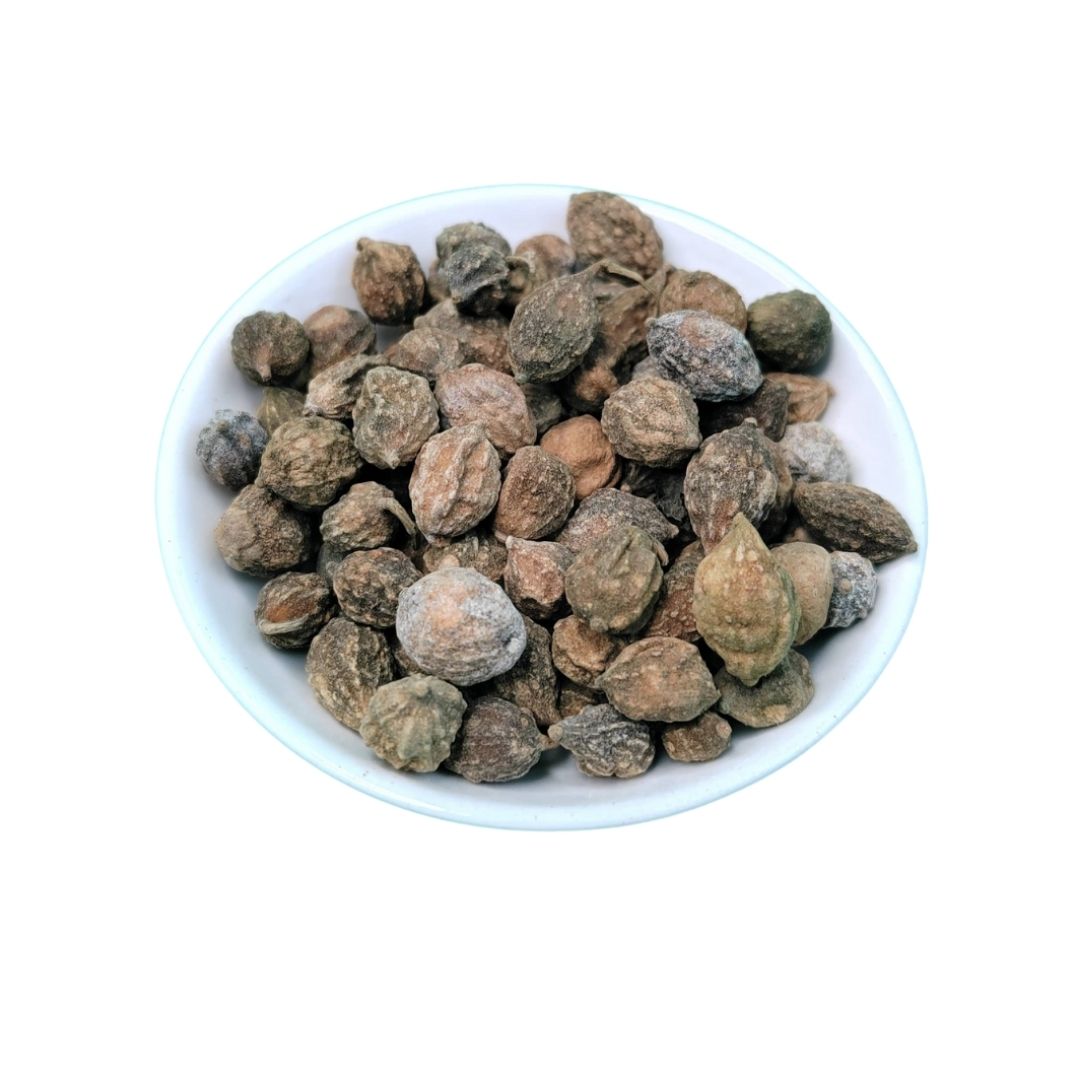
Cumin seeds are small, elongated, and resemble caraway seeds in appearance, although they possess a distinct ridged texture and a lighter color. Cumin's flavor is significantly enhanced when toasted or ground, releasing its aromatic oils and intensifying its characteristic taste. This spice is a staple in spice blends like curry powder, garam masala, and chili powder, contributing depth and complexity to these mixtures. Beyond its use in powdered and whole-seed forms, cumin essential oil is extracted for use in flavorings and fragrances, adding another dimension to its application. Cumin plays multiple roles, enhancing flavors, offering potential health benefits, and enriching culinary traditions across cultures.
Aromatic Chemical Composition
The aromatic profile of cumin seeds arises from a complex mixture of volatile organic compounds. Cuminaldehyde stands out as the most abundant and significant flavor compound, contributing to cumin's characteristic warm and slightly pungent aroma. Other important compounds include cymene, which adds a citrusy and slightly sweet note, and β-pinene, contributing a fresh, pine-like aroma. Gamma-terpinene is also present, adding a subtle citrus and woody nuance to the overall scent profile. These chemicals, combined, give cumin its distinctive and complex aroma.
What Types of Products Are Available?
Cumin is available in several forms, each suited to different culinary applications:
- Whole Cumin Seeds: These retain flavor and aroma for an extended period. They are typically toasted or tempered in oil to release their essential oils before use.
- Ground Cumin: This is a convenient option for quick and even flavor distribution. Ground cumin is commonly used directly in recipes, though it loses flavor more quickly than whole seeds.
- Cumin Essential Oil: Extracted from cumin seeds, it contains a concentrated flavor and aroma. It is used in flavoring and fragrance applications, typically in small quantities.
- Black Cumin (Nigella Seeds): Although often referred to as black cumin, these seeds come from a different plant (Nigella sativa). They offer a distinct, slightly bitter flavor that is different from true cumin.
Application Scenarios and Usage Dosage
Cumin features prominently in diverse culinary applications, delivering its distinctive flavor to a variety of dishes. In Indian cuisine, cumin is an essential component of curry powders and garam masala, where it adds warmth and depth. It is also frequently used in lentil dishes (dals), vegetable preparations (sabzis), and rice dishes (biryanis). The seeds are either toasted in oil at the beginning of cooking to infuse the dish with their aroma or ground and added later in the cooking process for a more subtle flavor.
Middle Eastern and North African cuisines also rely heavily on cumin. It flavors stews, tagines, and couscous dishes, lending a distinctive earthy note. In these regions, cumin often combines with other spices, such as coriander, cardamom, and cinnamon, to create complex and aromatic flavor profiles. It is a key ingredient in spice blends like ras el hanout and harissa.
In Mexican and Tex-Mex cooking, cumin is a staple spice in chili powders, taco seasonings, and enchilada sauces. It enhances the flavor of meat dishes like chili con carne, fajitas, and carnitas. Cumin is also used in black bean dishes, salsas, and guacamole, providing a warm, savory element that complements other ingredients.
Dosage varies based on the dish and intensity of flavor desired. Generally, a teaspoon of ground cumin or a tablespoon of whole cumin seeds is sufficient for a dish serving four to six people. It's recommended to start with a smaller amount and adjust to taste, as cumin's flavor can be potent. For whole cumin seeds, toasting them lightly in a dry pan or tempering them in hot oil before adding them to the dish enhances their flavor and aroma. Ground cumin can be added directly to sauces, stews, or spice rubs.
In addition to these culinary uses, cumin finds application in flavoring bread, cheeses, and sausages. It can also be included in dry rubs for grilled meats, adding a savory crust. Cumin essential oil is used in the food industry to flavor processed foods, sauces, and seasonings, providing a concentrated burst of flavor. The versatility of cumin as a spice makes it a valuable ingredient in both home cooking and commercial food production.
Introduction to the Source Plant, Distribution, and Growing Environment
Cuminum cyminum is a small, annual herbaceous plant belonging to the Apiaceae family. It typically grows to a height of 15–50 cm (6–20 inches). The plant features slender, branching stems and thread-like leaves. The flowers are small, white or pink in color, and arranged in umbels. After flowering, the plant produces oblong or oval-shaped seeds about 5–6 mm long.
The plant is native to the Middle East, particularly Iran and the Levant. It grows well in warm, arid climates with well-drained soil. Cumin is now cultivated in many regions, including India, Syria, Turkey, Egypt, and parts of Latin America. These regions offer the ideal climate conditions for cumin cultivation: long, hot summers and minimal rainfall during the growing season.
Cumin thrives in fertile, sandy loam soils with good drainage. The plant requires full sunlight and benefits from protection against strong winds. It is usually grown as a spring crop, with seeds sown in late winter or early spring. Optimal soil temperatures for germination range from 25 to 30°C (77 to 86°F). Farmers often use raised beds to improve drainage and soil warmth. Cumin plants are relatively drought-tolerant but require consistent moisture during the early stages of growth.
Harvesting, Processing, and Storage Preservation
Harvesting cumin seeds occurs when the plants begin to dry out and the seeds turn brown. This typically happens about 100-120 days after planting. The plants are cut and left to dry in the field for several days to a week. Traditional harvesting involves manual cutting of the plants, but mechanical harvesting is also practiced in larger-scale operations.
After drying, the cumin seeds are separated from the plant through threshing. This can be done manually by beating the dried plants with sticks or mechanically using threshing machines. The separated seeds are then cleaned to remove any remaining plant debris, dirt, and other impurities. Cleaning processes may involve sieving, winnowing, and washing with water.
Proper drying is essential for preserving the quality and flavor of cumin seeds. Sun-drying is a common method, where the cleaned seeds are spread out in a thin layer on mats or tarps and exposed to direct sunlight. The seeds are turned regularly to ensure even drying. Mechanical drying using hot air dryers can also be employed, especially in regions with high humidity or limited sunlight. The seeds are considered sufficiently dried when their moisture content is reduced to about 6-8%.
Once dried, cumin seeds must be stored properly to maintain their flavor and aroma. The seeds should be kept in airtight containers, such as glass jars or sealed plastic bags. These containers should be stored in a cool, dry, and dark place, away from direct sunlight and heat. High temperatures and humidity can cause the seeds to lose their essential oils and flavor compounds, while exposure to light can degrade their color and aroma.
Under optimal storage conditions, whole cumin seeds can retain their quality for up to two years. Ground cumin, however, has a shorter shelf life and should be used within six months to a year, as it loses its flavor more quickly. Regularly checking the seeds for any signs of spoilage, such as off-odors or mold growth, is important. Properly harvested, processed, and stored cumin seeds ensure that the spice remains flavorful for culinary and other applications.
Citations:
- Duke, J. A. (2002). Handbook of phytochemical constituents of GRAS herbs and other economic plants. CRC press.
- Jump to search navigation. (n.d.). Retrieved from https://hort.purdue.edu/newcrop/proceedings1999/v4-29.html
- Kaur, S., & Kumar, S. (2018). Cuminum cyminum: A popular spice: An updated review. Journal of Pharmacognosy and Phytochemistry, 7(2), 98-103.
- Peter, K. V. (2004). Handbook of herbs and spices. Woodhead Publishing.
Mia Wu

Hi, I’m Mia Wu! I love helping customers discover the best natural ingredients for their products. With a passion for herbs, spices, and fungi, I work to make sure you get only the finest raw materials. Let's grow together! 🌱✨