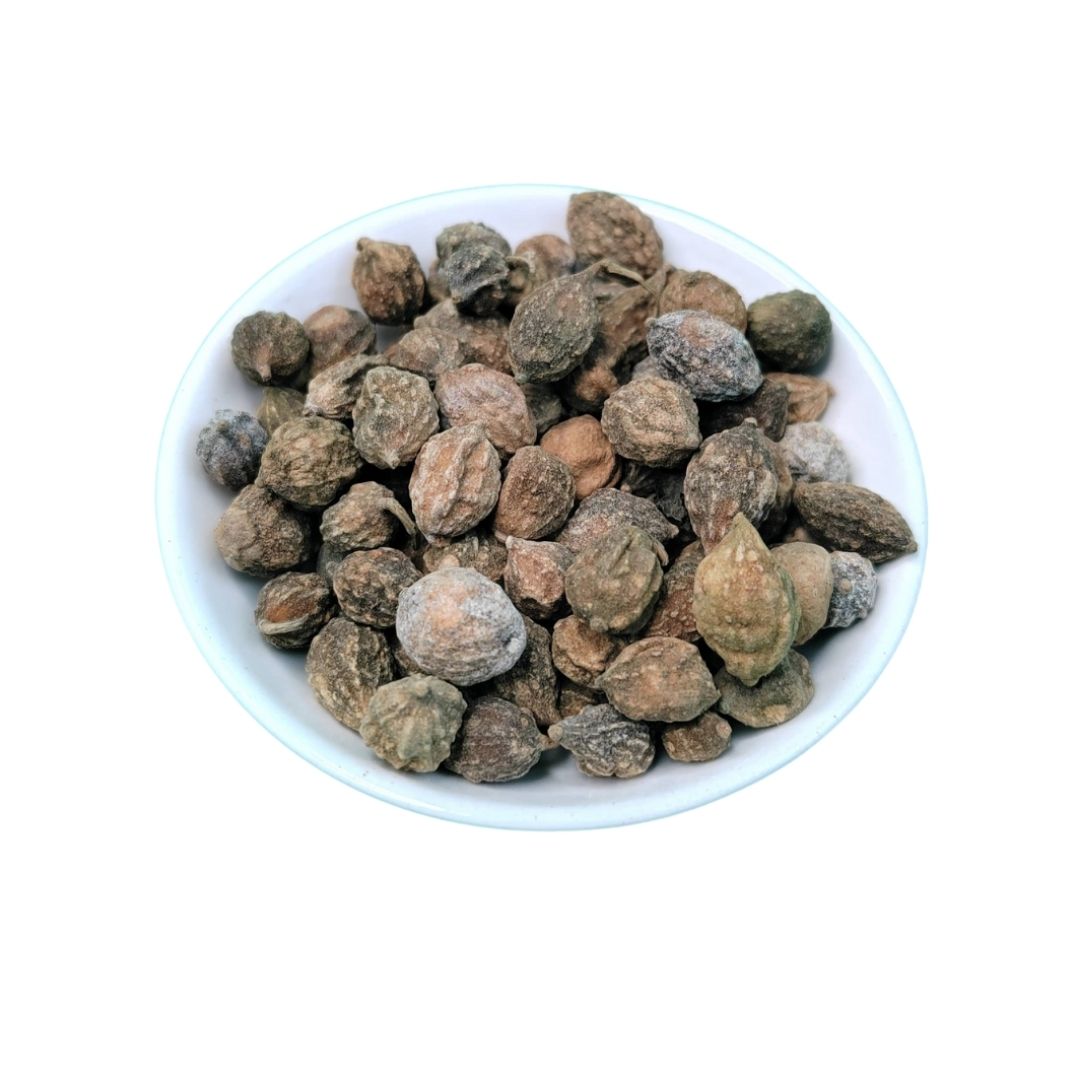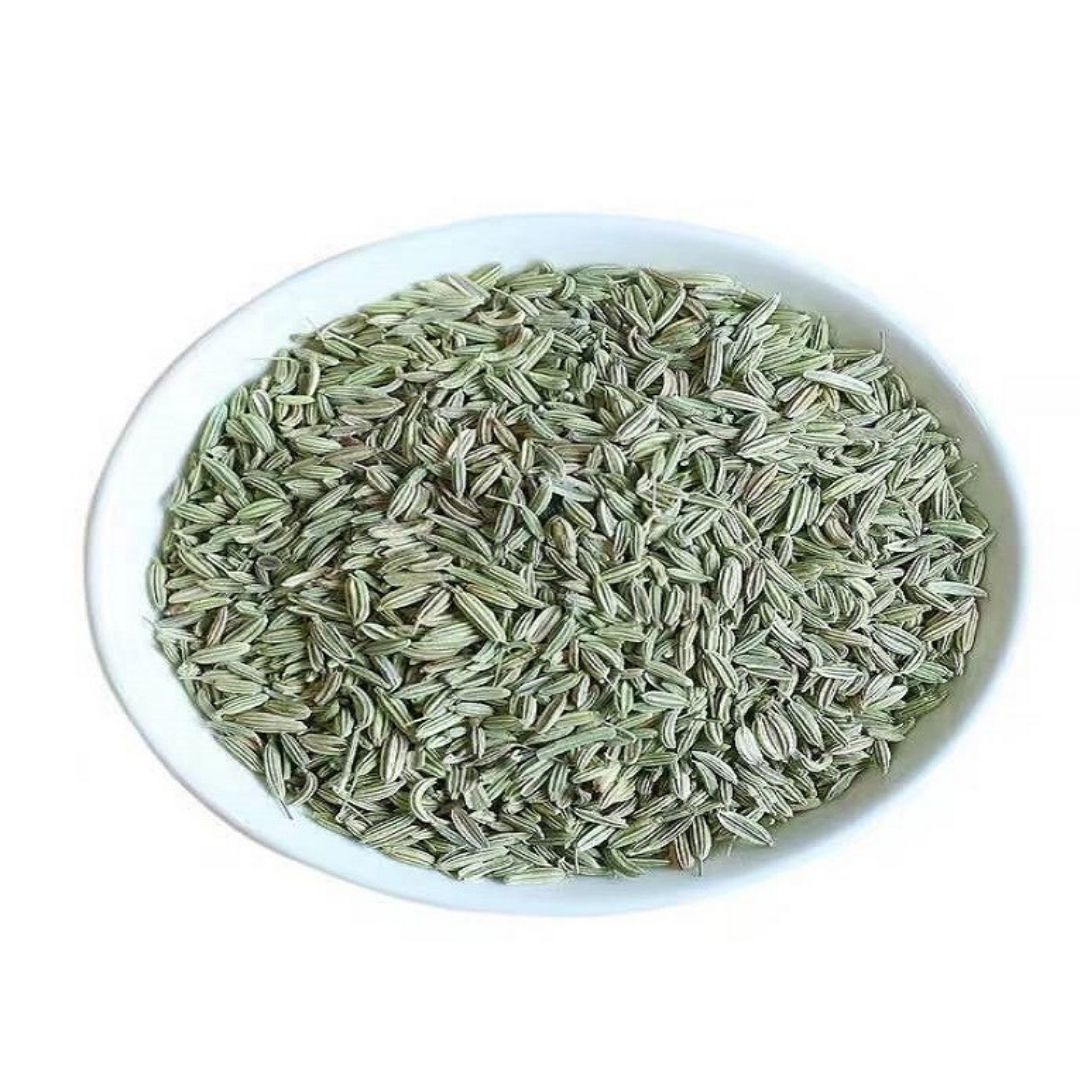


Product Introduction
Fennel, scientifically known as Foeniculum vulgare, is a versatile plant whose seeds, bulb, and fronds are used extensively in culinary applications and traditional medicine. Originating from the Mediterranean region, fennel has been cultivated for centuries and is now grown in various parts of the world, including Europe, Asia, and North America [1]. The plant belongs to the Apiaceae family, which also includes carrots, celery, and parsley [2].
The primary flavor component of fennel is its sweet, licorice-like taste, attributed to the presence of anethole. The seeds are commonly used as a spice in both sweet and savory dishes, while the bulb can be eaten as a vegetable, either raw or cooked. Fennel fronds, resembling dill, are often used as a garnish or flavoring agent [3]. In addition to its culinary uses, fennel has been employed in traditional medicine for its digestive properties, often used to alleviate bloating and indigestion [4]. Various cultures also use it to freshen breath and as a component in herbal remedies [5].
Fennel's adaptability and distinct flavor profile have made it a staple in many cuisines. The plant's diverse uses, from flavoring foods to serving as a medicinal herb, underscore its significance throughout history and into the present day. Its widespread cultivation ensures its availability to consumers worldwide, solidifying its place as a valued ingredient in both culinary and medicinal practices [6].
Aromatic Chemical Composition
Fennel's characteristic aroma and flavor are primarily derived from its volatile oil composition, which includes several key aromatic compounds [7]. Anethole is the most abundant compound, responsible for the dominant sweet, licorice-like flavor [8]. Fenchone contributes a more camphoraceous and slightly bitter note. Estragole, also known as methyl chavicol, adds a spicy and herbaceous element to the overall aroma profile [9].
Other volatile compounds present in smaller concentrations include limonene, which contributes a citrusy note, and α-pinene, adding a fresh, pine-like aroma [10]. The specific composition and concentration of these compounds can vary based on factors such as the plant's origin, growing conditions, and method of extraction. These variations contribute to the subtle differences in flavor and aroma observed in different types of fennel and fennel products [11].
What Types of Products Are Available?
Fennel is available in several forms to suit different culinary and medicinal needs [12]:
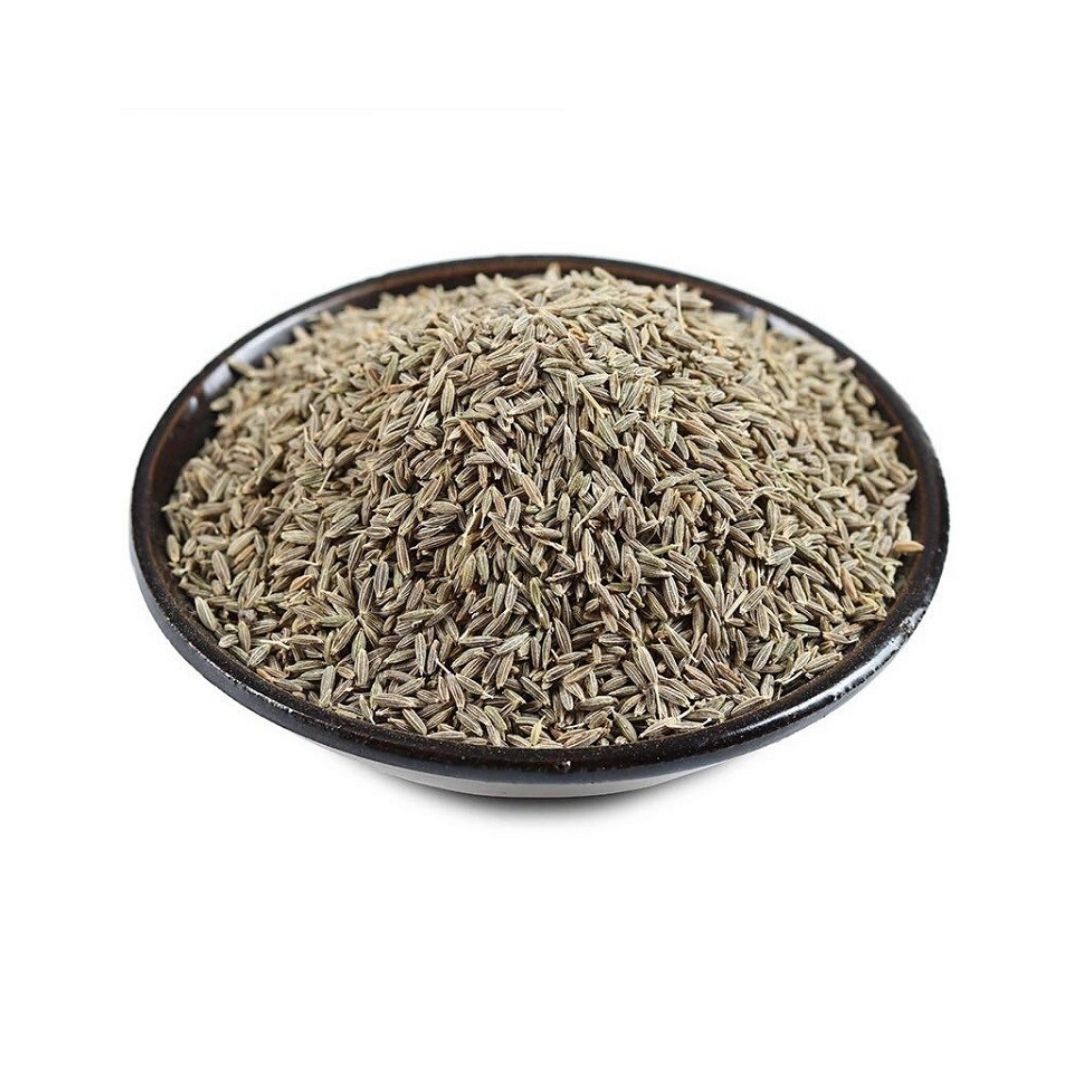
- Fennel Seeds: Whole or ground, used as a spice in cooking and baking [13].
- Fennel Bulb: The fleshy base of the plant, consumed as a vegetable, either raw or cooked [14].
- Fennel Fronds: The feathery leaves, used as a garnish or flavoring agent [15].
- Fennel Essential Oil: Extracted from the seeds, used in aromatherapy and flavoring [16].
- Fennel Powder: Ground from the seeds, offering a convenient form for seasoning [17].
- Fennel Tea: Prepared by infusing fennel seeds, used for its digestive properties [18].
Application Scenarios and Usage Dosage
Fennel is a versatile ingredient with a wide range of culinary applications, its usage depending on the form used [19].
Fennel Seeds: These are often used as a spice in Mediterranean, Middle Eastern, and Indian cuisines [20]. In Italian sausage, fennel seeds provide a characteristic flavor. The seeds can be lightly toasted to enhance their aroma before being added to dishes. Suggested dosage: 1-2 teaspoons of fennel seeds per pound of meat in sausage recipes [21]. In bread making, fennel seeds add a subtle licorice flavor; use about 1 teaspoon per loaf of bread [22].
Fennel Bulb: The bulb can be eaten raw in salads, providing a crisp texture and mild anise flavor [23]. When grilling fennel bulb it can be quartered, drizzled with olive oil, and grilled until tender. It can also be braised or sautéed with other vegetables [24]. A typical serving size is about 1 cup of sliced fennel bulb per person [25].
Fennel Fronds: These can be used as a fresh herb, similar to dill. They make an excellent garnish for seafood dishes, salads, and soups [26]. Chop the fronds finely and sprinkle over the dish just before serving to preserve their delicate flavor. Use about 1-2 tablespoons of chopped fronds per serving [27].
Fennel Essential Oil: This is primarily used in flavoring and aromatherapy. Due to its concentrated nature, it should be used sparingly [28]. In culinary applications, a single drop can be enough to impart a strong fennel flavor to a dish. It is also used in some digestive aids; however, it should be diluted and used under professional guidance [29].
Fennel Tea: This is made by steeping fennel seeds in hot water. It is often consumed after meals to aid digestion [30]. To make fennel tea, use about 1 teaspoon of fennel seeds per cup of hot water, steep for 5-10 minutes, and strain before drinking [31].
Proper usage and dosage of fennel can significantly enhance the flavor and health benefits of various dishes and remedies.
Introduction to the Source Plant, Distribution, and Growing Environment
Foeniculum vulgare, commonly known as fennel, is a perennial herb characterized by its feathery leaves and yellowish flowers [32]. The plant typically grows to a height of 1.5 to 2.5 meters [33]. Fennel is indigenous to the Mediterranean region but has been naturalized and cultivated in many parts of the world, including Europe, Asia, North America, and Australia [34].
Fennel thrives in well-drained soil with plenty of sunlight [35]. It prefers a warm climate and is relatively drought-tolerant once established [36]. The plant is often found growing wild along roadsides and in fields [37].
Harvesting, Processing, and Storage Preservation
Fennel harvesting and processing methods depend on which part of the plant is being utilized [38].
Fennel Seeds: These are typically harvested in the late summer or early autumn when the seed heads have dried [39]. The entire seed head is cut from the plant and allowed to dry further in a well-ventilated area [40]. Once fully dry, the seeds are threshed to separate them from the plant material [41]. To remove any remaining debris, the seeds can be winnowed. Store the seeds in an airtight container in a cool, dry, and dark place to maintain their flavor and aroma [42].
Fennel Bulb: These are harvested when they reach a usable size, usually in late summer or early autumn [43]. The entire plant is pulled from the ground, and the bulb is separated from the stalk and fronds. Fresh fennel bulbs should be stored in the refrigerator [44]. They can be wrapped in a plastic bag to prevent drying.
Fennel Fronds: These can be harvested as needed throughout the growing season [45]. Simply snip off the desired amount of fronds from the plant. Fresh fronds should be stored in the refrigerator, wrapped in a damp paper towel inside a plastic bag [46].
Proper harvesting, processing, and storage techniques are essential to preserve the quality and flavor of fennel products.
Citations:
- Smallfield, B. M., & Van Der Gulik, P. (2006). Fennel, Foeniculum vulgare: Agronomy, horticulture and uses. Horticultural Reviews, 32, 177-225.
- Simon, P. W. (1990). Carrots and Other Horticultural Members of the Umbelliferae. Timber Press.
- Lis-Balchin, M. (2002). Aromatherapy science: A guide for healthcare professionals. Pharmaceutical Press.
- Ostad, S. N., Soodi, M., Shariffzadeh, M., Khorshidi, N., & Mostafavi, M. (2012). The effect of fennel on pain intensity in dysmenorrhea. Archives of Gynecology and Obstetrics, 285(1), 31-35.
- Forouzanfar, F., Abolghasemi, V., & Mehrabani, M. (2013). Effect of fennel seed on the menopausal symptoms in iranian women. Journal of Menopausal Medicine, 19(3), 153-157.
- Duke, J. A. (2002). Handbook of medicinal herbs. CRC press.
- Marotti, M., Piccaglia, R., Giovanelli, E., Corelli, F., Flamini, G., & Zarrelli, A. (2000). Characterization of volatile organic compounds in different organs of fennel (Foeniculum vulgare Mill.). Journal of Agricultural and Food Chemistry, 48(11), 5453-5457.
- Singh, G., Maurya, S., Catalan, C., & De Lampasona, M. P. (2006). Chemical constituents and antimicrobial activity of essential oil of fennel (Foeniculum vulgare Mill.) dried fruits. Journal of Agricultural and Food Chemistry, 54(9), 3451-3456.
- Biedermann, A., Schütz, S., Roth, A., & Grosch, W. (2003). Evaluation of key odorants in freshly grated fennel (Foeniculum vulgare Mill.) by stable isotope dilution assays and sensory studies. Journal of Agricultural and Food Chemistry, 51(21), 6230-6235.
- Mocan, A., Vlase, L., Vodnar, D. C., Bischin, C., Gheldiu, A. M., & Crișan, G. (2015). Chemical composition and antioxidant activity of hydroethanolic extracts of fennel seeds (Foeniculum vulgare Mill.). Notulae Botanicae Horti Agrobotanici Cluj-Napoca, 43(2), 426-432.
- Rather, M. A., Dar, B. A., Sofi, S. N., Bhat, B. A., & Qurishi, M. A. (2016). Foeniculum vulgare: A comprehensive review of its traditional use, phytochemistry, pharmacology, and safety. Arabian Journal of Chemistry, 9, S1574-S1583.
- Zargari, A. (1990). Medicinal plants. Tehran University Publications.
- Kapoor, L. D. (2001). Handbook of Ayurvedic medicinal plants. CRC press.
- McGee, H. (2004). On food and cooking: the science and lore of the kitchen. Scribner.
- Herbst, S. T. (2001). The new food lover's companion: comprehensive definitions of nearly 6000 food, drink, and culinary terms. Barron's Educational Series.
- Tisserand, R., & Young, R. (2014). Essential oil safety: a guide for health care professionals. Elsevier Health Sciences.
- Norman, J. (2016). Herbs and spices: the cook's reference. DK Publishing.
- Weiss, R. F. (2016). Herbal medicine. Thieme.
- Lawless, J. (1995). The illustrated encyclopedia of essential oils. Element Books.
- Davidson, A. (2014). The Oxford companion to food. Oxford University Press.
- Ruhlman, M., & Polcyn, B. (2005). Charcuterie: The craft of salting, smoking, and curing. WW Norton & Company.
- Hamelman, J. (2004). Bread: A baker's book of techniques and recipes. John Wiley & Sons.
- Bittman, M. (2007). How to cook everything: simple recipes for great food. John Wiley & Sons.
- Waters, A. (1996). Chez Panisse vegetables. William Morrow.
- Corriher, S. (2008). Cookwise: The hows and whys of successful cooking. Simon and Schuster.
- Bayless, R. (2007). Authentic Mexican: Regional cooking from the heart of Mexico. William Morrow Cookbooks.
- Peterson, J. (2013). Vegetables illuminated: A cookbook to get you excited about eating more vegetables. Artisan.
- Buckle, J. (2015). Clinical aromatherapy: Essential oils in healthcare. Elsevier Health Sciences.
- Price, S., & Price, L. (2012). Aromatherapy for health professionals. Elsevier Health Sciences.
- Blumenthal, M., Goldberg, A., Brinckmann, J. (2000). Herbal medicine: Expanded Commission E monographs. Integrative Medicine Communications.
- Hoffmann, D. (2003). Medical herbalism: The science and practice of herbal medicine. Healing Arts Press.
- Turland, N.J., Wiersema, J.H., Barrie, F.R., Greuter, W., Appelman, I., Bayly, M.J., … & Zuccarello, G. (2018). International Code of Nomenclature for algae, fungi, and plants (Shenzhen Code) adopted by the Nineteenth International Botanical Congress Shenzhen, China, July 2017. Regnum Vegetabile 159. Koeltz Botanical Books.
- Fahey, J. W. (2015). Brassica sprouts: glucosinolates, isothiocyanates and human health. Taylor & Francis.
- Mabberley, D. J. (2008). Mabberley's plant-book: a portable dictionary of plants, their classification and uses. Cambridge University Press.
- Brickell, C., & Zuk, J. D. (1997). American Horticultural Society A-Z encyclopedia of garden plants. DK Publishing.
- Phillips, R., & Rix, M. (2011). Vegetables. Macmillan.
- Stace, C. A. (2010). New flora of the British Isles. Cambridge University Press.
- Huxley, A. (Ed.). (1992). The New Royal Horticultural Society Dictionary of Gardening. Macmillan Press.
- Grey-Wilson, C. (2014). Medicinal plants: An illustrated guide to more than 180 plants that heal. Frances Lincoln.
- Craker, L. E., & Simon, J. E. (1986). Herbs, spices, and medicinal plants: recent advances in botany, horticulture, and pharmacology. Oryx Press.
- De Biasi, G. (2017). Growing good food: a citizen's guide to backyard carbon farming. New Society Publishers.
- PFAF (Plants For A Future). (n.d.). Foeniculum vulgare. Retrieved from https://pfaf.org/user/Plant.aspx?LatinName=Foeniculum+vulgare
- Bubel, N. (1988). The new seed-starters handbook. Rodale Press.
- Clegg, J. (2003). Growing your own vegetables. Dorling Kindersley.
- Bradley, F. M., Ellis, B. W., & Martin, D. L. (Eds.). (2009). The organic gardener's handbook of natural pest and disease control. Rodale.
- Yepsen, R. B. (1987). The gardener's answer book. Rodale Press.
Mia Wu

Hi, I’m Mia Wu! I love helping customers discover the best natural ingredients for their products. With a passion for herbs, spices, and fungi, I work to make sure you get only the finest raw materials. Let's grow together! 🌱✨