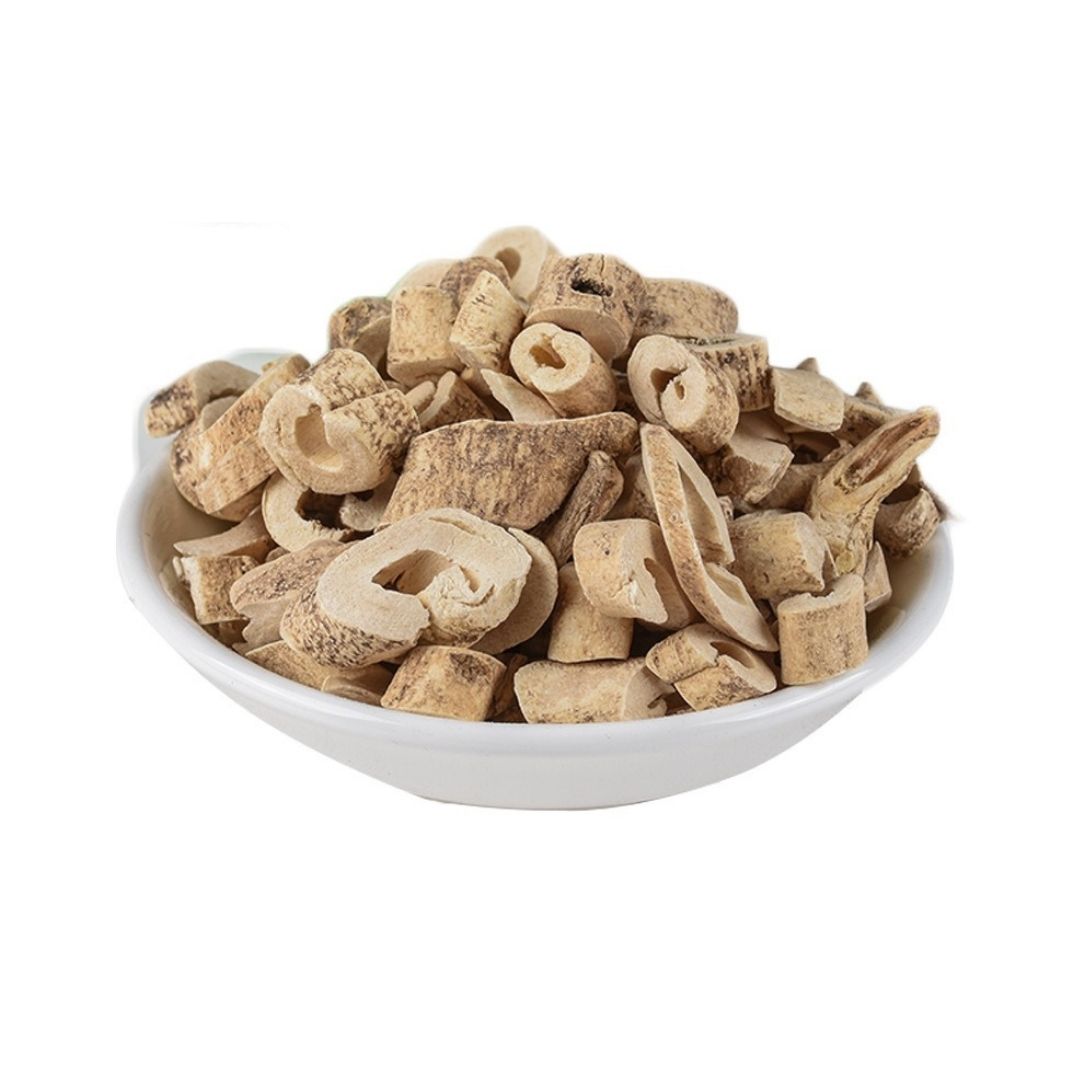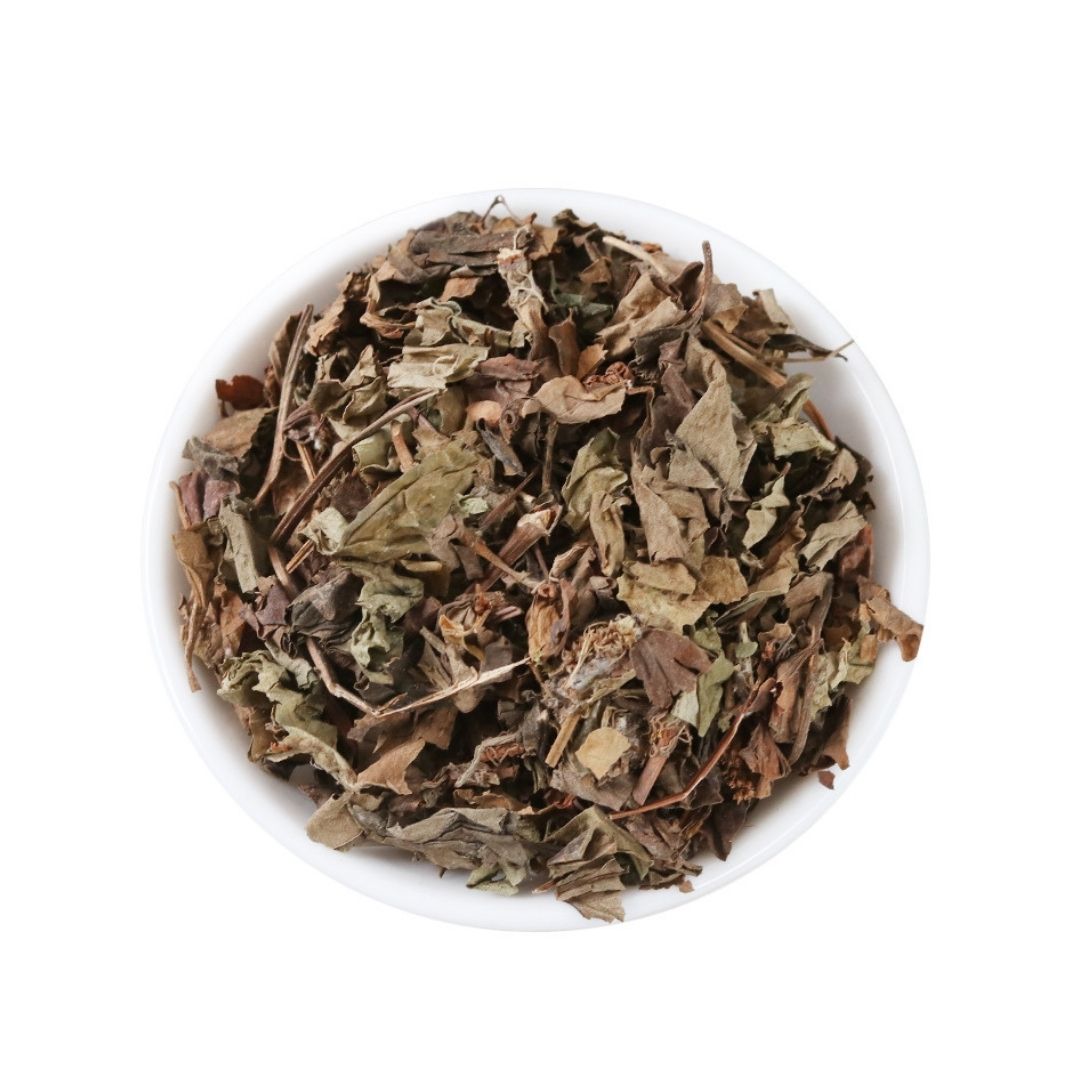


Product Introduction
Heartleaf houttuynia herb, scientifically known as Houttuynia cordata, is a perennial plant native to Southeast Asia. The plant is characterized by its heart-shaped leaves and a unique, somewhat pungent aroma that some describe as fishy, hence the common name "fish mint" or "fish leaf". The herb's distinct flavor profile makes it a versatile ingredient in various culinary applications, particularly in Vietnamese, Chinese, and other Asian cuisines.
The primary components of heartleaf houttuynia include essential oils, flavonoids (such as quercetin and hyperoside), and alkaloids. These compounds contribute to both its flavor and potential health benefits. Historically, it has been used in traditional medicine for its purported anti-inflammatory, antioxidant, and antibacterial properties.
In the culinary world, heartleaf houttuynia is commonly used fresh in salads, where its unique flavor adds a refreshing and slightly peppery note. It is also used as a garnish, in stir-fries, and as an ingredient in herbal teas. Its usage is not limited to just flavoring, it also makes an important contribution to the dish by providing potential health benefits when eaten. The herb's applications vary by region, reflecting its importance in local cuisines and traditional practices. Careful handling and proper preparation are key to maximizing its flavor and aromatic qualities. Whether enjoyed fresh or dried, heartleaf houttuynia brings a unique dimension to dishes, offering both flavor and potential health benefits.
Aromatic Chemical Composition
The aromatic chemical composition of heartleaf houttuynia is complex and contributes significantly to its distinctive flavor and scent. Key compounds include:
- Decanal: Contributes to the citrusy and green notes.
- Dodecanal: Adds a fatty, aldehydic aspect to the aroma.
- Undecanal: Provides a waxy, citrus-like scent.
- β-Myrcene: Adds a hoppy, balsamic note.
- Limonene: Offers a citrusy, fresh scent.
- β-Pinene: Imparts a pine-like aroma.
These compounds, among others, create the herb's notable profile, which is often described as a blend of citrus, green, and slightly fishy notes. The proportion of these compounds will depend on factors like the growth stage, geographical location, and drying process of the plant material.
What Types of Products Are Available?
Heartleaf houttuynia is available in several forms to accommodate different uses:
- Fresh Herb: The most common form, used in salads, as a garnish, or cooked in dishes.
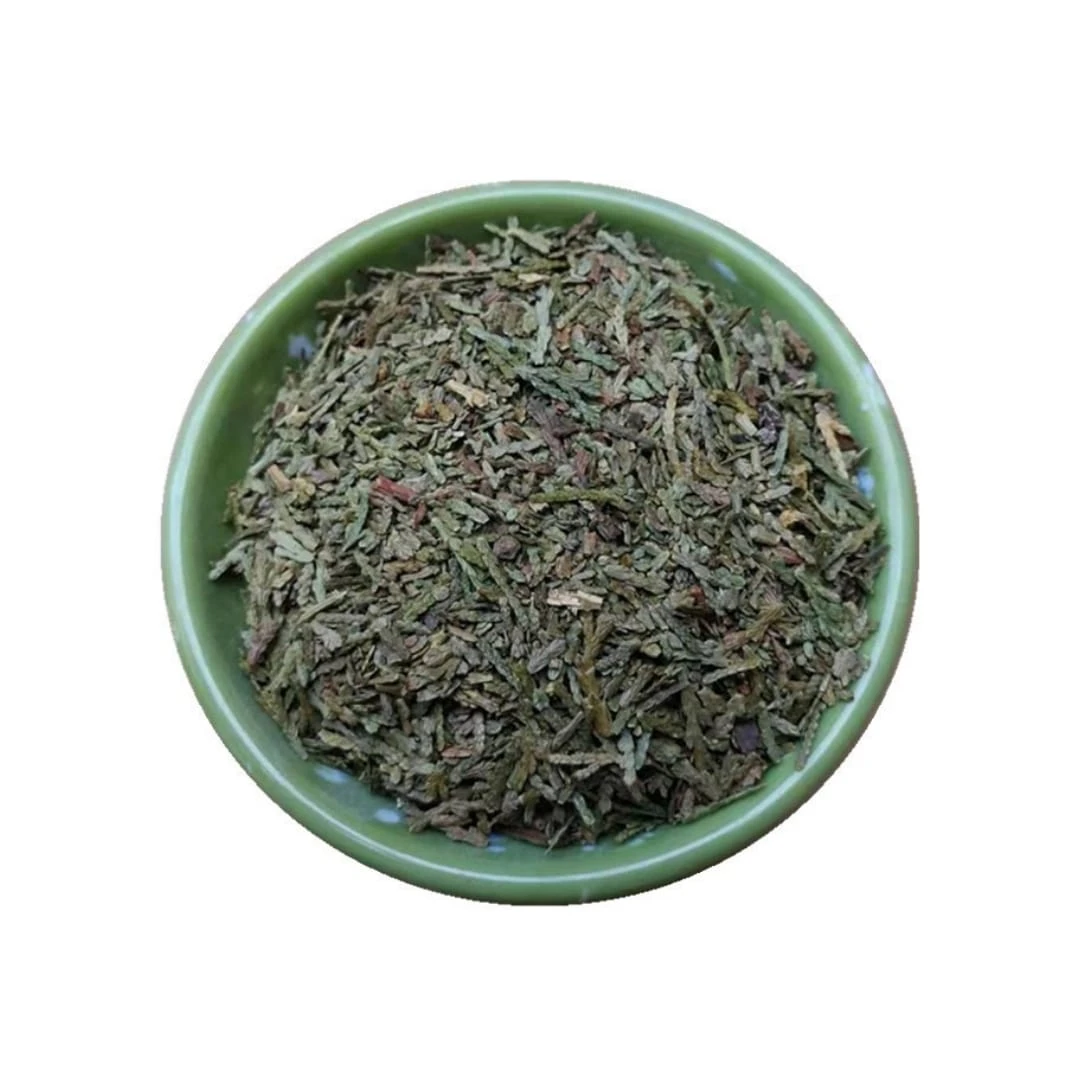
- Dried Herb: Used for teas, infusions, or as a seasoning. Drying concentrates the flavor, so it is used sparingly.
- Powdered Herb: Suitable for capsules, supplements, or as an ingredient in spice blends.
- Extracts/Tinctures: Liquid forms often used in herbal medicine as concentrated forms of the herb's active compounds.
- Capsules/Supplements: Encapsulated forms of the powdered herb, marketed for health benefits.
- Essential Oil: Used in aromatherapy, personal care products, or as a concentrated flavoring agent, though less commonly used in culinary applications due to its potency.
These various forms ensure that the herb can be utilized across a wide range of applications, from culinary to medicinal.
Application Scenarios and Usage Dosage
Heartleaf houttuynia is versatile in the culinary field, lending its unique flavor to a variety of dishes. Its distinctive taste, often described as a blend of citrus, pepper, and a slightly "fishy" note, complements various ingredients.
- Fresh Use:
- Salads: Fresh leaves can be added to salads for a refreshing, peppery flavor. Combine with other greens, vegetables, and vinaigrette.
- Garnish: Use fresh sprigs as a garnish for grilled meats, seafood, or noodle dishes to add a pop of flavor and visual appeal.
- Spring Rolls and Fresh Rolls: Incorporate fresh leaves into Vietnamese spring rolls (Gỏi cuốn) or other fresh rolls for an added layer of flavor.
- Cooked Use:
- Stir-fries: Add chopped leaves towards the end of stir-frying to retain their flavor and aroma. They pair well with garlic, ginger, and soy sauce.
- Soups and Broths: Add fresh or dried leaves to soups and broths for a unique herbal flavor. They are commonly used in Asian-style soups.
- Herbal Teas: Steep dried leaves in hot water to make a herbal tea. The tea can have a slightly earthy and refreshing flavor.
- Dosage Guidelines:
- Fresh Herb: For salads and garnishes, use about 5-10 fresh leaves per serving. In stir-fries, add about 1/4 cup of chopped fresh leaves per serving towards the end of cooking.
- Dried Herb: When using dried leaves for teas, use 1-2 teaspoons of dried herb per cup of hot water. Steep for 5-10 minutes. For soups and broths, add 1/2 to 1 teaspoon of dried herb per serving.
- Powdered Herb: For culinary applications, start with a small amount (1/4 teaspoon per serving) and adjust to taste. For supplements, follow the dosage instructions on the product label, as concentrations can vary.
Heartleaf houttuynia should be used sparingly to avoid overpowering other flavors. Its unique taste can be an acquired one, so it is important to start with small amounts and adjust to personal preference. It is often combined with other herbs and spices to create balanced flavor profiles.
Fresh leaves are best used immediately after harvesting to maintain their optimal flavor and aroma. When cooking with heartleaf houttuynia, it is generally added towards the end of the cooking process to preserve its volatile oils and flavor compounds.
Introduction to the Source Plant, Distribution, and Growing Environment
Houttuynia cordata is a perennial herbaceous plant belonging to the Saururaceae family. It is characterized by its distinctive heart-shaped leaves and small white flowers that bloom in the summer. The plant typically grows to a height of 20-80 cm and spreads via rhizomes, often forming dense mats. Its leaves emit a characteristic aroma when crushed, which some describe as fishy or citrusy.
- Distribution:
- Native to Southeast Asia, including China, Japan, Korea, Vietnam, and Thailand.
- It is commonly found in moist, shady environments such as stream banks, wetlands, and forest floors.
- The plant has also been introduced to other regions, including parts of North America, where it can sometimes be considered invasive due to its rapid spread.
- Growing Environment:
- Prefers moist, well-drained soils, but can tolerate a range of soil types.
- Thrives in partial to full shade, making it well-suited to woodland gardens or areas with filtered sunlight.
- It can grow in a variety of climates, from temperate to subtropical, but is sensitive to frost.
- Ideal growing conditions include consistent moisture, protection from direct sunlight, and temperatures between 15-30°C (59-86°F).
Harvesting, Processing, and Storage Preservation
- Harvesting:
- Heartleaf houttuynia is typically harvested for its leaves and stems, which are the primary parts used for culinary and medicinal purposes.
- The best time to harvest is during the growing season, typically from spring to early fall, when the plant is actively growing and the leaves are at their most flavorful.
- Harvesting involves cutting the stems and leaves close to the ground, leaving enough of the plant intact to allow for regrowth.
- The plant can be harvested multiple times during the growing season, promoting continuous production of fresh leaves.
- Processing:
- After harvesting, the leaves and stems are typically cleaned to remove any soil or debris.
- For fresh use, the leaves can be used immediately in salads, as a garnish, or in other culinary applications.
- For drying, the leaves and stems are spread out in a thin layer on a clean surface or drying rack, away from direct sunlight, and allowed to air dry.
- Alternatively, they can be dried in a dehydrator at a low temperature (around 40-50°C or 104-122°F) to speed up the drying process.
- Storage Preservation:
- Dried heartleaf houttuynia should be stored in an airtight container in a cool, dry place, away from direct sunlight and moisture.
- Properly dried and stored, the herb can retain its flavor and aroma for up to a year.
- Fresh heartleaf houttuynia can be stored in the refrigerator for a few days by wrapping it in a damp paper towel and placing it in a plastic bag.
- For longer storage, the fresh leaves can be frozen. Wash and dry the leaves thoroughly, then place them in a freezer-safe bag or container. They can be frozen whole or chopped, depending on the intended use.
Citations:
- Oh, H. I., Kang, B. Y., Kim, J. S., Lee, S. H., & Lee, H. S. (2009). Identification of decanal and dodecanal from Houttuynia cordata ethanol extract as antibacterial compounds against Streptococcus pneumoniae. Journal of Ethnopharmacology, 125(2), 264–268.
- Lee, S. H., Oh, H. I., Kim, J. S., Kang, B. Y., & Lee, H. S. (2008). Antibacterial activity of Houttuynia cordata ethanol extract against methicillin-resistant Staphylococcus aureus. Fitoterapia, 79(7-8), 568–570.
- Bensky, D., Gamble, A., & Kaptchuk, T. J. (1993). Chinese herbal medicine: Materia Medica. Eastland Press.
- Lim, T. K. (2016). Edible medicinal and non-medicinal plants. Springer.
Mia Wu

Hi, I’m Mia Wu! I love helping customers discover the best natural ingredients for their products. With a passion for herbs, spices, and fungi, I work to make sure you get only the finest raw materials. Let's grow together! 🌱✨