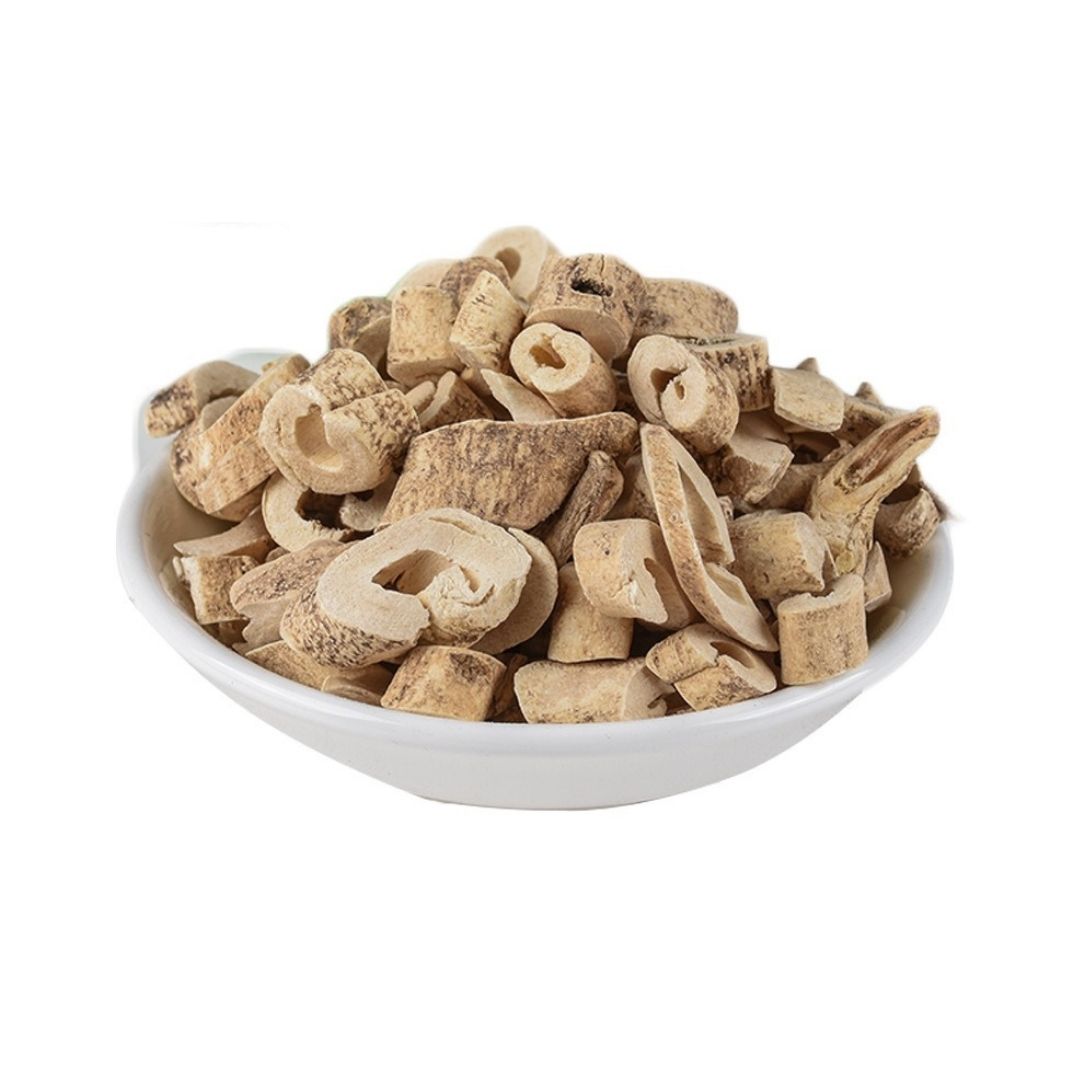
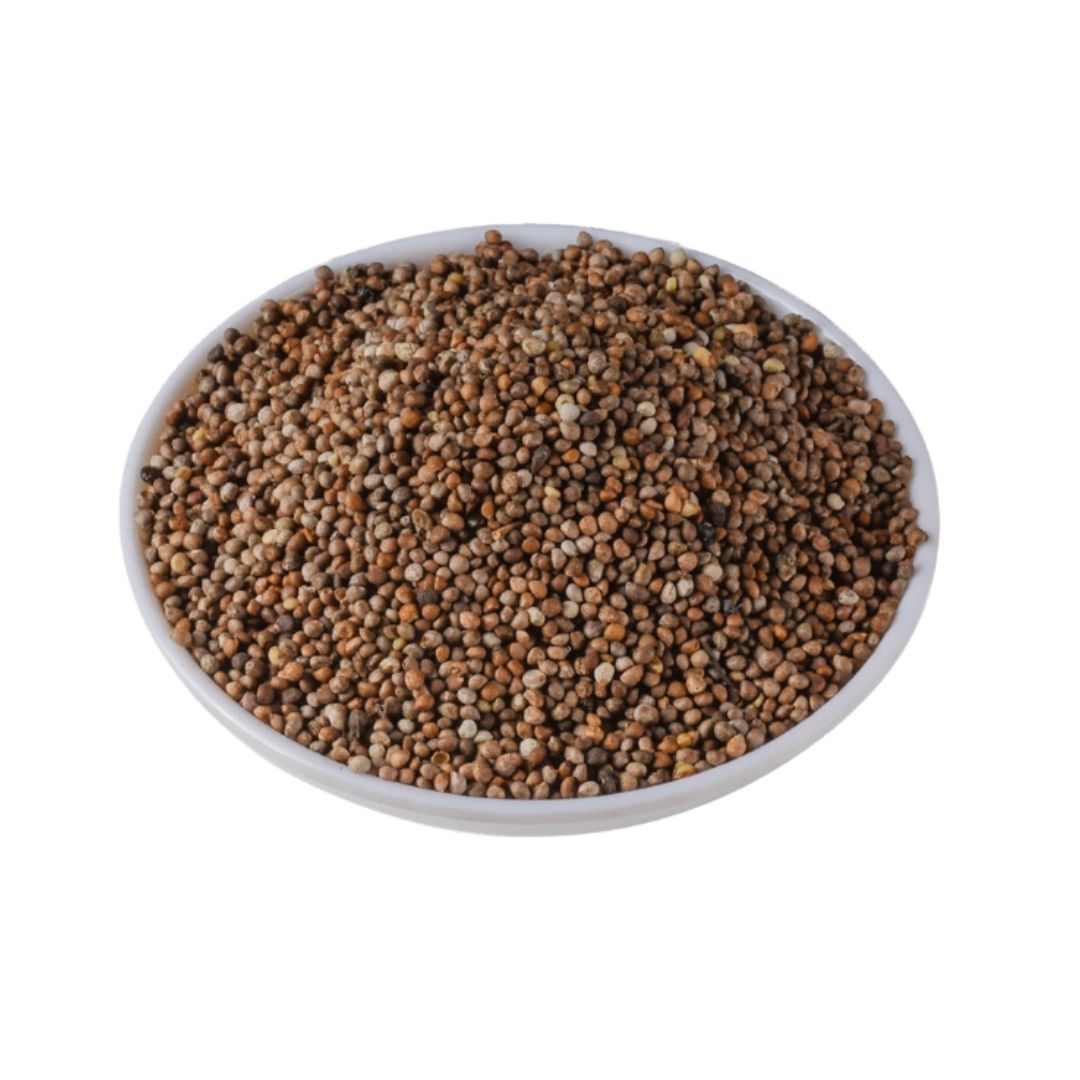
Product Introduction
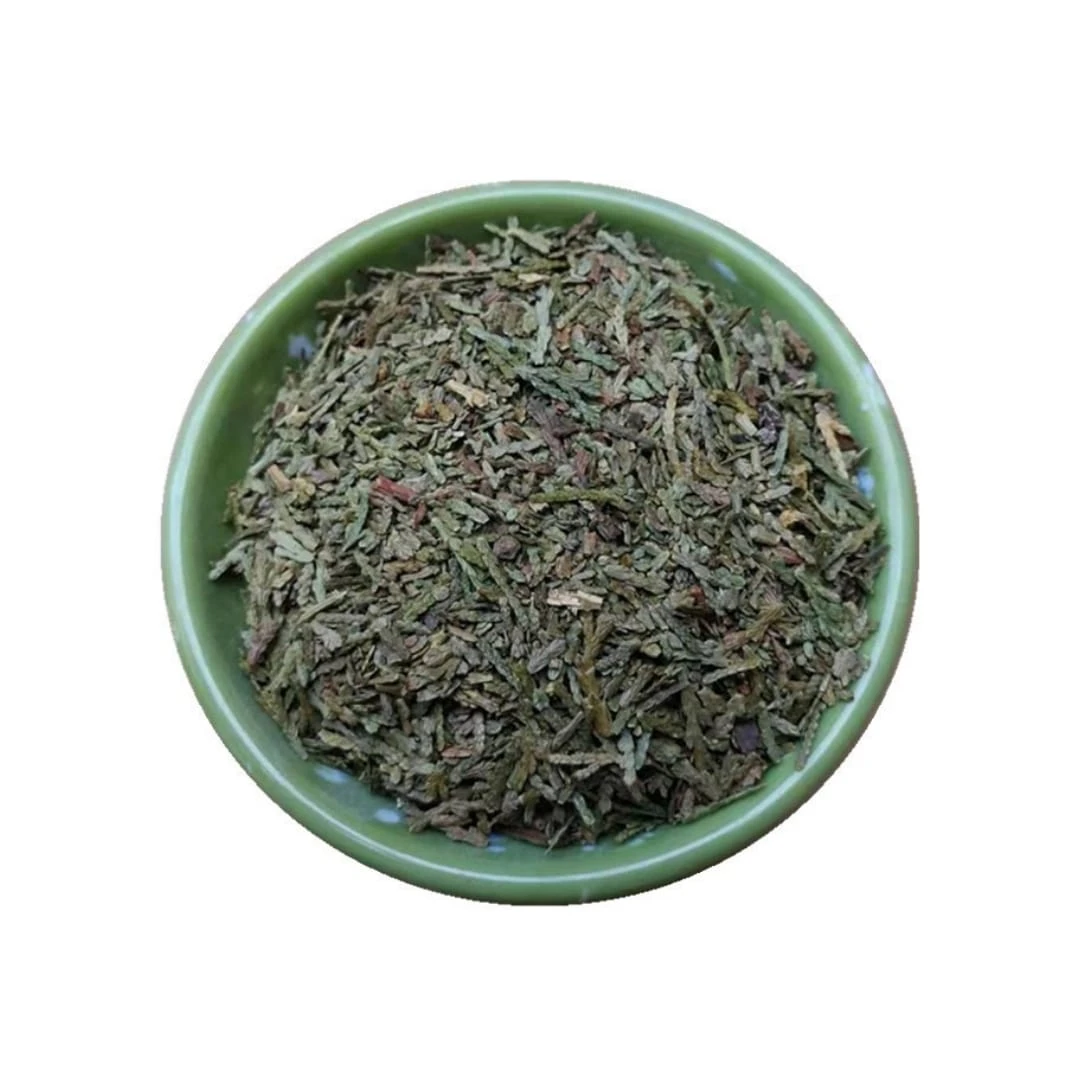
Strawberry leaf, harvested from the Fragaria plant, has a history of use in traditional medicine. It is valued for its astringent properties, which are attributed to its tannin content. Herbalists often employ strawberry leaf in preparations designed to promote well-being. The plant's leaves are typically dried to preserve their beneficial compounds. Infusions and decoctions made from strawberry leaf are commonly consumed, offering a natural approach to health maintenance.
Main Active Ingredients
The therapeutic potential of strawberry leaf is linked to its active constituents. Tannins, present in significant amounts, contribute to its astringent effect. Flavonoids, known for their antioxidant properties, are also found in strawberry leaves. Phenolic acids, another class of compounds, add to the herb's overall beneficial profile. Vitamin C, an essential nutrient, is present as well, enhancing the nutritional value of the leaf. These components work synergistically, contributing to the purported health benefits of strawberry leaf.
Product Application Scenarios, Usage, and Dosage
Strawberry leaf finds application in various health and wellness scenarios. Traditionally, it is used to support digestive health, often consumed as a tea to ease mild digestive discomfort. The astringent properties of the leaf can provide a soothing effect. It can also be applied topically as a wash or compress for minor skin irritations, thanks to its anti-inflammatory potential. In terms of usage, strawberry leaf is commonly prepared as an infusion. A typical dosage involves steeping 1-2 teaspoons of dried leaf in hot water for 10-15 minutes. This infusion can be consumed several times a day. Tinctures are another method of delivery, with dosages varying depending on the concentration and specific product instructions.
Introduction to the Source Plant, Distribution, and Growth Environment
The strawberry plant, Fragaria, is the source of strawberry leaf. This genus includes multiple species of flowering plants within the Rosaceae family. Strawberry plants are characterized by their compound leaves, white flowers, and of course, their edible fruits. The plants are widely distributed across temperate regions worldwide. They thrive in well-drained soil with ample sunlight. Strawberry plants are adaptable and can be found in gardens, fields, and woodlands. Their widespread cultivation contributes to the availability of strawberry leaf as a herbal remedy.
Harvesting, Processing, and Storage
The harvesting of strawberry leaf typically occurs in the late spring or early summer, coinciding with the plant's flowering period. The leaves are carefully collected, ensuring they are free from disease or damage. After harvesting, the leaves are thoroughly washed and spread out to dry in a well-ventilated area, away from direct sunlight. Proper drying is crucial to prevent mold growth and preserve the leaf's beneficial compounds. Once fully dried, the strawberry leaves are stored in airtight containers, away from light, heat, and moisture. This ensures the herb retains its potency and quality for extended use.
Citations
- William Boericke, MD. (2004). Pocket Manual of Materia Medica with Repertory. New Delhi: B. Jain Publishers.
- Grieve, M. (1971). A Modern Herbal. New York: Dover Publications.
- National Center for Complementary and Integrative Health (NCCIH). (n.d.). Herbs at a Glance.
Mia Wu

Hi, I’m Mia Wu! I love helping customers discover the best natural ingredients for their products. With a passion for herbs, spices, and fungi, I work to make sure you get only the finest raw materials. Let's grow together! 🌱✨