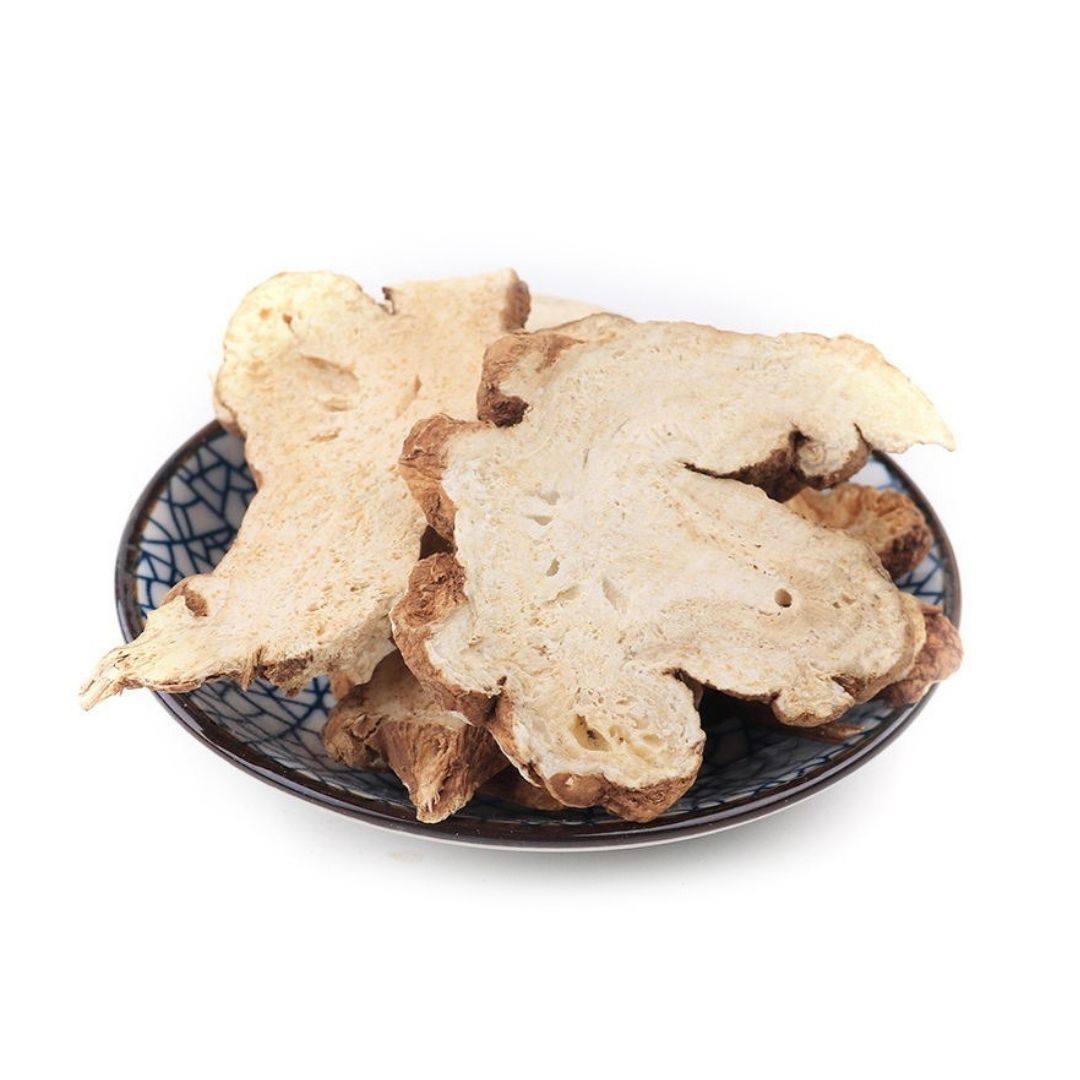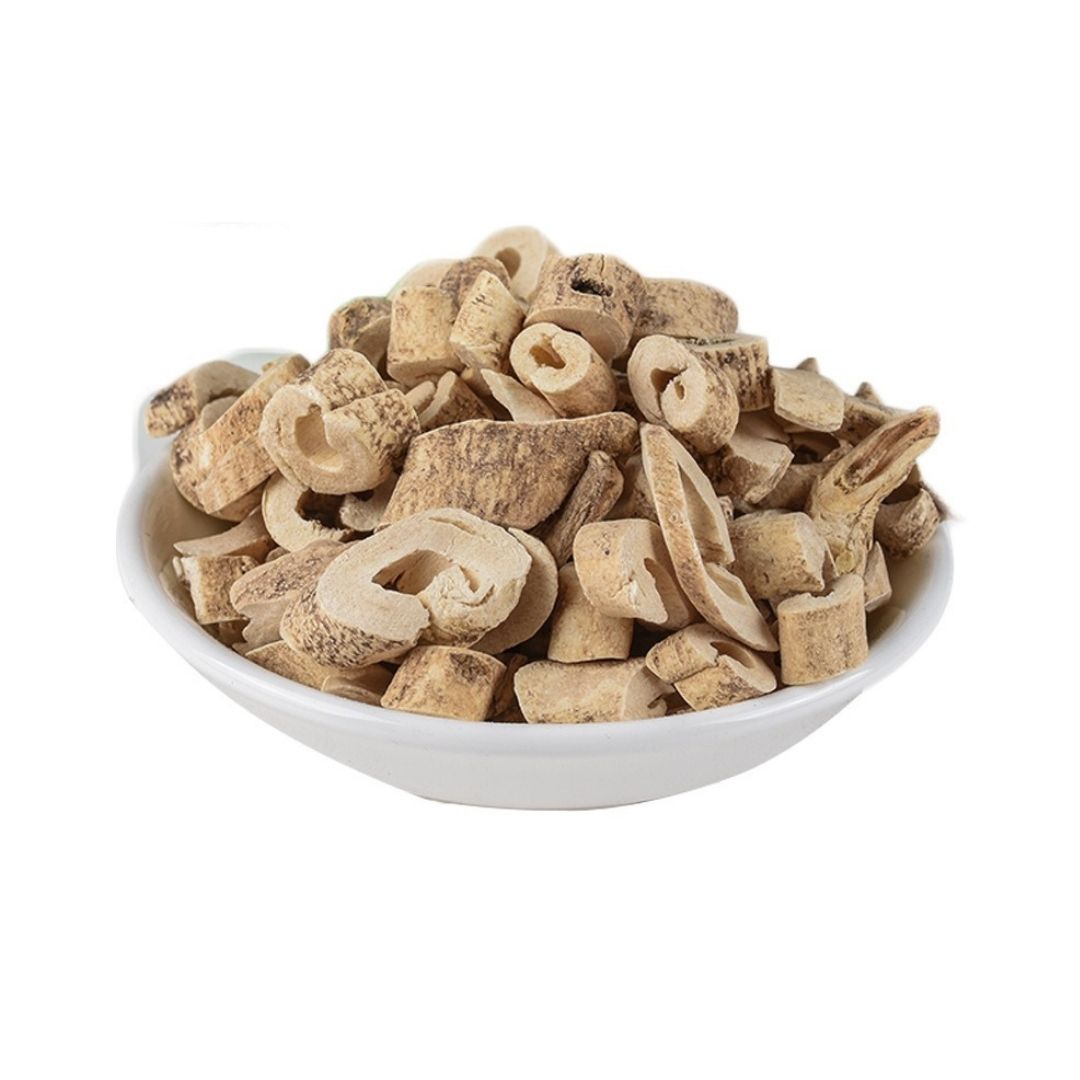


Product Introduction
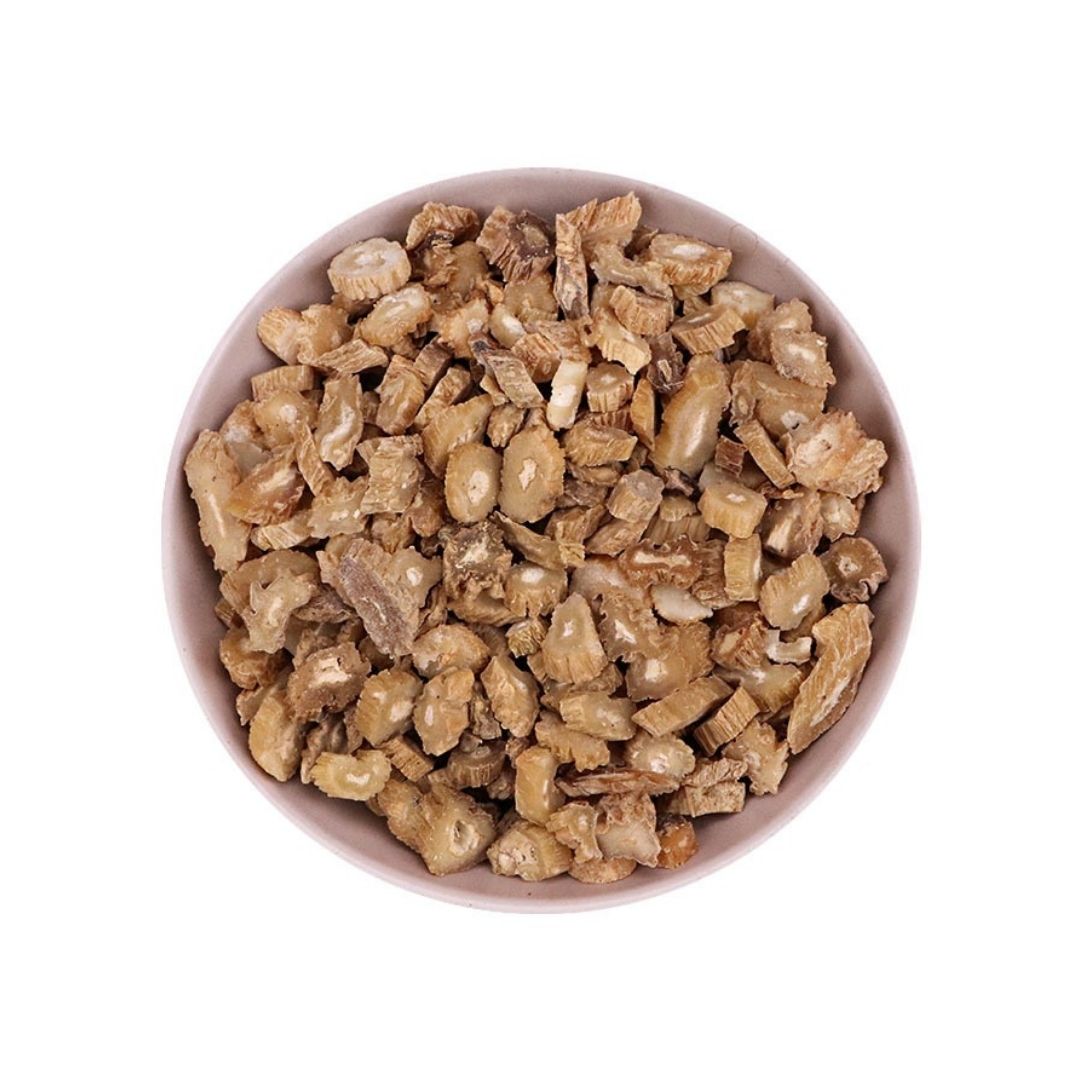
Densefruit pittany root-bark, commonly referred to as Baixian Pi in traditional Chinese medicine, refers to the dried root bark of Dictamnus dasycarpus Turcz. Its usage history in traditional medicine spans centuries, where it is valued for its unique medicinal properties. The herb is collected, processed, and prepared according to established traditional methods to ensure the maintenance of its quality and efficacy.
Main Active Ingredients
The therapeutic benefits of densefruit pittany root-bark can be attributed to its complex chemical composition. Dictamnine, a key alkaloid, contributes significantly to its pharmacological activities. Fraxinellone, a limonoid, is another important component identified in the root bark. Obacunone, also a limonoid, further enhances its therapeutic effects.
Product Application Scenarios, Usage, and Dosage
Densefruit pittany root-bark is frequently utilized in traditional Chinese medicine for addressing various health conditions. It is indicated for heat-related conditions, dampness, and skin disorders. The herb is often prepared as a decoction, where 6-12 grams of the herb are simmered in water. It is commonly combined with other herbs in formulations to treat complex health issues.
Introduction to the Source Plant, Distribution, and Growth Environment
Dictamnus dasycarpus Turcz. is the botanical source of densefruit pittany root-bark. This perennial herb is native to regions of China, Korea, and Russia. Dictamnus dasycarpus thrives in sunny environments, and it is often found in grasslands and open woodlands. The plant prefers well-drained soils.
Harvesting, Processing, and Storage
The harvesting of densefruit pittany root-bark typically occurs in the spring or autumn. The roots are collected, and the outer bark is carefully stripped. The harvested bark is then dried, often in the sun or through artificial methods, to reduce moisture content. Proper storage involves keeping the dried root-bark in a cool, dry place, away from direct sunlight, in order to preserve its medicinal properties.
Citations:
- Chen, J. K., & Chen, T. T. (2004). Chinese Herbal Formulas and Applications. Art of Medicine Press.
- Bensky, D., Gamble, A., & Kaptchuk, T. (1993). Chinese Herbal Medicine: Materia Medica. Eastland Press.
- চীনের রাষ্ট্রীয় ঔষধ প্রশাসন। (2020)। চীনা ভেষজ ঔষধের সংমিশ্রণ। চায়না মেডিকেল সায়েন্স অ্যান্ড টেকনোলজি প্রেস।
- সারাহ হিলয়ার্ড। (2018)। *প্রাচীন প্রতিকার: ঐতিহ্যবাহী চীনা ভেষজ *। টাটল পাবলিশিং।
Mia Wu

Hi, I’m Mia Wu! I love helping customers discover the best natural ingredients for their products. With a passion for herbs, spices, and fungi, I work to make sure you get only the finest raw materials. Let's grow together! 🌱✨