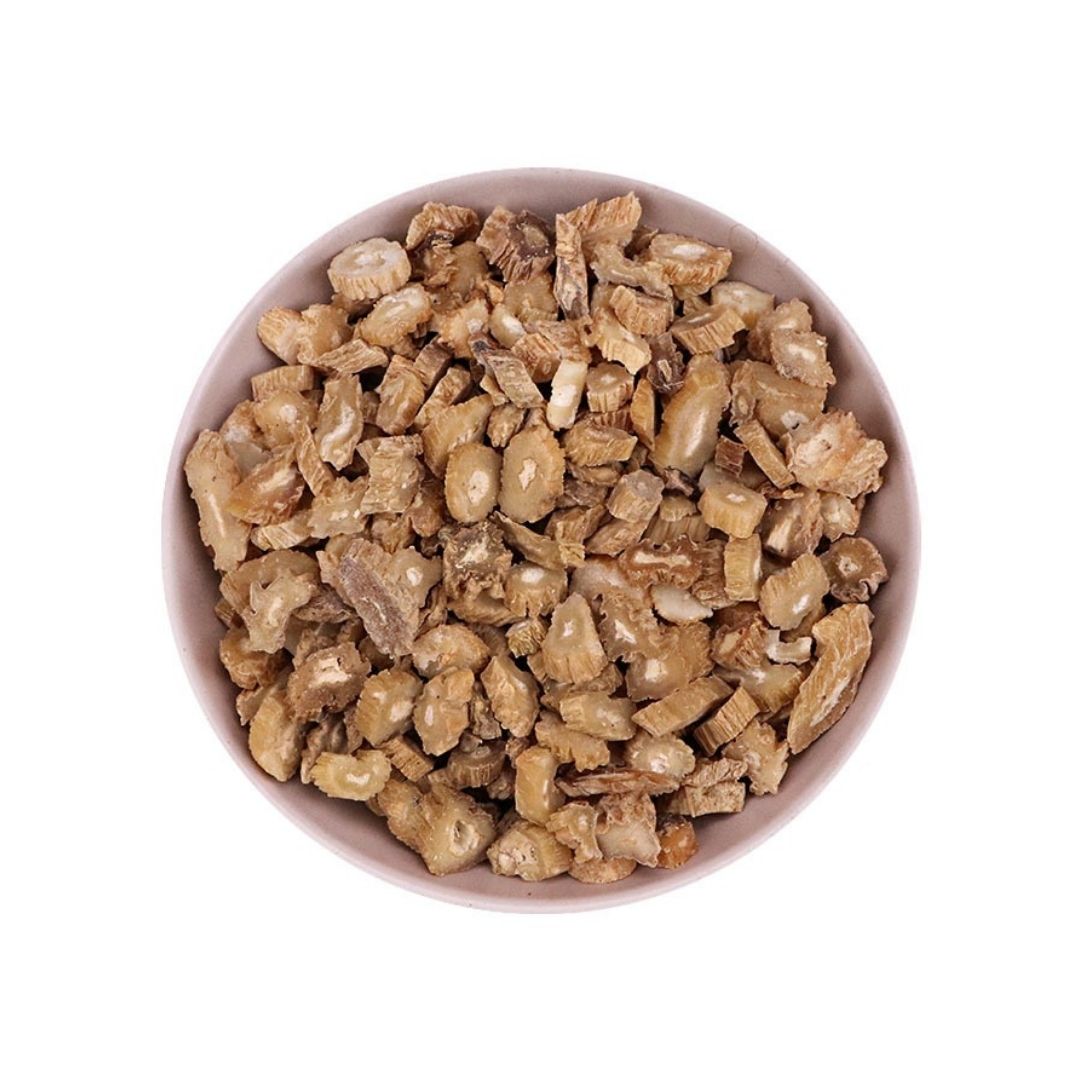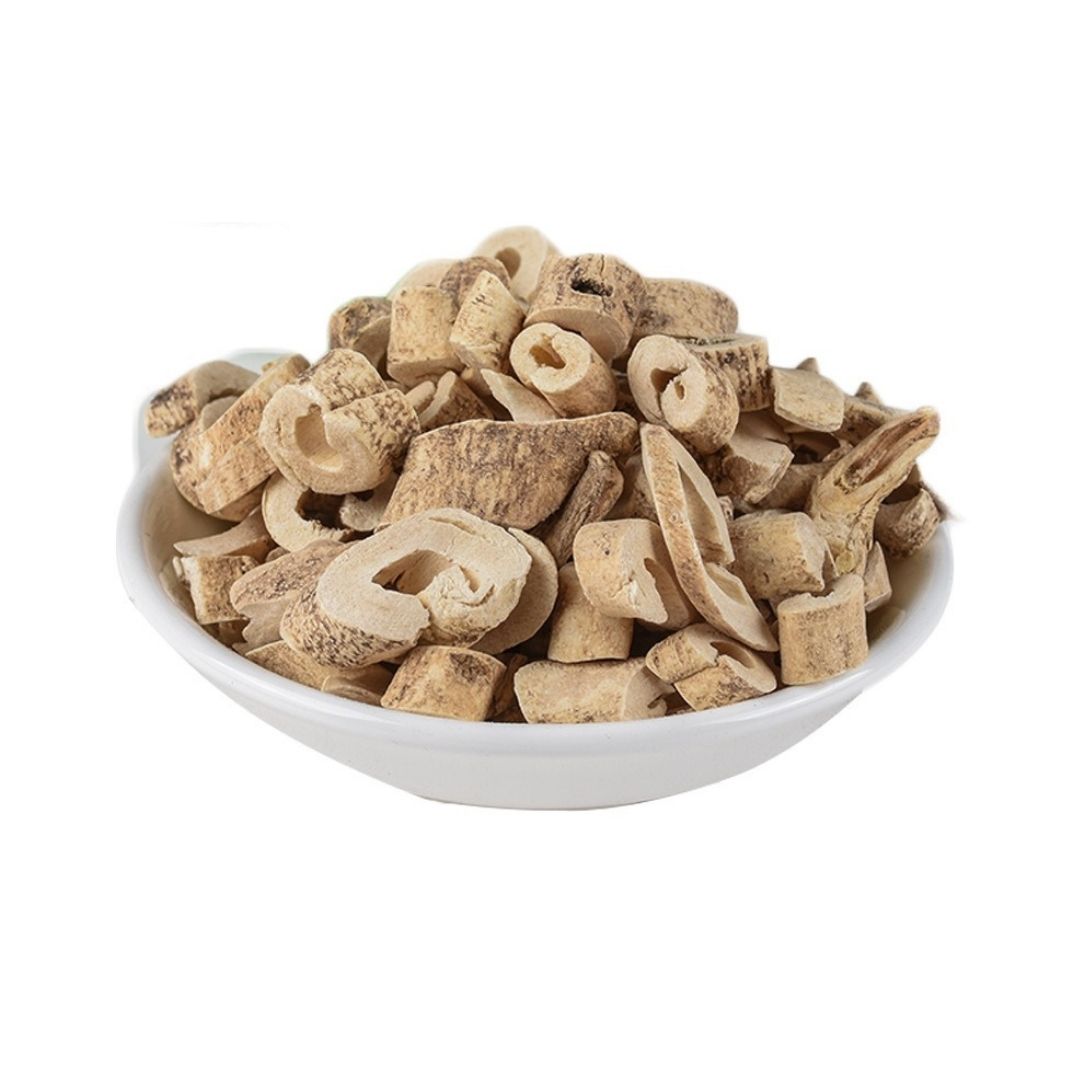


Product Introduction
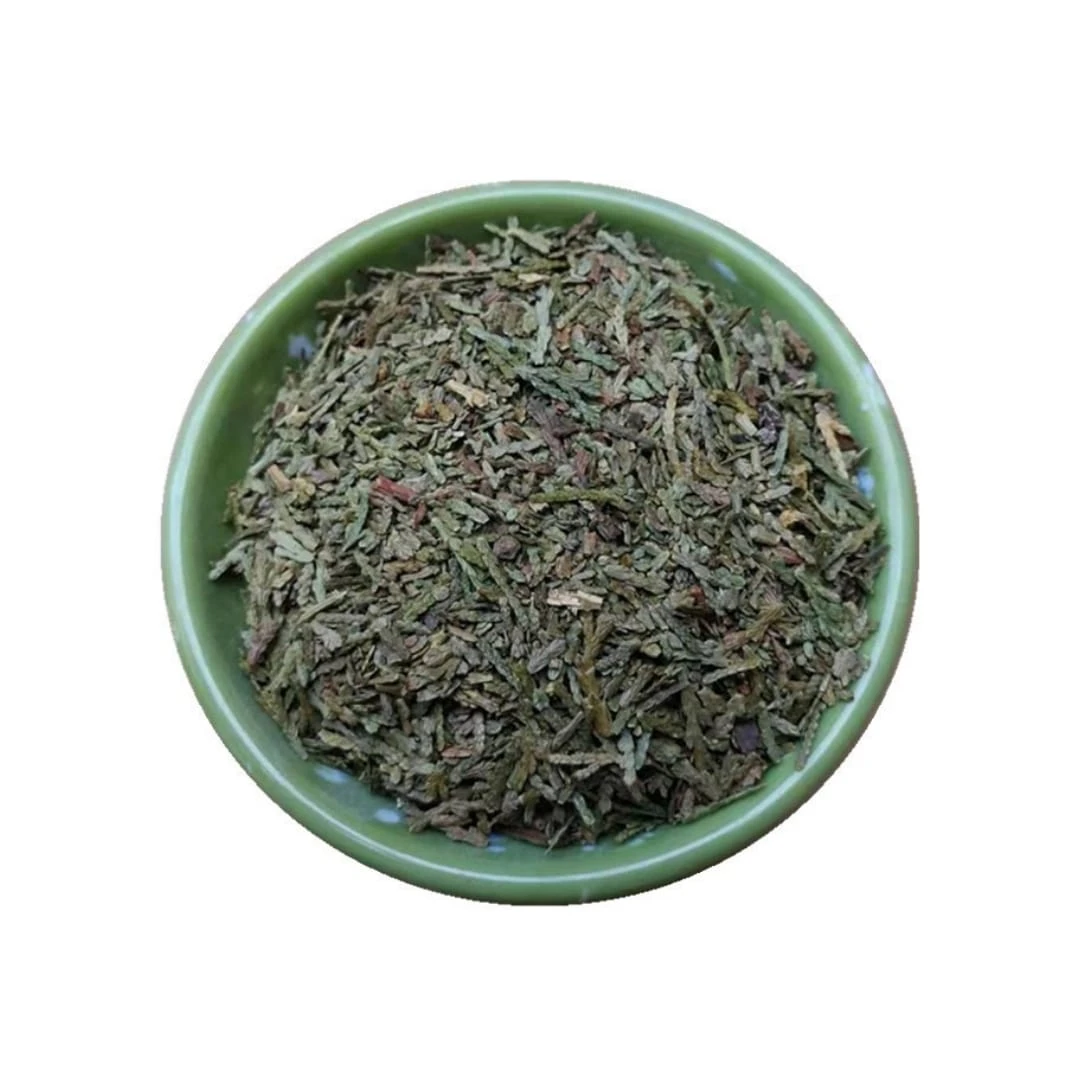
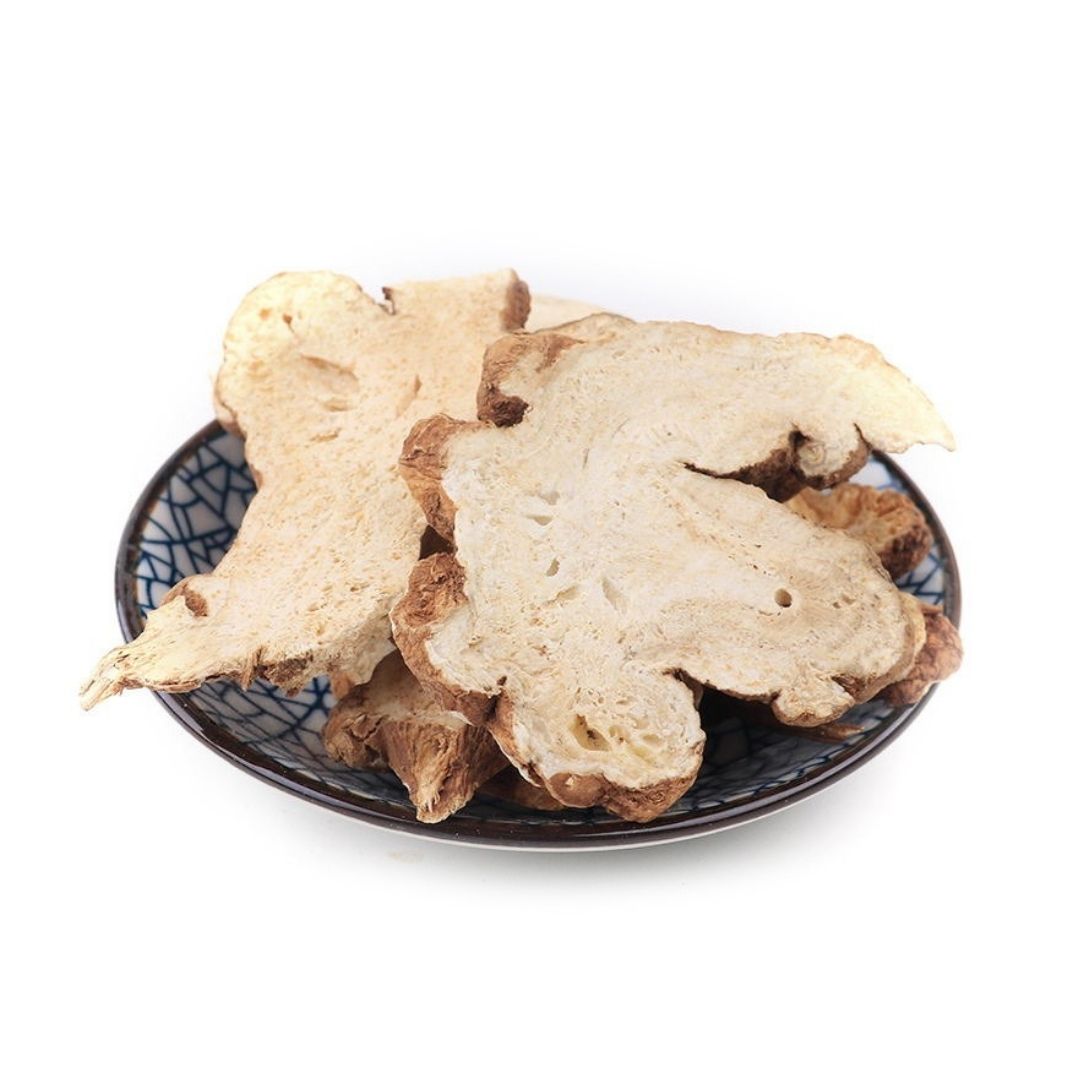
Largehead atractylodes rhizome comes from Atractylodes macrocephala and is a widely recognized component in traditional Chinese medicine. It is valued for its medicinal properties, particularly in supporting spleen function and managing dampness. The herb is prepared and used in various formulations depending on the health needs addressed.
Main Active Ingredients
The pharmacological effects of largehead atractylodes rhizome are attributed to its key chemical constituents. Atractyloside A is known for its potential anti-inflammatory properties, while atractylenolide III may influence gastrointestinal motility. These compounds contribute to the therapeutic actions of the herb in clinical applications. [1]
Product Application Scenarios, Usage, and Dosage
Largehead atractylodes rhizome is frequently used in traditional Chinese medicine to address conditions such as spleen deficiency with dampness, edema, and fatigue. It is often prescribed in herbal formulas designed to strengthen the spleen, promote digestion, and eliminate excess fluids from the body. The typical dosage ranges from 6 to 12 grams daily, generally administered in decoction form. [2] It can also be found in prepared herbal medicines designed for convenient consumption.
Introduction to the Source Plant, Distribution, and Growth Environment
Atractylodes macrocephala is a perennial herb that thrives in mountainous regions. It is primarily cultivated in the Zhejiang, Anhui, and Jiangxi provinces of China. The plant prefers cool, moist environments with well-drained soil. [3] Its adaptability to these specific conditions makes these regions ideal for its cultivation.
Harvesting, Processing, and Storage
The rhizomes of Atractylodes macrocephala are typically harvested in the late autumn or early spring. After harvesting, the rhizomes are cleaned, dried, and then cut into slices. Proper storage is crucial to maintain the quality and efficacy of the herb, which involves keeping it in a cool, dry place away from direct sunlight and moisture. [4]
Citations
[1] Chen, J. K., & Chen, T. T. (2004). Chinese Medical Herbology and Pharmacology. Art of Medicine Press.
[2] Bensky, D., Clavey, S., & Stöger, E. (2004). Chinese Herbal Medicine: Materia Medica. 3rd ed. Seattle, WA: Eastland Press.
[3] Flora of China Editorial Committee. (2011). Flora of China (English edition). Vol. 20-21. Beijing: Science Press; St. Louis: Missouri Botanical Garden.
[4] State Pharmacopoeia Commission of the People’s Republic of China. (2020). Pharmacopoeia of the People’s Republic of China. China Medical Science and Technology Press.
Mia Wu

Hi, I’m Mia Wu! I love helping customers discover the best natural ingredients for their products. With a passion for herbs, spices, and fungi, I work to make sure you get only the finest raw materials. Let's grow together! 🌱✨