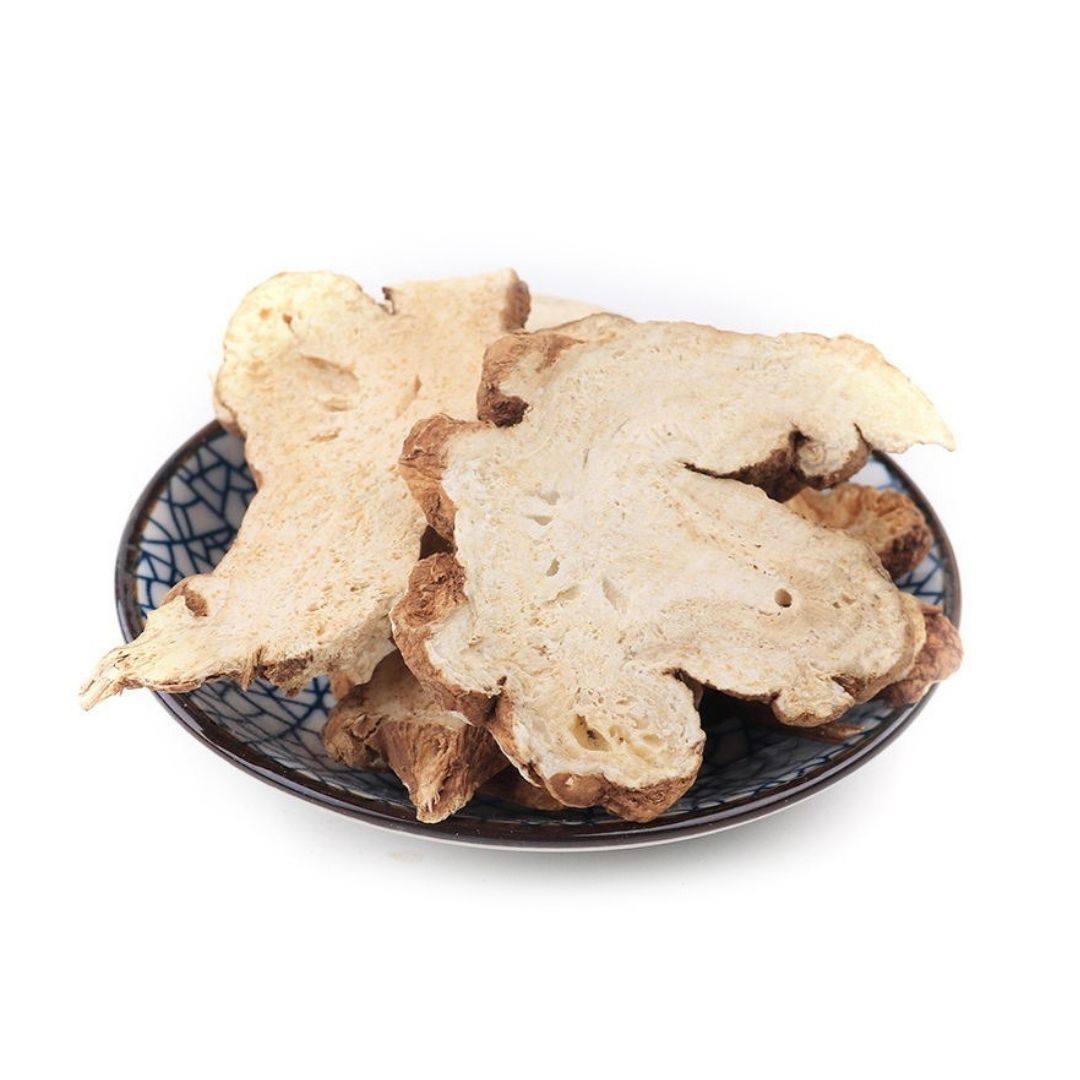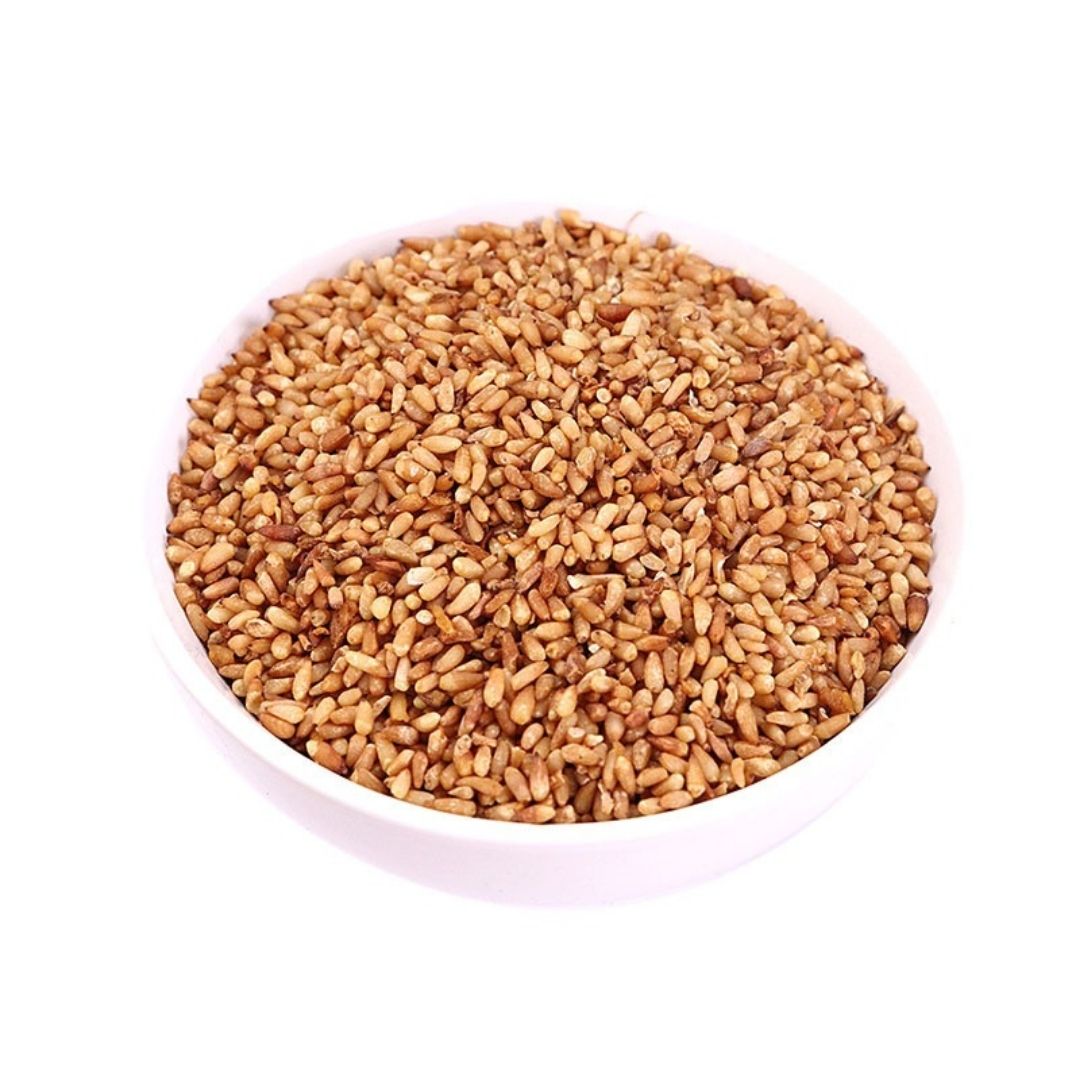


Product Introduction
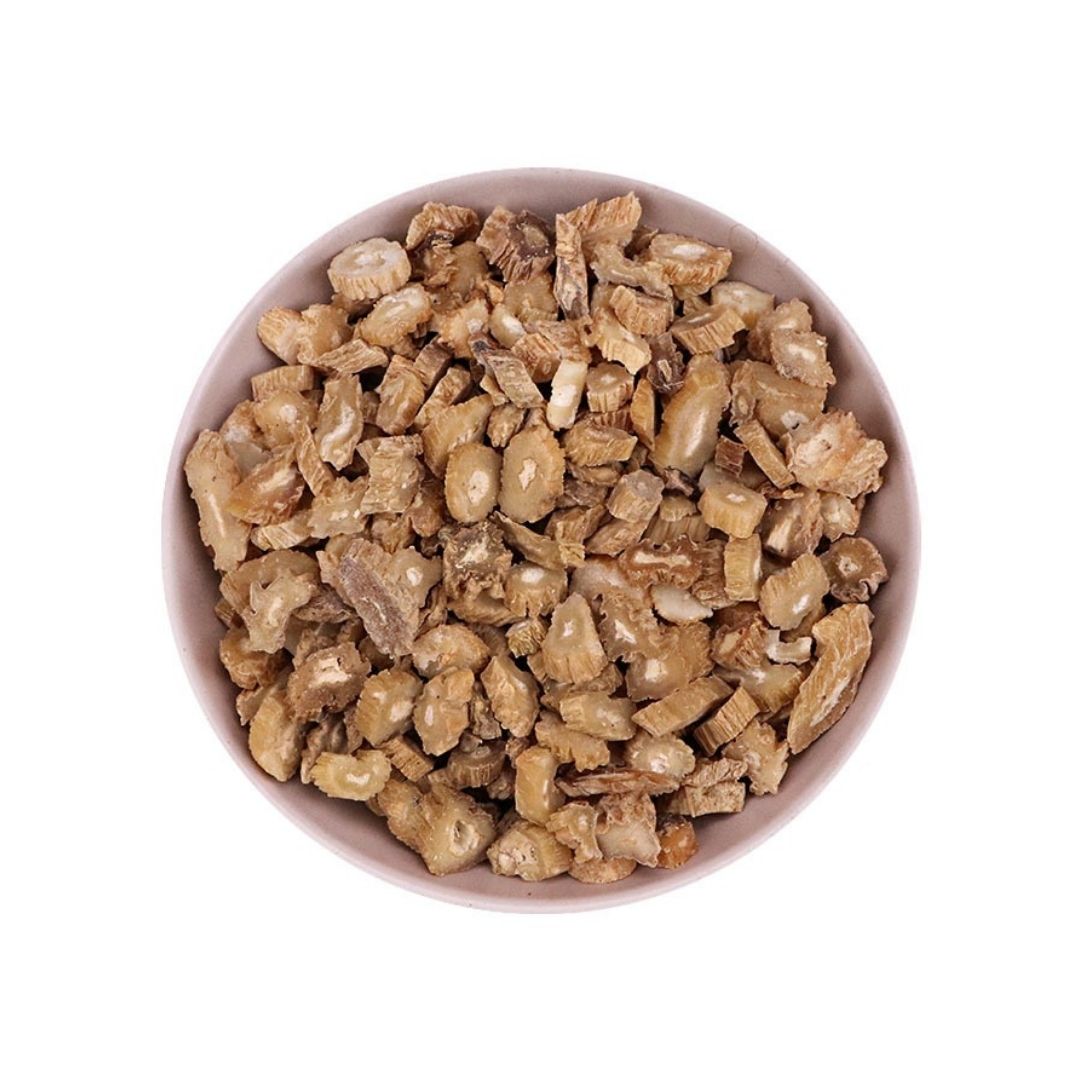
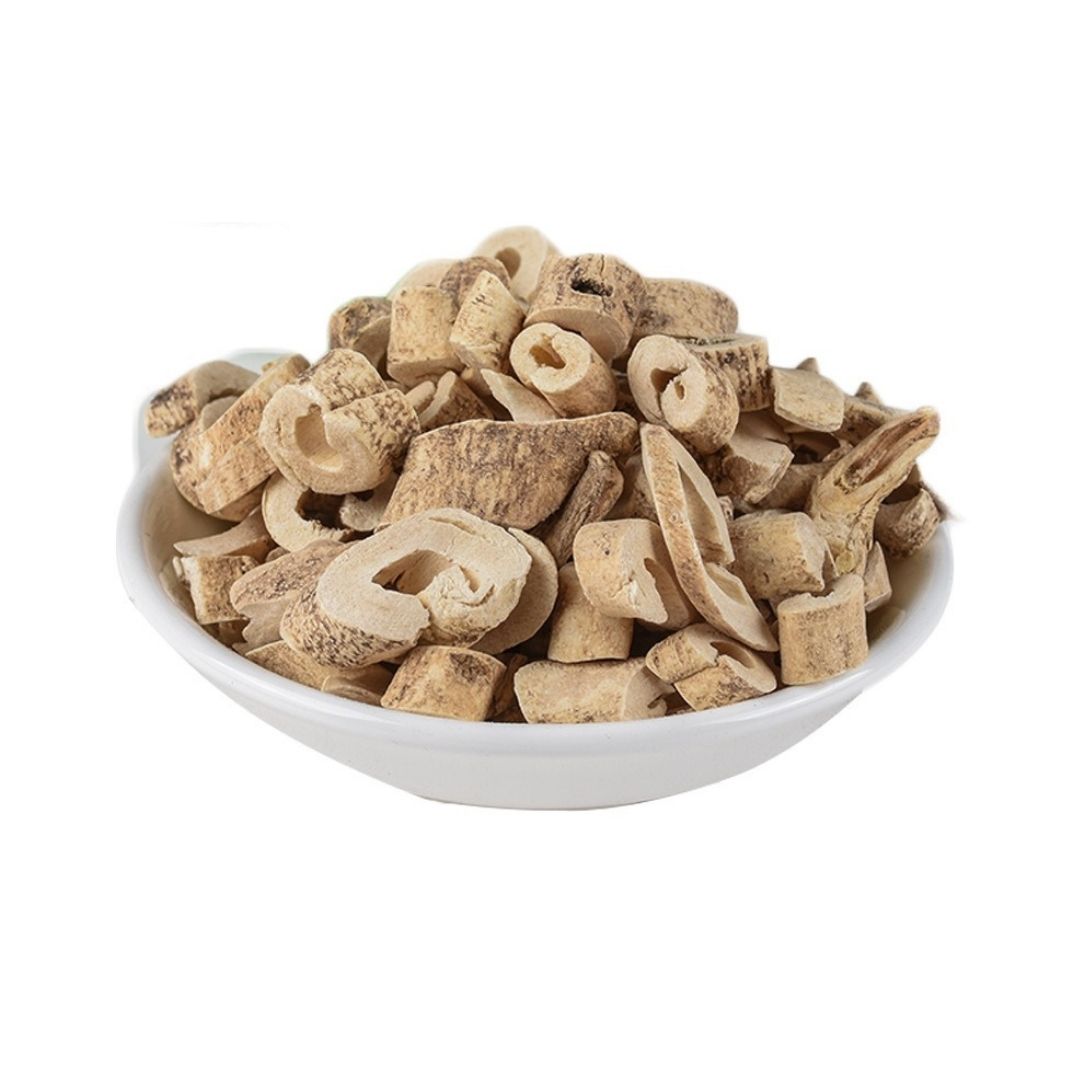
Chinese Arborvitae Seed, or Bai Zi Ren, is a commonly used herb in traditional Chinese medicine (TCM), valued for its nourishing and calming properties. It is derived from the dried, ripe seeds of Platycladus orientalis (L.) Franco, a coniferous tree native to China and other parts of East Asia. In TCM, the seed is often prescribed to address conditions related to heart and kidney imbalances, particularly those manifesting as anxiety, insomnia, and constipation.
Main Active Ingredients
The therapeutic effects of Chinese Arborvitae Seed are attributed to its complex composition of active ingredients. These include significant amounts of fatty oils, which contribute to its moisturizing and lubricating properties. Saponins are also present, which may have calming and anti-inflammatory effects. Additionally, volatile oils contribute to its distinct aroma and potentially contribute to its overall therapeutic profile. Further research is needed to fully elucidate the roles and mechanisms of action of these compounds.
Product Application Scenarios, Usage, and Dosage
In TCM, Chinese Arborvitae Seed is primarily used for its ability to nourish the heart and calm the spirit, making it suitable for individuals experiencing insomnia, anxiety, or palpitations. It is also employed to moisten the intestines and relieve constipation, especially in cases of dryness due to yin deficiency. The typical dosage ranges from 6 to 12 grams per day, usually administered in decoction form. It can be used alone or combined with other herbs to address specific symptoms. For example, it might be combined with Suan Zao Ren (sour jujube seed) for insomnia or with Yu Li Ren (apricot kernel) for constipation.
Introduction to the Source Plant, Distribution, and Growth Environment
Platycladus orientalis, the source plant of Chinese Arborvitae Seed, is an evergreen coniferous tree belonging to the Cupressaceae family. It is native to China, Korea, and parts of Russia. It thrives in a variety of environments, including mountainous regions and plains. The tree is adaptable and can grow in different soil types, though it prefers well-drained soil and sunny conditions. It is characterized by its scale-like leaves and small, cone-like fruits, within which the seeds develop. The tree is also cultivated for ornamental purposes, adding to its widespread presence in various regions.
Harvesting, Processing, and Storage
The seeds are typically harvested in the autumn when they are fully ripe. After harvesting, the seeds are dried in the sun or using mechanical means to reduce moisture content. Once dried, the seeds are processed to remove any impurities and ensure quality. Proper storage is crucial to maintain the herb's efficacy. The seeds should be stored in a cool, dry place, away from direct sunlight and humidity. Airtight containers are often used to prevent moisture absorption, which can lead to spoilage. Proper storage ensures that the herb retains its therapeutic properties for an extended period, usually up to two years.
Citations:
- Chen, J. K., & Chen, T. T. (2004). Chinese Medical Herbology and Pharmacology. Art of Medicine Press.
- Bensky, D., Gamble, A., & Kaptchuk, T. (1993). Chinese Herbal Medicine: Materia Medica. Eastland Press.
- চীনের কমিউনিস্ট পার্টি কর্তৃক প্রকাশিত নতুন ভেষজ অভিধান (New Dictionary of Chinese Herbs) সাংহাই বিজ্ঞান ও প্রযুক্তি প্রকাশনা (Shanghai Science and Technology Publishing House).
Mia Wu

Hi, I’m Mia Wu! I love helping customers discover the best natural ingredients for their products. With a passion for herbs, spices, and fungi, I work to make sure you get only the finest raw materials. Let's grow together! 🌱✨