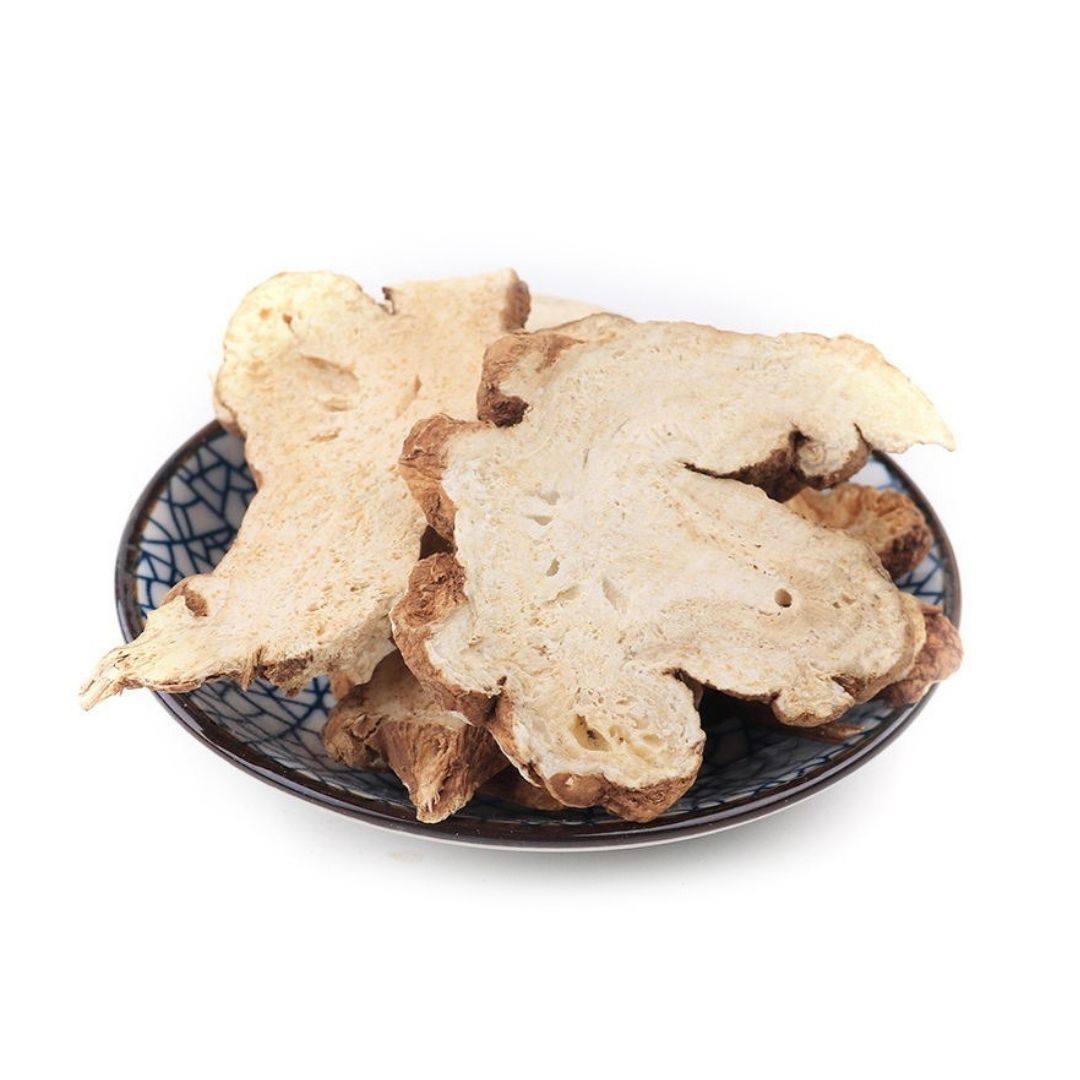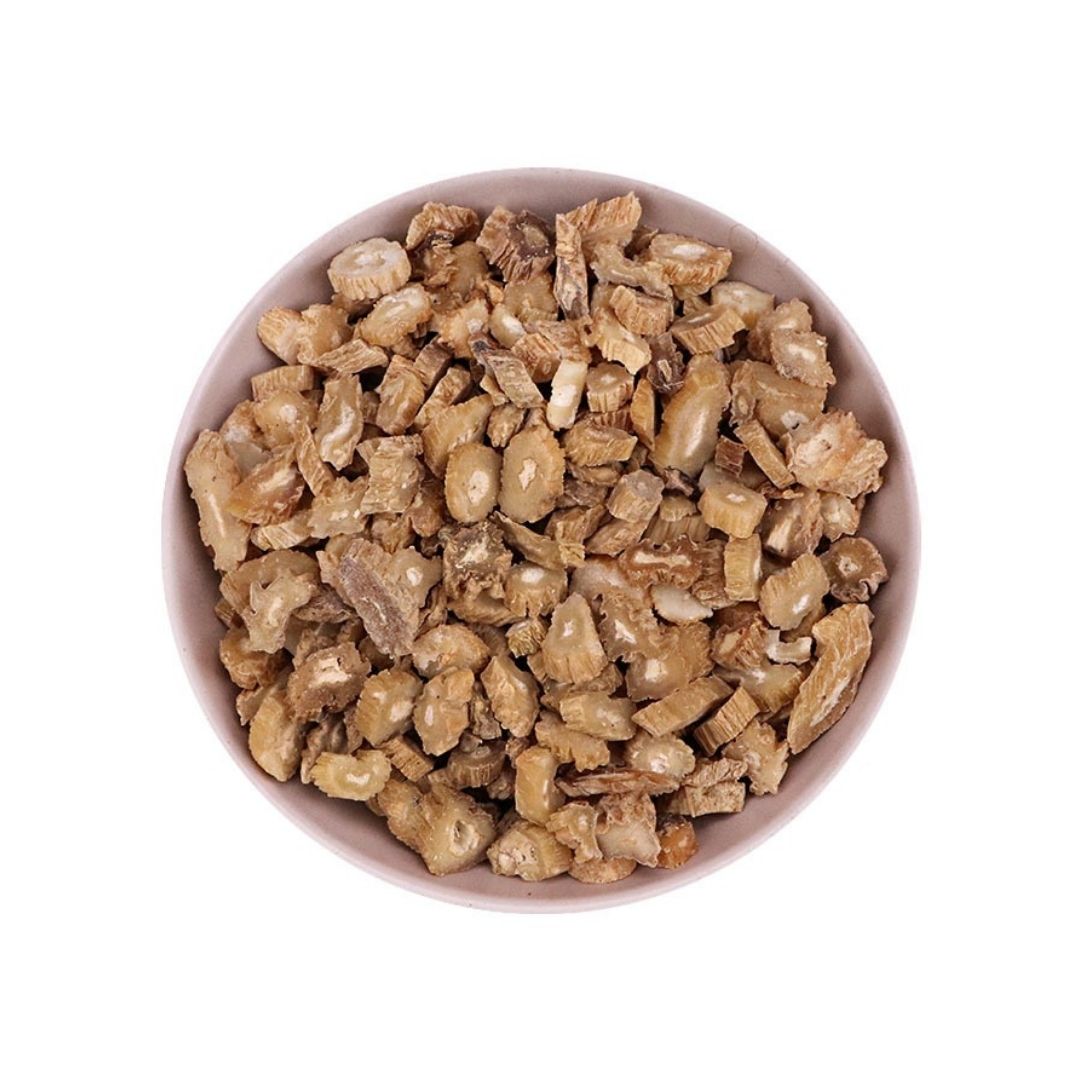


Product Introduction
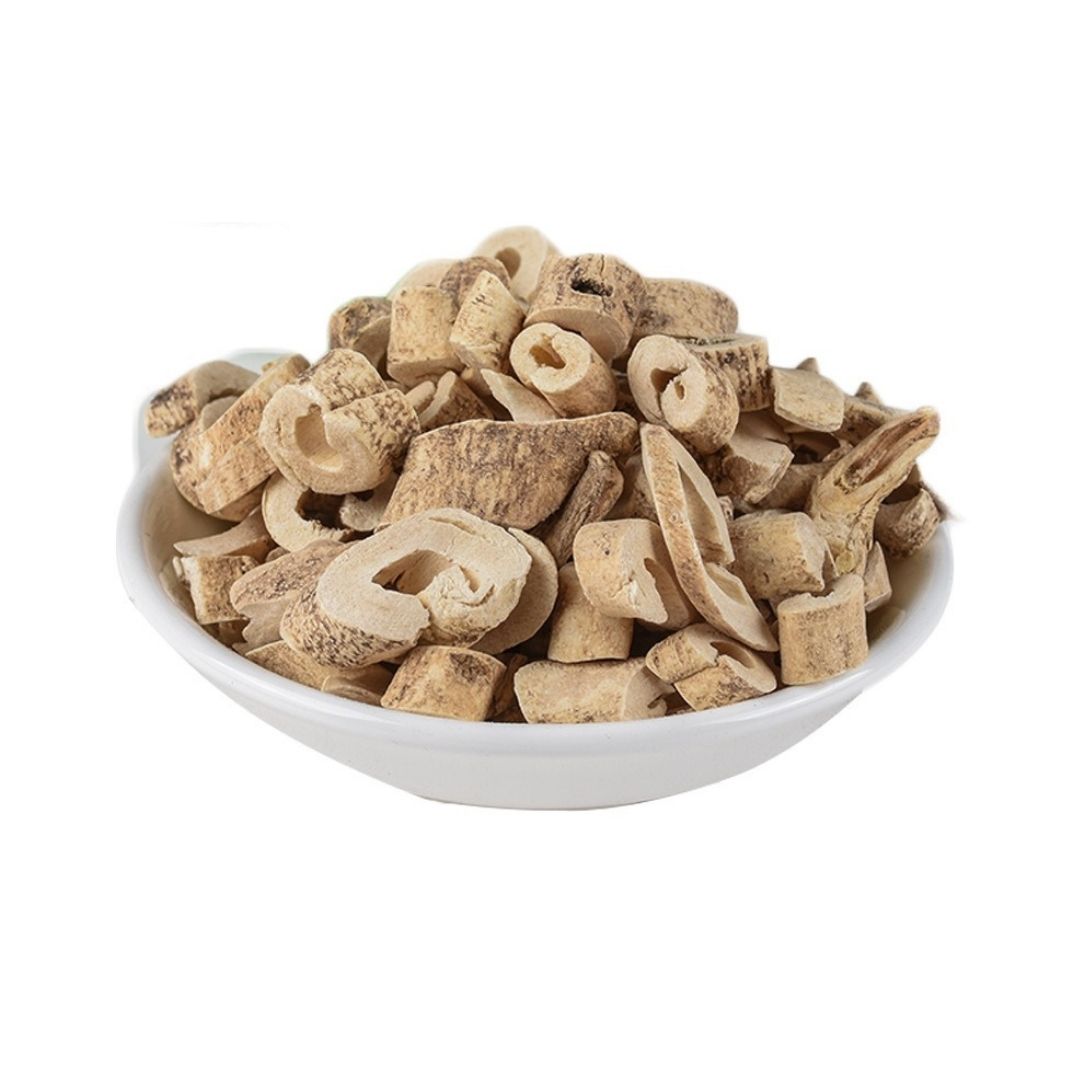
Stemonae Radix, a commonly used herb in traditional Chinese medicine, is valued for its therapeutic properties, particularly in treating respiratory conditions and parasitic infections. The herb is derived from the roots of several Stemona species, which are carefully harvested and processed to retain their medicinal qualities. This herb has a long history of use in traditional medical practices throughout Asia.
Main Active Ingredients
The medicinal effects of Stemonae Radix are largely attributed to its unique alkaloid content. Stemona alkaloids are a diverse group of compounds that exhibit various biological activities. These alkaloids have been identified as key components responsible for the herb's antitussive, insecticidal, and antimicrobial properties. Research continues to explore new potential therapeutic applications of the alkaloids found in Stemona species.
Product Application Scenarios, Usage, and Dosage
Stemonae Radix is primarily used to address coughs, particularly those associated with chronic bronchitis or pertussis. It is also employed to manage parasitic skin conditions, such as scabies and lice infestations. The herb can relieve itching and discomfort caused by these conditions.
In traditional applications, Stemonae Radix is administered either orally or topically. For internal use, a decoction is prepared by boiling the dried roots in water, and the resulting liquid is consumed. The typical dosage ranges from 3 to 9 grams, depending on the specific condition and the individual’s health status. For external use, the herb can be prepared as a wash or ointment to apply to the affected area.
Introduction to the Source Plant, Distribution, and Growth Environment
The plants that provide Stemonae Radix are perennial herbaceous vines belonging to the Stemonaceae family. Stemona sessilifolia, Stemona japonica, and Stemona tuberosa are the most commonly used species. These plants are native to East and Southeast Asia, including China, Japan, and Thailand.
These Stemona species thrive in humid, shaded environments, often found in forests, thickets, and along streams. They prefer well-drained soils rich in organic matter. The plants' vining growth habit allows them to climb on other vegetation, reaching lengths of several meters.
Harvesting, Processing, and Storage
The roots of Stemona plants are typically harvested in the autumn or winter when the plant's energy is concentrated in the roots. After harvesting, the roots are washed to remove soil and debris. They are then dried, either in the sun or using mechanical dryers, until they reach the desired moisture content.
Proper storage is crucial to maintain the quality and potency of Stemonae Radix. The dried roots should be stored in a cool, dry, and well-ventilated place, away from direct sunlight and moisture. It is recommended to store the herb in airtight containers to prevent insect infestation and preserve its medicinal properties.
Citations
- Traditional Chinese Medicine: An Authoritative and Comprehensive Guide by Henry C. Lu
- Pharmacopoeia of the People's Republic of China
- Medicinal Plants of China, World Scientific.
Mia Wu

Hi, I’m Mia Wu! I love helping customers discover the best natural ingredients for their products. With a passion for herbs, spices, and fungi, I work to make sure you get only the finest raw materials. Let's grow together! 🌱✨