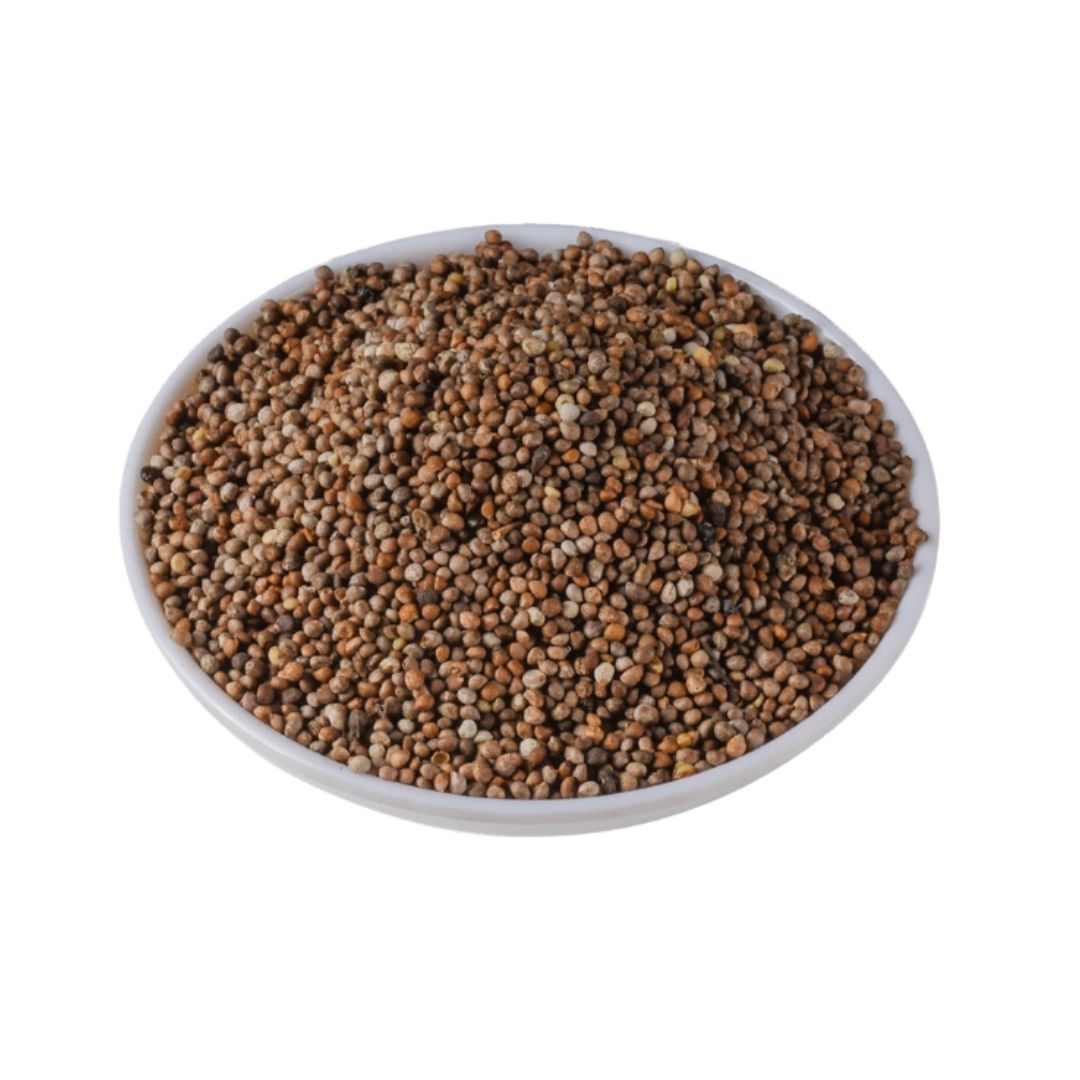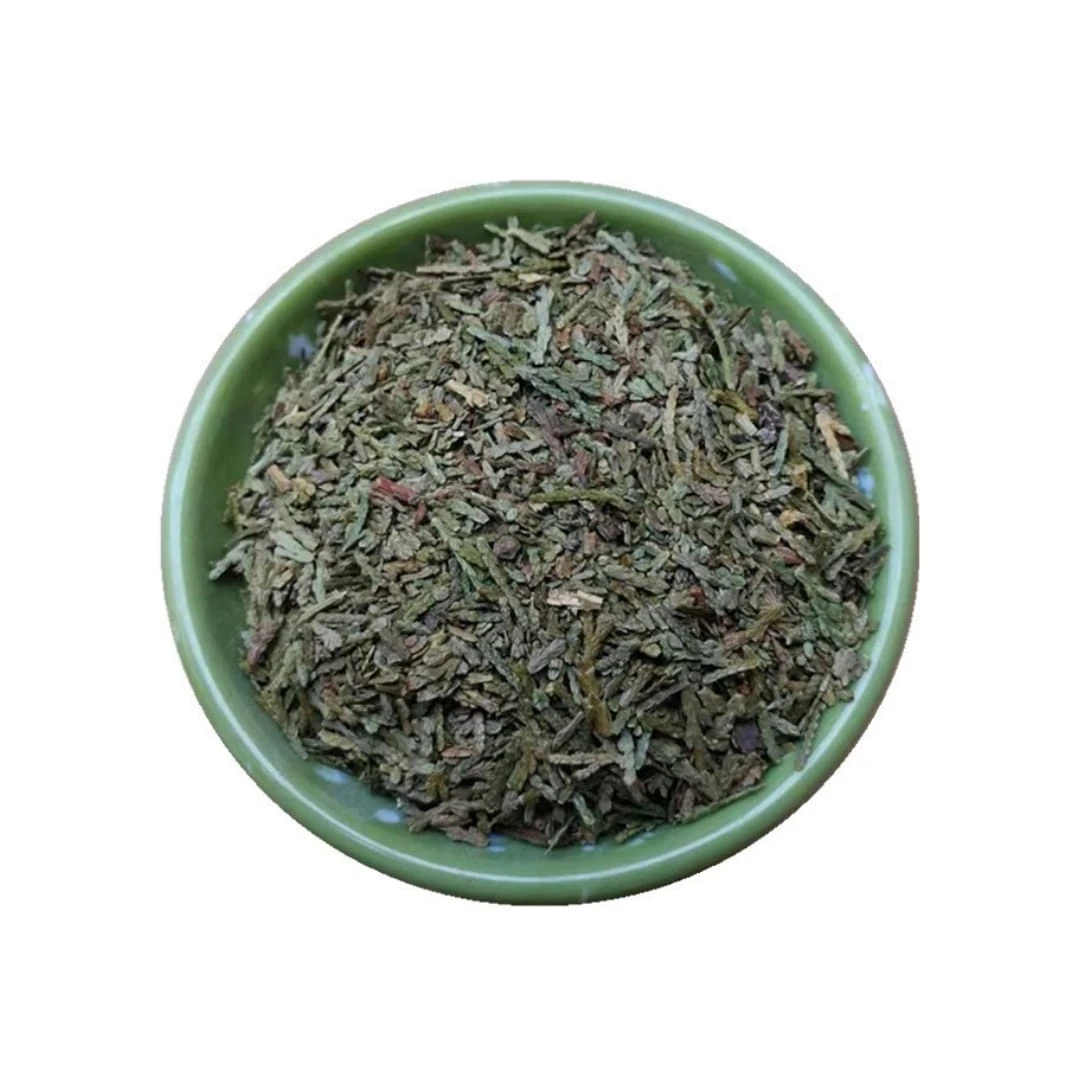


Platycladi Cacumen
- Product Name: Platycladi Cacumen.
- Alias: Ce Bai Ye, Arborvitae Twig.
- Characteristics: Slightly fragrant, bitter, and astringent.
- Source: Dried twig and leaf of Platycladus orientalis (L.) Franco, a plant of the Cupressaceae family.
- Main Ingredients: Contains volatile oils, flavonoids, and phenolic compounds.
- Taste and Channels: Bitter, astringent, slightly cold; enters the Lung, Heart, and Liver channels.
- Applications: Used to stop bleeding, clear heat, and relieve cough.
- Storage: Store in a cool, dry place, protected from moisture.
Product Introduction
Platycladi Cacumen, commonly known as Ce Bai Ye, is derived from the dried twigs and leaves of Platycladus orientalis. This herbal medicine has been used for centuries in traditional Chinese medicine (TCM) for its hemostatic, antitussive, and heat-clearing properties. The herb's efficacy is attributed to its unique blend of bioactive compounds, contributing to its diverse therapeutic applications. It is an essential component in various TCM formulations aimed at addressing different health conditions.
Main Active Ingredients
The primary active ingredients found in Platycladi Cacumen include volatile oils, such as thujone and cedrol, which contribute to its characteristic aroma and therapeutic effects. Flavonoids, including quercetin and kaempferol, are also present and known for their antioxidant and anti-inflammatory properties. Phenolic compounds further enhance its medicinal value. These constituents collectively contribute to the herb's hemostatic, expectorant, and antimicrobial actions.
Product Application Scenarios, Usage, and Dosage
In TCM, Platycladi Cacumen is commonly used to treat bleeding disorders, such as hematemesis, epistaxis, and hematuria. It is also employed to alleviate coughs, especially those associated with heat in the lungs. Additionally, it can be used topically to promote hair growth and treat certain skin conditions. The typical dosage of Platycladi Cacumen is 6-15 grams, usually administered in decoction form. For external use, it can be ground into powder or decocted for washing or applying to the affected area.
Introduction to the Source Plant, Distribution, and Growth Environment
Platycladus orientalis, the source plant of Platycladi Cacumen, is an evergreen coniferous tree native to East Asia, particularly China. It is widely cultivated in gardens and parks for ornamental purposes. The plant thrives in well-drained soils and prefers full sun exposure. Its adaptability allows it to grow in various environmental conditions, making it a common sight across different regions in China. The tree typically reaches a height of 15-20 meters and is characterized by its scale-like leaves and small, cone-shaped fruits.
Harvesting, Processing, and Storage
The harvesting of Platycladi Cacumen typically occurs in the summer and autumn seasons. The twigs and leaves are collected, and then dried in the sun or in a well-ventilated area. After drying, the herb is cut into sections and stored in a cool, dry place to prevent mold and maintain its medicinal properties. Proper storage is critical to ensure the quality and efficacy of the herb over time, preserving its therapeutic benefits for clinical use.
Mia Wu

Hi, I’m Mia Wu! I love helping customers discover the best natural ingredients for their products. With a passion for herbs, spices, and fungi, I work to make sure you get only the finest raw materials. Let's grow together! 🌱✨