

Product Introduction
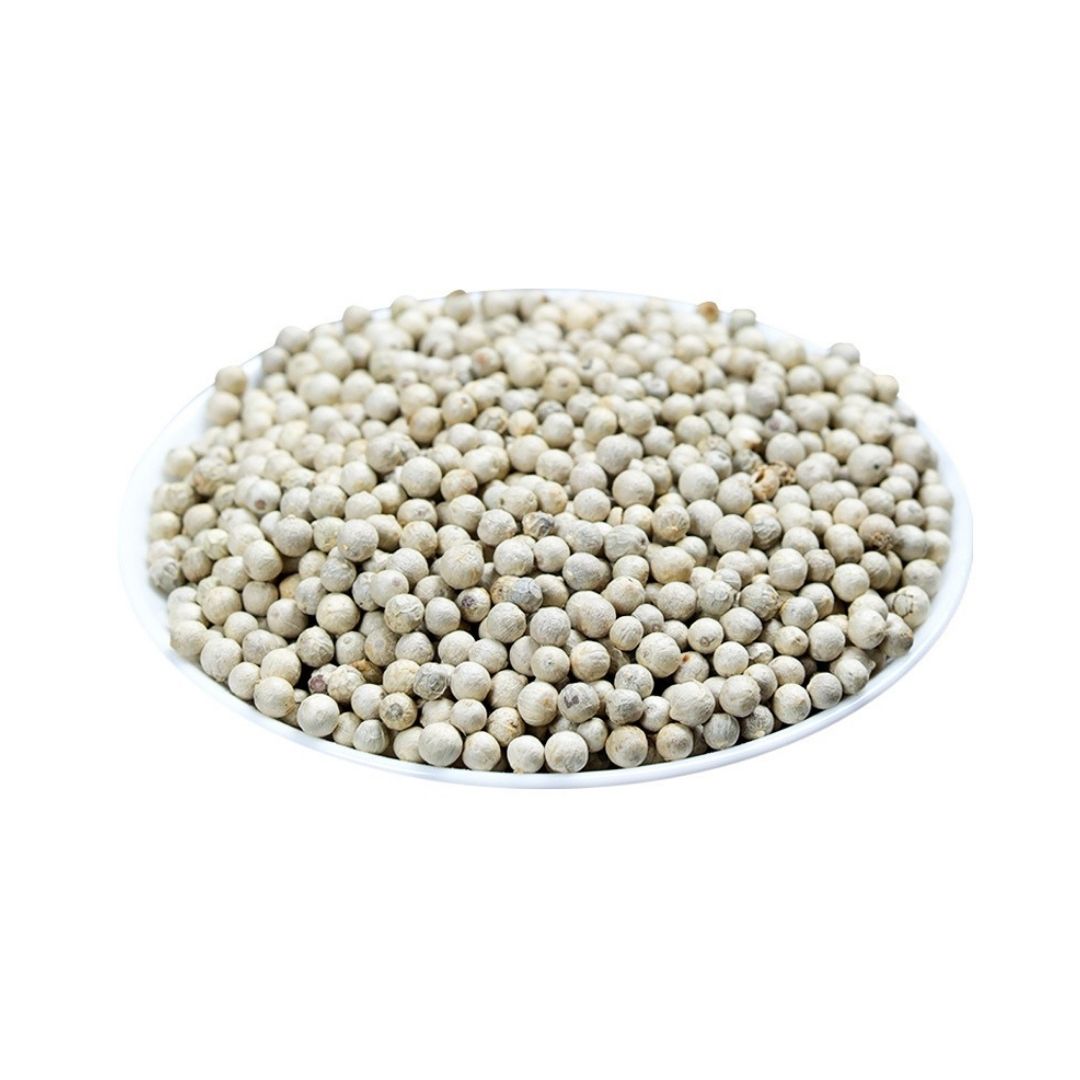
White pepper is a spice derived from the dried berries of the Piper nigrum plant, commonly known as the black pepper plant. The production of white pepper involves harvesting fully ripe pepper berries, which are then soaked in water to ferment and remove the outer pericarp. This process distinguishes it from black pepper, which is produced by drying the whole, unripe pepper berries. The removal of the outer layer gives white pepper its characteristic smooth texture and off-white to light cream color.
Originating from South India, Piper nigrum is now cultivated in various tropical regions around the world, including Indonesia, Malaysia, and Brazil. The plant thrives in warm, humid climates with well-drained soil. White pepper has been a valuable spice for centuries, appreciated for both its culinary and medicinal properties.
In terms of flavor, white pepper offers a distinct profile compared to black pepper. It is often described as having a cleaner, more pungent, and slightly musty taste. The flavor is less complex than black pepper, lacking the fruity and bright notes found in the latter. White pepper's heat is sharp and immediate, making it a preferred choice in dishes where visual aesthetics are important, such as light-colored sauces and soups.
Beyond its culinary uses, white pepper has been traditionally used in some cultures for its potential health benefits. However, the primary application remains in the culinary field, where it is used to add a spicy and aromatic dimension to a wide range of dishes. The spice is available in various forms, including whole peppercorns and ground powder, catering to different culinary needs.
Aromatic Chemical Composition
The aromatic profile of white pepper is attributed to a complex mixture of chemical compounds. Key components include:
- Piperine: Responsible for the characteristic pungency and biting taste of white pepper. [^1]
- Limonene: A monoterpene that contributes a citrusy and fresh aroma. [^2]
- Pinene: Present as alpha-pinene and beta-pinene, imparting a piney and woody scent. [^2]
- Caryophyllene: A sesquiterpene that adds a spicy, woody, and slightly clove-like note. [^2]
- Other volatile compounds: Various other trace compounds such as sabinene, myrcene, and camphene contribute to the overall complexity of the aroma. [^3]
What Types of Products Are Available?
White pepper is available in several forms to suit different culinary preferences and applications:
- Whole White Peppercorns: These are the dried, fully mature berries of the Piper nigrum plant, with the outer pericarp removed. Whole peppercorns are ideal for use in pepper grinders to freshly grind the spice as needed, preserving the aroma and flavor.
- Ground White Pepper: This is white pepper that has been ground into a fine powder. It is convenient for quick and easy use in recipes, providing a consistent flavor throughout the dish.
- White Pepper Oil/Extract: Less common but available, these products capture the concentrated flavor and aroma of white pepper in liquid form, useful for flavoring oils, sauces, and other preparations.
- White Pepper Powder in Capsules: Occasionally, white pepper is available in capsule form for dietary supplement purposes, leveraging its potential health benefits.
Application Scenarios and Usage Dosage
White pepper is a versatile spice widely used in various culinary applications. Its distinct flavor profile, characterized by a clean, pungent, and slightly earthy taste, makes it a preferred choice in dishes where a less complex and visually subtle peppery note is desired.
- Soups and Sauces: White pepper is commonly used in light-colored soups and sauces such as cream-based soups, béchamel sauce, and Asian-style broths. Its light color prevents dark specks from appearing in the dish, maintaining the aesthetic appeal. The dosage typically ranges from 1/4 to 1/2 teaspoon per 4 servings, depending on the desired level of spiciness.
- Seafood Dishes: White pepper complements the delicate flavors of seafood, such as fish, shrimp, and scallops. It can be used in marinades, rubs, or as a finishing spice to add a subtle warmth without overpowering the seafood’s natural taste. A typical dosage is 1/4 teaspoon per pound of seafood.
- Stir-fries: In Asian cuisine, white pepper is a staple in stir-fried dishes. It is often added towards the end of cooking to preserve its aroma and pungency. It pairs well with ingredients like garlic, ginger, and soy sauce. A dosage of 1/4 to 1/2 teaspoon per dish is generally recommended.
- Mashed Potatoes and Creamy Vegetable Dishes: White pepper adds a subtle spiciness and depth to mashed potatoes, cauliflower cheese, and other creamy vegetable dishes. Its mild flavor enhances the dish without changing its color. Use approximately 1/4 teaspoon per 4 servings.
- Processed Meats: White pepper is used in the production of sausages, pâtés, and terrines to provide a distinct peppery flavor. It is often combined with other spices to create a balanced flavor profile. The dosage varies depending on the recipe but is typically around 1/2 to 1 teaspoon per pound of meat.
- Egg Dishes: White pepper is excellent for seasoning egg-based dishes such as omelets, frittatas, and quiches. It adds a subtle kick and enhances the overall flavor. A pinch or two is usually sufficient for a standard omelet or quiche.
- Baked Goods: In some savory baked goods, such as cheese straws or savory muffins, white pepper can add an interesting layer of flavor. The dosage is generally kept low, around 1/4 teaspoon per batch of dough, to provide a subtle hint of spice.
Proper usage involves considering the dish's overall flavor profile and the desired level of heat. White pepper is best added towards the end of the cooking process to retain its aroma and pungency. For ground white pepper, it is important to store it properly in an airtight container away from light and moisture to prevent it from losing its flavor. When using whole white peppercorns, grinding them fresh just before use will maximize their flavor and aroma.
Introduction to the Source Plant, Distribution, and Growing Environment
The source of white pepper, Piper nigrum, is a perennial climbing vine belonging to the Piperaceae family. This plant is native to the tropical regions of South India, particularly the Malabar Coast, and has been cultivated for centuries for its valuable spice.
- Plant Characteristics: Piper nigrum is characterized by its woody stems, which can grow up to 10 meters in length, clinging to support structures such as trees or poles. The plant has heart-shaped leaves and produces small, white flowers in spikes. The fruits, known as peppercorns, grow in dense clusters, initially green and turning red when ripe.
- Distribution: While originally native to South India, Piper nigrum is now widely cultivated in many tropical regions around the world. Major growing areas include:
- Southeast Asia: Countries like Vietnam, Indonesia, Malaysia, and Thailand are significant producers of pepper.
- South America: Brazil is a major pepper-producing country in South America.
- Other Regions: Pepper is also grown in smaller quantities in countries like Sri Lanka, Madagascar, and some parts of Africa.
- Growing Environment: Piper nigrum thrives in warm, humid climates with consistent rainfall and well-drained soil. Key environmental requirements include:
- Temperature: Pepper plants require temperatures between 20°C and 35°C (68°F and 95°F) for optimal growth.
- Rainfall: A minimum annual rainfall of 2000 mm (80 inches) is necessary, with a well-distributed pattern throughout the year.
- Soil: The plant prefers fertile, loamy soils with good drainage and a slightly acidic to neutral pH (5.5 to 7.0).
- Shade: Young pepper plants benefit from partial shade to protect them from intense sunlight, while mature plants can tolerate more direct sunlight.
- Cultivation Practices: Pepper cultivation involves careful management practices to ensure high yields and quality. These include:
- Propagation: Pepper plants are typically propagated through stem cuttings.
- Support: Providing support structures for the vines to climb is essential.
- Fertilization: Regular fertilization with organic or inorganic fertilizers is necessary to maintain soil fertility and support plant growth.
- Pest and Disease Management: Monitoring and controlling pests and diseases are crucial for preventing crop losses.
Harvesting, Processing, and Storage Preservation
The harvesting, processing, and storage of white pepper are crucial steps that determine the final quality and flavor of the spice. The methods used significantly affect its color, aroma, and shelf life.
- Harvesting:
- Timing: White pepper harvesting begins when the pepper berries are fully ripe, typically indicated by their red color. This usually occurs about 6-9 months after flowering.
- Method: The entire spike of berries is harvested by hand. Careful handling is required to avoid damaging the berries.
- Processing:
- Reeting/Soaking: The harvested pepper berries are soaked in water for a period that can range from 7 to 14 days. This process, known as retting, allows the outer pericarp to soften and decompose. Traditional methods involve using slow-moving streams or tanks of water.
- Pericarp Removal: After soaking, the softened outer layer (pericarp) is removed by rubbing the berries, either manually or using mechanical means. This process exposes the white seed inside.
- Washing: The de-pericarped white peppercorns are thoroughly washed to remove any remaining debris and organic matter.
- Drying: The washed white peppercorns are dried to reduce their moisture content to a safe level for storage, typically around 12%. Drying can be done through sun-drying, which takes several days, or by using mechanical dryers for a faster and more controlled process.
- Storage Preservation:
- Drying: Ensure peppercorns are thoroughly dried to a moisture content of around 12% to prevent mold growth.
- Airtight Containers: Store white pepper in airtight containers to protect it from moisture, air, and light, which can degrade its flavor and aroma. Glass or food-grade plastic containers are suitable choices.
- Cool and Dark Place: Keep the containers in a cool, dark, and dry place. Exposure to heat and light can cause the volatile oils to evaporate, reducing the spice's potency.
- Avoid Humidity: Humidity can lead to mold growth and clumping. Ensure the storage area has low humidity levels.
- Whole vs. Ground: Whole white peppercorns retain their flavor longer than ground white pepper. Grind the peppercorns only when needed to maximize their freshness.
- Shelf Life: When stored properly, whole white peppercorns can last for several years, while ground white pepper retains its quality for about 12-18 months.
- Regular Inspection: Periodically check the stored pepper for any signs of spoilage, such as off-odors or mold growth. Discard any compromised product to prevent contamination.
[^1]: Srinivasan, K. (2007). Spices as influencers of body metabolism: an overview of three decades of research. Food Research International, 40(7), 741-753.
[^2]: Ochse, J. J., Soule, M. J., Dijkman, M. J., & Wehlburg, C. (1961). Tropical and subtropical agriculture. Macmillan.
[^3]: Parthasarathy, V. A., Chempakam, B., & Zachariah, T. J. (2008). Chemistry of spices. CABI.
Mia Wu

Hi, I’m Mia Wu! I love helping customers discover the best natural ingredients for their products. With a passion for herbs, spices, and fungi, I work to make sure you get only the finest raw materials. Let's grow together! 🌱✨