

Product Introduction
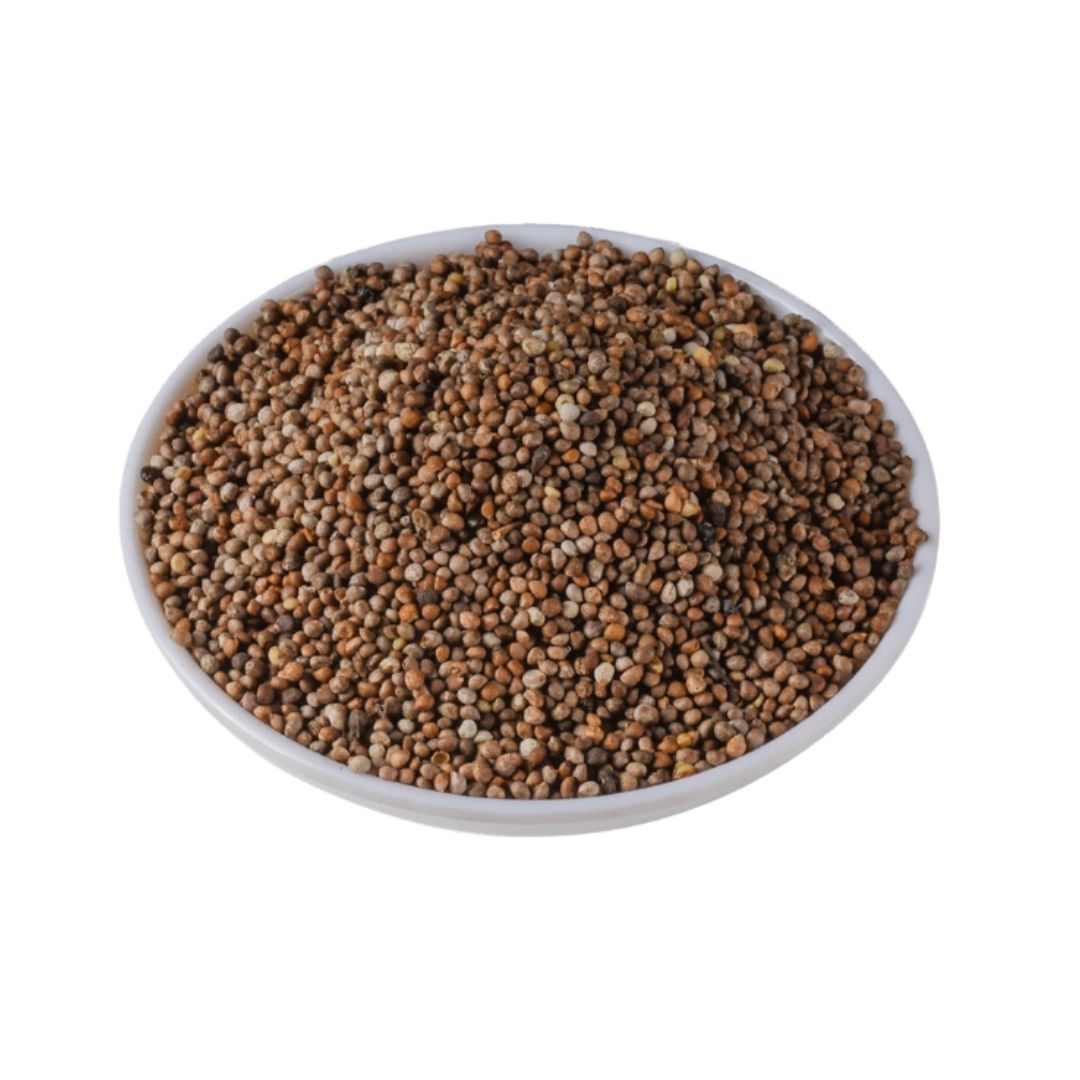
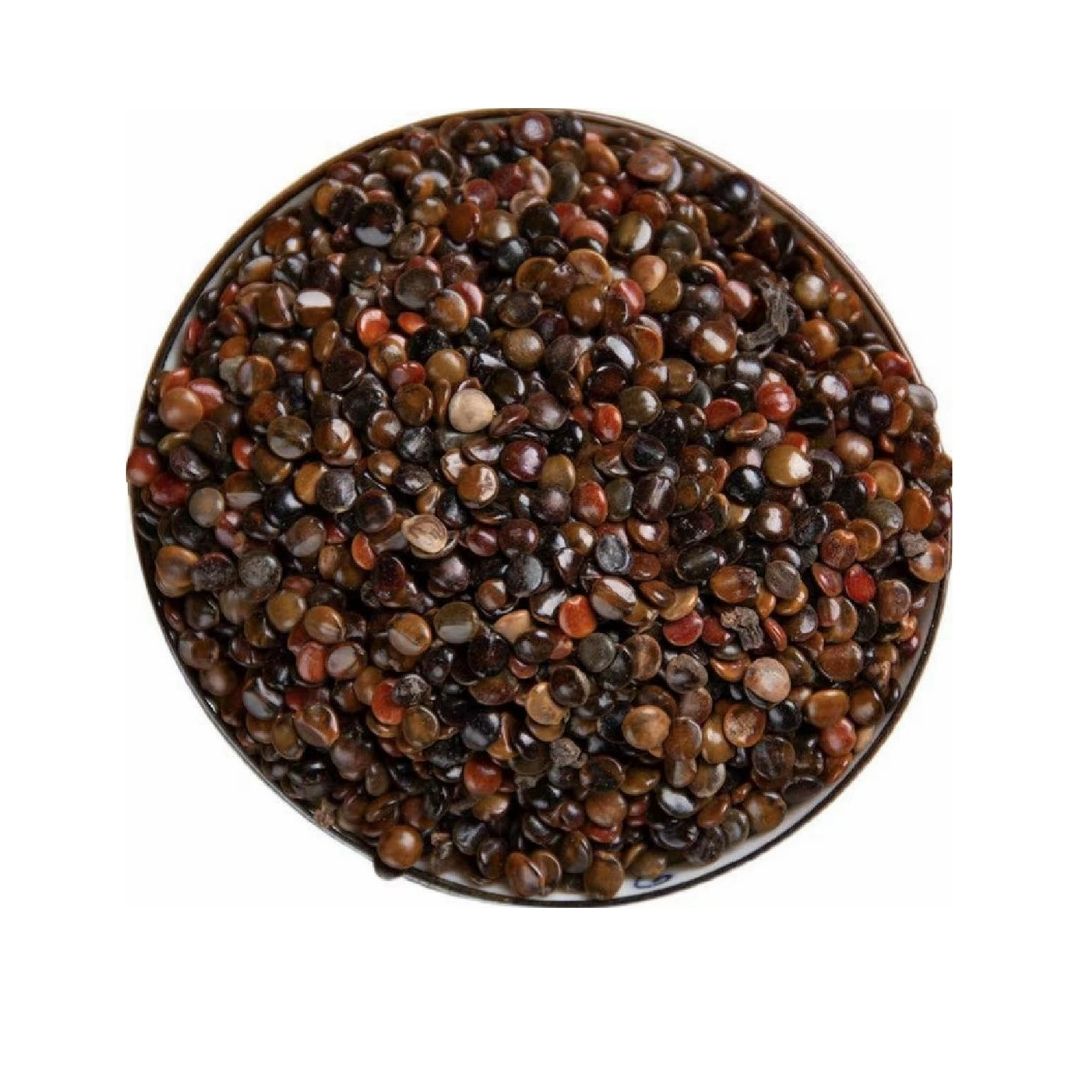
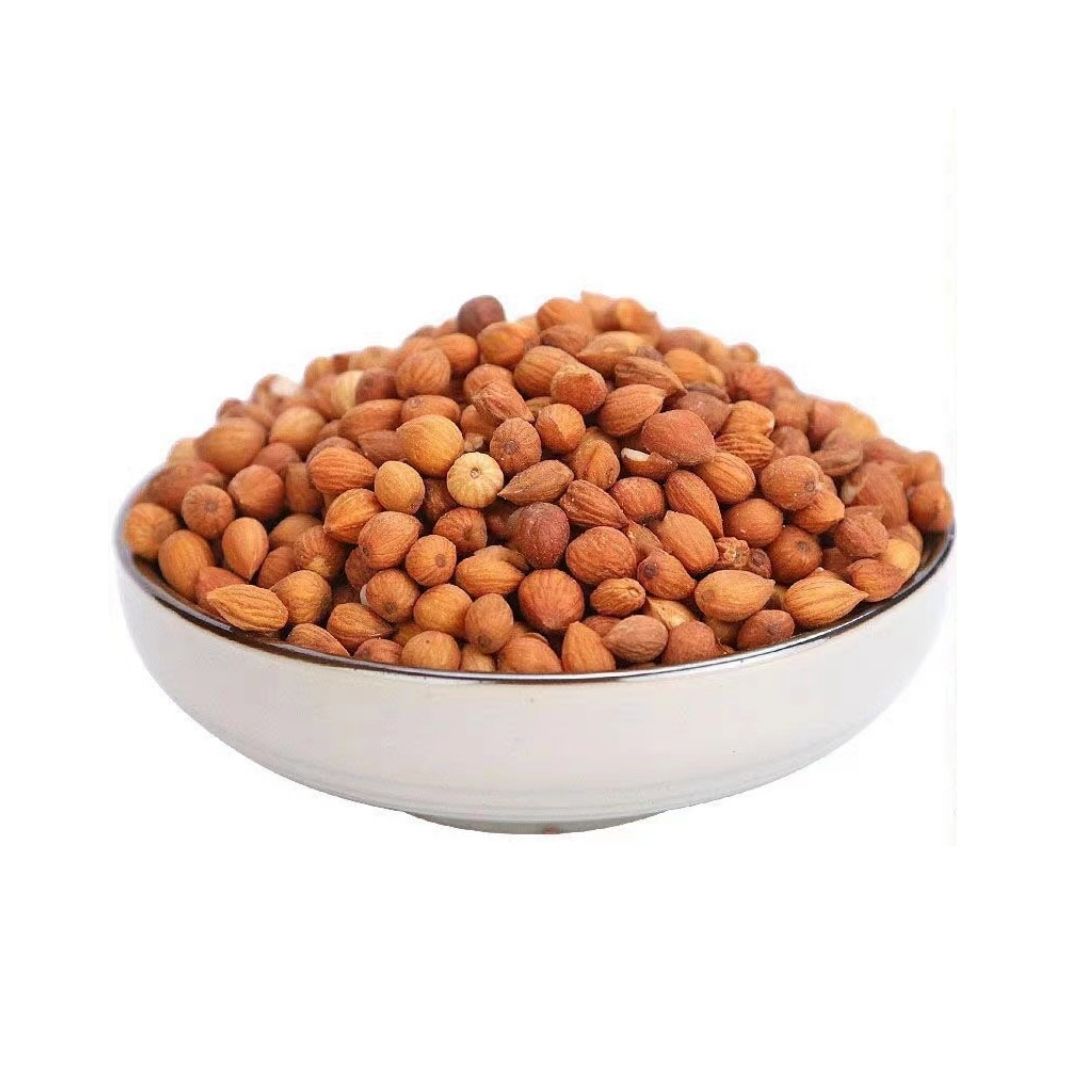
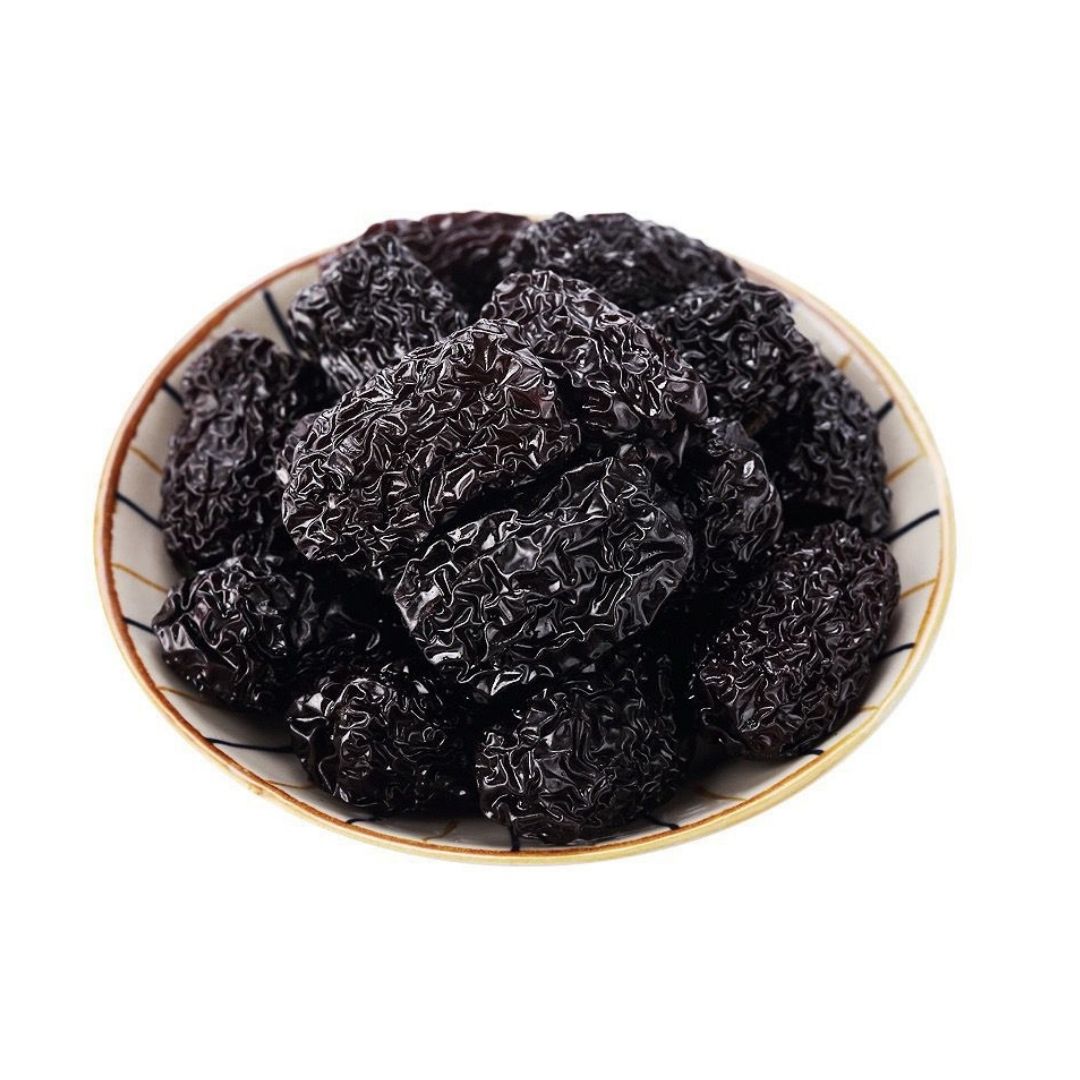
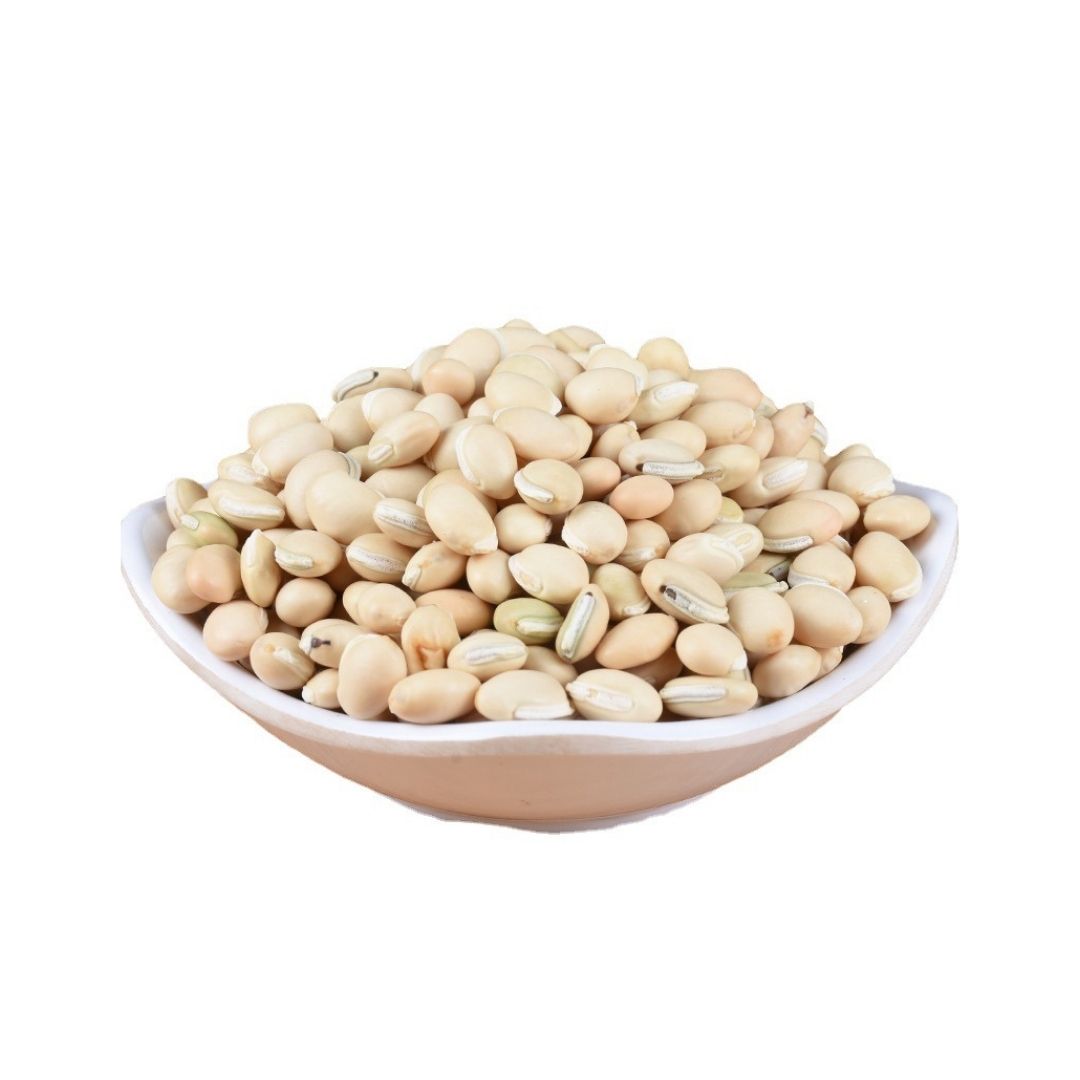
White hyacinth bean, or Bai Bian Dou, is derived from the mature seeds of Dolichos lablab L., a plant widely recognized for both its nutritional and medicinal properties. This bean is valued in traditional Chinese medicine for its ability to address various digestive issues and promote overall well-being, particularly during the summer months when dampness is prevalent.
Main Active Ingredients
The bean contains a variety of active ingredients that contribute to its therapeutic effects, including proteins, carbohydrates, various trace elements, and specific lectins. These compounds work synergistically to support digestive health and provide other health benefits. The specific lectins present play a role in its medicinal properties, influencing the body's immune response and digestive processes.
Product Application Scenarios, Usage, and Dosage
White hyacinth bean is frequently used to address conditions such as spleen deficiency, dampness accumulation, and summer heat. It is often prescribed for symptoms like diarrhea, fatigue, and poor appetite, particularly when these issues are exacerbated by hot and humid weather. Additionally, it can be used to alleviate nausea and vomiting.
In terms of usage and dosage, the bean is typically consumed cooked, either as part of a decoction or added to soups and porridge. The standard dosage is around 9-30 grams, depending on the specific condition being treated and the individual's constitution. It can be used alone or in combination with other herbs to enhance its efficacy.
Introduction to the Source Plant, Distribution, and Growth Environment
The source plant, Dolichos lablab L., is a leguminous vine that is widely cultivated in tropical and subtropical regions. It thrives in warm climates with ample sunlight and well-drained soil. The plant is known for its attractive flowers and edible pods, and it is commonly grown in gardens and farms for both ornamental and practical purposes.
In China, the plant is cultivated in many provinces, including Guangdong, Guangxi, and Yunnan. The plant adapts well to various soil types, making it a versatile crop for different agricultural settings. Its ability to fix nitrogen in the soil also contributes to its value as a sustainable crop.
Harvesting, Processing, and Storage
The beans are harvested when they are fully mature, typically in the autumn. After harvesting, the beans are dried in the sun or using mechanical dryers to reduce their moisture content. Proper drying is essential to prevent spoilage and maintain their quality.
Once dried, the beans are processed to remove any impurities and sorted according to size and quality. They are then stored in a cool, dry place, away from direct sunlight and moisture. Proper storage is crucial to preserve their medicinal properties and prevent insect infestation. The beans are often kept in airtight containers or bags to protect them from environmental factors that could compromise their quality.
Citations
- https://www.ncbi.nlm.nih.gov/pmc/articles/PMC10397416/
- https://pfaf.org/user/Plant.aspx?LatinName=Dolichos+lablab
- https://plants.ces.ncsu.edu/plants/dolichos-lablab/
Mia Wu

Hi, I’m Mia Wu! I love helping customers discover the best natural ingredients for their products. With a passion for herbs, spices, and fungi, I work to make sure you get only the finest raw materials. Let's grow together! 🌱✨