

Product Introduction
Vietnamese Millet Pepper, scientifically known as Capsicum frutescens, is a small, round chili pepper renowned for its intense heat. Originating from Southeast Asia, particularly Vietnam, these peppers are a staple in local cuisines, adding both flavor and significant pungency to dishes. The plant itself is a perennial shrub that produces numerous small, spherical fruits, typically measuring 1 to 2 centimeters in diameter. When ripe, these peppers exhibit a vibrant red color, signaling their peak flavor and heat intensity.
The primary compounds responsible for the pepper's fiery character are capsaicinoids, chiefly capsaicin and dihydrocapsaicin. These compounds trigger the heat receptors in the mouth, creating the burning sensation associated with chili peppers. Beyond their culinary applications, Vietnamese Millet Peppers have also been used in traditional medicine for their purported analgesic and anti-inflammatory properties. They are also cultivated as ornamental plants, adding a decorative element to gardens with their bright red fruits and compact size. Its small stature paired with ample fruit makes it suitable for container gardening and small spaces.
The pepper's chemical composition includes various carotenoids, which contribute to its color and act as antioxidants. Vitamins A and C are also present, adding nutritional value to the spice. In culinary use, the Vietnamese Millet Pepper is versatile, used fresh, dried, or pickled. It imparts a distinctive heat and subtle fruity flavor to a wide range of dishes, from stir-fries and soups to sauces and marinades. Proper storage in a cool, dry place is essential to maintain the pepper's quality and pungency over time.
Aromatic Chemical Composition
The aromatic profile of Vietnamese Millet Pepper is largely determined by its volatile compounds. Though the focus is mostly on the heat from capsaicinoids, other compounds play supporting roles.
- Capsaicinoids: Primarily capsaicin and dihydrocapsaicin, responsible for the intense heat. The ratio between these two compounds can influence the perceived heat profile. Higher concentrations of capsaicinoids equals a higher Scoville heat unit rating.[1]
- Volatile Esters: Ethyl and methyl esters contribute fruity and sweet nuances.
- Aldehydes: Contribute green and grassy notes to the overall aroma. An example would be hexanal, at a low threshold.
- Terpenoids: Contribute subtle citrus or piney notes, adding complexity to the aroma.
What Types of Products Are Available?
Vietnamese Millet Pepper is available in several forms to suit diverse culinary needs.
- Fresh Peppers: Whole, fresh peppers are ideal for immediate use in cooking, providing the most vibrant flavor and heat.
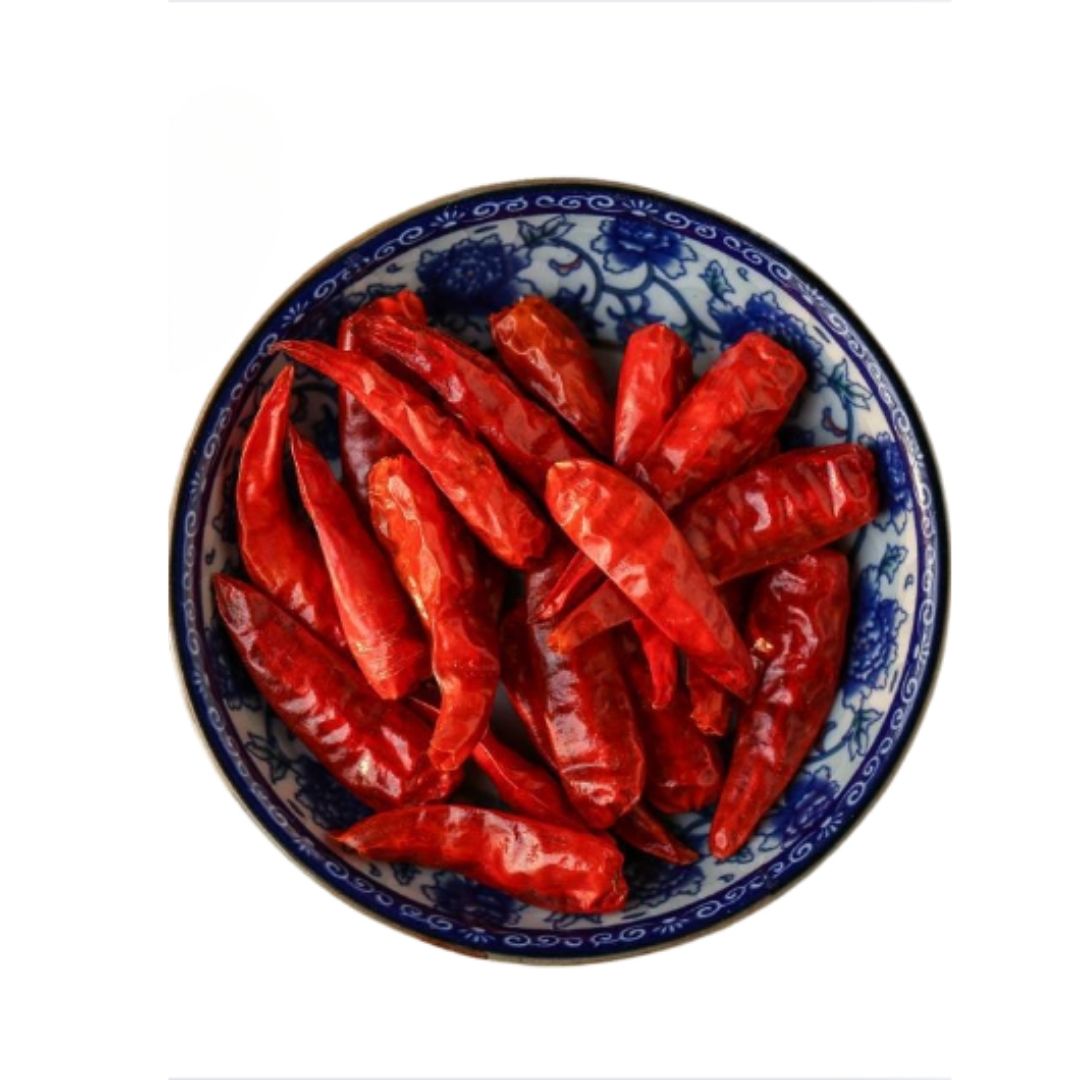
- Dried Whole Peppers: Drying concentrates the flavor and heat, extending the shelf life. These can be rehydrated or ground for use.
- Crushed Pepper Flakes: A convenient option for adding heat and texture to dishes.
- Ground Pepper Powder: Finely ground powder for easy incorporation into sauces, rubs, and marinades.
- Pickled Peppers: Preserved in vinegar or brine, offering a tangy and spicy condiment.
- Pepper Paste/Sauce: Blended with other ingredients to create ready-to-use spicy condiments.
Application Scenarios and Usage Dosage
Vietnamese Millet Pepper is a versatile ingredient in the culinary world, celebrated for its intense heat and distinctive flavor. In Vietnamese cuisine, it is a fundamental component, enhancing dishes such as pho, stir-fries, and spring rolls. It is used to add a spicy kick to marinades for grilled meats, seafood, and vegetables. In Thailand and Laos, similar uses proliferate, adding heat to curries, salads, and dipping sauces. For example, a common Thai condiment is prik nam pla, or fish sauce with Thai chilies. The Vietnamese millet pepper would fulfill the chili aspect of this condiment nicely.
Outside of Southeast Asia, Vietnamese Millet Pepper is increasingly popular. In Mexican cuisine, it can be incorporated into salsas, hot sauces, and stews, bringing a different dimension of heat compared to traditional chili peppers. Chefs experimenting with fusion cuisine often use it to add an unexpected spicy element to dishes from different cultural backgrounds. In home cooking, it is a great addition to homemade chili oil, hot sauces, or spice blends. It can be used in pickling vegetables or fermenting various foods, adding both flavor and heat during the preservation process.
Dosage is critical when using Vietnamese Millet Pepper due to its high pungency. For those new to cooking with this ingredient, it is advisable to start with a small amount and gradually increase to taste. A general guideline for fresh peppers is to use one or two finely chopped peppers per dish serving four to six people. For dried peppers, a half to one teaspoon of crushed flakes or ground powder can be used as a starting point. Chefs often soak dried peppers and grind them into a paste along with herbs and spices to create curry pastes. When making chili oil, a common approach involves infusing oil with a smaller quantity of dried chilies at a lower temperature, ensuring that it does not burn. It can also be steeped at higher temperatures; however, the user needs to be careful to not burn the spice, resulting in acrid, bitter flavors.
The heat level can be adjusted based on individual preference and the specific application. Removing the seeds and membranes from fresh peppers before use can reduce the heat. Similarly, using a smaller quantity of the spice or diluting it with other ingredients can help to balance the flavor and intensity. When using Vietnamese Millet Pepper in sauces or soups, it is best to add it early in the cooking process to allow the flavor and heat to fully infuse the dish. For stir-fries or quick-cooking applications, it is often added towards the end to maintain its vibrant flavor and pungency.
Experimental applications can produce novel results that take advantage of the pepper's unique flavor and bring new results to the culinary stage. Infusing vinegars or oils with Vietnamese Millet Pepper can create a flavorful and spicy condiment, perfect for drizzling over salads or using as a marinade. It can also be incorporated into spice rubs for grilling or smoking meats, adding a spicy kick to the final product. In dessert applications, a small amount of Vietnamese Millet Pepper can be added to chocolate or caramel to create a sweet and spicy treat, offering a surprising and delightful contrast of flavors.
Introduction to the Source Plant, Distribution, and Growing Environment
The Vietnamese Millet Pepper plant, Capsicum frutescens, is a perennial shrub typically growing to a height of 1 to 2 meters. It is characterized by its small, oval-shaped leaves and small, greenish-white flowers. The plant produces abundant small, round fruits that mature to a vibrant red color when ripe.
Originally native to South America, Capsicum frutescens has been distributed throughout the world, particularly thriving in Southeast Asia. Vietnam, Thailand, Laos, and other countries in the region have extensively integrated it into their local cuisines. The plant is well-suited to tropical and subtropical climates, preferring warm temperatures, high humidity, and plenty of sunlight.
The optimal growing environment for Vietnamese Millet Pepper includes well-drained soil rich in organic matter. The plant thrives in slightly acidic to neutral soil pH levels, ideally between 6.0 and 7.0. Regular watering is essential, particularly during dry periods, to maintain consistent soil moisture.
Harvesting, Processing, and Storage Preservation
Harvesting Vietnamese Millet Peppers typically occurs when the fruits have reached their mature red color, indicating peak flavor and heat. The peppers are carefully handpicked to avoid damaging the plant. Harvesting can occur multiple times throughout the growing season as the fruits ripen. To encourage continued production, it is important to harvest regularly.
Post-harvest processing methods vary depending on the intended use. For fresh use, the peppers are simply cleaned and sorted. For drying, several techniques can be employed. Sun-drying involves spreading the peppers on mats or trays and exposing them to direct sunlight for several days until they are fully dried. Oven-drying at low temperatures can also be used to speed up the process. Some producers use dehydrators to control temperature and humidity, ensuring consistent drying.
Dried peppers can be further processed into crushed flakes or ground into a fine powder using a spice grinder or mortar and pestle. Pickling involves preserving the peppers in a vinegar or brine solution, often with added spices and herbs.
Proper storage is crucial to maintain the quality and pungency of Vietnamese Millet Peppers. Fresh peppers should be stored in the refrigerator and used within a week or two. Dried peppers, flakes, and powder should be stored in airtight containers in a cool, dry, and dark place to prevent moisture absorption and loss of flavor. Pickled peppers should be stored in the refrigerator after opening to maintain their quality.
Citations
- van Wyk, B.-E. Culinary Herbs and Spices. Kew Publishing, Royal Botanic Gardens, 2014.
Mia Wu

Hi, I’m Mia Wu! I love helping customers discover the best natural ingredients for their products. With a passion for herbs, spices, and fungi, I work to make sure you get only the finest raw materials. Let's grow together! 🌱✨