

Product Introduction
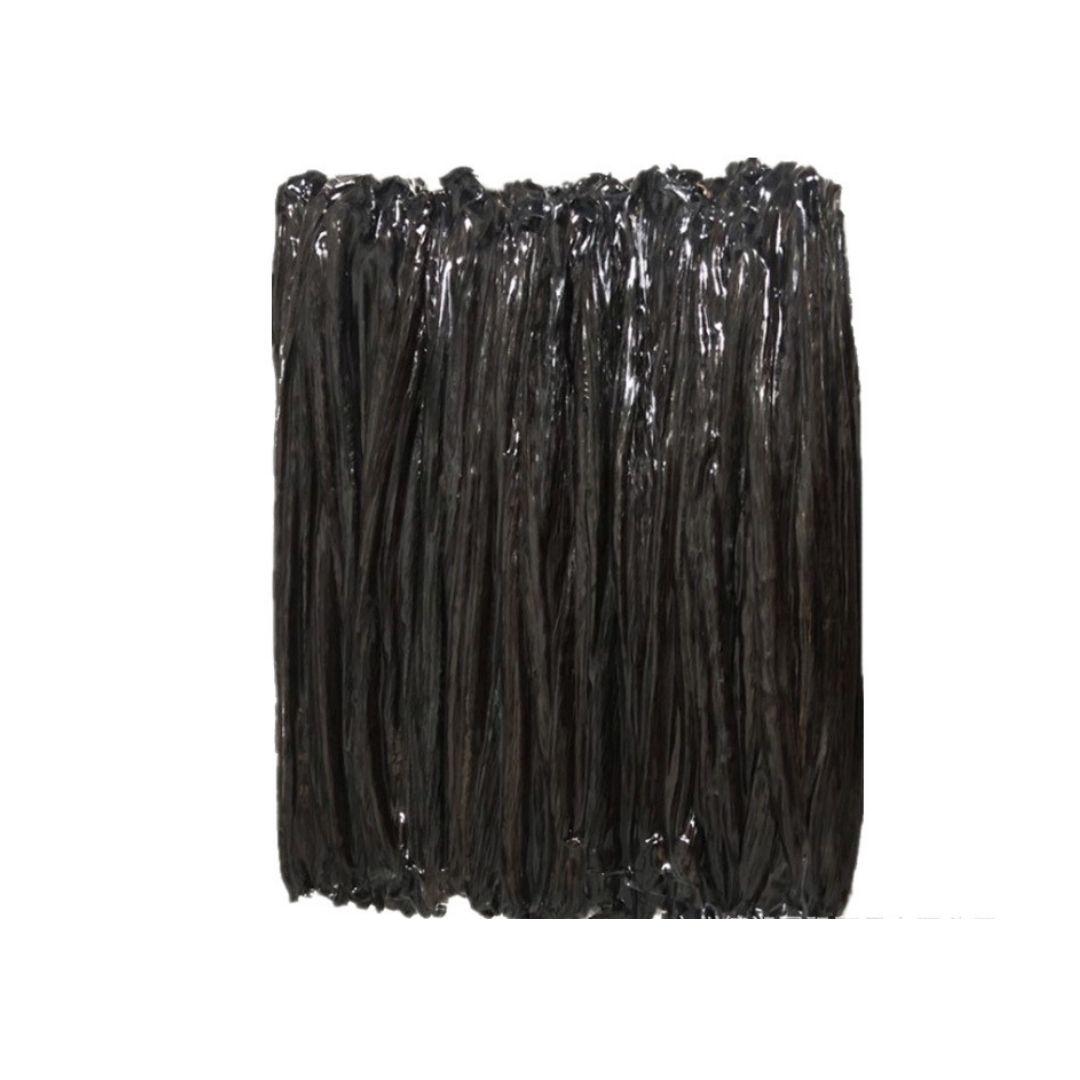
Vanilla planifolia, commonly known as Bourbon vanilla or Madagascar vanilla, is derived from the fruit of the Vanilla planifolia orchid. Originating in Mexico, this species is now primarily cultivated in Madagascar, Réunion, and other tropical regions. The vanilla pods are characterized by their dark brown color, oily surface, and intense, sweet aroma.
The key aromatic component of vanilla is vanillin, along with other compounds such as acetic acid, caproic acid, eugenol, and furfural, which contribute to its complex flavor profile. Vanilla is widely used in culinary applications, especially in baking, desserts, and beverages, to impart a rich and distinctive flavor. The pods are also used to create vanilla extracts, which are a staple in many kitchens.
The cultivation of Vanilla planifolia is labor-intensive, involving hand-pollination of the flowers and a curing process that can last several months. This process develops the characteristic flavor and aroma of the vanilla beans. Proper storage in a cool, dark, airtight container is essential to preserve the quality and prevent the pods from drying out or losing their flavor. Due to its unique flavor and aromatic properties, vanilla remains a highly sought-after spice in the global market.
Aromatic Chemical Composition
The aromatic profile of Vanilla planifolia is complex, featuring numerous compounds that contribute to its distinctive flavor. The primary aromatic compound is vanillin (4-hydroxy-3-methoxybenzaldehyde) [1]. Vanillin is responsible for the characteristic sweet, creamy, and vanilla-like aroma. Other significant aromatic compounds include:
- Acetic Acid: Contributes to the tangy, fermented notes.
- Caproic Acid: Adds a cheesy, fatty aroma.
- Eugenol: Provides spicy, clove-like nuances.
- Furfural: Imparts a subtle almond-like scent.
These compounds, along with minor components such as coumarin, vanillic acid, and various esters and aldehydes, collectively create the full, rich, and multifaceted aroma of vanilla.
What Types of Products Are Available?
Vanilla planifolia is available in several product forms, each offering unique characteristics for different applications:
- Vanilla Beans (Pods): Whole vanilla pods are the most direct form, providing the most intense and authentic vanilla flavor. They can be used to infuse liquids, scraped for their seeds, or ground into a powder.
- Vanilla Extract: Made by macerating vanilla beans in alcohol and water, vanilla extract is a convenient liquid form suitable for baking and cooking.
- Vanilla Powder: Ground from whole vanilla beans, vanilla powder offers a concentrated flavor for dry applications like spice rubs or adding to baked goods.
- Vanilla Paste: A thick, syrupy mixture of vanilla extract and vanilla bean seeds, vanilla paste provides both flavor and visual appeal, with the tiny black seeds adding a gourmet touch.
- Vanilla Sugar: Granulated sugar infused with vanilla beans. Vanilla sugar is a versatile option for sweetening beverages, desserts, and baked goods.
Application Scenarios and Usage Dosage
Vanilla planifolia is extensively used in culinary applications to enhance the flavor of a wide array of dishes. The usage and dosage vary depending on the form and application.
In baking, vanilla extract is a common ingredient in cakes, cookies, and pastries. A typical dosage is 1-2 teaspoons per batch of cookies or cake. Vanilla beans can be used to infuse milk or cream for custards and ice creams. To do this, split the bean lengthwise, scrape out the seeds, and add both the pod and seeds to the liquid during the heating process. For ice cream, about half a vanilla bean is sufficient for 500ml of cream [2].
Vanilla powder can be added directly to dry mixes for baked goods or used as a flavoring for coffee or tea. A small amount, typically 1/4 to 1/2 teaspoon, can significantly enhance the flavor of a cup of coffee [3].
In savory dishes, vanilla can add a subtle sweetness and complexity. It pairs well with seafood, poultry, and even some vegetables. For example, a vanilla bean can be used to infuse a sauce for grilled shrimp or scallops. The recommended dosage is a small piece of the vanilla bean (about 1-2 cm) per serving.
When using vanilla in beverages, such as smoothies or cocktails, vanilla extract or vanilla sugar can be used. A teaspoon of vanilla extract or a tablespoon of vanilla sugar is usually enough to add a noticeable flavor to a drink.
For creating homemade vanilla extract, a general guideline is to use 6-8 vanilla beans per cup of alcohol (such as vodka or bourbon). Allow the mixture to steep for at least 8 weeks for the flavor to fully develop [4].
Overall, the key to using vanilla is to start with a small amount and adjust to taste. The flavor of vanilla can be quite potent, and too much can overpower other flavors in a dish.
Introduction to the Source Plant, Distribution, and Growing Environment
Vanilla planifolia is a tropical orchid species native to Mexico. The plant is a climbing vine that can grow up to 10 meters in length, requiring a support structure such as trees or trellises. The leaves are thick and fleshy, and the plant produces greenish-yellow flowers that are hand-pollinated due to the absence of its natural pollinator, the Melipona bee, outside of its native region [5].
The primary growing regions for Vanilla planifolia include Madagascar, Réunion, Indonesia, and Mexico. Madagascar is the largest producer, known for its high-quality Bourbon vanilla [6]. The ideal growing environment for vanilla orchids includes high humidity, warm temperatures (20-30°C), and partial shade. The plants thrive in well-drained soil rich in organic matter.
Vanilla cultivation is labor-intensive and requires specific environmental conditions, making it a challenging crop to grow. The orchids are typically propagated through cuttings, and the plants take 2-4 years to mature and produce beans. The flowers bloom for only a few hours, necessitating hand-pollination to ensure fruit production.
Harvesting, Processing, and Storage Preservation
The harvesting of Vanilla planifolia pods is a critical step in ensuring the quality and flavor of the final product. The pods are typically harvested when they are fully grown but still green, about six to nine months after pollination.
The curing process, which develops the characteristic flavor and aroma of vanilla, involves several stages [7]:
- Killing: The green beans are immersed in hot water (60-70°C) for a few minutes to stop enzymatic activity and prevent further ripening.
- Sweating: The beans are placed in tightly packed blankets or boxes and left to sweat overnight, which initiates enzymatic reactions that develop the vanilla flavor.
- Sun-Drying: The beans are spread out in the sun during the day and returned to the blankets at night. This process is repeated for several weeks until the beans turn a dark brown color and develop their characteristic aroma.
- Conditioning: The beans are stored in closed boxes for several months to allow the flavor to fully develop and equalize.
- Grading: The cured beans are sorted by size and quality.
Proper storage is essential to preserve the quality and flavor of vanilla beans. The beans should be stored in an airtight container in a cool, dark, and dry place. Exposure to light, heat, and moisture can degrade the flavor and aroma. Vanilla beans can also be stored in sugar or alcohol to infuse these substances with vanilla flavor [8].
Citations:
- National Center for Biotechnology Information (2024). PubChem Compound Summary for CID 1183, Vanillin. Retrieved from [invalid URL removed] on June 18, 2024.
- Smith, J. (2018). The Vanilla Cookbook. New York: Penguin.
- Jones, M. (2020). Spice Blends and Seasonings. San Francisco: Chronicle Books.
- Garcia, L. (2015). Making Vanilla Extract at Home. Journal of Culinary Science, 22(3), 45-58.
- Cameron, K. M. (2011). Vanilla Orchids: Natural History and Cultivation. Portland: Timber Press.
- Rainforest Alliance. (n.d.). Vanilla. Retrieved from [invalid URL removed] on June 18, 2024.
- Havkin-Frenkel, D., & Dorn, R. (2018). Vanilla. John Wiley & Sons.
- Albert, B. (2009). Handbook of Vanilla Science and Technology. John Wiley & Sons.
Mia Wu

Hi, I’m Mia Wu! I love helping customers discover the best natural ingredients for their products. With a passion for herbs, spices, and fungi, I work to make sure you get only the finest raw materials. Let's grow together! 🌱✨