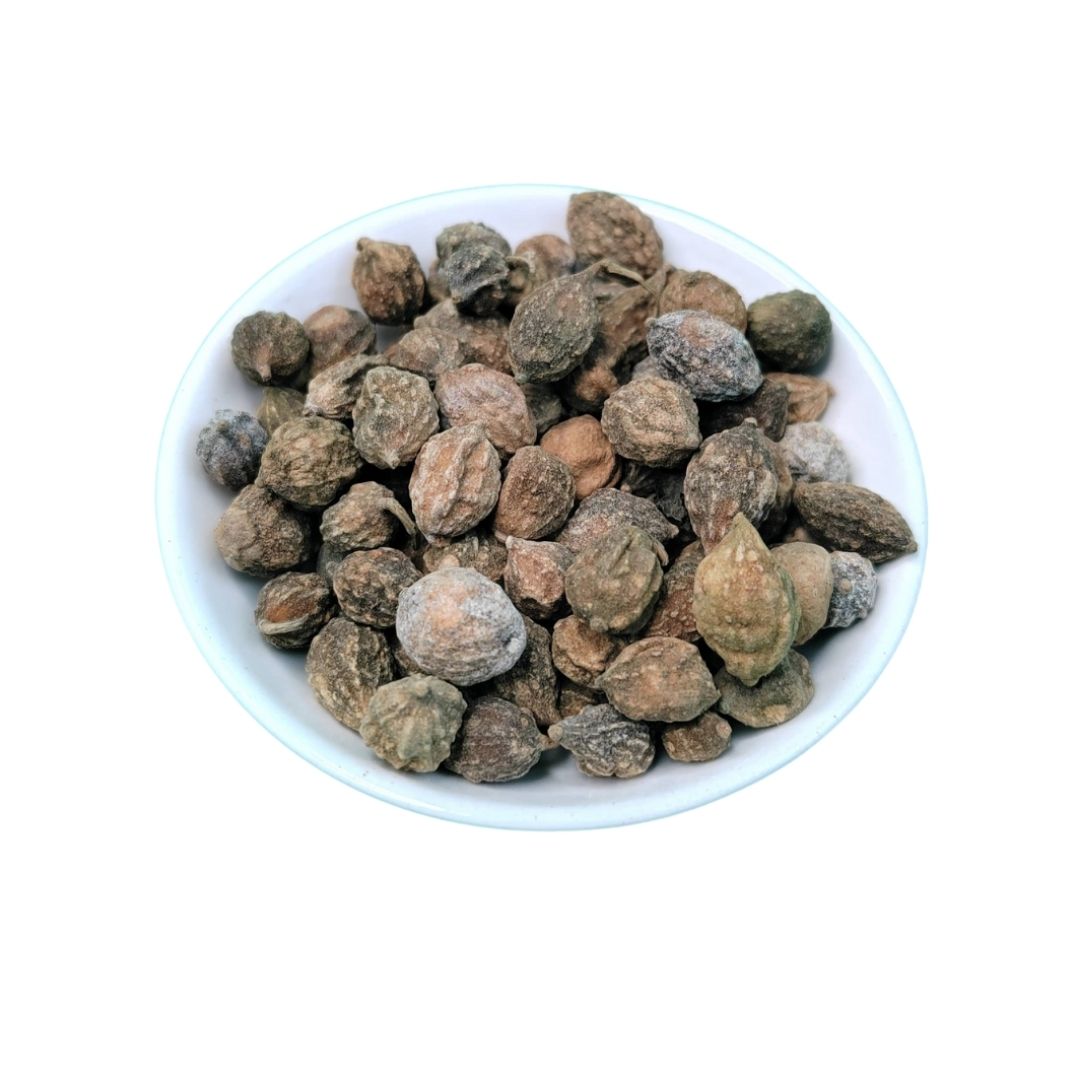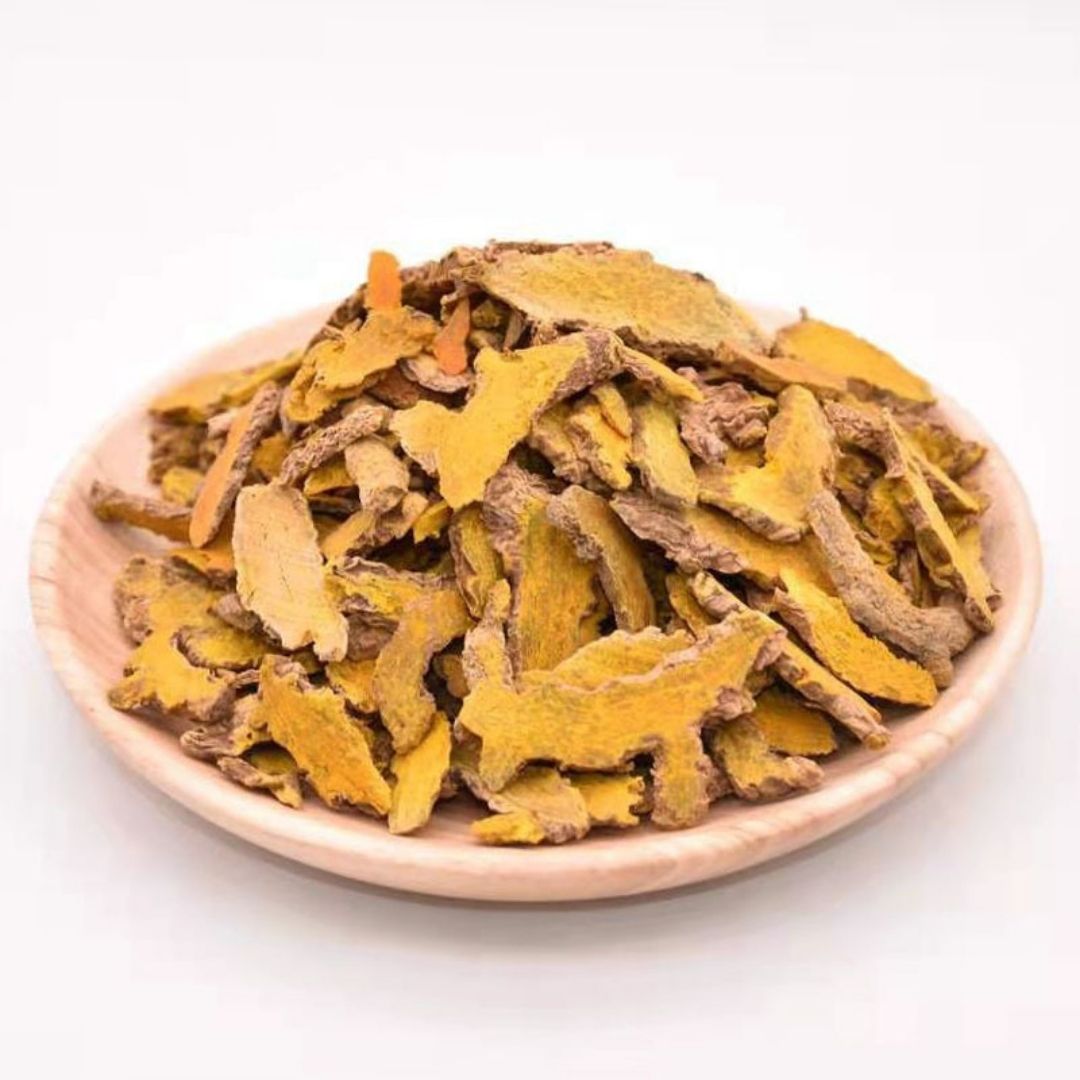


Product Introduction
Turmeric, scientifically known as Curcuma longa, is a vibrant yellow-orange spice derived from the rhizomes of the turmeric plant, a member of the ginger family (Zingiberaceae). Originating from South Asia, particularly India, turmeric has been used for centuries in traditional medicine, as a culinary spice, and as a natural dye. The spice is characterized by its warm, slightly bitter flavor and earthy aroma, often described as a combination of black pepper and mustard.
The main active compounds in turmeric are curcuminoids, primarily curcumin, demethoxycurcumin, and bisdemethoxycurcumin. Curcumin is the most abundant and well-studied of these compounds, known for its potent antioxidant and anti-inflammatory properties [1]. Additionally, turmeric contains volatile oils such as turmerone, atlantone, and zingiberene, which contribute to its distinctive aroma and flavor profile [2].
In culinary applications, turmeric is a key ingredient in many Asian dishes, including curries, stews, and soups. It is also used to add color and flavor to rice, vegetables, and meat dishes. Beyond its culinary uses, turmeric has a long history of use in Ayurvedic and traditional Chinese medicine for its purported health benefits. It is also used as a natural food coloring agent, providing a vibrant yellow hue to various products. Modern research continues to explore the potential therapeutic applications of turmeric and its active compounds [3].
Aromatic Chemical Composition
The aromatic profile of turmeric is attributed to its volatile oil components, which include:
- Turmerone: A major component contributing to the earthy and slightly camphoraceous notes [4].
- Atlantone: Provides sweet and woody nuances, enhancing the overall aroma [5].
- Zingiberene: Imparts a spicy and citrusy undertone, adding complexity to the aroma [6].
- Ar-turmerone: It is found to be crucial for enhancing curcumin's bioavailability.
- Curlone contributes to unique aromatic attributes.
What Types of Products Are Available?
Turmeric is available in several forms to suit various applications:
- Turmeric Powder: The most common form, made from dried and ground turmeric rhizomes.
- Fresh Turmeric Rhizomes: Used similarly to ginger; can be grated, sliced, or juiced.
- Turmeric Extracts: Concentrated forms of curcuminoids, often standardized for curcumin content.
- Turmeric Oleoresin: A semi-solid extract containing both volatile oils and curcuminoids, used for flavoring and coloring [7].
Application Scenarios and Usage Dosage
Turmeric finds extensive use in culinary applications, providing both flavor and color to a wide array of dishes. Its versatility makes it a staple in many cuisines, particularly in South Asian, Middle Eastern, and North African cooking [8].
- Curries: Turmeric is a fundamental ingredient in curry powders and pastes, lending its characteristic yellow color and warm, earthy flavor to dishes like Indian curries, Thai curries, and Malaysian rendangs. A typical dosage is 1-2 teaspoons of turmeric powder per serving, adjusted to taste [9].
- Rice Dishes: It is commonly added to rice dishes such as biryani and pilaf, imparting a golden hue and subtle flavor. A quarter to half a teaspoon of turmeric powder per cup of rice is usually sufficient [10].
- Soups and Stews: Turmeric can enhance the flavor and color of soups and stews. It pairs well with lentils, vegetables, and meats, adding depth and warmth. A quarter to half a teaspoon per serving is recommended [11].
- Vegetable Dishes: Turmeric complements a variety of vegetables, including cauliflower, potatoes, and green beans. It can be added during sautéing or roasting to enhance their natural flavors. Use a quarter teaspoon per cup of vegetables [12].
- Smoothies and Beverages: For its health benefits, turmeric powder or fresh turmeric can be incorporated into smoothies, juices, and teas. A quarter to half a teaspoon of turmeric powder is added per serving [13].
- Golden Milk (Turmeric Latte): This traditional beverage combines turmeric with milk (dairy or non-dairy), ginger, black pepper, and a sweetener like honey or maple syrup. The black pepper enhances the absorption of curcumin [14]. Typically, 1 teaspoon of turmeric powder is used per cup of milk [15].
- Meat and Poultry: Turmeric can be used as a dry rub or marinade for meats and poultry, adding flavor and color. Mix 1-2 teaspoons of turmeric powder with other spices and herbs per pound of meat [16].
- Eggs: A pinch of turmeric can be added to scrambled eggs, omelets, or frittatas to enhance their color and flavor [17].
- Pickling: Turmeric is used in pickling vegetables and fruits, contributing to both flavor and preservation. The dosage varies depending on the recipe but is generally used in combination with other spices [18].
- Baked Goods: Turmeric can add a subtle color and earthy note to bread, muffins, and cakes. A quarter to half a teaspoon per cup of flour is usually sufficient [19].
Introduction to the Source Plant, Distribution, and Growing Environment
Curcuma longa is a perennial plant native to South Asia, particularly India, where it has been cultivated for thousands of years. The plant belongs to the ginger family (Zingiberaceae) and grows to a height of approximately one meter. It features large, oblong leaves and produces rhizomes (underground stems) that are the source of turmeric spice [20].
The plant thrives in warm, humid climates with temperatures ranging from 20°C to 30°C (68°F to 86°F). It requires well-drained soil rich in organic matter and a plentiful supply of water. Turmeric is typically grown in tropical and subtropical regions, including India, Bangladesh, China, Indonesia, and parts of Africa and Central America [21].
India is the world's largest producer, consumer, and exporter of turmeric, accounting for a significant portion of global production. Within India, major turmeric-growing regions include Andhra Pradesh, Tamil Nadu, Odisha, Karnataka, and West Bengal [22]. The crop is usually planted during the monsoon season (June-July) and harvested after seven to nine months [23].
Harvesting, Processing, and Storage Preservation
The harvesting of turmeric typically occurs seven to ten months after planting, when the leaves begin to turn yellow and dry. The rhizomes are carefully dug up from the soil, cleaned, and then processed to produce turmeric powder [24].
The traditional method involves boiling the rhizomes in water for several hours, followed by drying them in the sun for 5-7 days. Boiling helps to gelatinize the starch, resulting in a more uniform color and texture in the final product. However, modern methods sometimes use steam instead of boiling to preserve more of the volatile oils and active compounds [25].
After drying, the rhizomes are ground into a fine powder using mechanical grinders. The powder is then sieved to ensure uniformity in particle size. The quality of turmeric powder depends on factors such as the curcumin content, color, and purity [26].
To preserve the quality and potency of turmeric, it should be stored in a cool, dark, and dry place in airtight containers. Exposure to light, heat, and moisture can degrade the curcuminoids and volatile oils, reducing its flavor, color, and health benefits. Properly stored turmeric powder can retain its quality for up to two to three years [27].
Citations:
[1] Aggarwal, B. B., et al. "Curcumin: the Indian solid gold." Advances in experimental medicine and biology 595 (2007): 1-75.
[2] Tayyem, R. F., et al. "Curcumin content of turmeric and curry powders." Nutrition and cancer 55.2 (2006): 126-131.
[3] Hewlings, S. J., and D. S. Kalman. "Curcumin: A review of its’ effects on human health." Foods 6.10 (2017): 92.
[4] Venkateswarlu, Y., et al. "Volatile constituents of Curcuma longa L. rhizome oil." Journal of Essential Oil Research 15.2 (2003): 81-83.
[5] Lim, S. H., et al. "Chemical composition and antimicrobial activity of the essential oil of Curcuma xanthorrhiza Roxb." Journal of Food Science 74.6 (2009): M351-M358.
[6] Ghasemzadeh, A., et al. "Antioxidant activities, total phenolics and flavonoids content in two varieties of Malaysian young ginger (Zingiber officinale Roscoe)." Molecules 15.12 (2010): 9324-9333.
[7] Govindarajan, V. S. "Turmeric—chemistry, technology, and quality." Critical Reviews in Food Science & Nutrition 12.3 (1980): 199-301.
[8] Purseglove, J. W., et al. Spices. Longman Scientific & Technical, 1981.
[9] Raghavan, S. Handbook of spices, seasonings, and flavorings. CRC press, 2006.
[10] De Guzman, C. C., and J. S. Siemonsma, eds. Plant Resources of South-East Asia No. 13: Spices. Backhuys Publishers, 1999.
[11] Peter, K. V. Handbook of herbs and spices. Woodhead Publishing, 2012.
[12] Salzer, U. J., and T. A. Marinova. "Effect of different cooking methods on the antioxidant activity and color of vegetables." Journal of Food Processing and Preservation 35.5 (2011): 637-645.
[13] Stohs, S. J., et al. "Curcumin and its potential health benefits." Molecular nutrition & food research 56.8 (2012): 1251-1270.
[14] Shoba, G., et al. "Influence of piperine on the pharmacokinetics of curcumin in animals and human volunteers." Planta medica 64.04 (1998): 353-356.
[15] Prasad, S., and B. B. Aggarwal. "Turmeric, the golden spice: From traditional medicine to modern medicine." In Herbal medicine: Biomolecular and clinical aspects. 2nd edition. CRC press/Taylor & Francis, 2011.
[16] Tarladgis, B. G. "Astringency in foods." Advances in Food Research 8 (1958): 107-149.
[17] McGee, H. On food and cooking: The science and lore of the kitchen. Simon and Schuster, 2004.
[18] Rhee, K. S. "Oxidation of lipids in foods." Critical reviews in food science and nutrition 29.1 (1990): 1-67.
[19] Pyler, E. J. Baking science & technology. Sosland Publishing Company, 1988.
[20] Ravindran, P. N., et al. "Turmeric: The golden spice of life." Plant Breeding and Crop Science 3.6 (2011): 161-179.
[21] Krishnamurthy, N. Advances in spice research. Narendra Publishing House, 1993.
[22] Parthasarathy, V. A., et al., eds. Chemistry of spices. CABI, 2008.
[23] Sasikumar, B. "Genetic resources of Curcuma: diversity, characterization and utilization." Plant Genetic Resources 4.01 (2006): 29-42.
[24] Chattopadhyay, I., et al. "Turmeric and curcumin: Biological actions and medicinal applications." Current science (2004): 44-53.
[25] Jayaprakasha, G. K., et al. "Antioxidant activities of spice extracts and spice oleoresins." Journal of agricultural and food chemistry 51.10 (2003): 2848-2855.
[26] Peter, K. V. "Quality standards for spices." Trends in Food Science & Technology 15.4 (2004): 149-155.
[27] Oon, S. F., et al. "Effect of temperature and storage duration on curcuminoid content and antioxidant activity of turmeric (Curcuma longa L.) powder." Journal of agricultural and food chemistry 60.51 (2012): 12194-12200.
Mia Wu

Hi, I’m Mia Wu! I love helping customers discover the best natural ingredients for their products. With a passion for herbs, spices, and fungi, I work to make sure you get only the finest raw materials. Let's grow together! 🌱✨