

Product Introduction
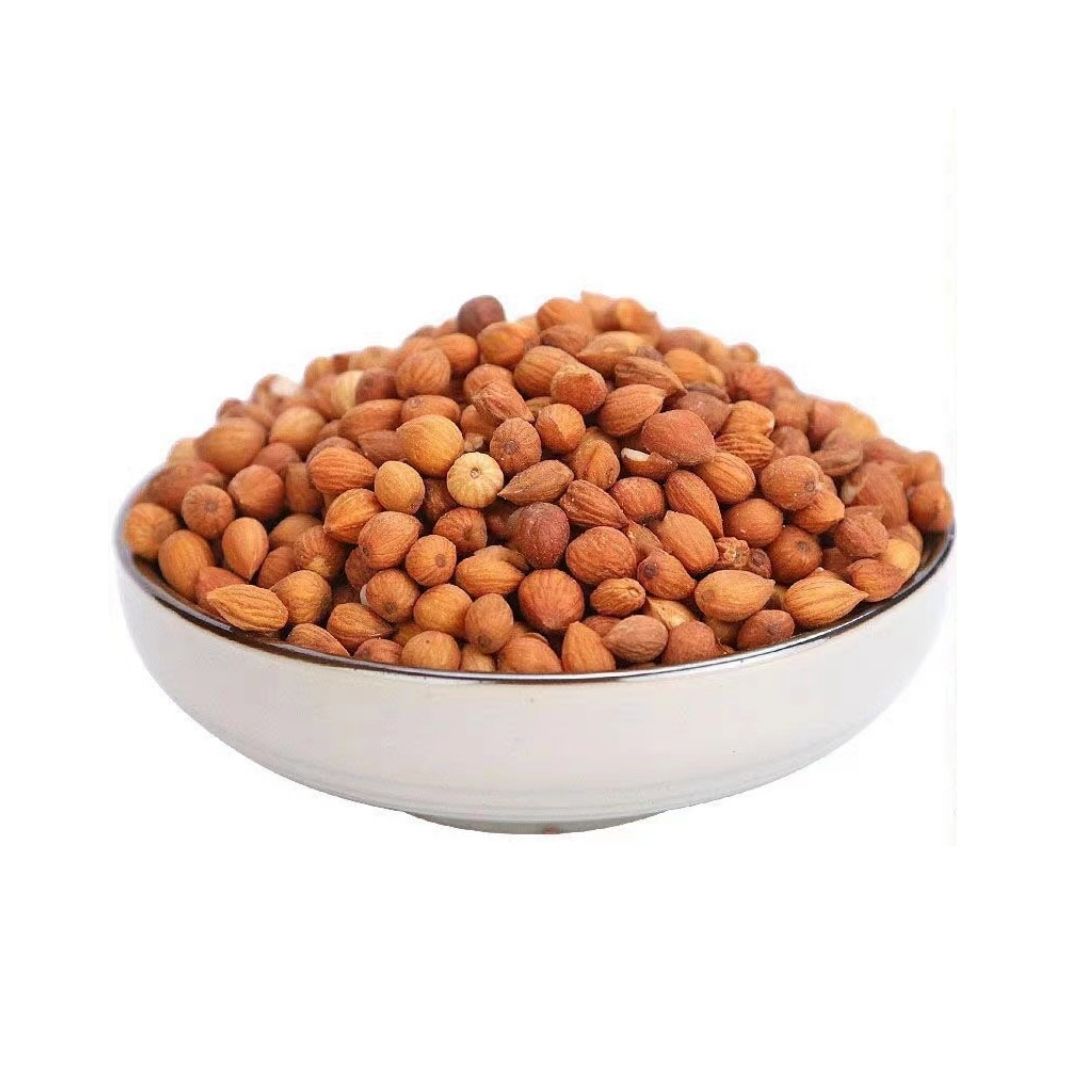
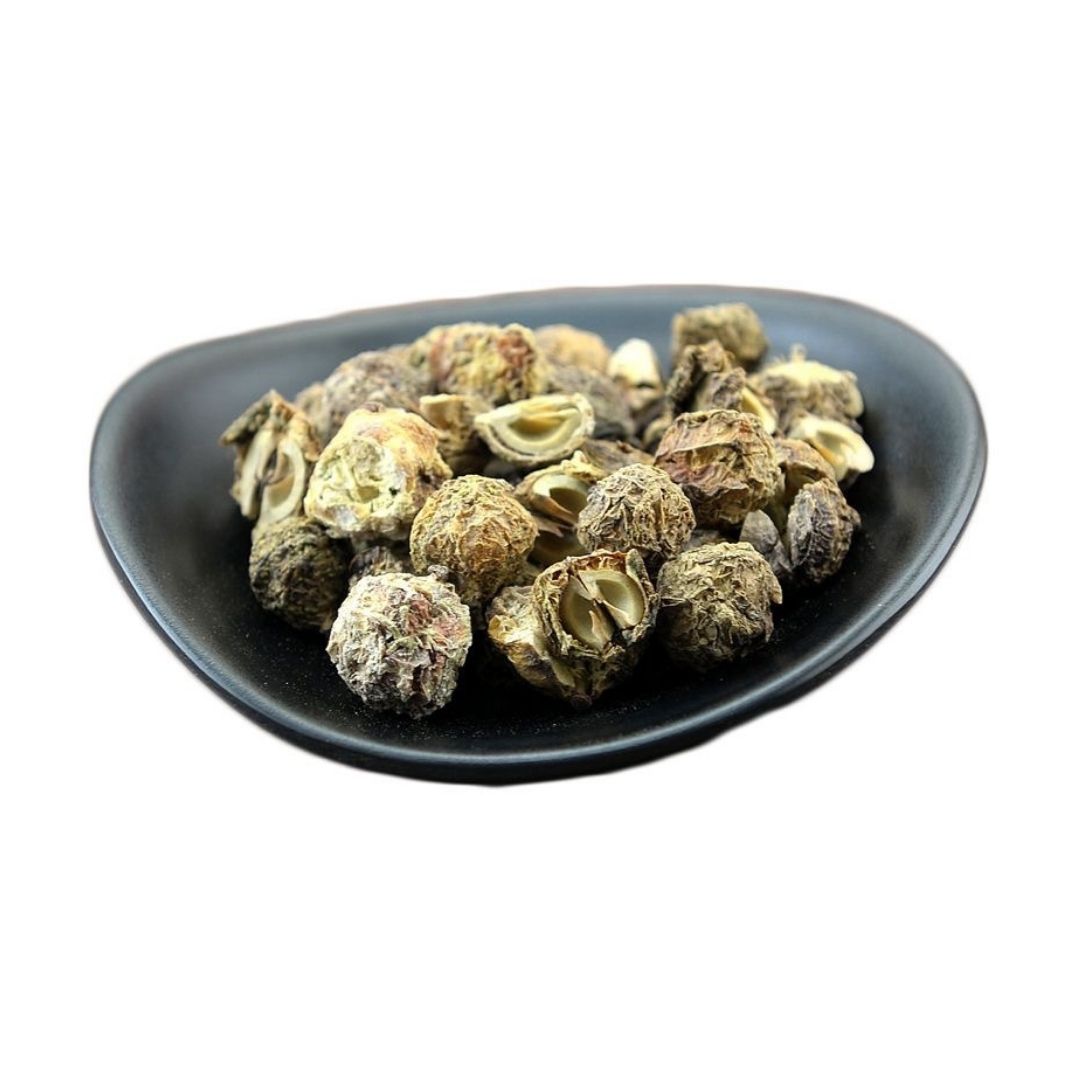
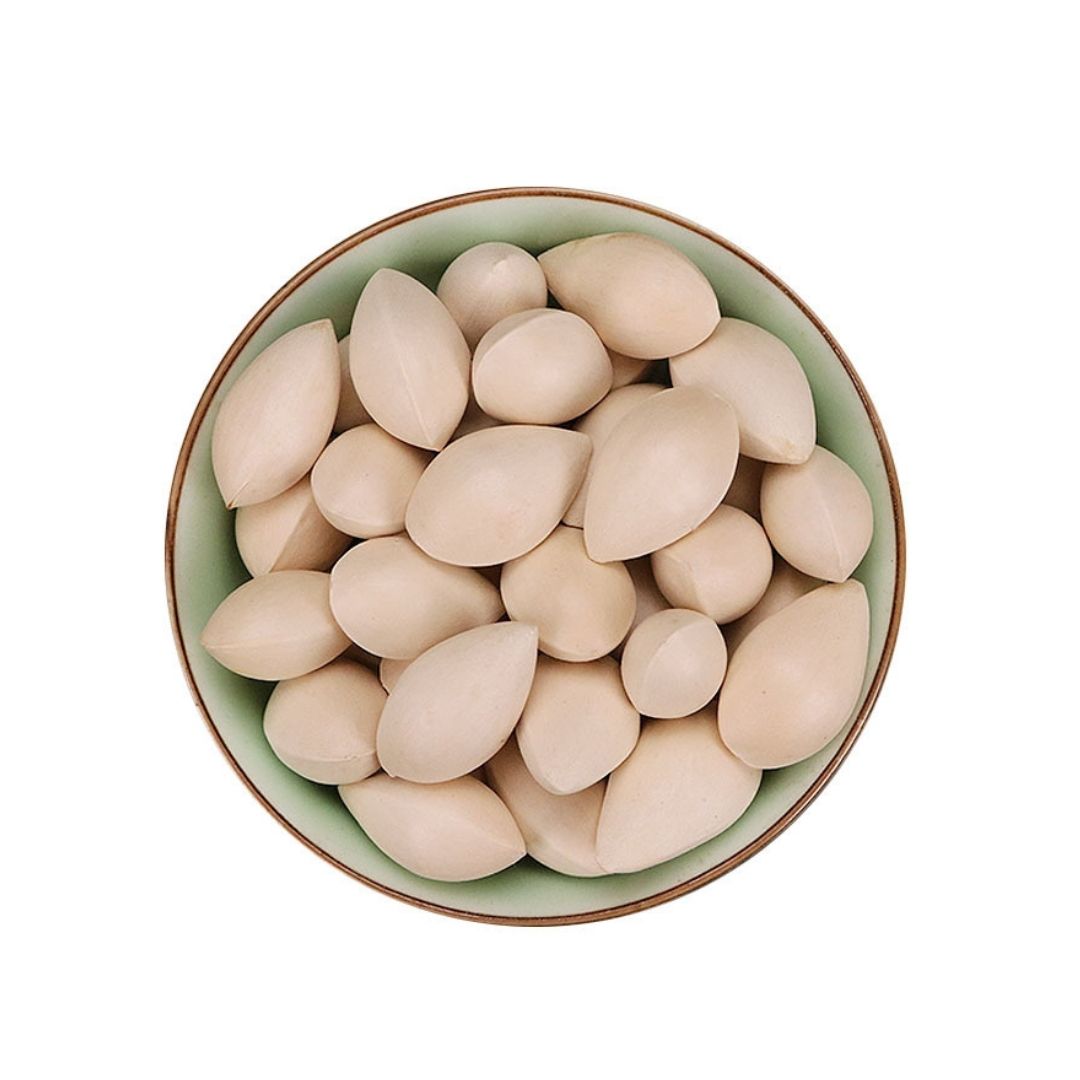
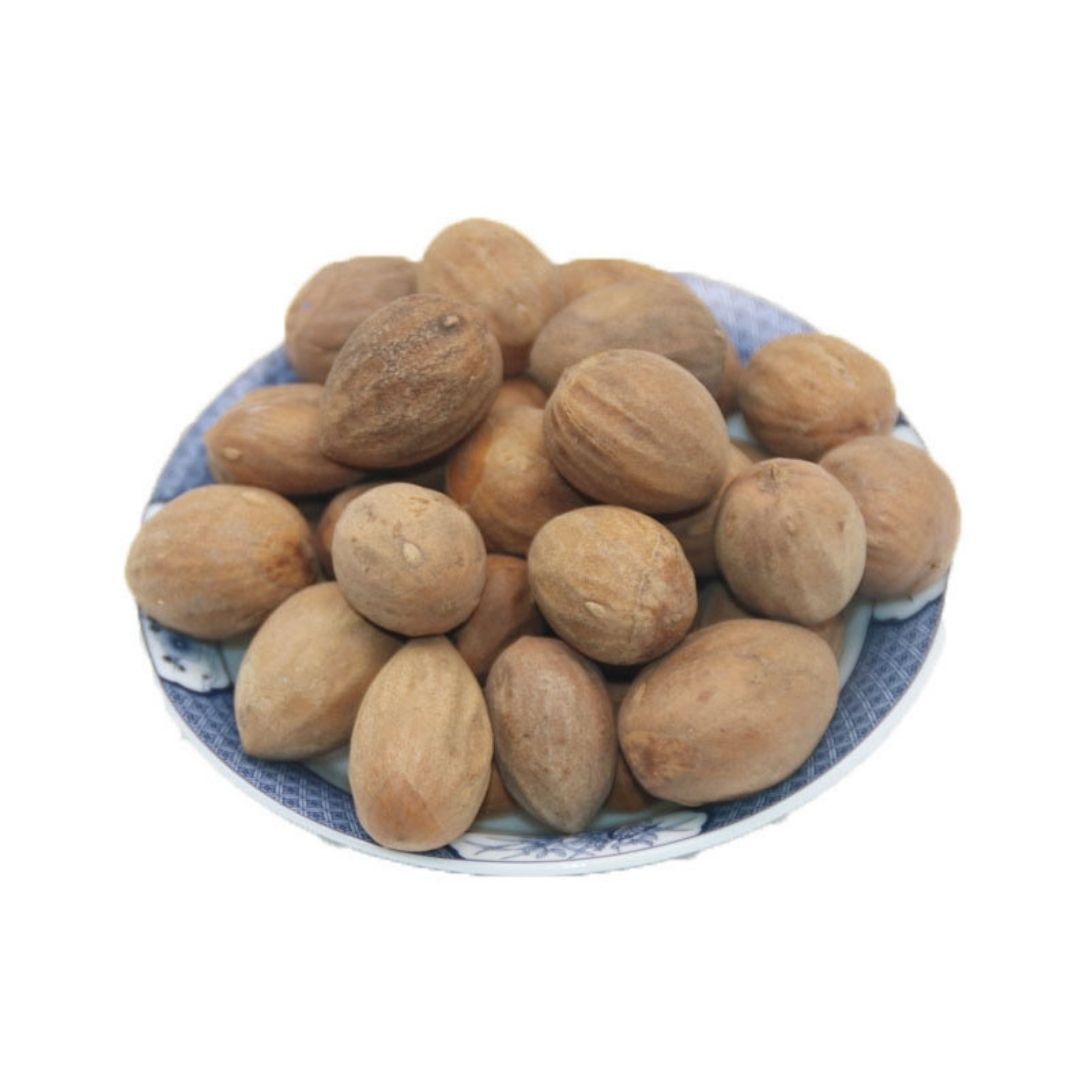
Torreyae Semen, also known as nutmeg seed, is a traditional Chinese medicine derived from the seeds of the Torreya grandis or Torreya nucifera trees. It has been used for centuries for its therapeutic properties. This seed is characterized by its rich oil content and unique flavor profile.
Main Active Ingredients
The primary active components of Torreyae Semen are its fatty oils. These oils include oleic acid, linoleic acid, and palmitic acid, which contribute to its moisturizing and lubricating effects within the body. Additionally, volatile oils and alkaloids present in the seed contribute to its overall therapeutic actions.
Product Application Scenarios, Usage, and Dosage
Torreyae Semen is commonly used to address constipation by moistening the intestines and promoting bowel movements. It is also employed in traditional practices for eliminating intestinal parasites. The typical dosage ranges from 6 to 12 grams, usually taken orally in decoction form. It may sometimes be used in pill or powder form, depending on the specific herbal formula.
Introduction to the Source Plant, Distribution, and Growth Environment
Torreya grandis and Torreya nucifera are evergreen trees native to East Asia. Torreya grandis is primarily found in the southern regions of China, while Torreya nucifera is native to Japan and Korea. These trees thrive in moist, well-drained soils within mountainous environments. The trees prefer partial shade and are often found in mixed forests at moderate altitudes.
Harvesting, Processing, and Storage
The seeds are typically harvested in the fall when they are fully ripe. Harvesters collect the seeds, remove the fleshy outer layer, and dry the seeds. The dried seeds are then cracked open to extract the kernel. For medicinal use, the kernels are often processed further, such as roasting or steaming, to enhance their therapeutic properties. Proper storage involves keeping the seeds in a cool, dry place to prevent rancidity and pest infestation.
Citations
- Bensky, D., Gamble, A., & Kaptchuk, T. J. (1993). Chinese Herbal Medicine: Materia Medica. Eastland Press.
- Chen, J. K., & Chen, T. T. (2004). Chinese Medical Herbology and Pharmacology. Art of Medicine Press.
- 中华人民共和国药典委员会. (2020). 中华人民共和国药典 (一部) (Chinese Pharmacopoeia Commission, Eds.). 中国医药科技出版社.
Mia Wu

Hi, I’m Mia Wu! I love helping customers discover the best natural ingredients for their products. With a passion for herbs, spices, and fungi, I work to make sure you get only the finest raw materials. Let's grow together! 🌱✨