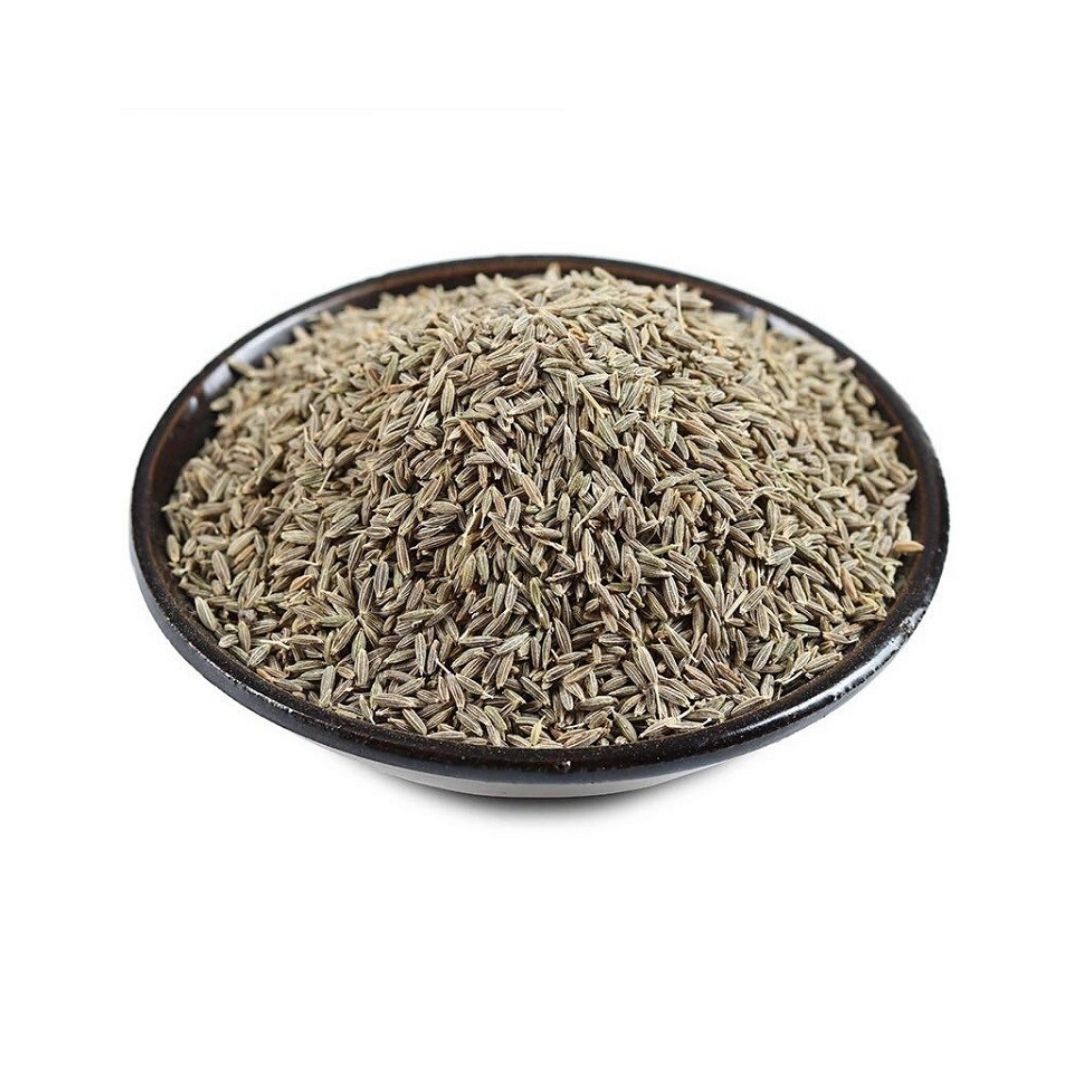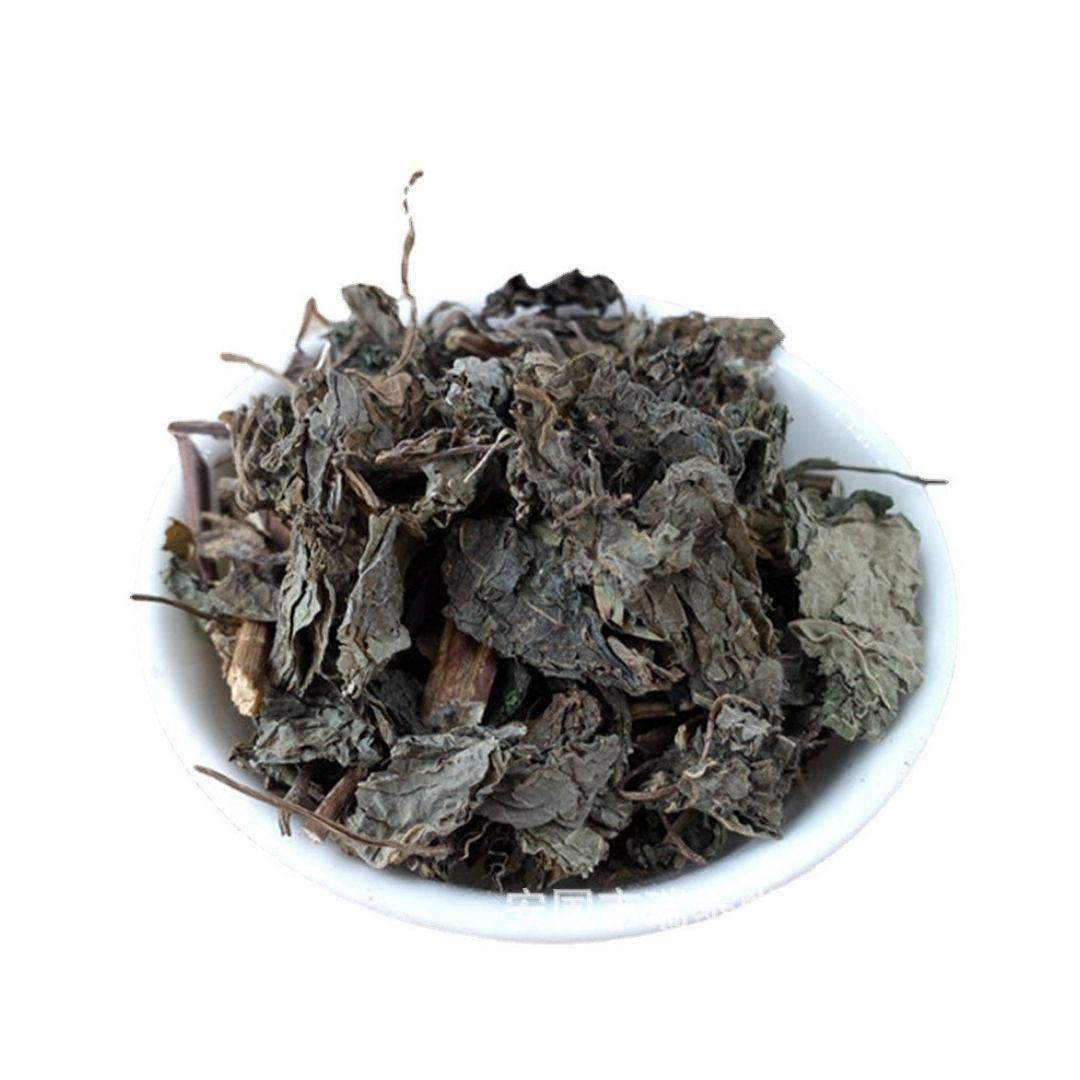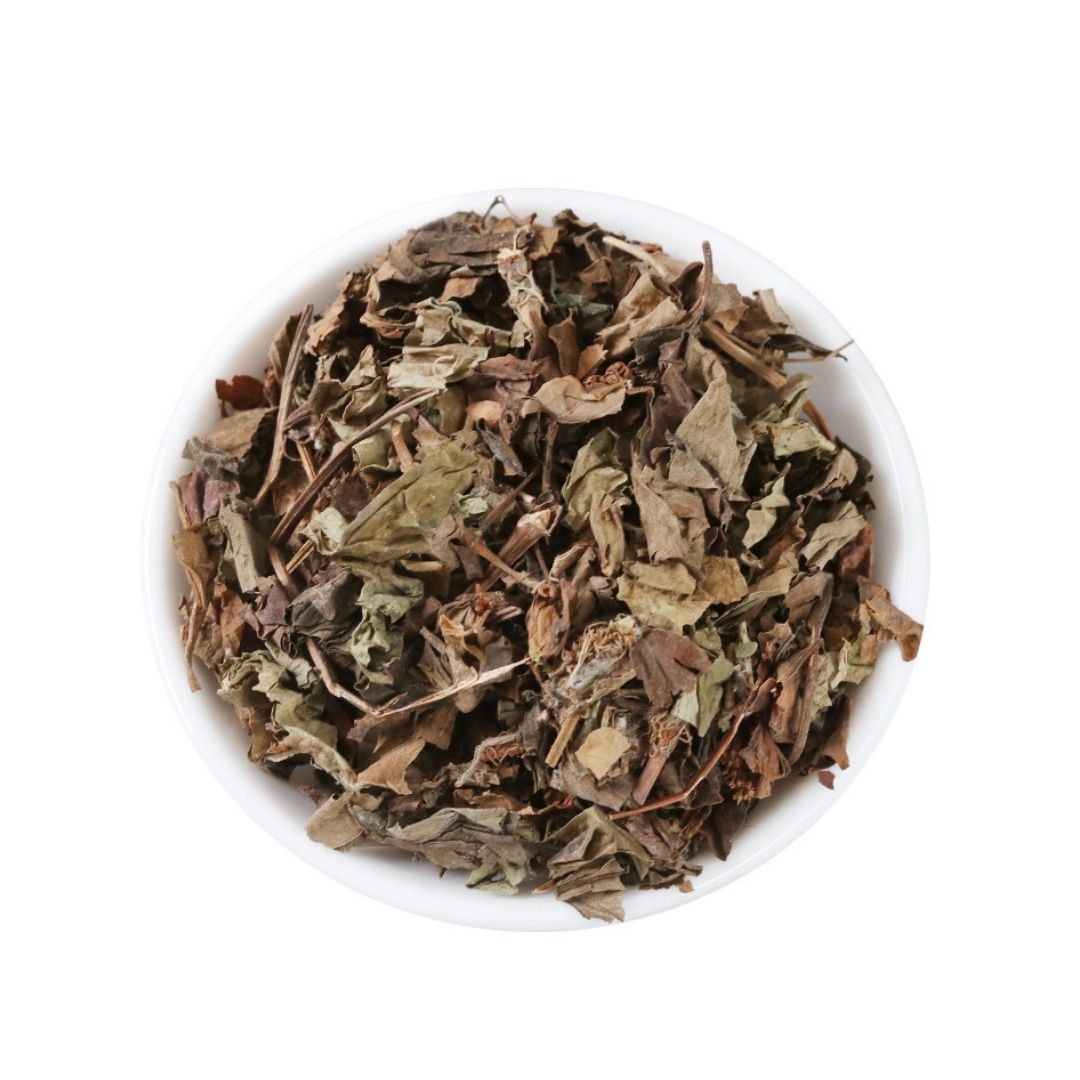


Product Introduction
Thyme (Thymus vulgaris) is an herb characterized by its small leaves and thin, woody stems, which is a staple in cuisines worldwide. The thyme plant is native to the Mediterranean region, and its use dates back to ancient times, where it was valued for both its culinary and medicinal properties [1]. Today, thyme is cultivated extensively in Europe, North America, and parts of Asia. The flavor of thyme is earthy and slightly lemony, with subtle hints of both mint and pepper, offering a multifaceted aromatic profile.
The most important components of thyme are its essential oils, notably thymol and carvacrol. These compounds are responsible for thyme’s distinctive aroma and flavor. In addition to its flavor, thyme is also a source of various antioxidants and other beneficial compounds [2]. Traditionally, thyme has been used to support the body in various ways.
In the culinary world, thyme seasons meats, poultry, fish, vegetables, and soups. It is a common ingredient in spice blends like Herbes de Provence and Za'atar [3]. Thyme is included in various product formulas across the food, cosmetic, and pharmaceutical industries. Due to its popularity and wide range of applications, thyme will remain an important herb in global culture.
Aromatic Chemical Composition
Thyme's aromatic profile is primarily attributed to its volatile oil content, which varies depending on factors such as the plant’s origin, growing conditions, drying methods, and storage. The main components include:
- Thymol: A monoterpenoid phenol that contributes to thyme's antiseptic and antioxidant properties [4].
- Carvacrol: Isomeric with thymol, carvacrol also imparts a warm, pungent aroma [4].
- Cymene: Precursor to thymol and carvacrol biosynthesis, contributing a citrusy, solvent-like note [5].
- Linalool: A floral, slightly sweet terpene alcohol, adding a delicate touch to thyme's overall aroma [6].
- Borneol: A bicyclic monoterpenoid alcohol, contributing a camphoraceous and woody note [7].
- Other Terpenoids: Including alpha-pinene, beta-pinene, myrcene, and limonene, which collectively refine the aroma [5].
What Types of Products Are Available?
Thyme is sold in several forms to meet different culinary and industrial applications:
- Fresh Thyme: Fresh thyme sprigs are commonly available and offer the most vibrant flavor.
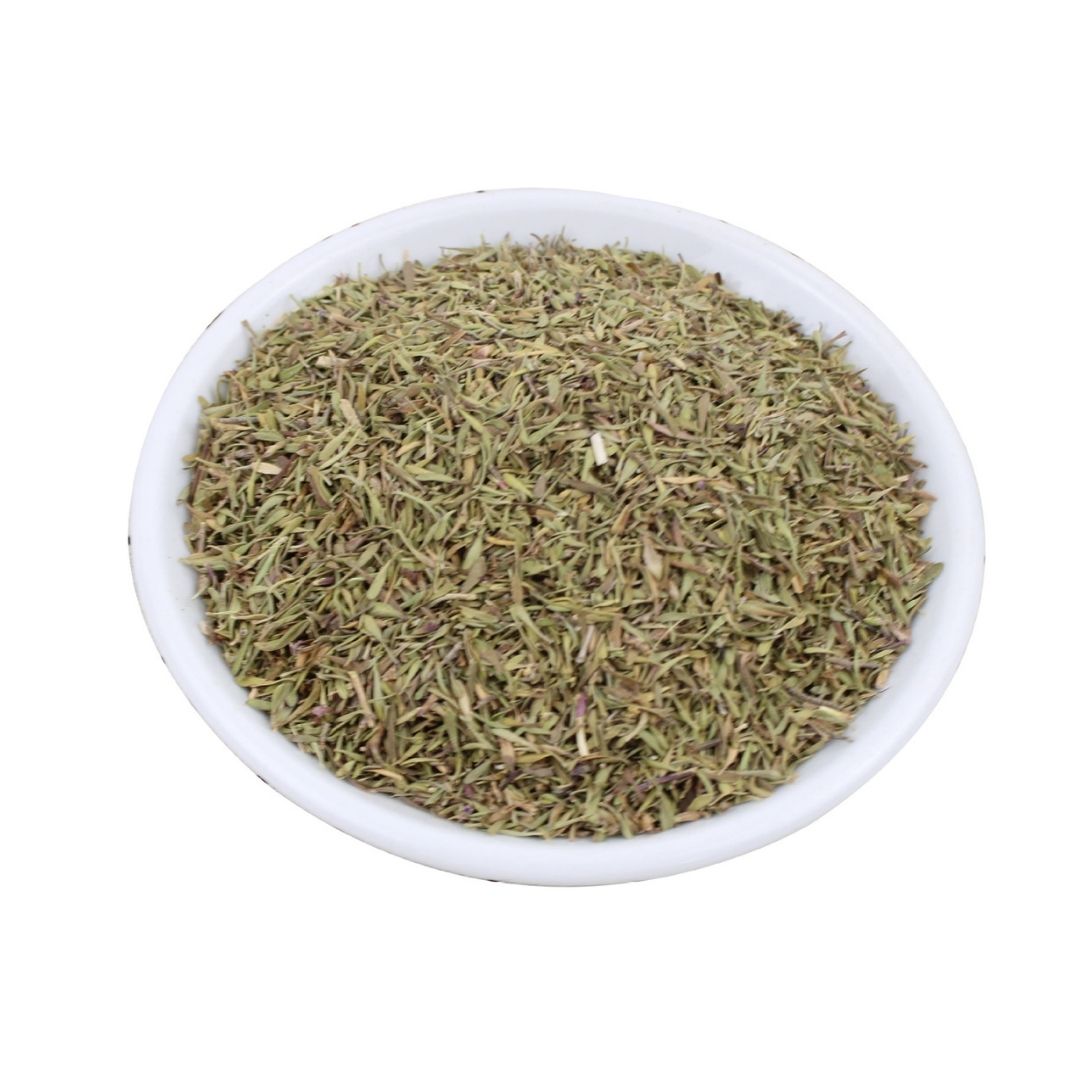
- Dried Thyme Leaves: Widely used due to their extended shelf life, dried thyme leaves provide a more concentrated flavor compared to fresh thyme.
- Ground Thyme: Ground thyme is convenient for incorporating into spice blends and recipes where a uniform distribution of flavor is needed.
- Thyme Oil/Extract: Extracted for its concentrated flavor and medicinal properties, both thyme oil and extracts must be kept in dark containers to extend their shelf life.
- Thyme Powder: A fine powder made from ground thyme, it is commonly used in dry rubs and spice mixes.
Application Scenarios and Usage Dosage
Thyme is a fundamental herb commonly used in a variety of different cuisines and dishes:
- Meat Dishes: Thyme is a popular herb for flavoring meats such as beef, lamb, pork, and poultry. It is used in marinades, rubs, and as a seasoning during cooking. For example, a classic roast chicken benefits greatly from being seasoned with thyme, rosemary, garlic, salt, and pepper [8].
- Vegetable Dishes: The herb enhances the flavor of roasted vegetables like potatoes, carrots, and Brussels sprouts. A simple preparation involves tossing the vegetables with olive oil, thyme, and salt before roasting [9].
- Soups and Stews: Thyme is often added to soups and stews, for example, in chicken noodle and hearty beef stews for its aromatic qualities, and the herb's ability to meld well with other flavors during long cooking times [10].
- Sauces: Thyme is commonly used in making sauces, like tomato-based sauces for pasta or cream-based sauces for chicken and fish. It complements the acidity of tomatoes and adds depth to creamy sauces [11].
- Baked Goods: Thyme can be incorporated into savory baked goods such as breads, scones, and biscuits. It offers a subtle herbal note that pairs well with cheeses and other savory ingredients [12].
- Eggs and Dairy: Thyme brings a savory depth to egg dishes like omelets and quiches. It can also be infused into dairy products like cheese and butter to add flavor [13].
Usage Methods and Dosage:
- Fresh Thyme: When using fresh thyme, strip the leaves from the stem and chop them finely. A general guideline is to use 1 tablespoon of fresh thyme in place of 1 teaspoon of dried thyme [14].
- Dried Thyme: For dried thyme, use sparingly as the flavor is more concentrated. Typically, ½ to 1 teaspoon of dried thyme is sufficient for most recipes serving four to six people [14]. Begin with less especially when the dish cooks for longer and adjust to taste.
- Marinades: When preparing marinades, thyme should be combined with other herbs, spices, oils, and acids to help infuse flavor into the meat. A standard marinade ratio is 1-2 teaspoons of thyme per pound of meat [15].
- Infusions: For soups and sauces, add thyme early in the cooking process to allow the flavors to fully develop. A bouquet garni, a bundle of herbs tied together with string will remove stems from the final product, and simplifies the removal process [16].
- Dry Rubs: Combine dried thyme with other spices such as paprika, garlic powder, and black pepper to create a dry rub for meats. Apply the rub generously and let it sit for at least 30 minutes before cooking [17].
Introduction to the Source Plant, Distribution, and Growing Environment
Thyme (Thymus vulgaris) is a perennial plant belonging to the Lamiaceae family, also known as the mint family. The plant typically grows to a height of 15–30 cm (6–12 inches) and features small, grayish-green leaves [18]. The plant's stems are woody and branched, with small pink or white flowers bloom in the summer [19].
Native to Southern Europe and the Mediterranean region, thyme thrives in warm, sunny climates with well-drained soil [20]. Common thyme is found across Southern Europe and the Mediterranean, including countries like France, Spain, Greece, and Italy. Due to its adaptability, the thyme plants are raised in many regions worldwide, including North America, South Africa, and Australia [21].
Thyme prefers a growing environment with full sun exposure (at least 6-8 hours per day) and well-drained, slightly sandy soil. The plant tolerates drought conditions but benefits from occasional watering during prolonged dry periods. Thyme thrives in a soil pH between 6.0 and 8.0. The herb is an important plant for attracting bees and other pollinators, further supporting local biodiversity when cultivated [22].
Harvesting, Processing, and Storage Preservation
Thyme’s essential oil content is at its peak when the plant flowers, therefore, the best time to harvest thyme is typically in the late spring or early summer [23]. Harvesting typically involves cutting the stems, leaving a few inches of growth to allow the plant to regenerate. The trimming can be achieved with garden shears or a sharp knife, preferably on a dry, sunny day to maximize the essential oil content [24].
After harvesting, thyme can be processed in several ways:
- Drying: To dry thyme, the stems are bundled together and hung upside down in a cool, dark, and well-ventilated area. Alternatively, the leaves can be spread in a single layer on a screen or tray [25]. Drying usually takes one to two weeks, depending on humidity levels. A dehydrator can speed up the process.
- Stripping: Once fully dried, the leaves are stripped from the stems. This is done manually or with a mechanical stripper [26].
- Grinding: The dried leaves are ground into a powder using a spice grinder or mortar and pestle, making it easier to incorporate into spice blends and recipes [27].
- Extraction: Thyme oil is extracted through steam distillation, where steam is passed through the plant material, and the essential oils contained in the steam are then condensed and collected [28].
Proper storage is essential for preserving the flavor and aroma of thyme:
- Airtight Containers: Dried thyme should be stored in airtight containers, such as glass jars or resealable plastic bags, to prevent moisture absorption and loss of volatile oils [29].
- Cool, Dark Place: The container should be stored in a cool, dark place away from direct sunlight and heat, such as a pantry or cabinet [29].
- Shelf Life: When stored properly, dried thyme can maintain its quality for one to two years. It is best to use it within this timeframe for optimal flavor [30].
Citations:
[1] Stahl-Biskup, E., & Sáez, F. (2002). Thyme: The genus Thymus. CRC press.
[2] Hossain, M. A., Al-Raqmi, K. A., Al-Mijizy, Z. H., Weli, A. M., & Al-Riyami, Q. (2013). Chemical composition and antioxidant properties of leaf essential oil of Thymus vulgaris grown in Oman. Journal of Taibah University for Science, 7(2), 96-102.
[3] Dalby, A. (2002). Dangerous tastes: the story of spices. Univ of California Press.
[4] Lawrence, B. M. (1995). A review of the world production of essential oils (1994). Perfumer & Flavorist, 20(3), 53-63.
[5] Ložienė, K., Venskutonis, P. R., & Nivinskienė, O. (2007). Influence of environmental and genetic factors on the composition of thyme (Thymus vulgaris L.) essential oil. Chemija, 18(2), 28-34.
[6] D'Antuono, L. F., Galletti, G. C., Bocchini, P., & Navarini, L. (2000). Variability of essential oil composition of Thymus vulgaris L. populations from different origins. Journal of Agricultural and Food Chemistry, 48(8), 3696-3702.
[7] Švarc-Gajić, J., Stanojević, L., Ilić-Tomić, T., Mitić, S., Nikolić, V., & Čomić, L. (2015). Chemical composition, antioxidant and antimicrobial activity of thyme (Thymus vulgaris L.) essential oil. Journal of Applied Pharmaceutical Science, 5(01), 017-022.
[8] Rombauer, I. S., Becker, M. R., & Becker, E. (1997). Joy of cooking. Simon and Schuster.
[9] Bittman, M. (2007). How to cook everything: simple recipes for great food. John Wiley & Sons.
[10] Peterson, J. (2003). Splendid soups: Recipes and foundations for soups of all kinds. Chronicle Books.
[11] Hazan, M. (1992). Essentials of classic Italian cooking. Alfred A. Knopf.
[12] Reinhart, P. (2007). Peter Reinhart's whole grain breads: new techniques, extraordinary flavors. Ten Speed Press.
[13] Pepin, J. (2011). Jacques Pépin New Complete Techniques. Fons & Porter.
[14] Herbst, S. T., & Herbst, R. (2009). The new food lover's companion: comprehensive definitions of nearly 6000 food, drink, and culinary terms. Barron's Educational Series.
[15] McGee, H. (2004). On food and cooking: the science and lore of the kitchen. Scribner.
[16] Larousse Gastronomique. (2009). The world's greatest culinary encyclopedia. Hamlyn.
[17] Pavlov, A. I., & Petruk, A. S. (2017). Optimization of extraction of biologically active substances from thyme herb. Pharmacy & Pharmacology, 5(2), 131-137.
[18] Huxley, A. (Ed.). (1992). The New Royal Horticultural Society Dictionary of Gardening. Macmillan.
[19] Polunin, O. (1987). Flowers of Britain and Europe. Oxford University Press.
[20] Davis, P. H. (Ed.). (1965-1985). Flora of Turkey and the East Aegean Islands. Edinburgh University Press.
[21] Duke, J. A. (2002). Handbook of medicinal herbs. CRC press.
[22] Wickens, G. E. (2001). Economic botany: principles and practices. Springer Science & Business Media.
[23] Simon, J. E., Quinn, J., & Murray, R. G. (1990). Basil: a source of essential oils. In Advances in new crops (pp. 484-489). Timber Press.
[24] De Biasi, M., De Giorgio, A., Gennari, O., & Sacchetti, G. (2011). Effects of drying parameters on essential oil content and composition of Thymus vulgaris L. Industrial Crops and Products, 34(1), 1171-1177.
[25] Ratti, C. (2001). Hot air and freeze-drying of high-value foods: a review. Journal of Food Engineering, 49(4), 311-319.
[26] Fellows, P. (2009). Food processing technology: principles and practice. Elsevier.
[27] Zeller, D. (2014). The chef's herb garden. Gibbs Smith.
[28] Baser, K. H. C., & Buchbauer, G. (Eds.). (2015). Handbook of essential oils: science, technology, and applications. CRC press.
[29] Rempe, J. M., & Schuele, J. A. (2009). Dry storage of foods. University of Nebraska-Lincoln Extension, Institute of Agriculture and Natural Resources.
[30] Singh, R., Lillard, D. A., Tanprasertsuk, J., & German, J. B. (1996). Factors influencing the volatiles of dried thyme and their oxidative stability during storage. Journal of Agricultural and Food Chemistry, 44(7), 1948-1954.
Mia Wu

Hi, I’m Mia Wu! I love helping customers discover the best natural ingredients for their products. With a passion for herbs, spices, and fungi, I work to make sure you get only the finest raw materials. Let's grow together! 🌱✨