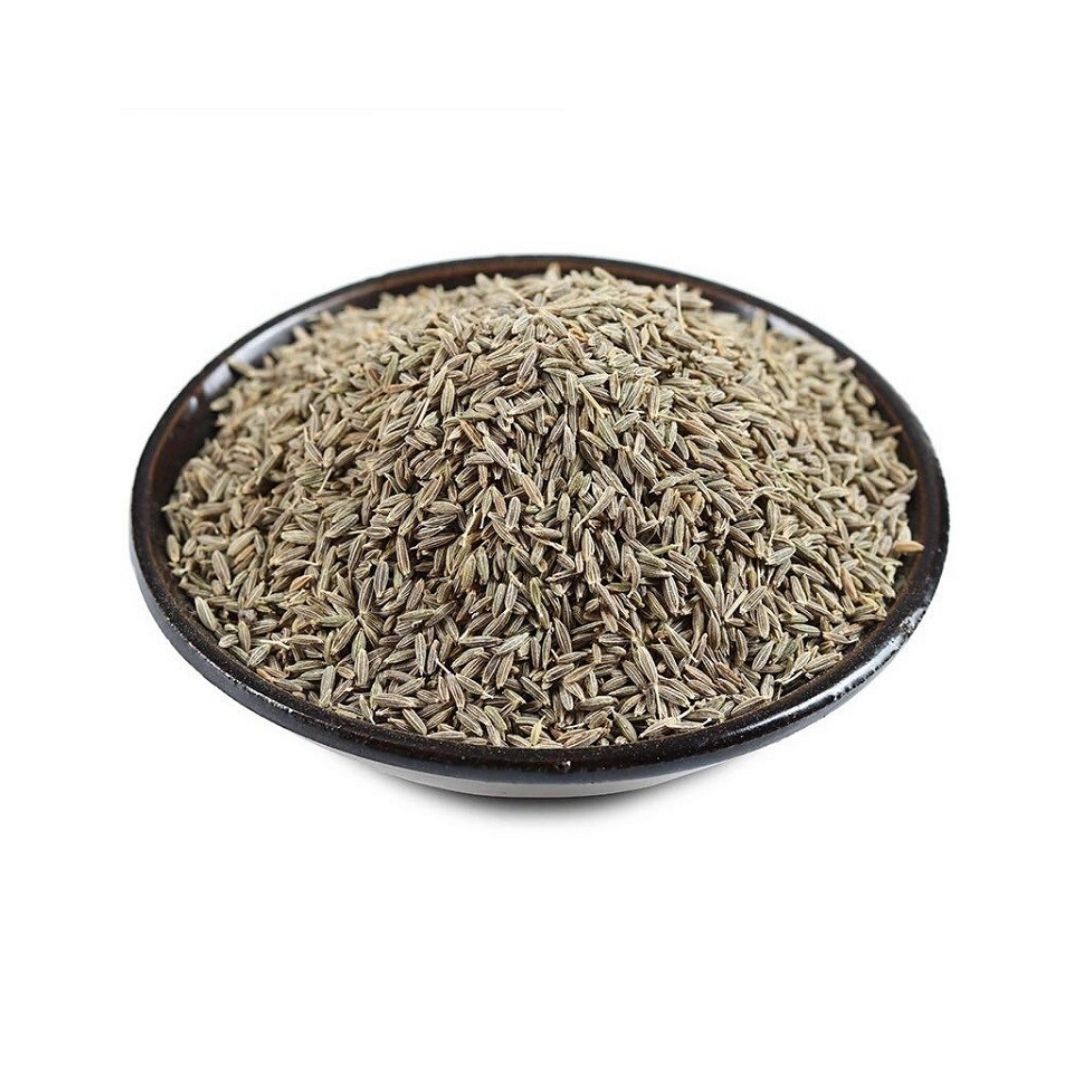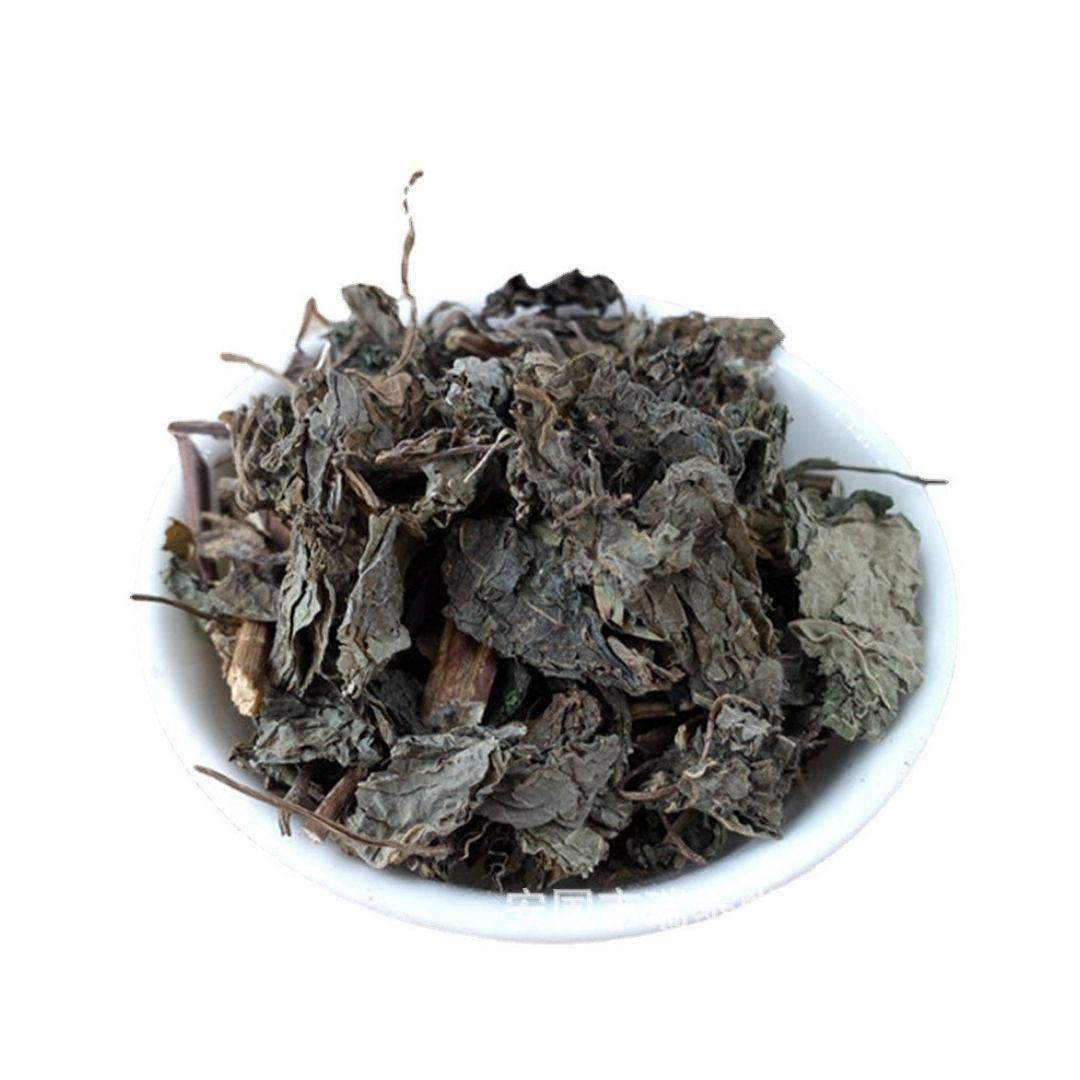


Product Introduction
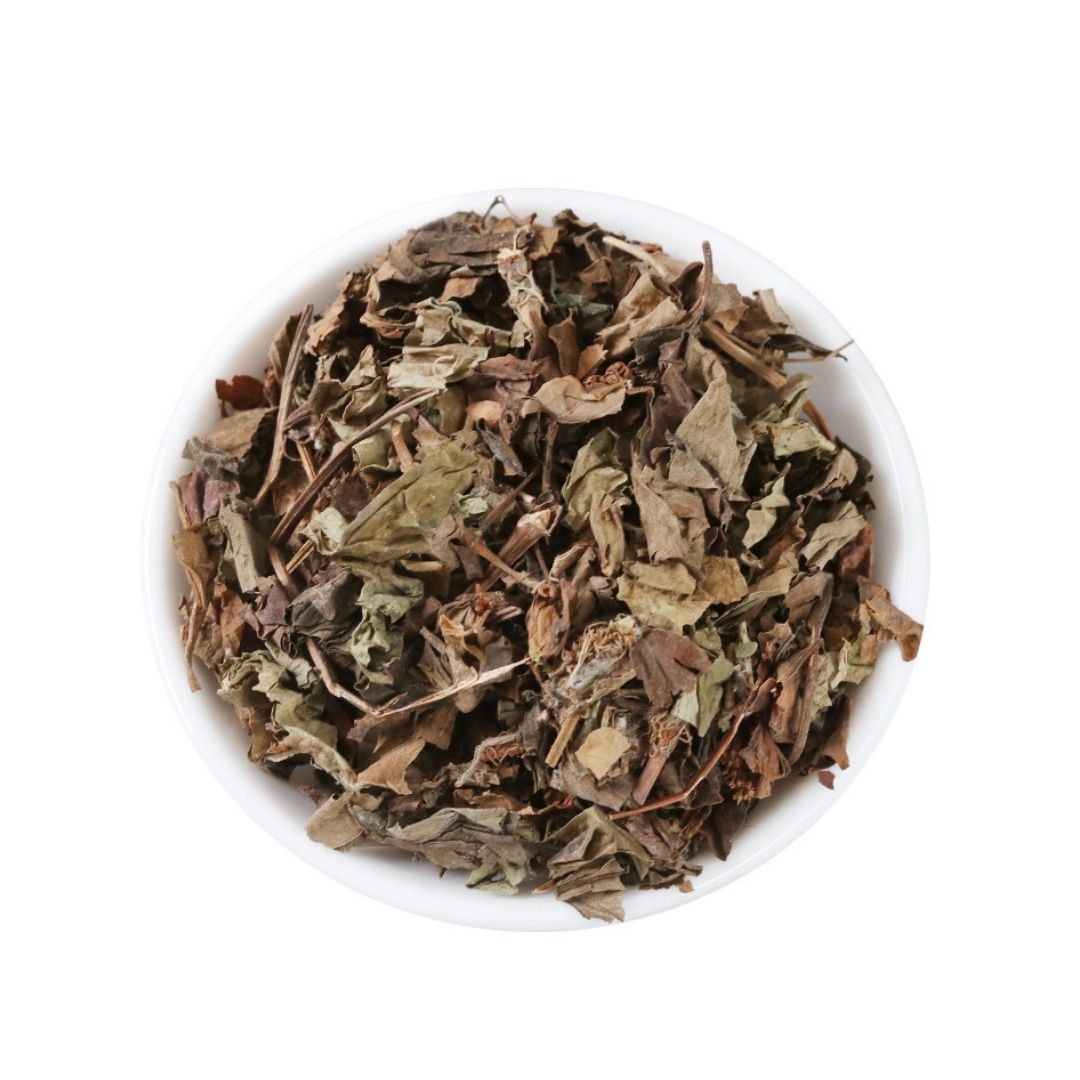
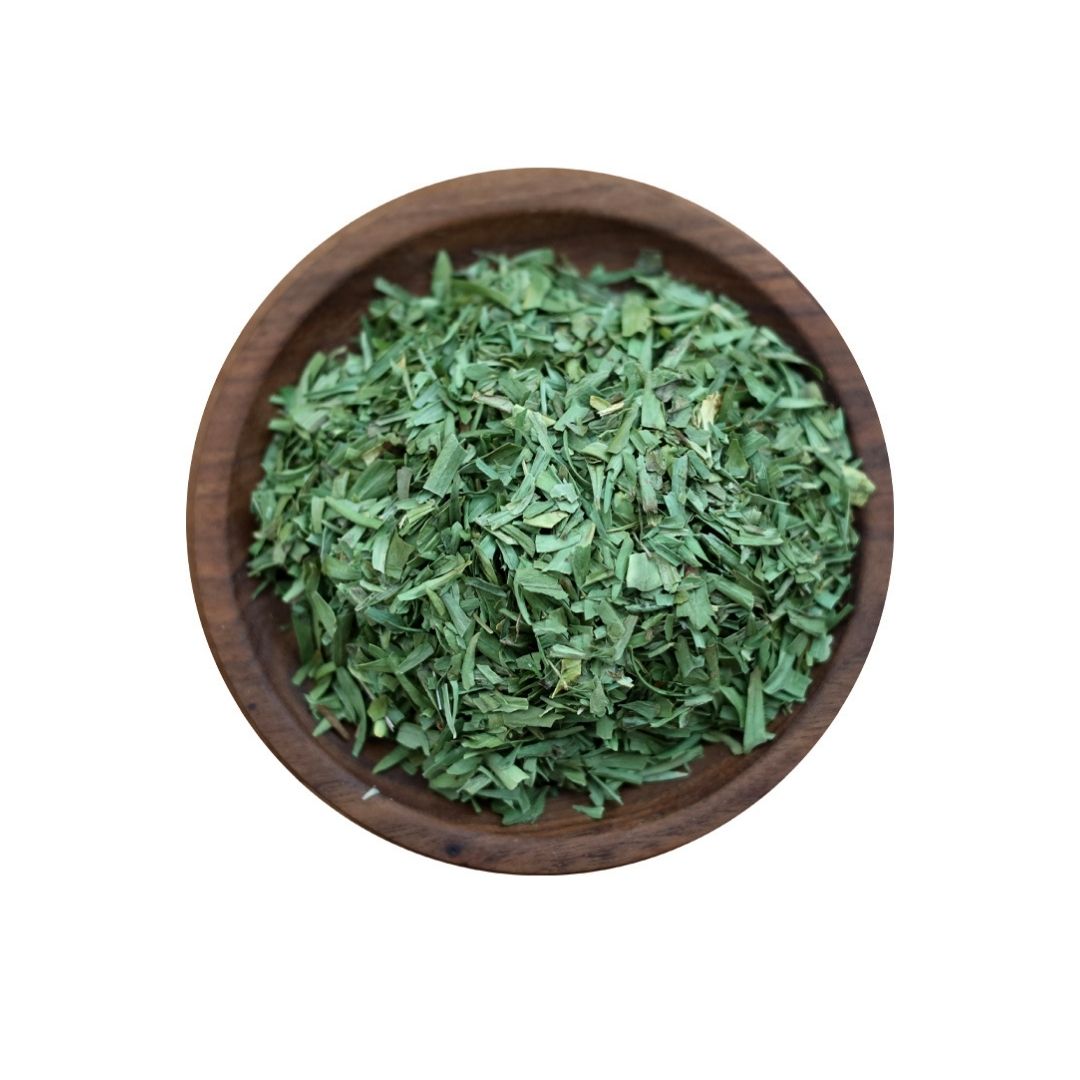
Tarragon, scientifically known as Artemisia dracunculus, is a perennial herb celebrated for its distinctive flavor, which combines anise-like sweetness, a gentle bitterness, and subtle notes of vanilla. The plant is native to a wide area of the Northern Hemisphere from Eastern Europe east across Eurasia to Mongolia, but it is cultivated extensively in France and other parts of Europe. The leaves of the tarragon plant, whether used fresh or dried, serve as the primary source of its culinary and aromatic properties.
The herb is a staple in French cuisine and is integral to several classic dishes and sauces. Tarragon's chemical composition, characterized by compounds such as estragole, anethole, and ocimene, contributes to its unique and complex flavor profile. These aromatic components make tarragon a versatile ingredient in both savory and sweet applications.
Beyond its use in cooking, tarragon has a history of traditional medicinal applications, although these are less prevalent today. The plant’s extract and essential oils have been explored for their potential health benefits, including antioxidant and anti-inflammatory properties.
To preserve its flavor and aroma, dried tarragon should be stored properly in an airtight container, away from light, heat, and moisture. Tarragon remains a favored herb among chefs and home cooks, lending sophistication and depth to a wide range of dishes, from salads and egg preparations to complex sauces and meat dishes. Its ease of cultivation in various climates has further cemented its global popularity.
Aromatic Chemical Composition
The aromatic profile of tarragon is mainly attributed to a mix of volatile compounds, each contributing uniquely to its overall scent and flavor. Estragole is often the main component, imparting a licorice-like or anise-like aroma that defines tarragon. Anethole enhances this licorice note. Ocimene, contributes green and slightly woody nuances.
These compounds exist in variable concentrations based on the variety of tarragon, its growing conditions, and the method of drying or extraction. French tarragon, generally preferred for culinary use, tends to have a higher concentration of estragole and a more pronounced anise flavor compared to Russian tarragon. Other terpenes, such as limonene and pinene, add subtle citrusy and piney notes, respectively, enriching the complexity of tarragon's aroma. The interplay of these chemical components determines the herb’s distinctive and appealing fragrance.
What Types of Products Are Available?
Tarragon is available in several forms, catering to various culinary and other applications:
- Fresh Tarragon: The most flavorful option, imparting a vibrant, fresh taste. Use immediately or stored briefly.
- Dried Tarragon: A convenient alternative with a more concentrated flavor but less nuanced than fresh tarragon.
- Tarragon Vinegar: Tarragon-infused vinegar, commonly used in salad dressings and sauces, providing a tangy, herbaceous flavor.
- Tarragon Oil: Extracted from tarragon leaves, capturing its aromatic compounds for use in cooking or as a flavoring agent.
- Tarragon Extract: A concentrated liquid form, often used in flavoring beverages, baked goods, and confectionery.
Application Scenarios and Usage Dosage
Tarragon is a versatile herb with applications across many culinary fields. Its complex flavor profile complements a variety of dishes, making it a favored ingredient among chefs and home cooks.
Culinary Applications:
- Sauces: Tarragon is a key ingredient in classic French sauces such as Béarnaise and Hollandaise. According to "The Food Lab: Better Home Cooking Through Science" by J. Kenji López-Alt, tarragon's anise notes enhance the richness of these emulsified sauces (López-Alt, 2015). It also pairs well with cream-based sauces, adding depth and complexity.
- Salads: Fresh tarragon leaves can be added to salads, especially those with chicken, eggs, or potatoes. The herb's subtle licorice flavor brightens the overall taste. A light sprinkling of chopped tarragon is often sufficient to elevate the salad's flavor.
- Egg Dishes: Tarragon enhances the flavor of egg dishes such as omelets, frittatas, and scrambled eggs. According to "Mastering the Art of French Cooking" by Julia Child, tarragon is a classic pairing with eggs, lending a sophisticated touch (Child, 1961). Add the herb towards the end of cooking to preserve its flavor.
- Seafood: Tarragon pairs well with fish and seafood, especially chicken. Its subtle anise flavor complements these dishes without overpowering them. It can be used in marinades, sauces, or sprinkled directly on the cooked seafood.
- Vinegars and Oils: Tarragon-infused vinegar and oils are used in salad dressings and marinades, imparting a subtle herbaceous flavor. These preparations are versatile and can be used to enhance a wide variety of dishes.
- Meat Dishes: Tarragon can be used to flavor meat dishes, especially chicken, lamb, and rabbit. It is often used in stuffings, rubs, and sauces. The herb's aromatic compounds complement the savory flavors of the meat.
- Vegetables: Tarragon is well-suited for use with mild vegetables such as zucchini.
Usage Dosage:
The appropriate dosage of tarragon varies based on whether it is fresh or dried. Fresh tarragon is milder, so larger quantities can be used. Dried tarragon, with its more concentrated flavor, should be used sparingly.
- Fresh Tarragon: For most dishes, 1-2 tablespoons of chopped fresh tarragon per serving is sufficient. Adjust to taste.
- Dried Tarragon: Start with ½ to 1 teaspoon of dried tarragon per serving. Taste and adjust accordingly.
When using tarragon, it's best to add it towards the end of the cooking process to preserve its flavor. Overheating can diminish its delicate flavor and aroma.
Introduction to the Source Plant, Distribution, and Growing Environment
Tarragon (Artemisia dracunculus) is a perennial herb of the Asteraceae family, growing up to 1-2 meters tall, with slender, lance-shaped leaves. Native to temperate regions of the Northern Hemisphere, particularly Eastern Europe and Asia, it thrives in well-drained soil and full sun.
Tarragon is found in various forms, including French tarragon, with a strong anise flavor, and Russian tarragon, which is more robust but less flavorful. French tarragon is propagated through cuttings, as it rarely produces viable seeds, while Russian tarragon can be grown from seeds but lacks the refined taste of the French variety. The plant adapts to temperate conditions, making it suitable for cultivation in gardens and farms across Europe, North America, and parts of Asia.
Harvesting, Processing, and Storage Preservation
Harvesting tarragon typically occurs in the late summer, when the plant's essential oils are at their peak, with leaves cut in the morning after the dew has dried to maximize flavor. The harvested leaves can be used fresh or dried for later use.
To dry tarragon, spread the leaves in a single layer on a screen or hang bunches upside down in a cool, dark, and well-ventilated area. Once dried, store the leaves in airtight containers away from light and moisture to preserve their flavor and aroma.
Proper storage is essential to maintain the quality of dried tarragon, protecting it from degradation caused by light, heat, and humidity. Fresh tarragon can be stored briefly in the refrigerator, wrapped in a damp paper towel, but it is best used immediately for optimal flavor.
Citations:
- Child, J. (1961). Mastering the Art of French Cooking. Alfred A. Knopf.
- López-Alt, J. K. (2015). The Food Lab: Better Home Cooking Through Science. W. W. Norton & Company.
Mia Wu

Hi, I’m Mia Wu! I love helping customers discover the best natural ingredients for their products. With a passion for herbs, spices, and fungi, I work to make sure you get only the finest raw materials. Let's grow together! 🌱✨