

Product Introduction
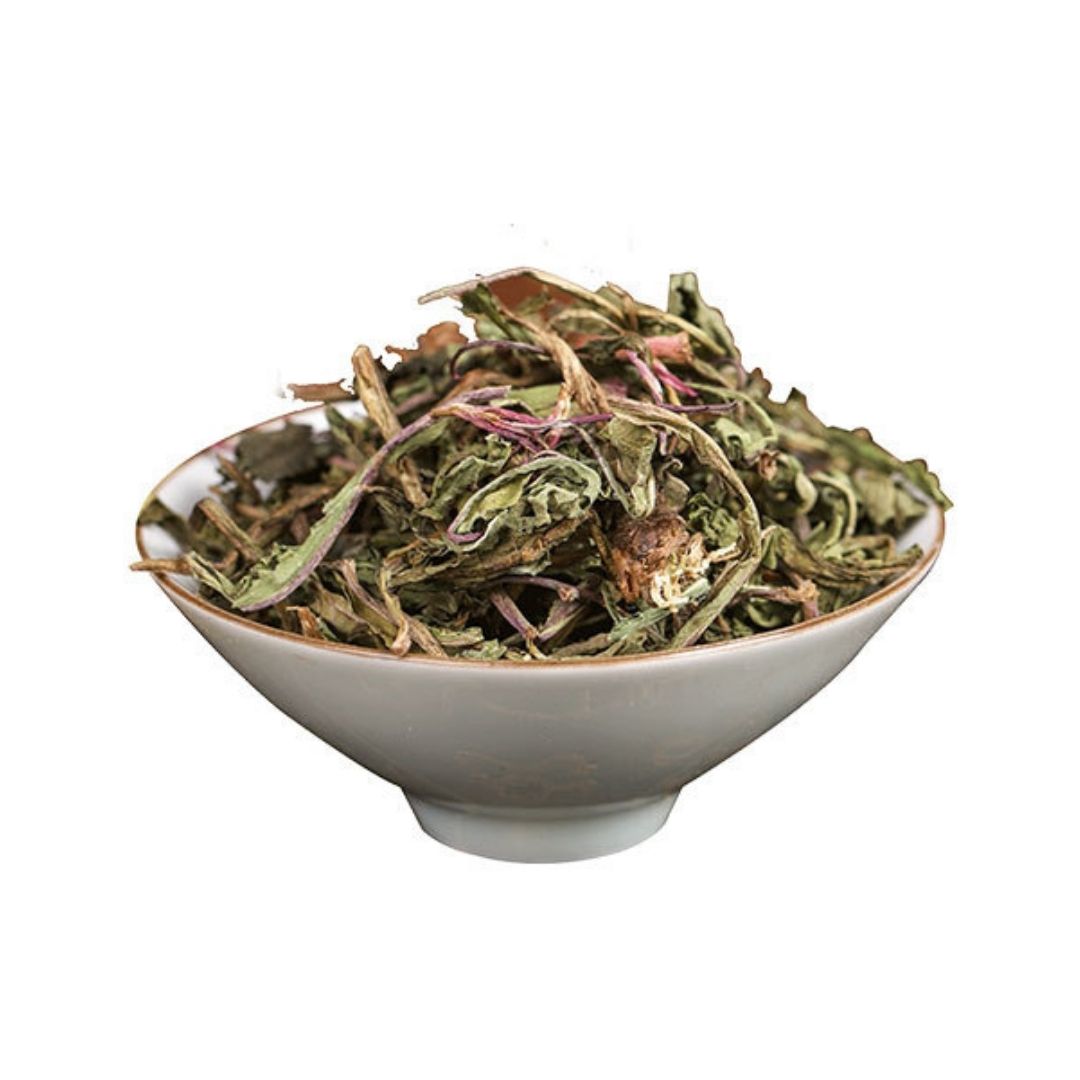
Taraxacum, a perennial herb, has been used for centuries in traditional medicine. It is known for its medicinal properties and is widely distributed globally. Its various components contribute to its therapeutic effects, making it a valuable natural remedy. The herb's versatility allows it to be used in different forms, such as fresh, dried, or as an extract.
Main Active Ingredients
The main active ingredients in Taraxacum include taraxacin, choline, and inulin. Taraxacin is thought to contribute to its bitter taste and potential anti-inflammatory effects. Choline is important for liver function and lipid metabolism. Inulin is a prebiotic fiber that can support digestive health. These compounds collectively contribute to the overall therapeutic benefits of the herb.
Product Application Scenarios, Usage, and Dosage
Taraxacum is used in various applications, primarily for its heat-clearing and detoxifying properties. It is often used to address conditions such as mastitis, sore throat, and digestive issues. The herb can be consumed as a tea, added to salads, or taken in capsule form. The typical dosage of dried Taraxacum is around 9 to 15 grams, usually decocted in water for oral administration.
Introduction to the Source Plant, Distribution, and Growth Environment
The source plants for Taraxacum (Taraxacum mongolicum Hand.-Mazz, Taraxacum sinicum Kitag.) are commonly found in temperate regions around the world. These plants thrive in various environments, including meadows, fields, and disturbed areas. They are adaptable and can grow in different soil types. The plant is characterized by its yellow flowers and deeply lobed leaves, forming a basal rosette.
Harvesting, Processing, and Storage
Taraxacum is typically harvested in the spring or fall when the plant is actively growing. The entire plant, including the roots and leaves, can be harvested. After harvesting, the plant material is usually dried to reduce moisture content. Proper drying prevents mold growth and preserves the herb's medicinal properties. Once dried, Taraxacum should be stored in a cool, dry place, away from direct sunlight, to maintain its potency and prevent degradation.
Citations:
- Flora of China Editorial Committee. (2011). Flora of China (English Edition), Vol. 15. Beijing: Science Press; St. Louis: Missouri Botanical Garden Press.
- Hu, Y., et al. "The genus Taraxacum: an updated review on its botanical, chemical, and pharmacological characteristics." Journal of Ethnopharmacology 268 (2021): 113585.
- Schütz, K., et al. "Taraxacum—A review on its phytochemical and pharmacological profile." Journal of Ethnopharmacology 107.3 (2006): 313-323.
Mia Wu

Hi, I’m Mia Wu! I love helping customers discover the best natural ingredients for their products. With a passion for herbs, spices, and fungi, I work to make sure you get only the finest raw materials. Let's grow together! 🌱✨