

Product Introduction
Szechwan Lovage Rhizome, derived from the Ligusticum sinense plant, has been used for centuries in traditional Chinese medicine. The rhizome, which is the underground stem of the plant, has a distinctive aromatic and pungent flavor profile, making it a valuable ingredient in both medicinal and culinary applications. The plant is native to the Sichuan province of China, hence the name "Szechwan Lovage."
The primary components contributing to the rhizome's distinct characteristics are a variety of bioactive compounds. These include ligustilide, butylphthalide, and senkyunolide, which are known for their potential therapeutic effects. Ferulic acid, an antioxidant, is also present. These chemical constituents contribute to the plant's purported health benefits and aromatic properties, making it a sought-after ingredient in traditional medicine.
In culinary applications, Szechwan Lovage Rhizome is often used to enhance the flavor of various dishes. Its pungent and slightly bitter taste adds depth to soups, stews, and braised meats, showcasing its versatility as a spice. The use of Szechwan Lovage Rhizome is not limited to Chinese cuisine; it has also found its place in other Asian culinary traditions, where it is appreciated for its unique flavor-enhancing properties.
Aromatic Chemical Composition
The aromatic profile of Szechwan Lovage Rhizome is largely determined by its volatile chemical compounds. Ligustilide, a phthalide derivative, contributes significantly to its characteristic aroma and flavor. Butylphthalide, another key component, adds to the complex scent profile. Senkyunolide, also present, plays a role in the overall aromatic composition, enhancing the pungency of the rhizome. These compounds work synergistically to create a distinct and appealing scent. The presence of ferulic acid also influences the aroma, providing subtle phenolic notes.
What Types of Products Are Available?
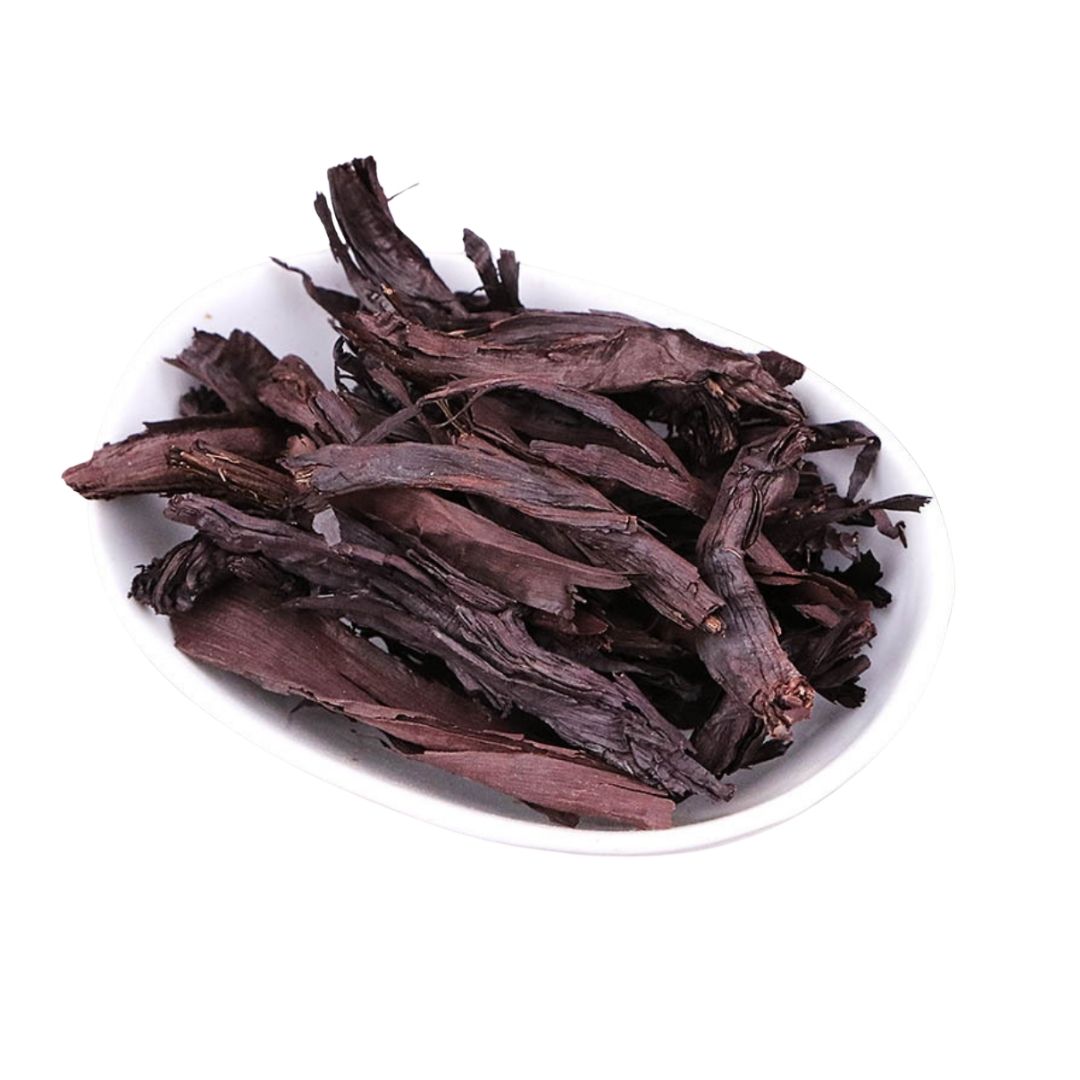
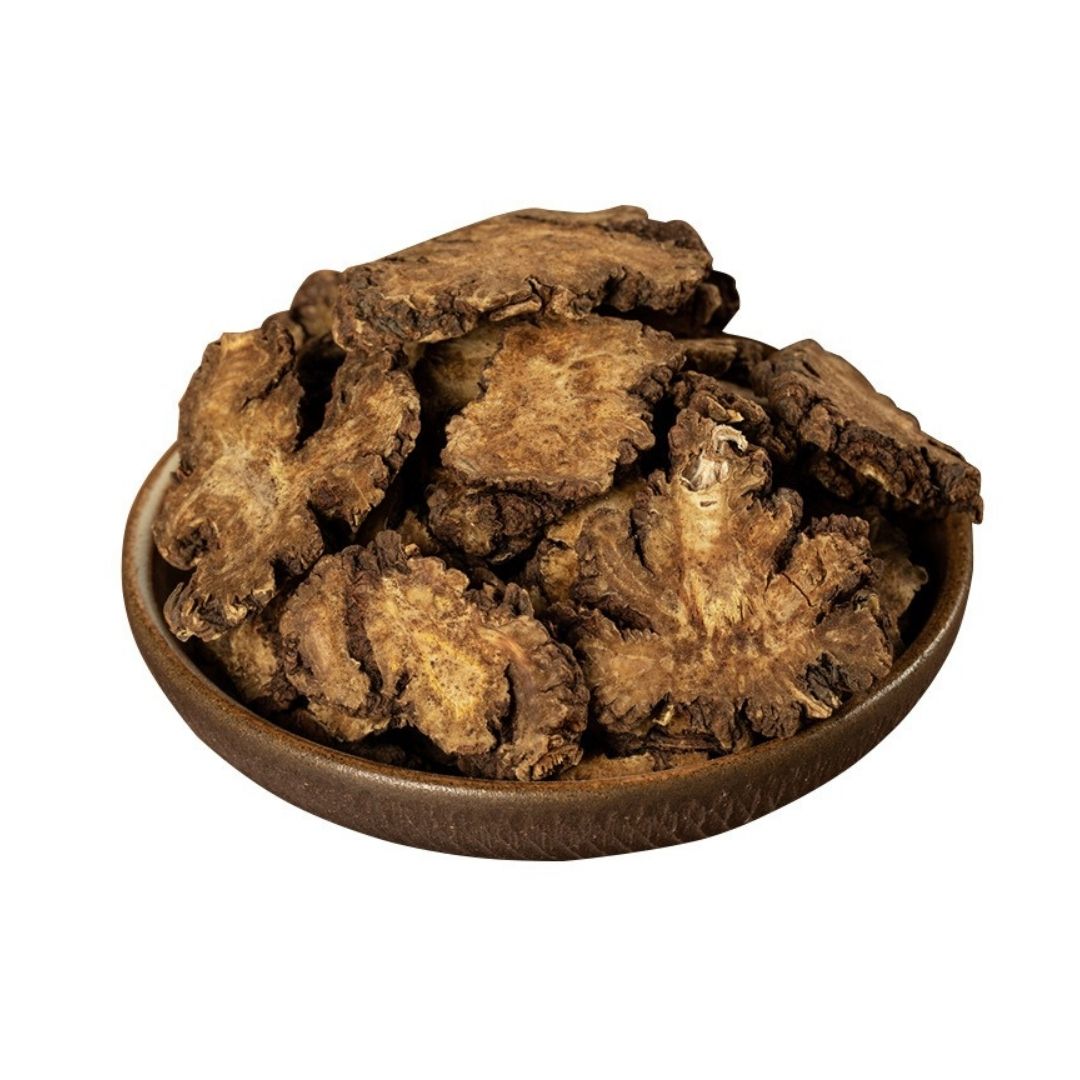
Szechwan Lovage Rhizome is available in several forms to suit different applications. The whole, dried rhizome is commonly sold for traditional medicinal preparations, allowing users to prepare decoctions and extracts. Powdered Szechwan Lovage Rhizome is also available, offering convenience for culinary use and standardized dosing in herbal formulations. Extracts and essential oils derived from the rhizome are used in aromatherapy and fragrance applications, leveraging the concentrated aromatic compounds.
Application Scenarios and Usage Dosage
In culinary contexts, Szechwan Lovage Rhizome serves as a versatile spice, enhancing the flavor profiles of various dishes. It is frequently integrated into soups and broths, where its pungent and slightly bitter notes add depth and complexity. A small amount of the rhizome, typically 1-2 grams, is sufficient to infuse the broth with its distinctive flavor; it is often added during the simmering process, allowing the flavors to meld. The spice is also used in braised meat dishes, where its aromatic compounds complement the richness of the meat, softening tougher cuts and adding nuanced flavors. For braising applications, usage ranges from 2-3 grams, depending on the quantity of meat and the desired intensity of flavor.
Furthermore, Szechwan Lovage Rhizome is employed in stir-fries, particularly in Sichuan cuisine, where it contributes to the region’s signature “ma la” (numbing and spicy) flavor sensation. It works well with ingredients such as chili peppers and Sichuan peppercorns. Typically, 0.5-1 gram of the dried rhizome, either whole or ground, can be added to the hot oil at the beginning of the stir-fry to release its aromatic compounds, flavoring the entire dish.
When using Szechwan Lovage Rhizome, it is crucial to consider its potency, as overusing it can lead to a bitter or overpowering flavor. In traditional Chinese medicine, the dosage varies widely depending on the specific condition being treated and the patient's individual constitution, often ranging from 3 to 15 grams per day, administered in decoctions or herbal formulas under the guidance of a qualified practitioner.
The spice is not only limited to savory dishes; it can also be incorporated into certain traditional Chinese desserts and herbal teas, where its medicinal properties are as valued as its flavor. In such applications, a small amount, less than 0.5 gram, is typically used to provide a subtle, complex note.
Introduction to the Source Plant, Distribution, and Growing Environment
Ligusticum sinense, the source plant of Szechwan Lovage Rhizome, belongs to the Apiaceae family. This perennial herb thrives in mountainous regions, particularly in western China, including Sichuan, Yunnan, and Guizhou provinces. The plant prefers cool, moist environments with well-drained soil and partial shade, often found growing at elevations between 1,500 and 3,000 meters. Ligusticum sinense typically grows to a height of 0.5 to 1 meter, characterized by its distinctive, divided leaves and umbrella-like clusters of small white flowers. The plant is highly regarded in traditional Chinese medicine for its therapeutic properties and its unique flavor profile, making it a commercially valuable crop in its native regions.
Harvesting, Processing, and Storage Preservation
The rhizomes of Ligusticum sinense are typically harvested in late autumn or early spring, when the plant's active compounds are most concentrated. The harvesting process involves carefully digging up the rhizomes, removing any adhering soil, and washing them thoroughly. Once cleaned, the rhizomes are sliced into smaller pieces to facilitate drying. The drying process is crucial for preserving the quality and extending the shelf life of the rhizome; this is traditionally done by sun-drying the rhizome pieces over several days or weeks, or by using mechanical drying methods at controlled temperatures to prevent degradation of the active compounds.
After drying, the Szechwan Lovage Rhizome must be stored correctly to maintain its flavor and potency. It should be kept in a cool, dry, and dark place, away from direct sunlight and moisture, to prevent the growth of mold and the loss of volatile compounds. The rhizomes are best stored in airtight containers or sealed bags to protect them from humidity and pests. Properly stored Szechwan Lovage Rhizome can retain its quality for up to two years.
Citations:
- Zhao, Z., et al. "Chemical constituents of Ligusticum species and their pharmacological activities." Journal of Ethnopharmacology 152.3 (2014): 487-503.
- Chen, Y., et al. "Analysis of volatile components of Ligusticum chuanxiong Hort. by gas chromatography–mass spectrometry." Journal of Pharmaceutical and Biomedical Analysis 46.4 (2008): 628-634.
- Li, H., et al. "Simultaneous determination of six bioactive components in Ligusticum chuanxiong by HPLC-DAD." Journal of Separation Science 33.19 (2010): 2971-2977.
Mia Wu

Hi, I’m Mia Wu! I love helping customers discover the best natural ingredients for their products. With a passion for herbs, spices, and fungi, I work to make sure you get only the finest raw materials. Let's grow together! 🌱✨