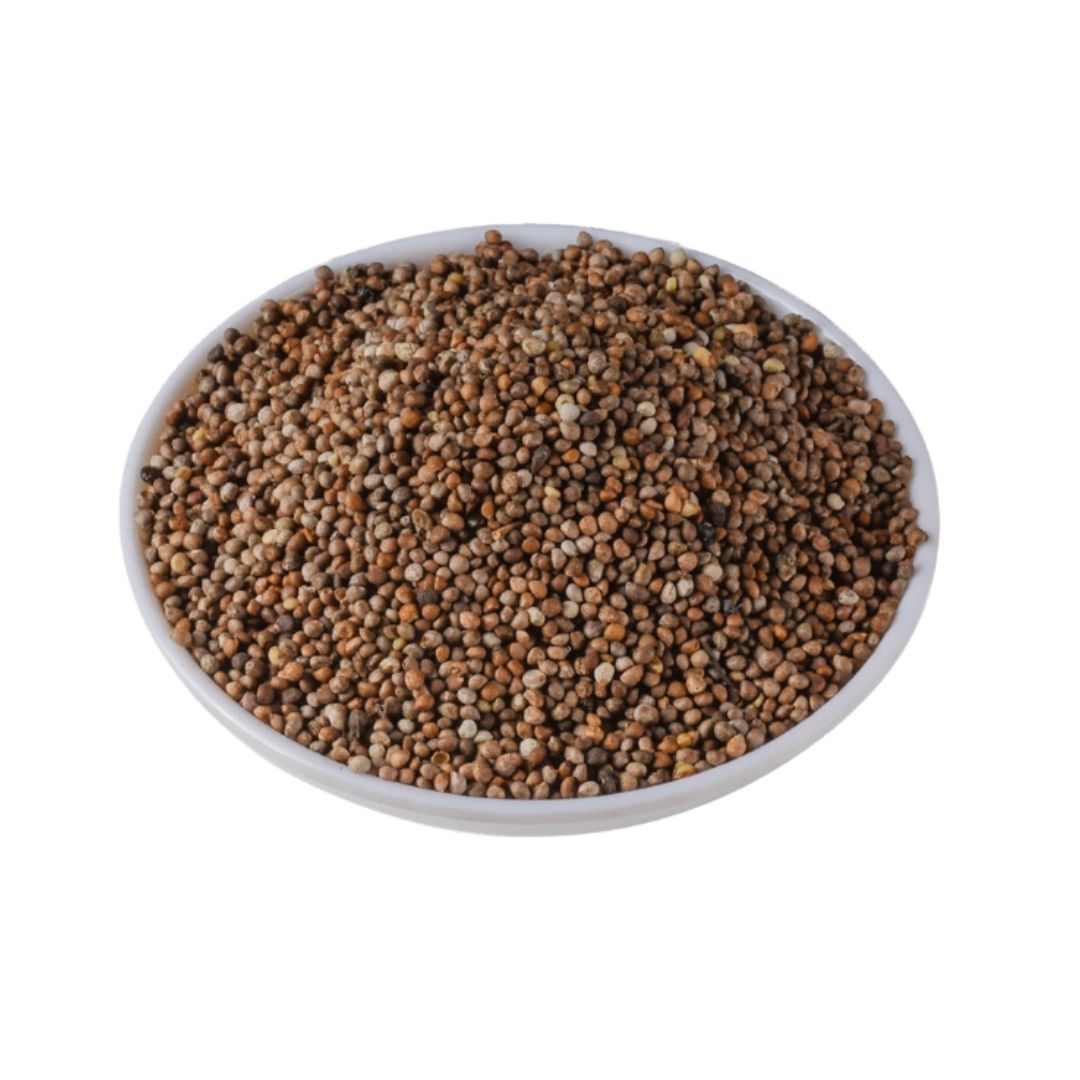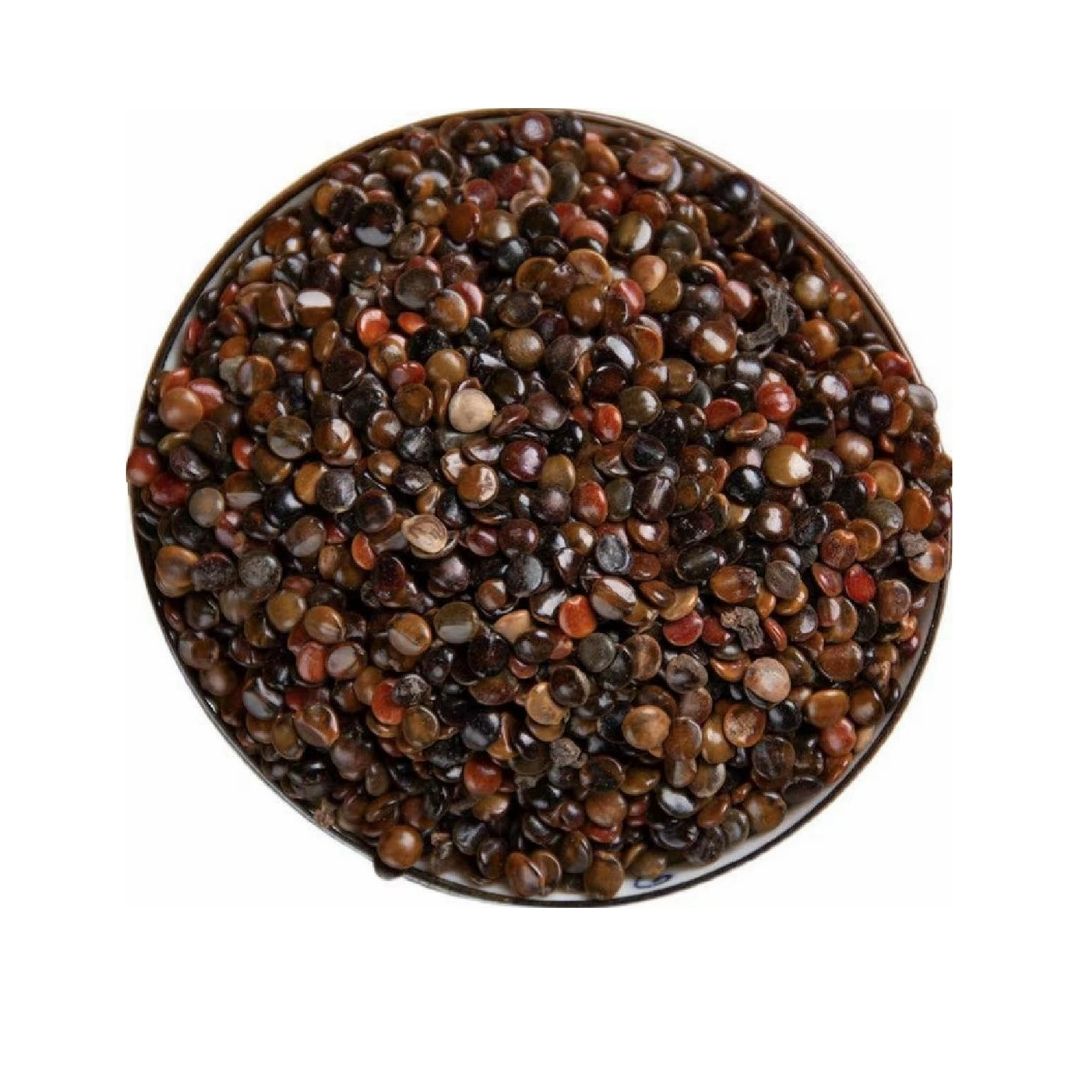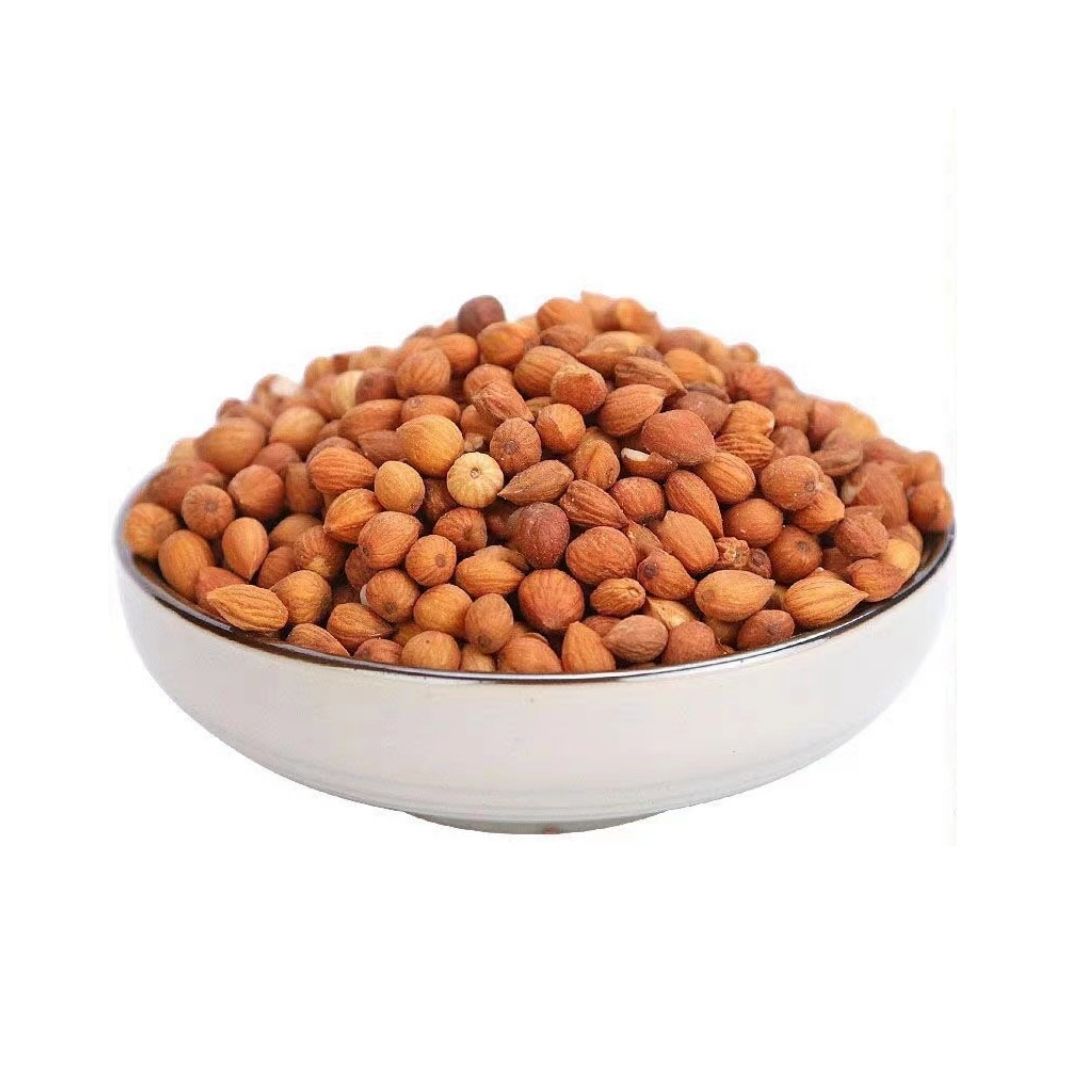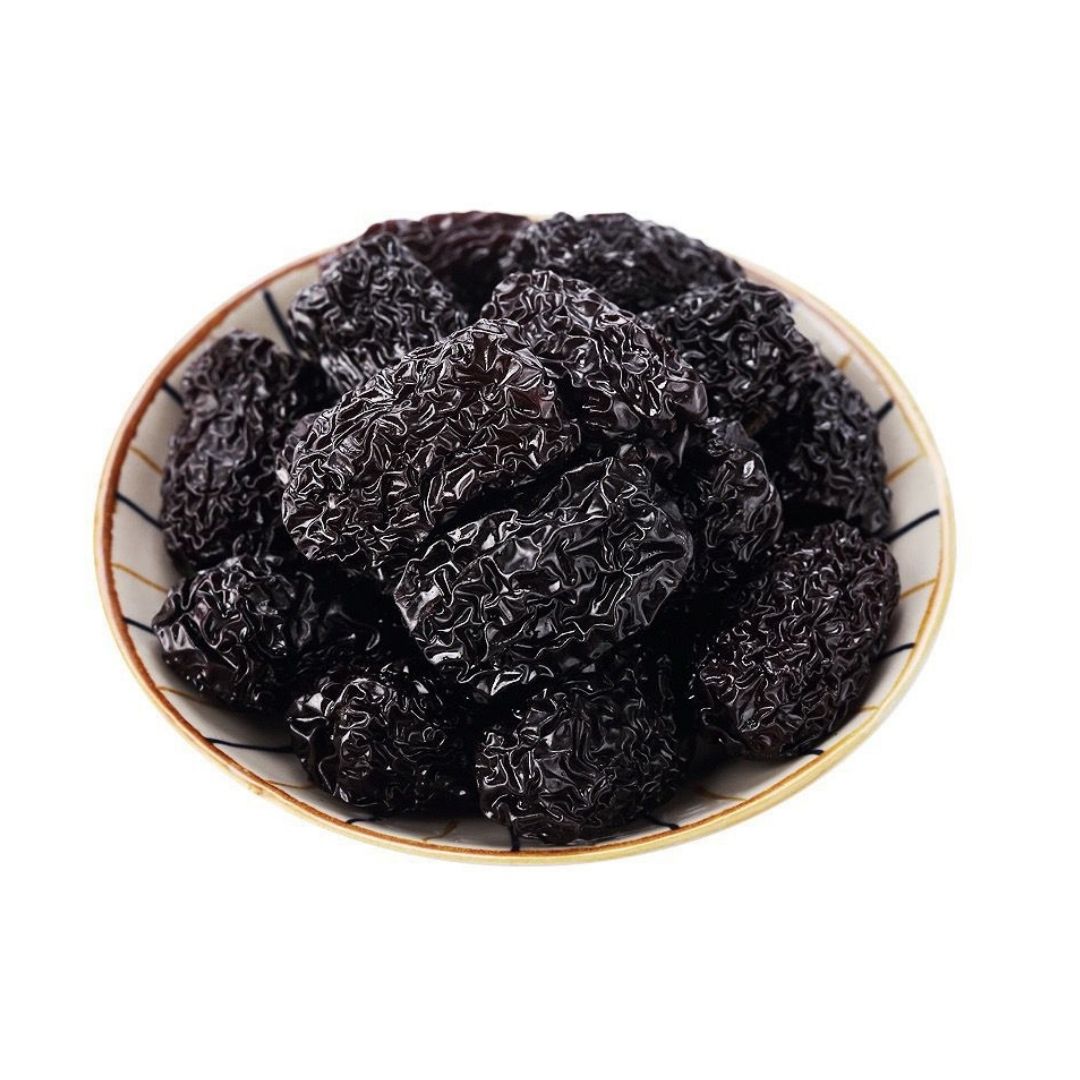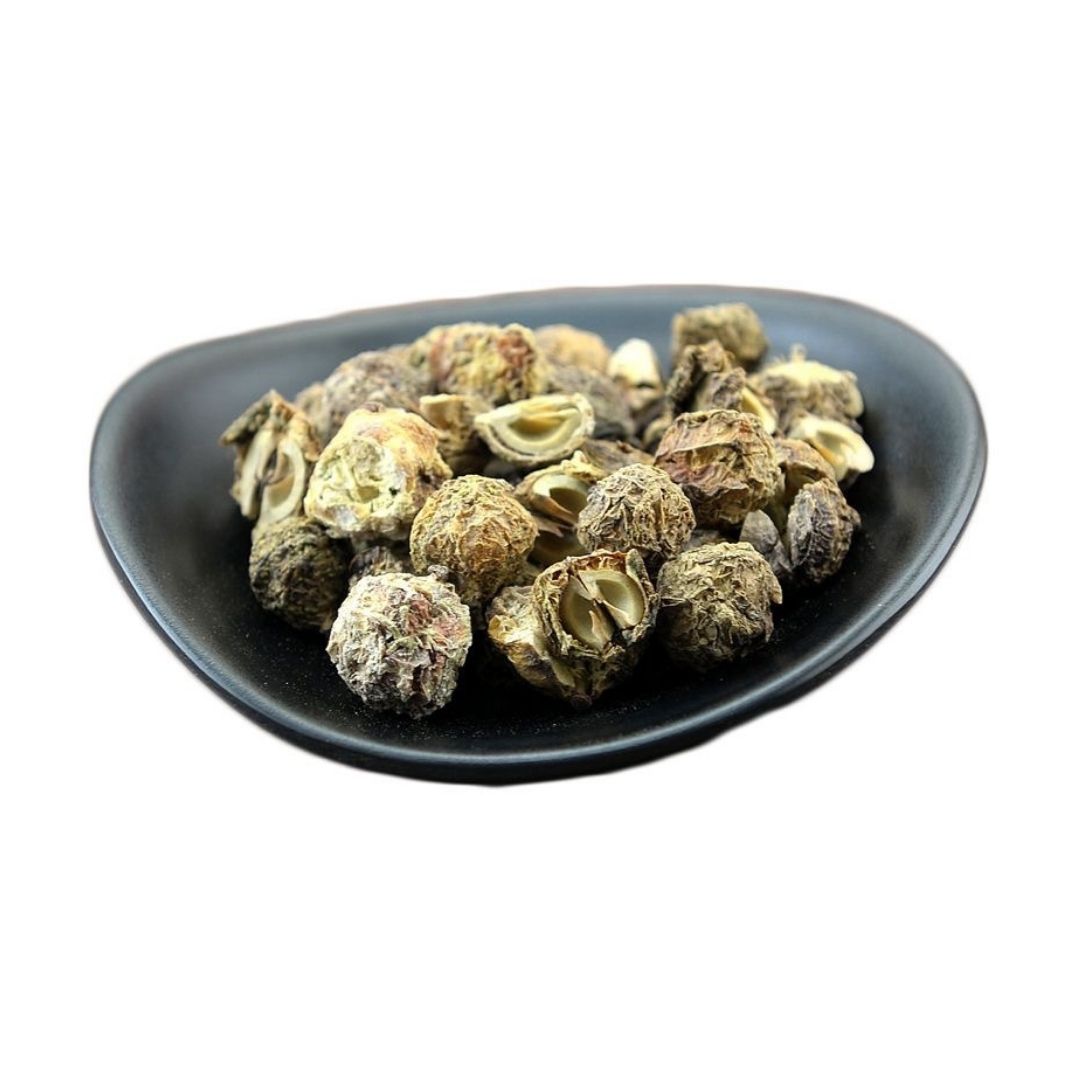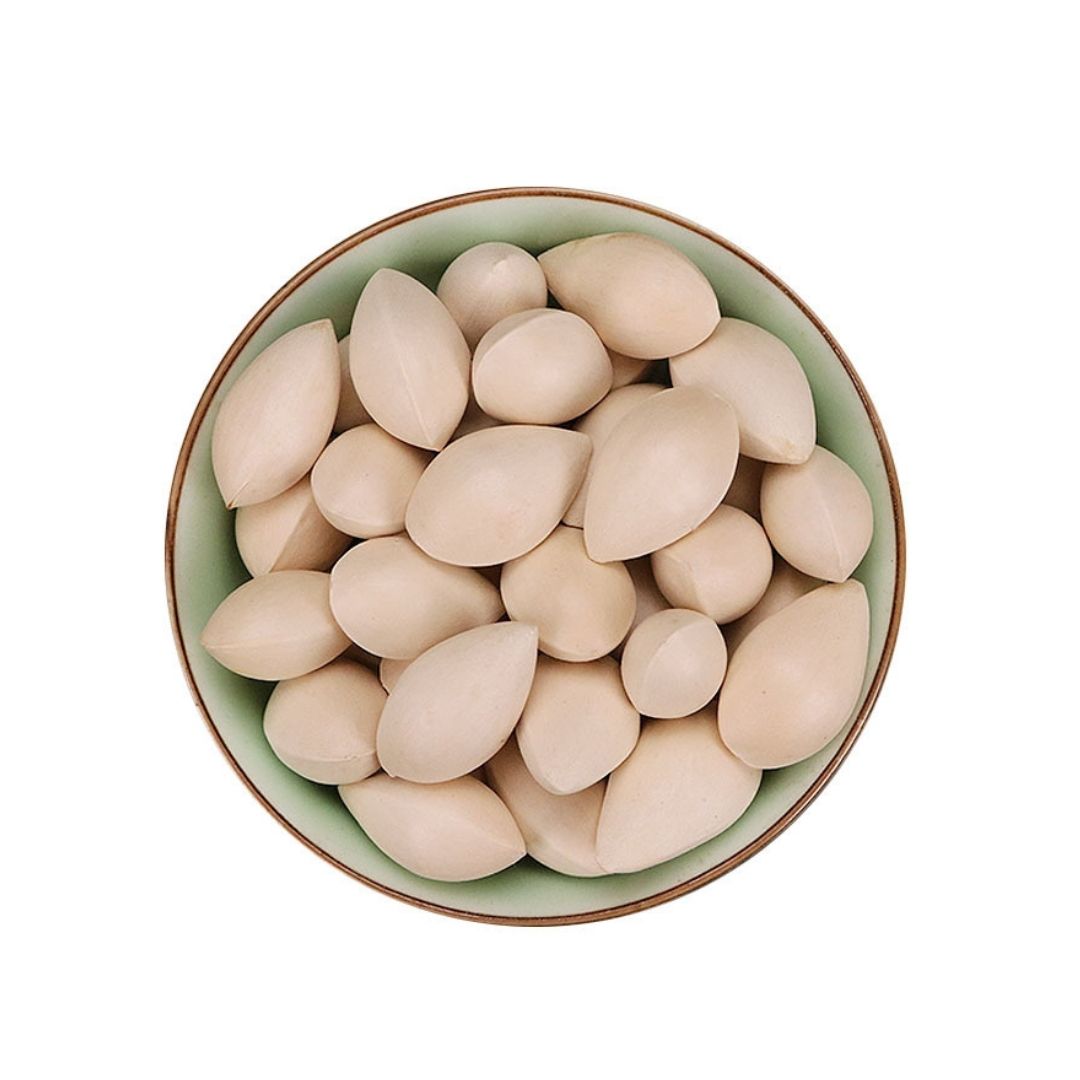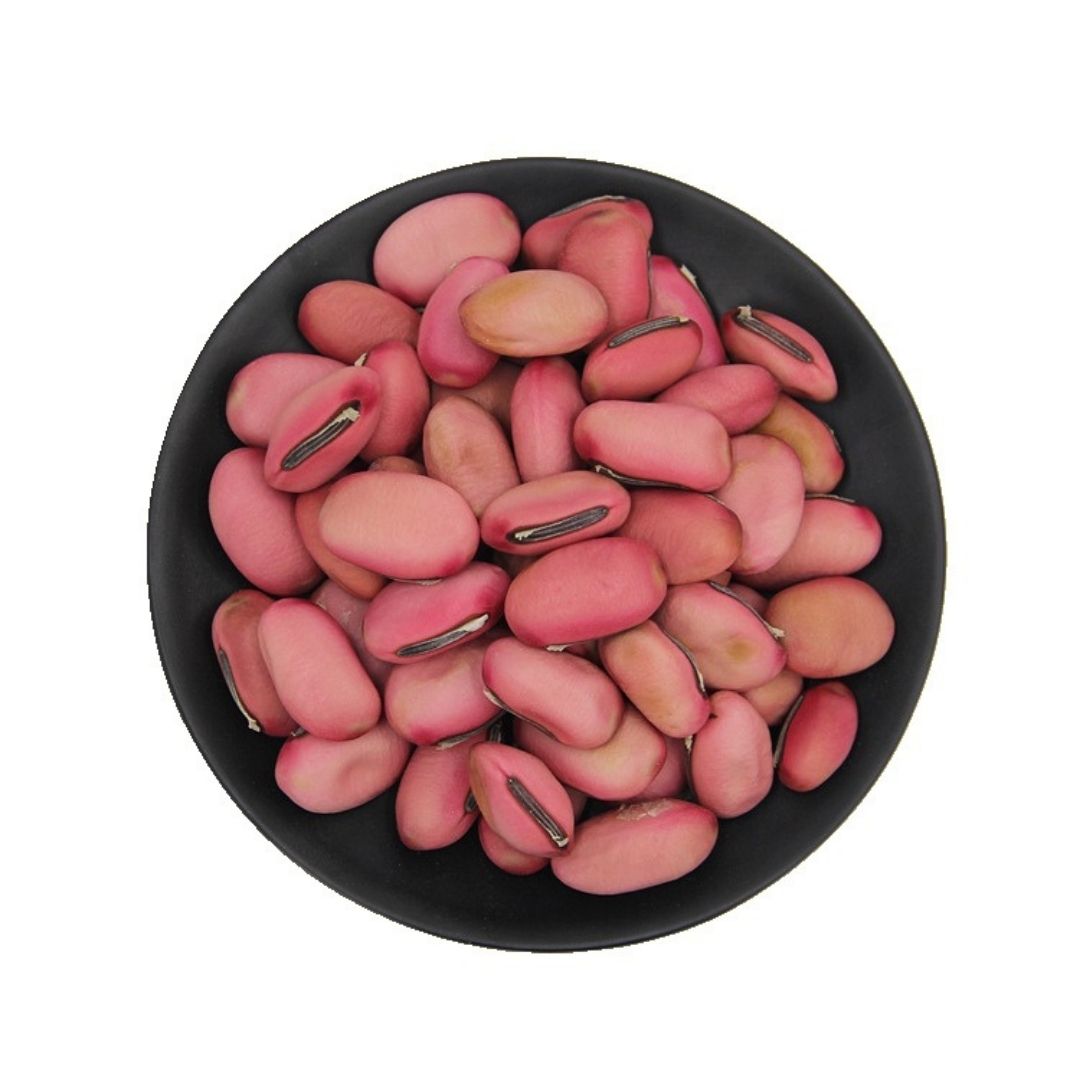


Product Introduction
Sword bean, also known as white sword bean, refers to the seed of Canavalia gladiata (Jacq.) DC. This herb is valued, in traditional Chinese medicine, due to its properties and applications for various health conditions. It has been used for centuries, and continues to be utilized today for its therapeutic effects.
Main Active Ingredients
The primary active components found, in sword bean include canavanine, concanavalin A, and urease. Canavanine is a non-protein amino acid, that may have anti-inflammatory and anticancer properties. Concanavalin A is a lectin known for its immunomodulatory effects. Urease is an enzyme that catalyzes the hydrolysis of urea and may have gastroprotective effects. These constituents contribute to the overall medicinal properties, of the herb.
Product Application Scenarios, Usage, and Dosage
In traditional Chinese medicine, sword bean is commonly used to address conditions such as deficiency of the spleen and stomach, leading to symptoms like belching, vomiting, and poor appetite. It can also be applied in cases of kidney deficiency, manifested as frequent urination or leukorrhea. The herb is considered to have warming properties, that help strengthen the middle energizer, and support kidney function. Typical usage, involves decocting the dried beans, and administering the resulting liquid. The standard dosage ranges from 9 to 15 grams, which can be adjusted, depending on the specific condition, and the patient's individual needs. It may also be used topically, in certain applications.
Introduction to the Source Plant, Distribution, and Growth Environment
Canavalia gladiata (Jacq.) DC. is a climbing annual herb belonging to the Fabaceae family. The plant is characterized by its trifoliate leaves, and large, sword-shaped pods, from which the name "sword bean" is derived. It is native to tropical and subtropical regions including Asia, Africa, and the Americas. The plant thrives in warm climates, with well-drained soils and full sunlight. It is often cultivated for its edible pods and beans, as well as for its medicinal properties, in various traditional medicine systems.
Harvesting, Processing, and Storage
The harvesting of sword beans typically occurs in the fall, when the pods are fully mature, and the beans are ripe. The pods are collected, and the beans are extracted, then dried, usually under the sun or using mechanical dryers, to reduce moisture content. Proper drying is crucial, to prevent mold growth, and preserve the beans' medicinal properties. Once dried, the sword beans should be stored in a cool, dry, and well-ventilated place, away from direct sunlight, and humidity. They should also be protected from pests, and rodents, to ensure their quality, and longevity. Properly stored sword beans can maintain their potency, for an extended period, typically up to two years.
Citations:
- Tang, W., & Eisenbrand, G. (1992). Chinese drugs of plant origin: chemistry, pharmacology, and use in traditional and modern medicine. Springer-Verlag.
- Xie, Z., et al. (2018). "Chemical constituents, health functions, and applications of sword bean (Canavalia gladiata)." Journal of Food Science, 83(4), 912-921.
- Yeung, H. W., et al. (1987). "The biological activities of Canavalia gladiata (Jacq.) DC." Journal of Ethnopharmacology, 21(1), 1-16.
Mia Wu

Hi, I’m Mia Wu! I love helping customers discover the best natural ingredients for their products. With a passion for herbs, spices, and fungi, I work to make sure you get only the finest raw materials. Let's grow together! 🌱✨