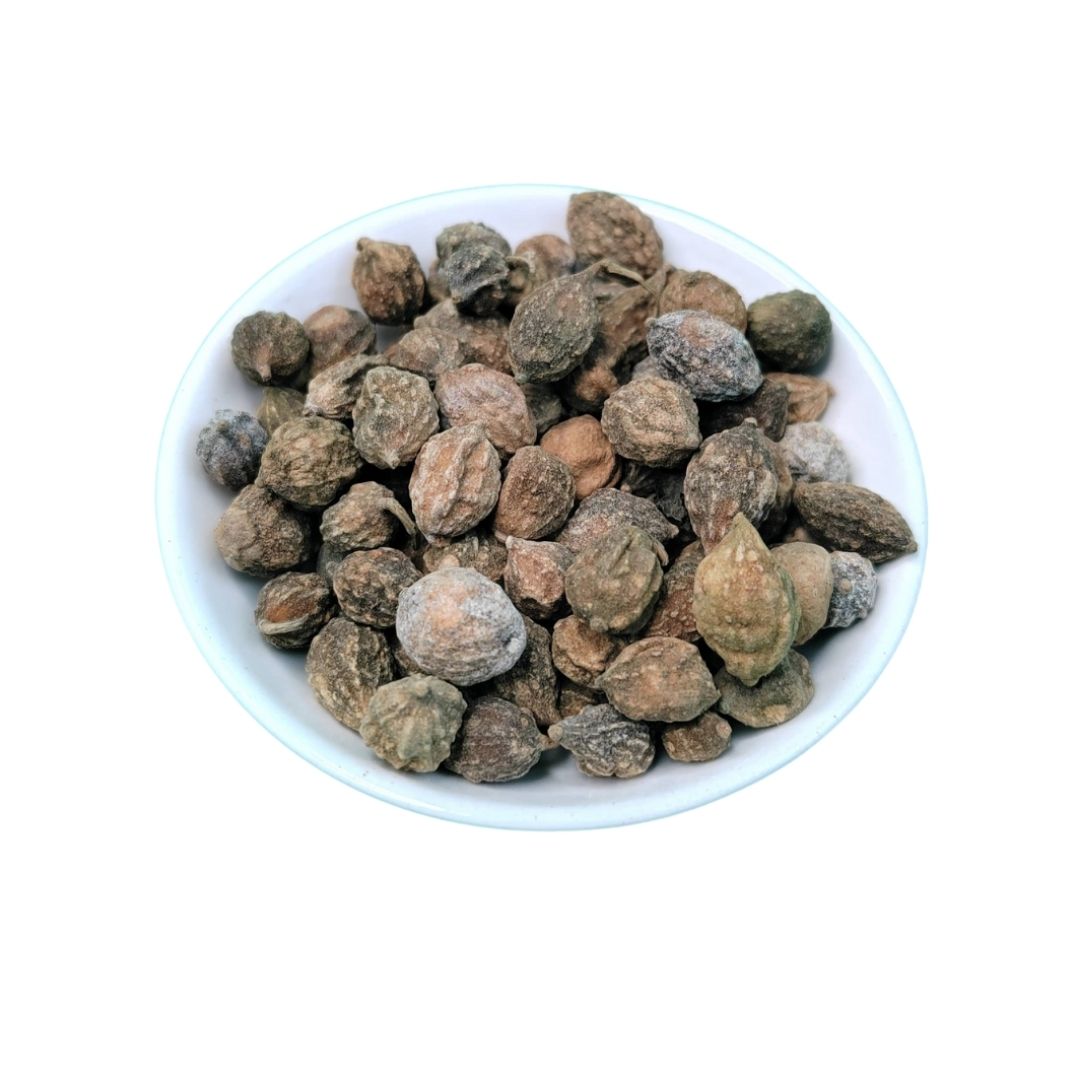


Product Introduction
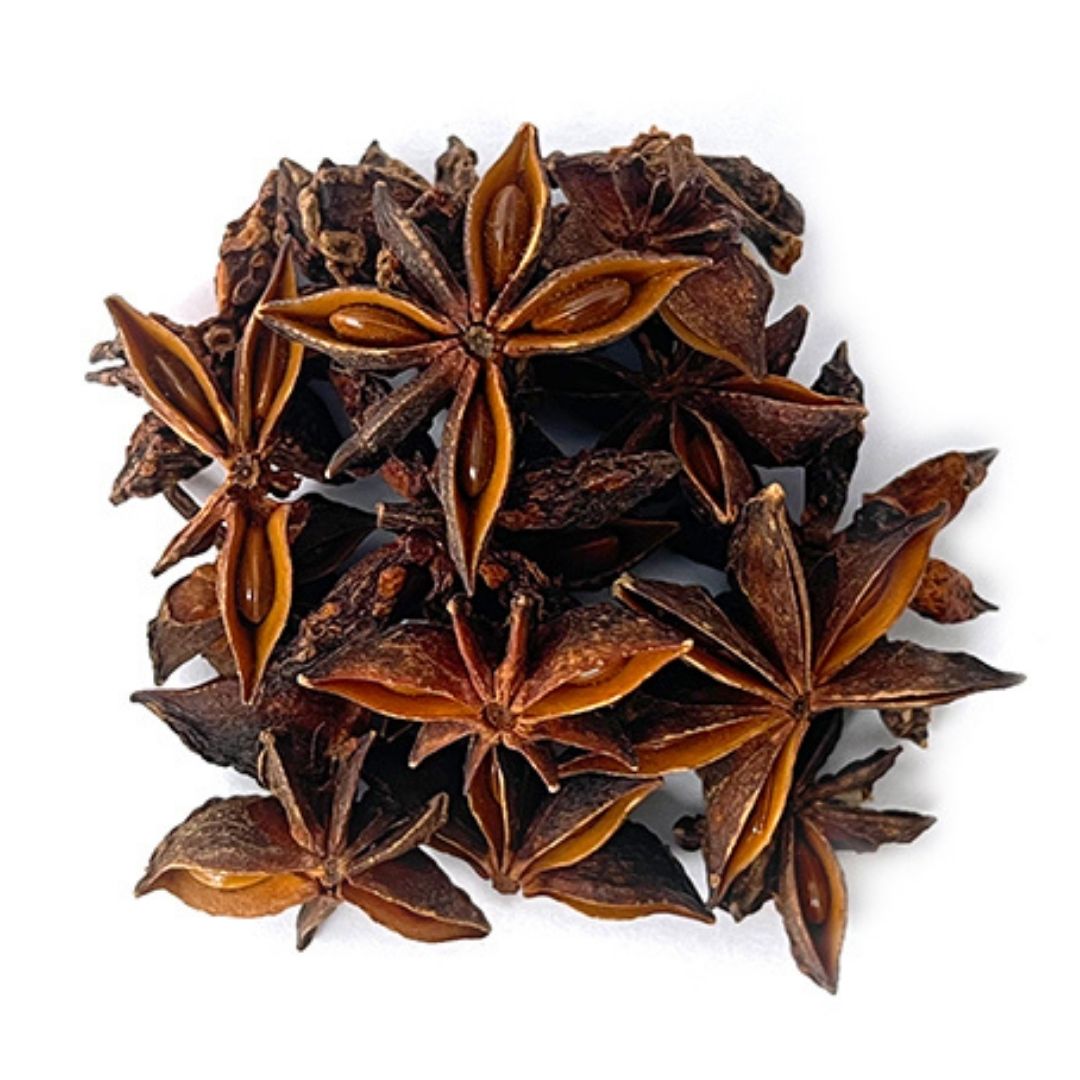
Star anise, known for its distinct star shape and potent licorice-like flavor, is a widely used spice in various culinary applications. It is derived from the fruit of Illicium verum, a small evergreen tree native to regions of China and Vietnam. The star-shaped fruit is harvested before it ripens and then dried in the sun, which intensifies its flavor and aroma. This spice is characterized by its warm, sweet, and slightly spicy flavor profile, making it a versatile ingredient.
It is commonly used in both sweet and savory dishes, adding depth and complexity to recipes. In Asian cuisines, it is a key ingredient in dishes like pho, braised meats, and various stews. Beyond its culinary uses, star anise is also valued for its medicinal properties. It contains compounds like shikimic acid, which is a precursor in the production of antiviral drugs like Tamiflu. The spice is also used in traditional medicine for its potential digestive and anti-inflammatory effects. It is an essential component in many spice blends, such as Chinese five-spice powder, which includes star anise along with fennel, cloves, cinnamon, and Sichuan peppercorns.
Star anise is often used to infuse liquids, imparting its unique flavor to broths, sauces, and beverages. It can be used whole or ground, depending on the desired intensity and application. When used whole, the star anise pods are typically removed after cooking to prevent the flavor from becoming overpowering. Ground star anise is often added directly to recipes, providing a more consistent and even distribution of flavor. Overall, it is a versatile and flavorful spice that enhances a wide range of dishes and beverages. Notably, Japanese star anise Illicium anisatum is toxic and not for consumption.
Aromatic Chemical Composition
The characteristic aroma and flavor of star anise are primarily attributed to its volatile oil composition. Anethole is the most abundant compound, typically comprising around 80-90% of the oil. This compound is responsible for the spice's distinctive licorice-like flavor and sweet aroma [1]. Other significant aromatic compounds present in star anise include limonene, which contributes a citrusy note, and eugenol, which adds a spicy and slightly clove-like aroma [2]. Shikimic acid, while not directly contributing to the aroma, is another important component due to its medicinal properties and use as a precursor in pharmaceutical synthesis [3]. The specific composition can vary based on factors such as geographic origin, harvesting practices, and drying methods [4].
What Types of Products Are Available?
Star anise is available in several forms to suit different culinary and medicinal applications. Whole star anise pods are the most common form, often used to infuse flavor into liquids like soups, stews, and beverages. Ground star anise is another prevalent form, offering convenience and consistent flavor distribution when incorporated directly into recipes or spice blends [5]. Star anise oil, extracted through steam distillation, is used in flavoring and aromatherapy applications. Additionally, star anise is often a key component in pre-mixed spice blends, such as Chinese five-spice powder, which contains star anise along with other complementary spices like cinnamon, cloves, fennel, and Sichuan peppercorns [6].
Application Scenarios and Usage Dosage
In the culinary field, star anise is prized for its ability to add a warm, sweet, and slightly spicy flavor to both sweet and savory dishes [7]. In Asian cuisines, it is commonly used in braised dishes, soups, and stews, where its flavor infuses the entire dish. For example, in Vietnamese pho, whole star anise pods are added to the broth to impart a complex and aromatic flavor [8]. When using whole star anise, it is generally recommended to use 1-2 pods per liter of liquid. The pods should be added at the beginning of the cooking process to allow the flavor to fully develop. After cooking, the pods are typically removed to prevent the flavor from becoming overpowering [9].
Ground star anise is often used in baking and desserts, where its flavor complements other spices like cinnamon, cloves, and nutmeg. It can be added to cakes, cookies, and pies, providing a subtle licorice-like note [10]. The typical dosage for ground star anise is 1/4 to 1/2 teaspoon per batch, depending on the desired intensity. It is important to use ground star anise sparingly, as its flavor can be quite potent [11].
In Western cuisines, star anise is sometimes used in sauces, marinades, and rubs for meats. It pairs well with duck, pork, and beef, adding depth and complexity to the flavor profile. For example, it can be used in a marinade for roasted duck, along with soy sauce, ginger, and garlic [12]. The spice is also used in beverages such as mulled wine and spiced cider, where it contributes a warm and aromatic quality. In these applications, whole star anise pods are typically added to the liquid and simmered gently to release their flavor. When using in a spice rub, a typical recipe would call for a teaspoon of ground star anise blended into a mix with other spices [13]. The use is less frequent compared to Asian cuisines, but still valuable in those applications.
Star anise is versatile and can be incorporated into various recipes and applications. Careful attention to dosage is essential to achieve the desired flavor profile without overpowering the other ingredients [14]. By following these guidelines, chefs and home cooks can effectively harness the unique flavor of star anise to create delicious and memorable dishes.
Introduction to the Source Plant, Distribution, and Growing Environment
Illicium verum, the source of star anise, is a small evergreen tree belonging to the family Illiciaceae [15]. The tree typically grows to a height of 5-6 meters and is characterized by its lance-shaped leaves and star-shaped fruits. The tree is native to southern China and northern Vietnam, where it thrives in humid subtropical climates [16]. The plant requires well-drained soil, partial shade, and protection from strong winds. It prefers slightly acidic soil and a consistent supply of moisture [17].
The cultivation of Illicium verum is primarily concentrated in the provinces of Guangxi, Guangdong, and Yunnan in China, as well as in certain regions of Vietnam [18]. These areas provide the ideal growing conditions for the tree, including warm temperatures, high humidity, and fertile soil. The trees typically begin to bear fruit after 6-10 years and can continue to produce for several decades [19]. The fruit is harvested in the fall, before it fully ripens, and then dried in the sun to develop its characteristic flavor and aroma [20].
Harvesting, Processing, and Storage Preservation
The harvesting of star anise fruits typically occurs in the autumn, usually between September and October, just before the fruits are fully ripe [21]. Skilled harvesters carefully hand-pick the star-shaped fruits from the trees to avoid damaging the branches [22]. Once harvested, the fruits are laid out in the sun to dry for several days. Sun-drying is crucial as it reduces the moisture content and intensifies the spice's flavor and aroma [23]. During the drying process, the fruits turn from a greenish color to a deep reddish-brown [24].
After drying, the star anise fruits are sorted and graded based on their size, shape, and color. High-quality star anise should be whole, unbroken, and have a uniform reddish-brown color [25]. The fruits are then cleaned to remove any dirt or debris before being packaged for storage and distribution.
Proper storage is essential for preserving the quality and flavor of star anise. The spice should be stored in a cool, dry place away from direct sunlight and moisture [26]. Airtight containers, such as glass jars or sealed bags, are recommended to prevent the loss of volatile oils and to protect the spice from absorbing odors from the environment [27]. When stored properly, star anise can maintain its flavor and aroma for up to two years.
Citations:
[1] https://www.sciencedirect.com/topics/agricultural-and-biological-sciences/star-anise
[2] https://www.researchgate.net/publication/343706841_Chemical_Composition_and_Antimicrobial_Activity_of_Star_Anise_Illicium_verum_Fruit_Extracts
[3] https://www.ncbi.nlm.nih.gov/pmc/articles/PMC7735317/
[4] https://hort.purdue.edu/newcrop/proceedings1999/v4-21.html
[5] https://www.thespruceeats.com/what-is-star-anise-2028649
[6] https://www.allrecipes.com/recipe/20164/chinese-five-spice-powder/
[7] https://www.masterclass.com/articles/what-is-star-anise
[8] https://www.seriouseats.com/traditional-beef-pho-recipe
[9] https://www.foodnetwork.com/recipes/articles/star-anise
[10] https://bakingamoment.com/star-anise-cookies/
[11] https://www.spiceography.com/star-anise/
[12] https://www.recipetineats.com/roast-duck-recipe/
[13] https://www.simplyrecipes.com/recipes/spice_rub_for_grilled_beef/
[14] https://www.finecookingfood.com/item/article/all-about-star-anise
[15] https://plants.ces.ncsu.edu/plants/illicium-verum/
[16] https://pfaf.org/user/Plant.aspx?LatinName=Illicium+verum
[17] https://www.feedipedia.org/node/802
[18] https://www.britannica.com/plant/star-anise
[19] https://www.gbif.org/species/3154487
[20] https://specialtyproduce.com/produce/Star_Anise_7126.jsp
[21] https://www.indiamart.com/proddetail/star-anise-flower-23294184530.html
[22] https://www.frontiersin.org/articles/10.3389/fpls.2022.822734/full
[23] https://www.ncbi.nlm.nih.gov/pmc/articles/PMC8912574/
[24] https://www.youtube.com/watch?v=31N_a8139G0
[25] https://www.alibaba.com/product-detail/dried-star-anise-with-good-quality_62244611442.html
[26] https://www.indianhealthyrecipes.com/star-anise-benefits-uses/
[27] https://www.wikihow.com/Store-Spices
Mia Wu

Hi, I’m Mia Wu! I love helping customers discover the best natural ingredients for their products. With a passion for herbs, spices, and fungi, I work to make sure you get only the finest raw materials. Let's grow together! 🌱✨