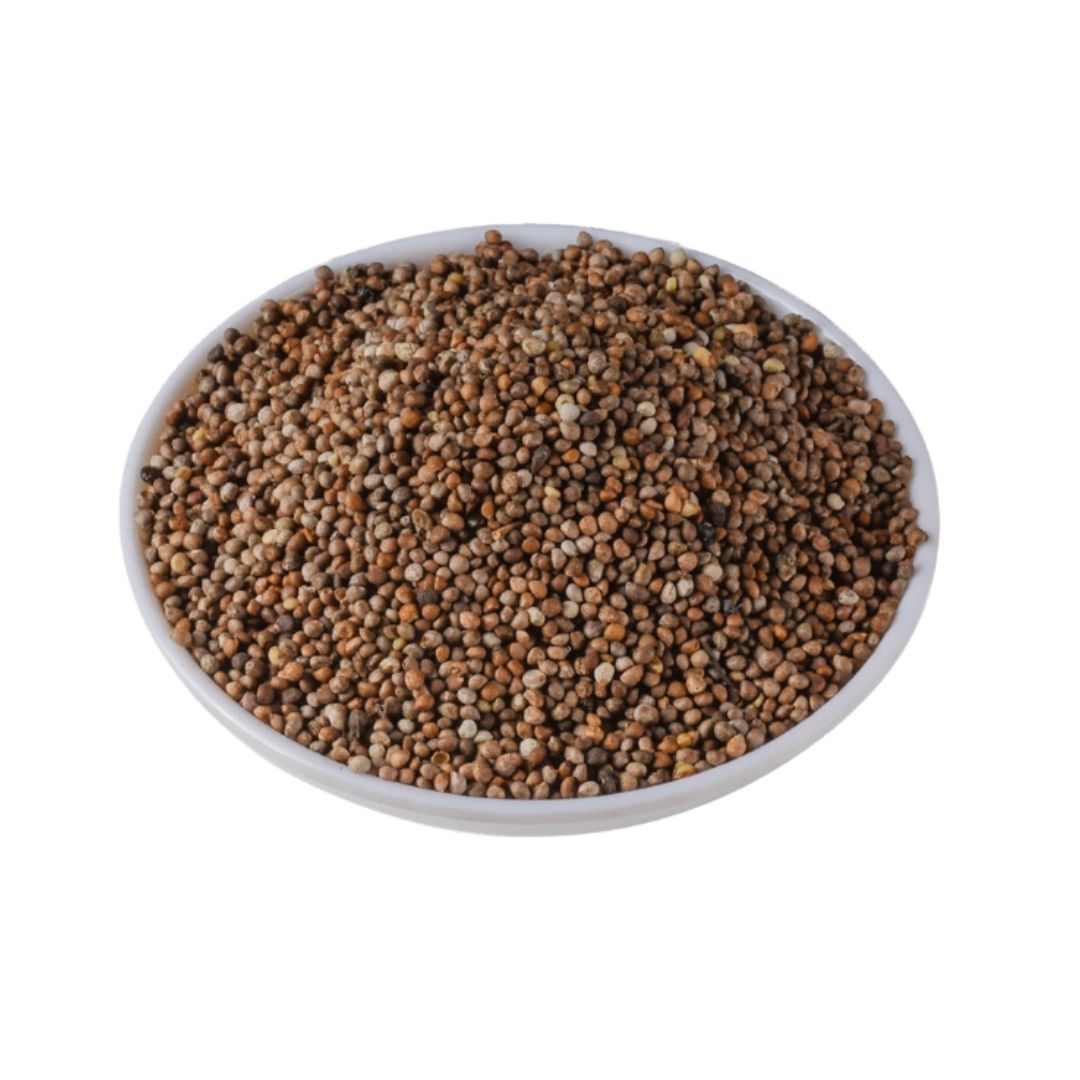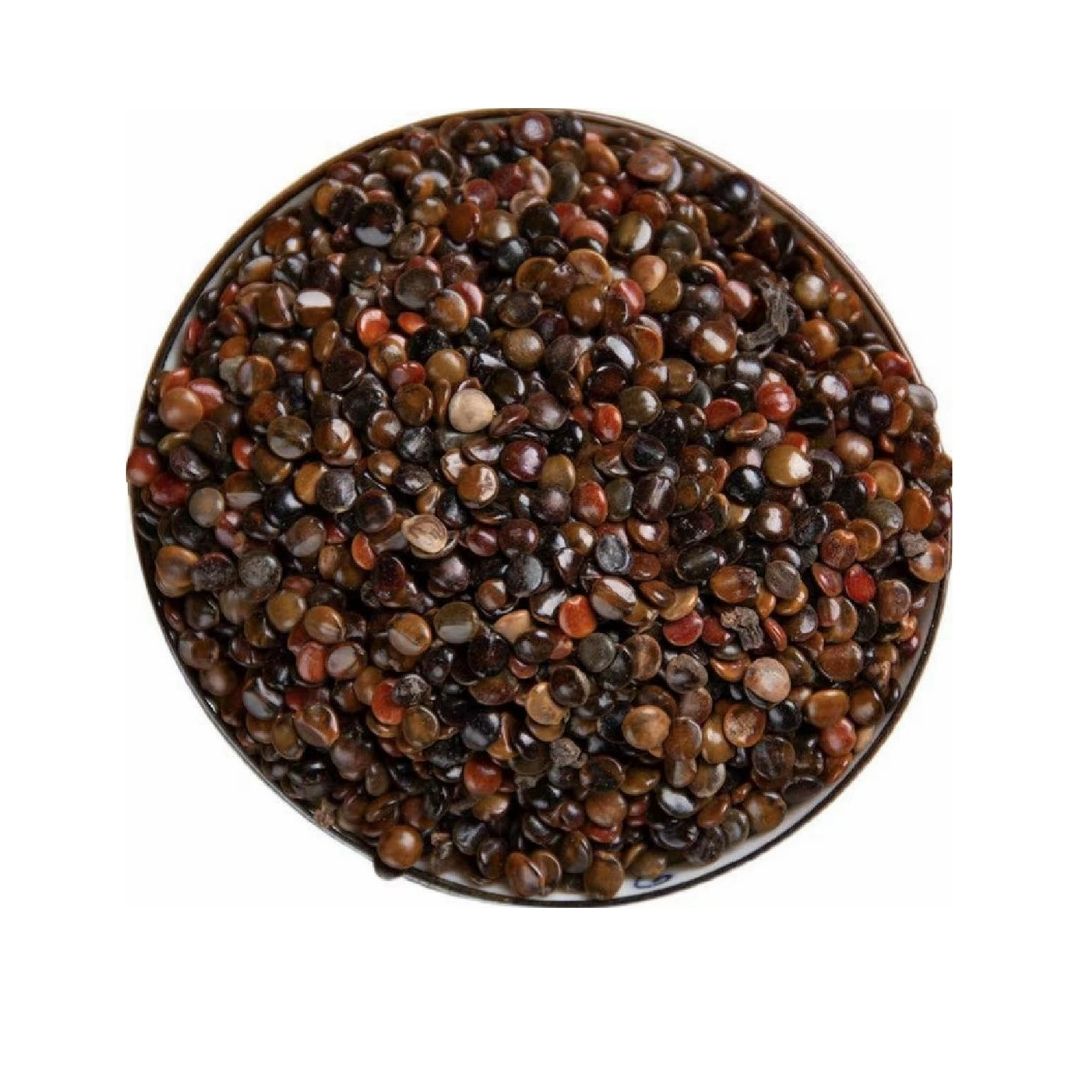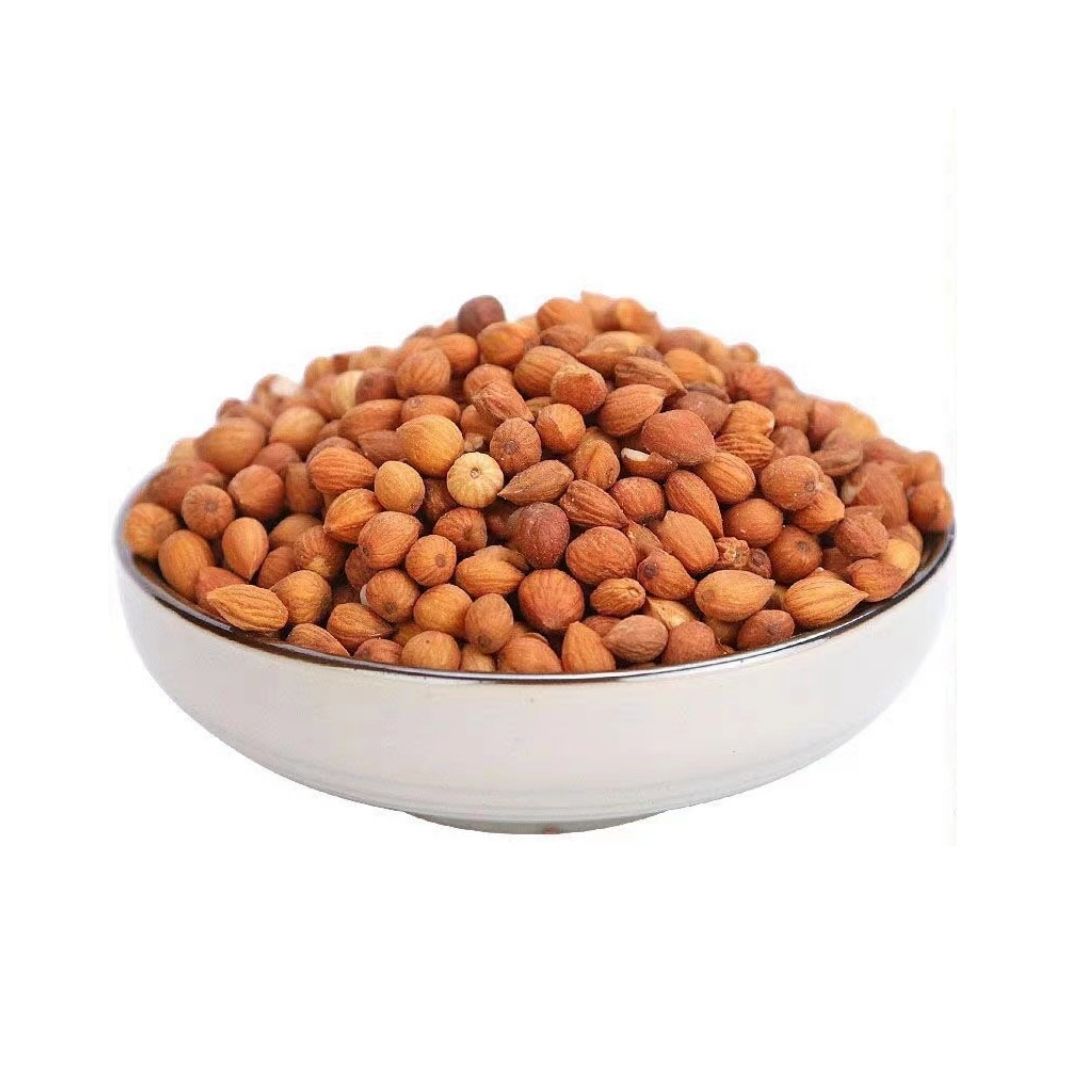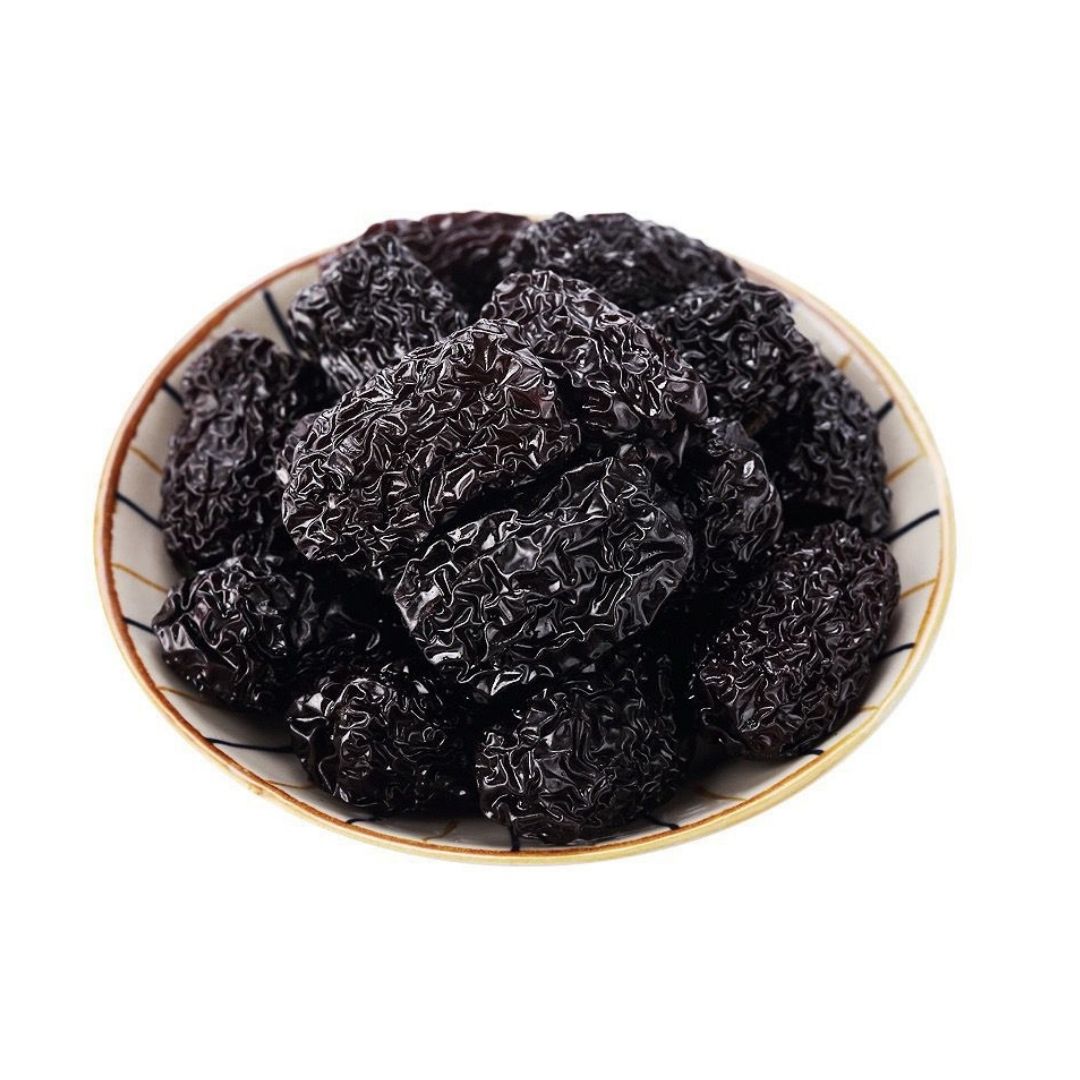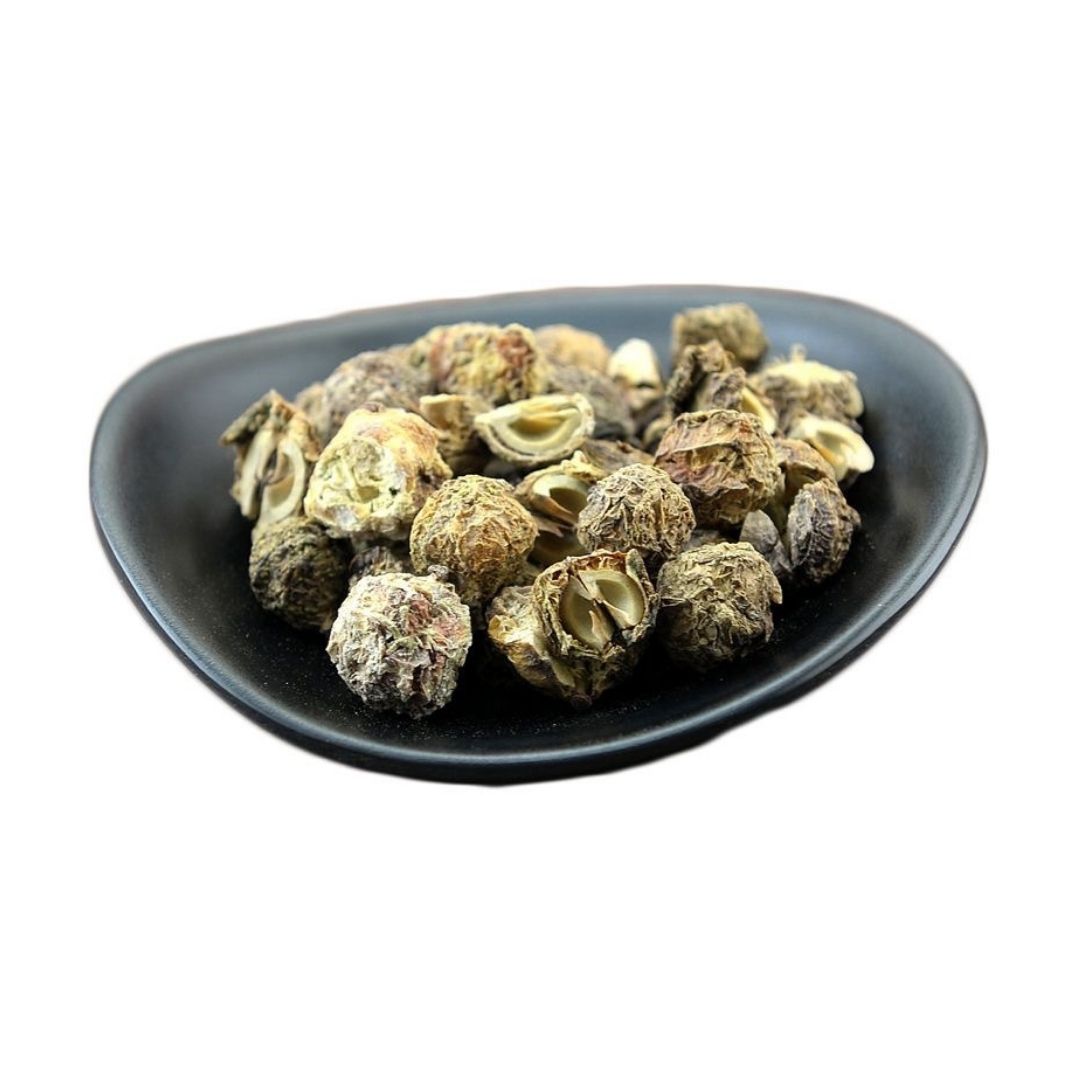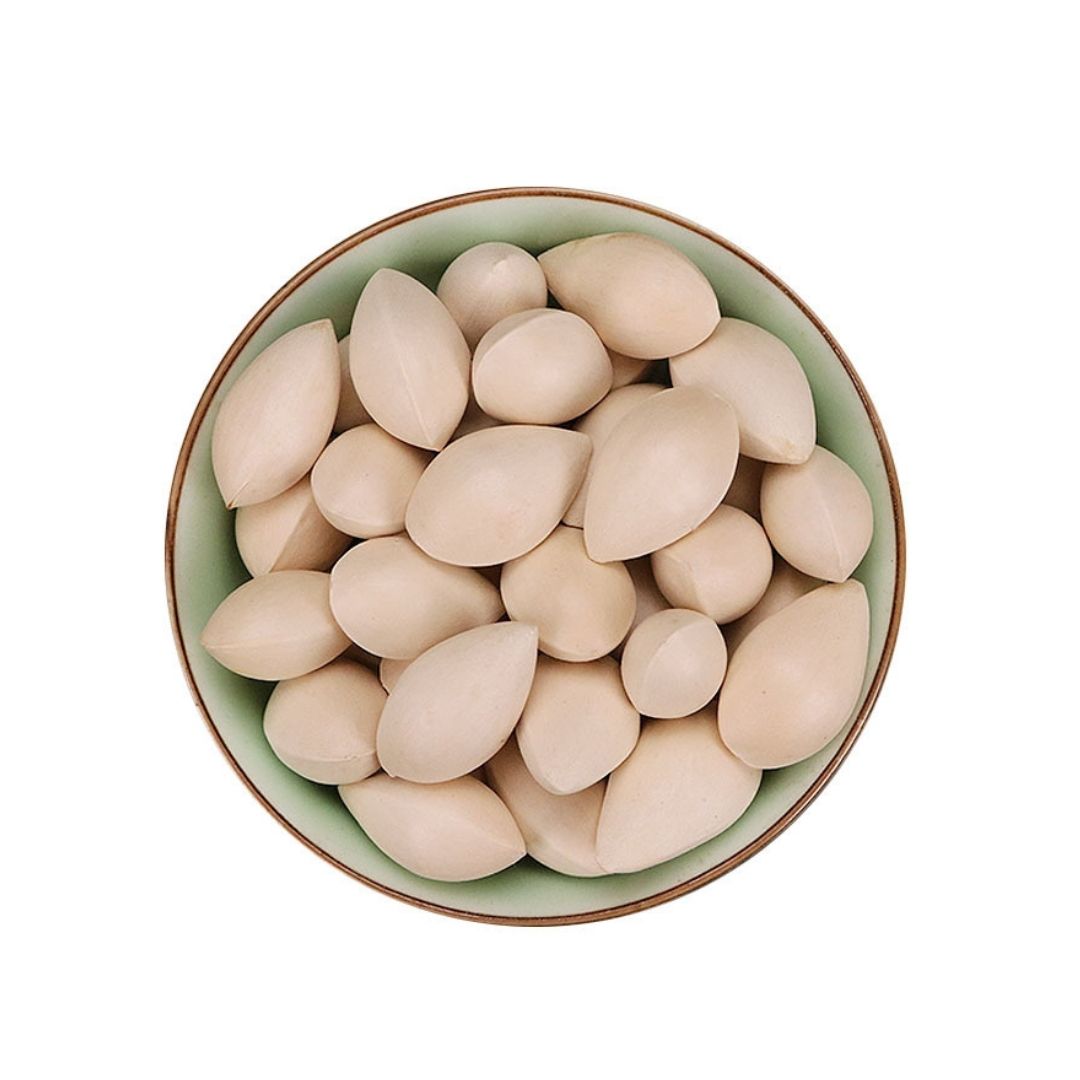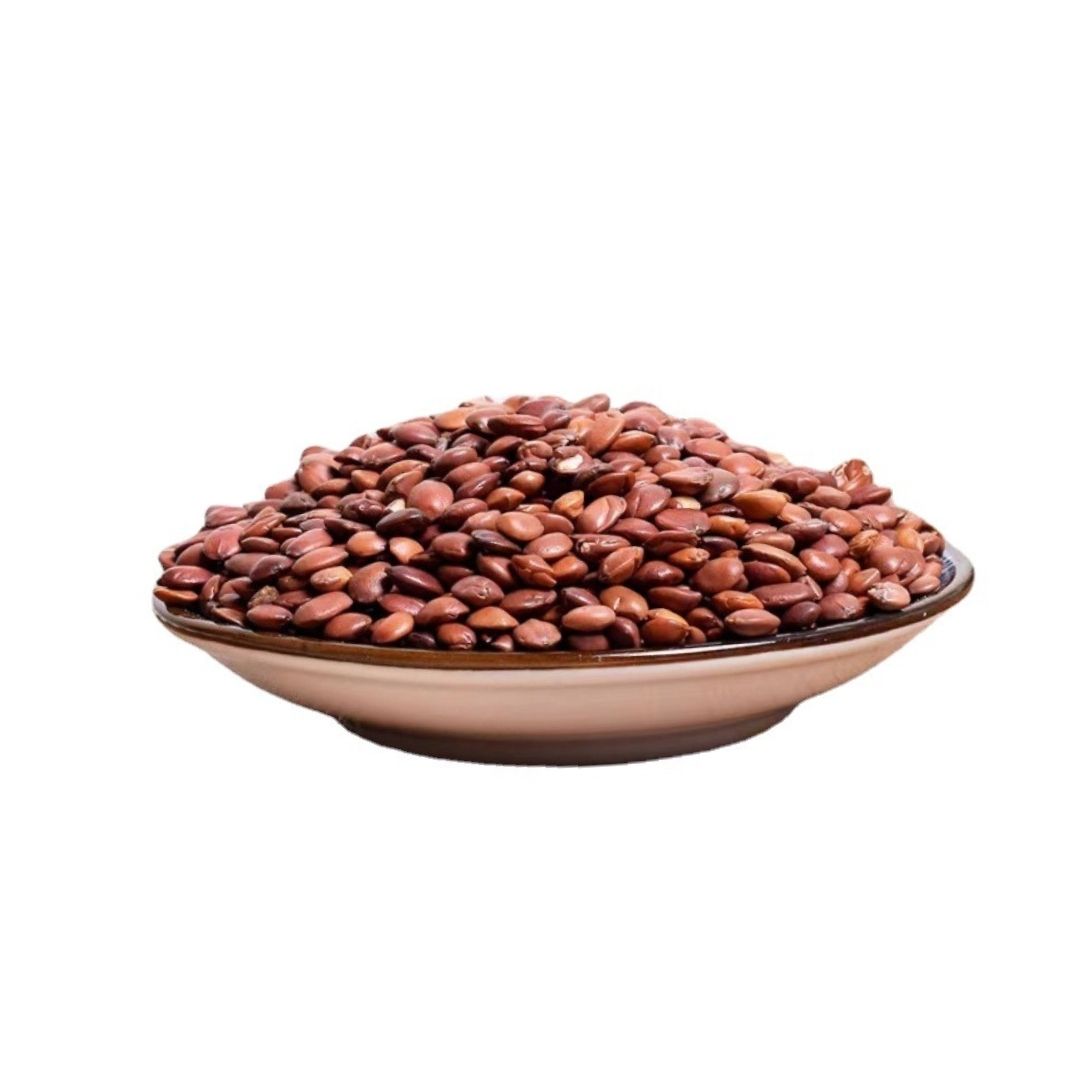


Spine date seed, known as Suan Zao Ren in Chinese, is derived from the dried ripe seeds of Ziziphus jujuba var. spinosa (Bunge) Hu ex H. F. Chou. The herb is relatively small, typically reddish-brown, and exhibits distinct morphological characteristics. Its therapeutic applications have been documented extensively in traditional Chinese medicine (TCM) texts.
The main active ingredients found in spine date seed include Jujubosides A and B, flavonoids such as spinosin, and fatty oils. Jujubosides are triterpene saponins believed to contribute to the herb's sedative and hypnotic effects. Flavonoids, including spinosin, provide antioxidant and anti-inflammatory benefits. The fatty oil content aids in the lubrication and moistening of the body, which may help alleviate certain dryness-related conditions. These components work synergistically to produce the herb's overall therapeutic actions.
Spine date seed is often utilized to address insomnia, anxiety, and excessive sweating. The typical dosage ranges from 9 to 15 grams, usually administered in decoction form. It can be used alone or in conjunction with other herbs to enhance its effects. For example, it is commonly combined with herbs like Bai Zi Ren (Semen Platycladi) and Ye Jiao Teng (Polygonum Multiflorum Stem) for treating sleep disturbances. Individuals with significant phlegm or dampness should exercise caution when using this herb.
The source plant, Ziziphus jujuba var. spinosa, is a thorny shrub or small tree native to China. It thrives in sunny, dry environments and is distributed across northern and central China. The plant grows well in various soil types but prefers well-drained soils. The species is adaptable and can tolerate a range of climatic conditions, which contributes to its widespread distribution.
Harvesting of spine date seeds typically occurs in the fall when the fruits are ripe. The fruits are collected, and the seeds are extracted, washed, and dried in the sun. Proper processing is crucial for preserving the herb's quality and efficacy. The dried seeds should be stored in a cool, dry place, away from moisture and direct sunlight, to prevent deterioration and maintain their therapeutic properties over an extended period.
Citations
- Chen, J. K., & Chen, T. T. (2004). Chinese Medical Herbology and Pharmacology. Art of Medicine Press.
- Bensky, D., Clavey, S., & Stöger, E. (2004). Chinese Herbal Medicine: Materia Medica, 3rd Edition. Eastland Press.
- Lu, D. P. (Ed.). (2005). Chinese Herbal Medicine: Formulas & Strategies. Eastland Press.
Mia Wu

Hi, I’m Mia Wu! I love helping customers discover the best natural ingredients for their products. With a passion for herbs, spices, and fungi, I work to make sure you get only the finest raw materials. Let's grow together! 🌱✨