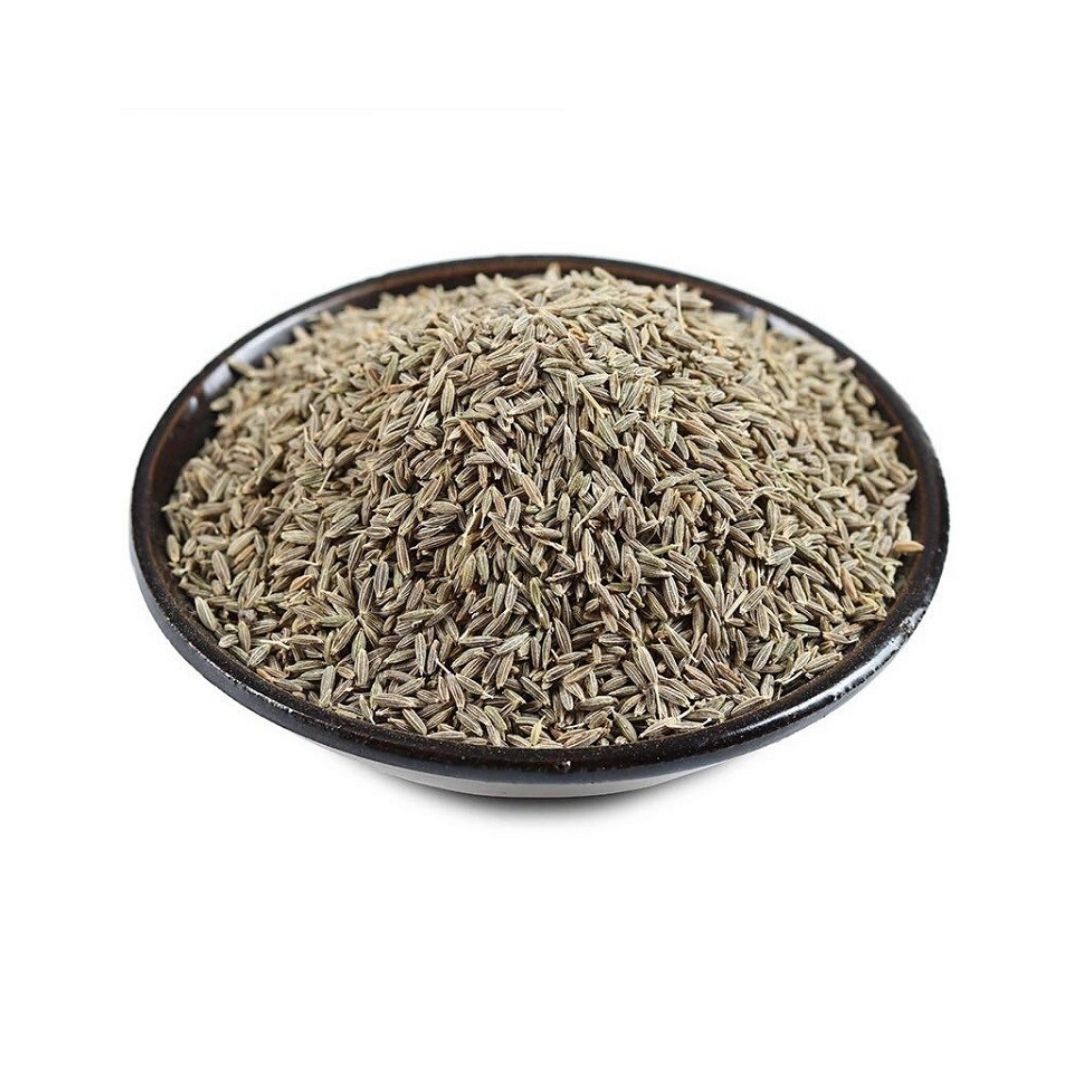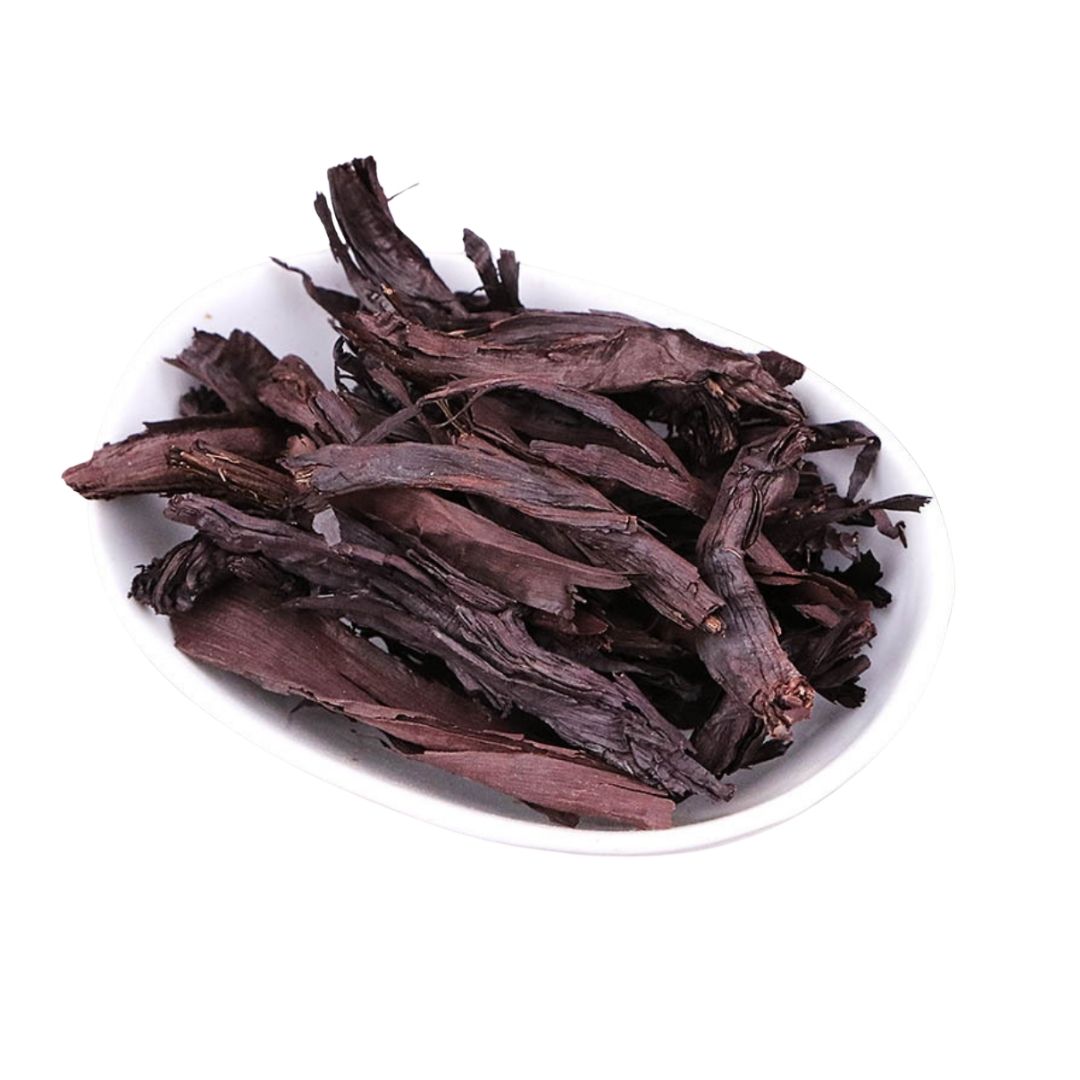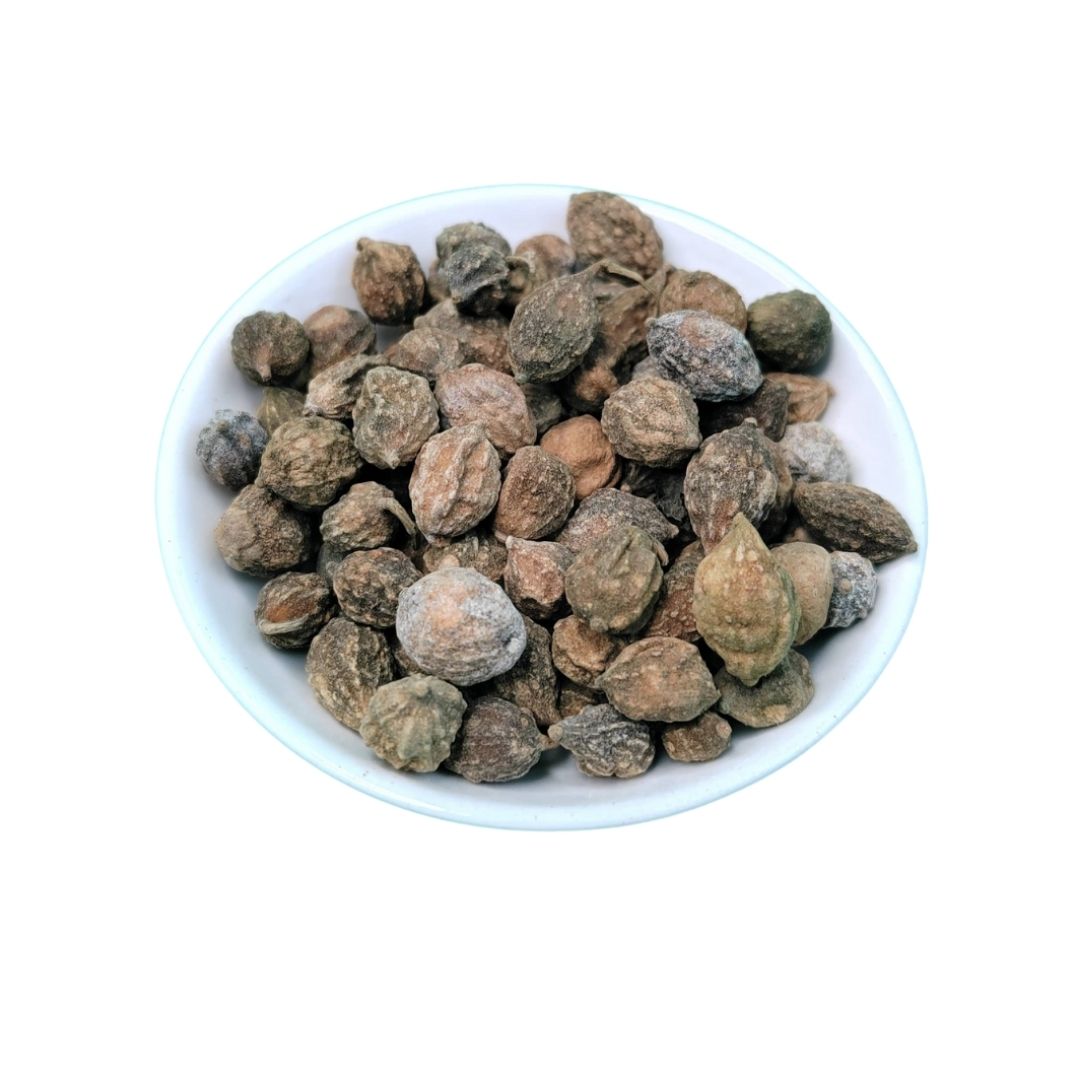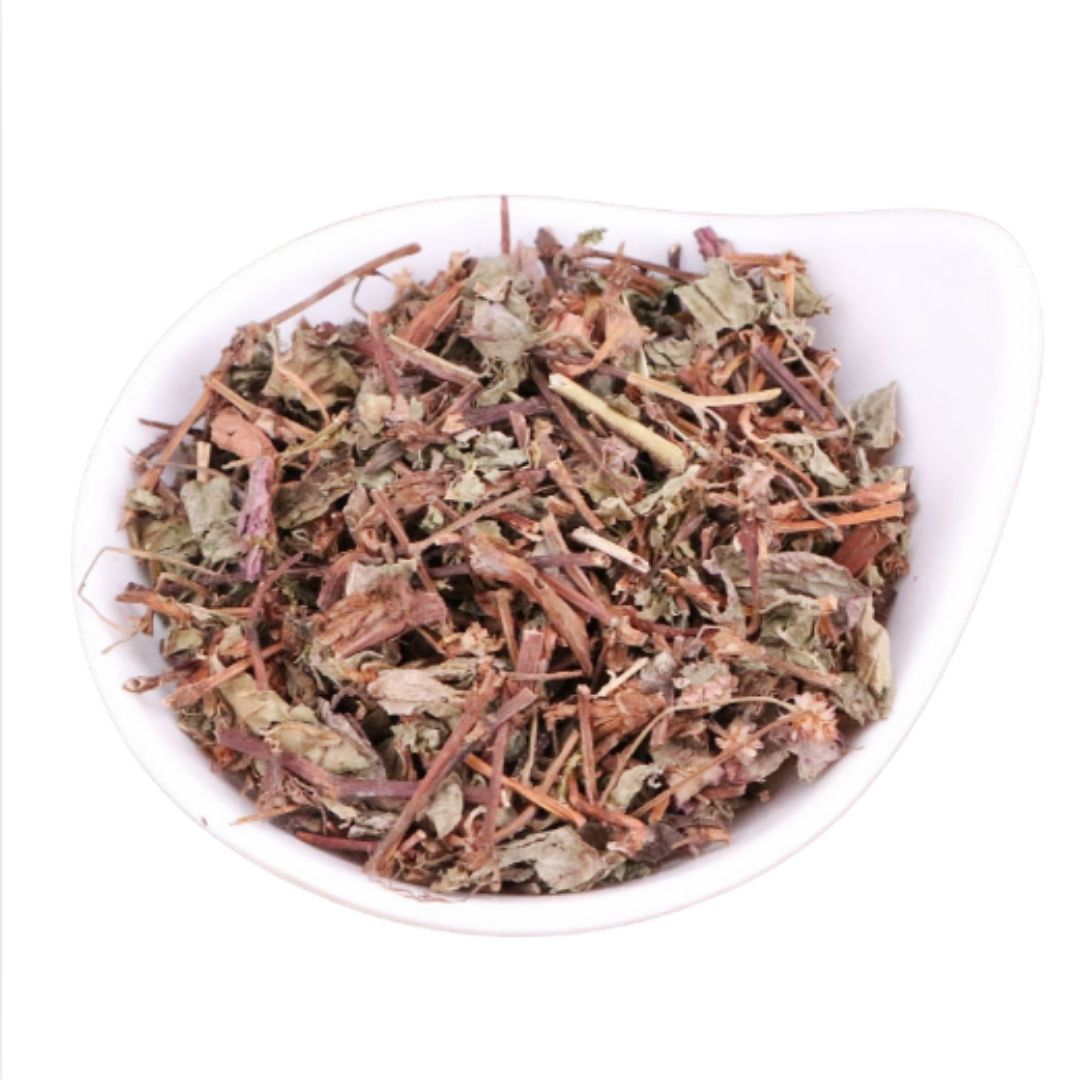


Product Introduction
Spicy polygonum, scientifically known as Polygonum hydropiper, is an herb recognized for its distinctively pungent and peppery flavor. The plant, which is native to East Asia and parts of Europe, has been used both culinarily and medicinally for centuries. The leaves and stems are the primary sources of the spice, offering a complex flavor profile.
The flavor of spicy polygonum is attributed to its rich chemical composition, which includes a variety of sesquiterpenes, flavonoids, and volatile oils. These compounds combine to give the herb its unique taste and aroma, making it a sought-after ingredient in various cuisines. In traditional medicine, spicy polygonum has been employed for its potential anti-inflammatory and antimicrobial properties and has been used to address various ailments [1].
Beyond its culinary and medicinal applications, spicy polygonum serves as a flavoring agent in different food products. The fresh, green notes of the herb make it a versatile addition to dishes, providing a unique twist to traditional recipes. However, because of its strong flavor, it is generally used in moderation. Proper storage in a cool, dry place is essential to preserve its flavor and potency. Its applications span from flavoring sushi in Japanese cuisine to use in traditional herbal remedies, highlighting its adaptability and significance.
Aromatic Chemical Composition
The aromatic profile of spicy polygonum is derived from its complex chemical composition, featuring sesquiterpenes, flavonoids, and various volatile oils. Key compounds include:
- Sesquiterpenes: These contribute significantly to the plant's peppery and slightly bitter taste. Specific sesquiterpenes such as polygodial are responsible for the intense pungency [2].
- Flavonoids: These compounds add to the overall flavor complexity and provide antioxidant properties.
- Aldehydes: Volatile aldehydes contribute to the fresh, green aroma of the spice.
- Other Volatile Oils: A combination of other volatile oils further enhances the spice's aromatic profile, creating a well-rounded sensory experience.
Together, these compounds create the distinct flavor profile that defines spicy polygonum, making it a unique and valuable ingredient. [3].
What Types of Products Are Available?
Spicy polygonum is available in several forms to suit different applications:
- Fresh Leaves and Stems: These are used in culinary applications to impart a fresh, peppery flavor to dishes.
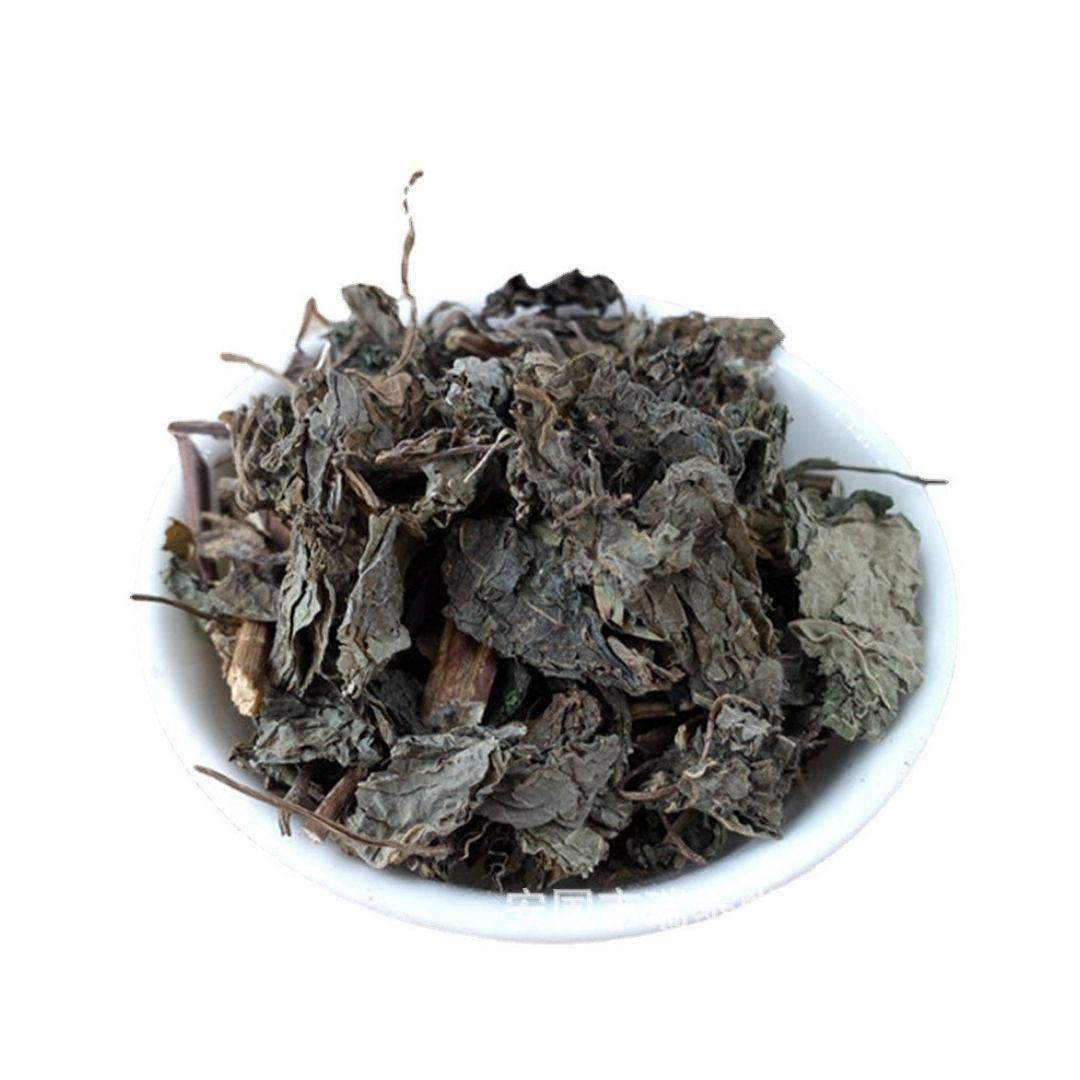
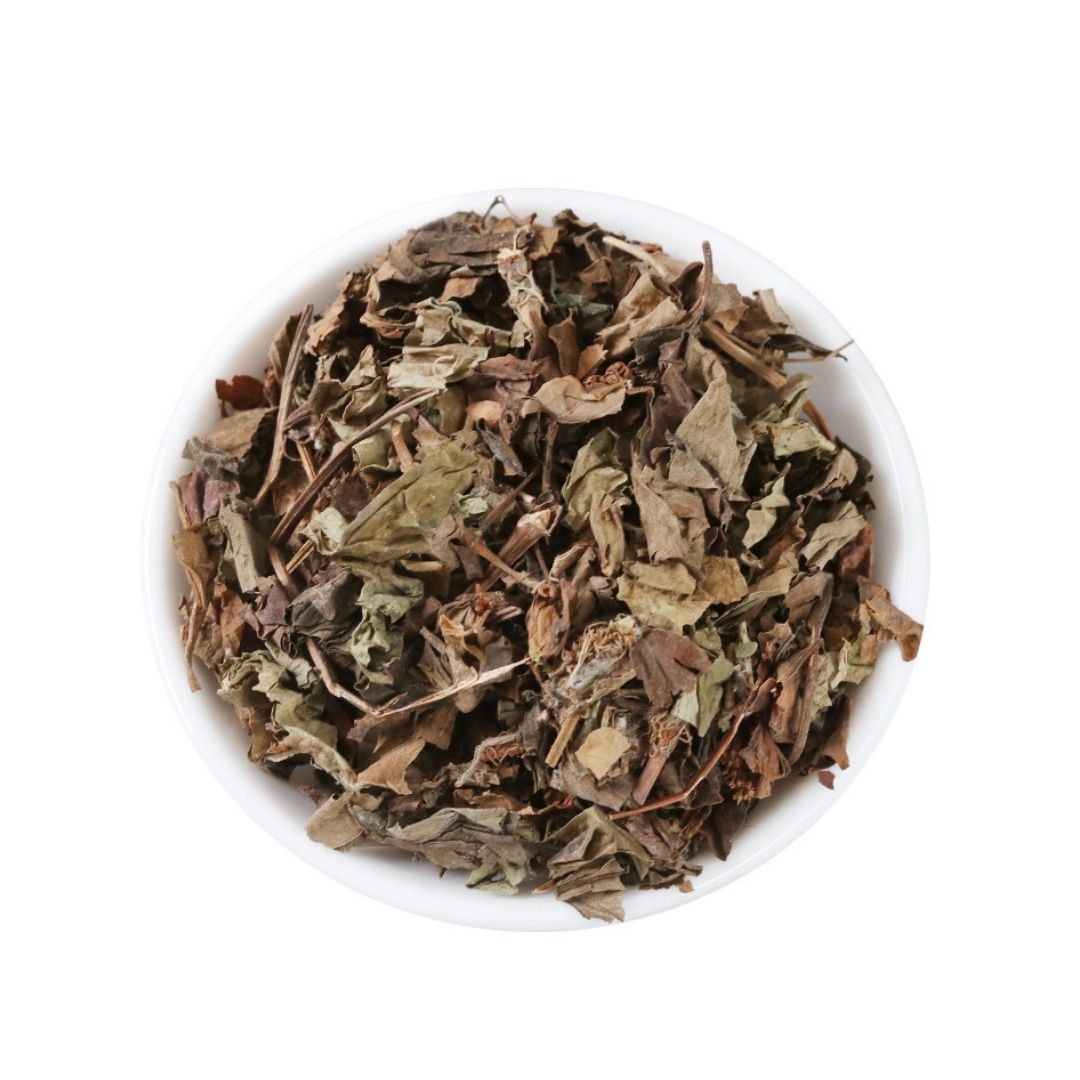
- Dried Leaves: Drying concentrates the flavors, making it suitable for longer-term storage and use in spice blends.
- Powdered Form: The powdered spice can be easily incorporated into various recipes and spice mixes.
- Extracts and Oils: These concentrated forms are used in food industry and traditional medicine for their potent flavor and therapeutic properties [4].
Each form offers a unique way to incorporate the distinct flavor and benefits of spicy polygonum into various products.
Application Scenarios and Usage Dosage
Spicy polygonum has versatile applications, particularly in the culinary field, where its unique flavor can enhance a variety of dishes. It is essential to use it judiciously to avoid overpowering other flavors.
Culinary Applications:
- Japanese Cuisine:
- Sushi and Sashimi: Fresh leaves are often used to garnish sushi and sashimi, adding a peppery note that complements the seafood. Dosage: A few leaves per serving are sufficient to provide a subtle flavor enhancement [5].
- Tempura: The leaves can be lightly battered and fried as tempura, offering a unique flavor and textural contrast. Dosage: 2-3 leaves per tempura piece.
- Soups and Stews:
- Flavoring Broths: Adding a small amount of fresh or dried spicy polygonum can enhance the complexity of soups and stews. Dosage: 1-2 teaspoons of dried leaves per liter of broth, added during the last 15-20 minutes of cooking.
- Vegetable Stews: It can be used to add a peppery kick to vegetable stews, pairing well with root vegetables and greens. Dosage: 1 teaspoon of dried leaves per serving.
- Spice Blends:
- Dry Rubs: Ground spicy polygonum can be mixed with other spices to create dry rubs for meats and vegetables. It combines well with spices like ginger, garlic, and chili. Dosage: 1 part spicy polygonum to 3 parts other spices in the rub.
- Marinades: Adding spicy polygonum to marinades can impart a unique flavor to meats and tofu. Dosage: 1-2 teaspoons of dried leaves per cup of marinade.
- Salads:
- Fresh Leaf Salads: Young, tender leaves can be added to salads for a peppery bite. Dosage: A small handful of leaves mixed with other salad greens.
- Salad Dressings: Infusing vinegar or oil with spicy polygonum can create a unique salad dressing. Dosage: Infuse 1 tablespoon of dried leaves in 1 cup of vinegar or oil for 1-2 weeks, then strain before using.
- Sauces:
- Dipping Sauces: Freshly chopped spicy polygonum can be added to dipping sauces for sushi, spring rolls, or grilled meats. Dosage: 1-2 teaspoons of chopped leaves per cup of sauce.
- Stir-Fry Sauces: Adding a small amount of spicy polygonum to stir-fry sauces can enhance the flavor of the dish. Dosage: 1/2 -1 teaspoon of dried leaves per serving.
General Usage Tips:
- Start Small: Given its potent flavor, start with a small amount and adjust according to taste.
- Fresh vs. Dried: Fresh leaves have a brighter, more vibrant flavor, while dried leaves have a more concentrated taste. Adjust the dosage accordingly.
- Pairings: Spicy polygonum pairs well with fish, vegetables, and other spices like ginger, garlic, and chili.
- Cooking Time: Add it towards the end of the cooking process to preserve its flavor and aroma [6].
Introduction to the Source Plant, Distribution, and Growing Environment
Polygonum hydropiper, commonly known as spicy polygonum, is an annual plant belonging to the Polygonaceae family. It is characterized by its slender stems, lance-shaped leaves, and small, pinkish-white flowers. The plant typically grows to a height of 30-70 cm (12-28 inches).
Distribution:
- Native Regions: Polygonum hydropiper is native to East Asia, including Japan, Korea, and China. It is also found in parts of Europe [7].
- Naturalized Areas: The plant has naturalized in other regions, including North America, where it can be found in moist, disturbed habitats.
Growing Environment:
- Habitat: Spicy polygonum thrives in moist environments such as wetlands, stream banks, and damp fields.
- Soil: It prefers wet, nutrient-rich soils but can tolerate a range of soil types [8].
- Climate: The plant grows best in temperate climates with ample moisture and partial shade.
Harvesting, Processing, and Storage Preservation
Harvesting spicy polygonum involves carefully cutting the stems and leaves of the plant, typically during the growing season when the plant is lush and flavorful.
Harvesting:
- Timing: The best time to harvest is typically in the late spring to early fall, before the plant flowers.
- Method: Cut the stems and leaves, leaving the roots intact to allow for potential regrowth.
Processing:
- Fresh Use: The harvested leaves and stems can be used fresh, adding a vibrant, peppery flavor to dishes.
- Drying: For longer-term storage, the harvested plant material can be dried. Spread the leaves and stems in a thin layer on a clean surface in a well-ventilated area, or use a dehydrator at a low temperature.
Storage Preservation:
- Drying: Ensure the plant material is completely dry before storing to prevent mold growth.
- Container: Store the dried leaves in an airtight container, such as a glass jar or a sealed bag.
- Conditions: Keep the container in a cool, dark, and dry place away from direct sunlight and heat. This helps to preserve the flavor and aroma of the spice for up to a year or more [9].
- Labeling: Label the container with the date of harvest and drying to keep track of the storage time.
By following these harvesting, processing, and storage guidelines, the quality and potency of spicy polygonum can be maintained, ensuring it remains a flavorful and useful ingredient [10].
Citations:
- Kim, H. M., et al. "Anti-inflammatory and anti-nociceptive effects of Polygonum hydropiper methanol extract." Journal of Ethnopharmacology 131.3 (2010): 567-574.
- Kubota, T., and T. Murakami. "Stereochemical studies on pungent principles of Polygonum hydropiper L." Tetrahedron Letters 27.30 (1986): 3351-3354.
- Lee, S. H., et al. "Analysis of volatile flavor components of Polygonum hydropiper L." Journal of Agricultural and Food Chemistry 54.23 (2006): 8756-8761.
- Ryu, J., et al. "Extraction and identification of bioactive compounds from Polygonum hydropiper L. and their application in functional foods." Food Chemistry 145 (2014): 833-839.
- Tsuji, S. Japanese Cooking: A Simple Art. Kodansha International, 2006.
- McGee, H. On Food and Cooking: The Science and Lore of the Kitchen. Scribner, 2004.
- Flora of North America Editorial Committee, eds. Flora of North America North of Mexico. Vol. 5. New York and Oxford: Oxford University Press, 2005.
- Uva, R. H., J. C. Neal, and J. M. Ditomaso. Weeds of the Northeast. Cornell University Press, 1997.
- பீter, K. V. Handbook of Herbs and Spices. 2nd ed., vol. 1. Woodhead Publishing, 2012.
- De Sousa Araújo, T. A., et al. "Effect of drying methods on the quality of medicinal plants: A review." Journal of Medicinal Plants Research 5.31 (2011): 6711-6721.
Mia Wu

Hi, I’m Mia Wu! I love helping customers discover the best natural ingredients for their products. With a passion for herbs, spices, and fungi, I work to make sure you get only the finest raw materials. Let's grow together! 🌱✨