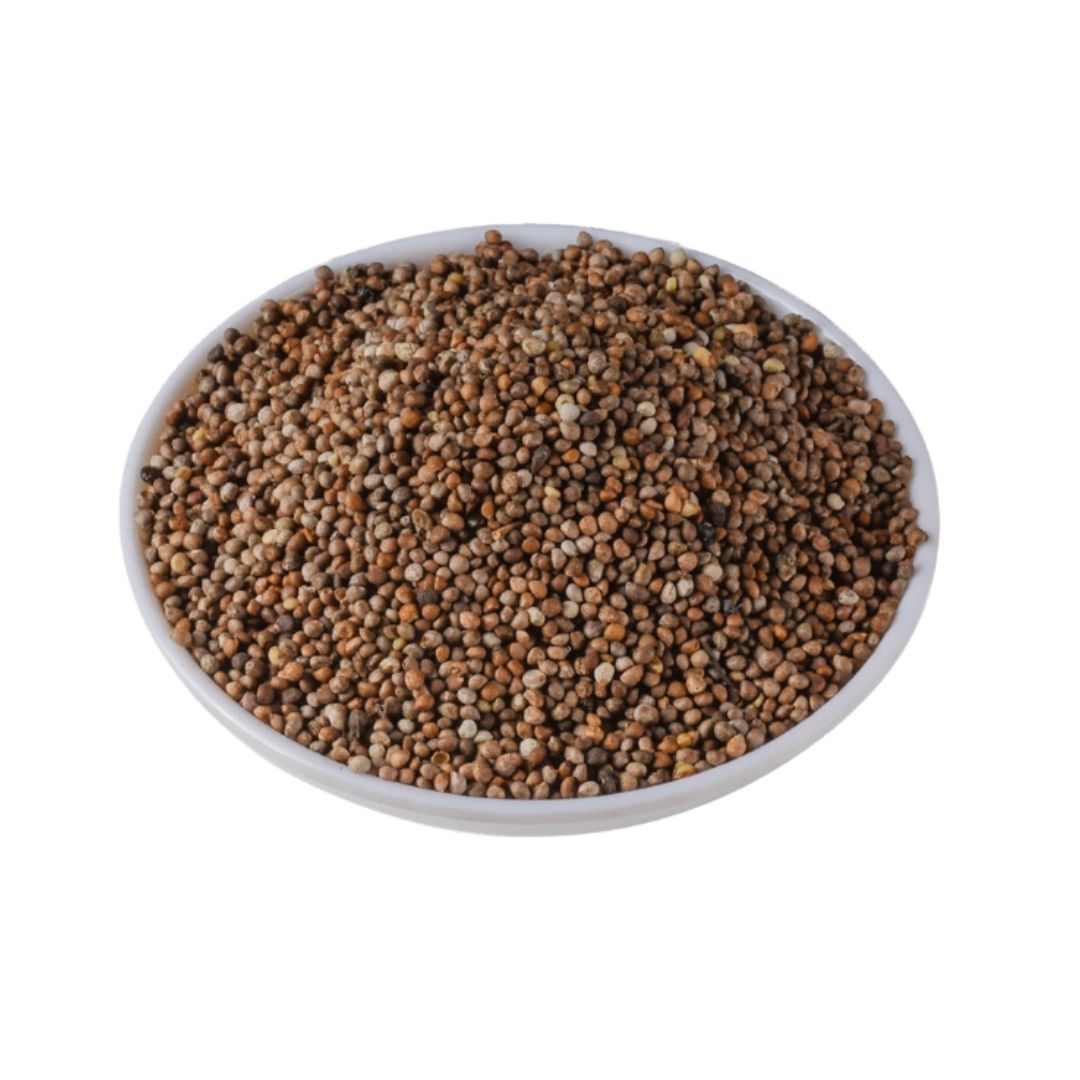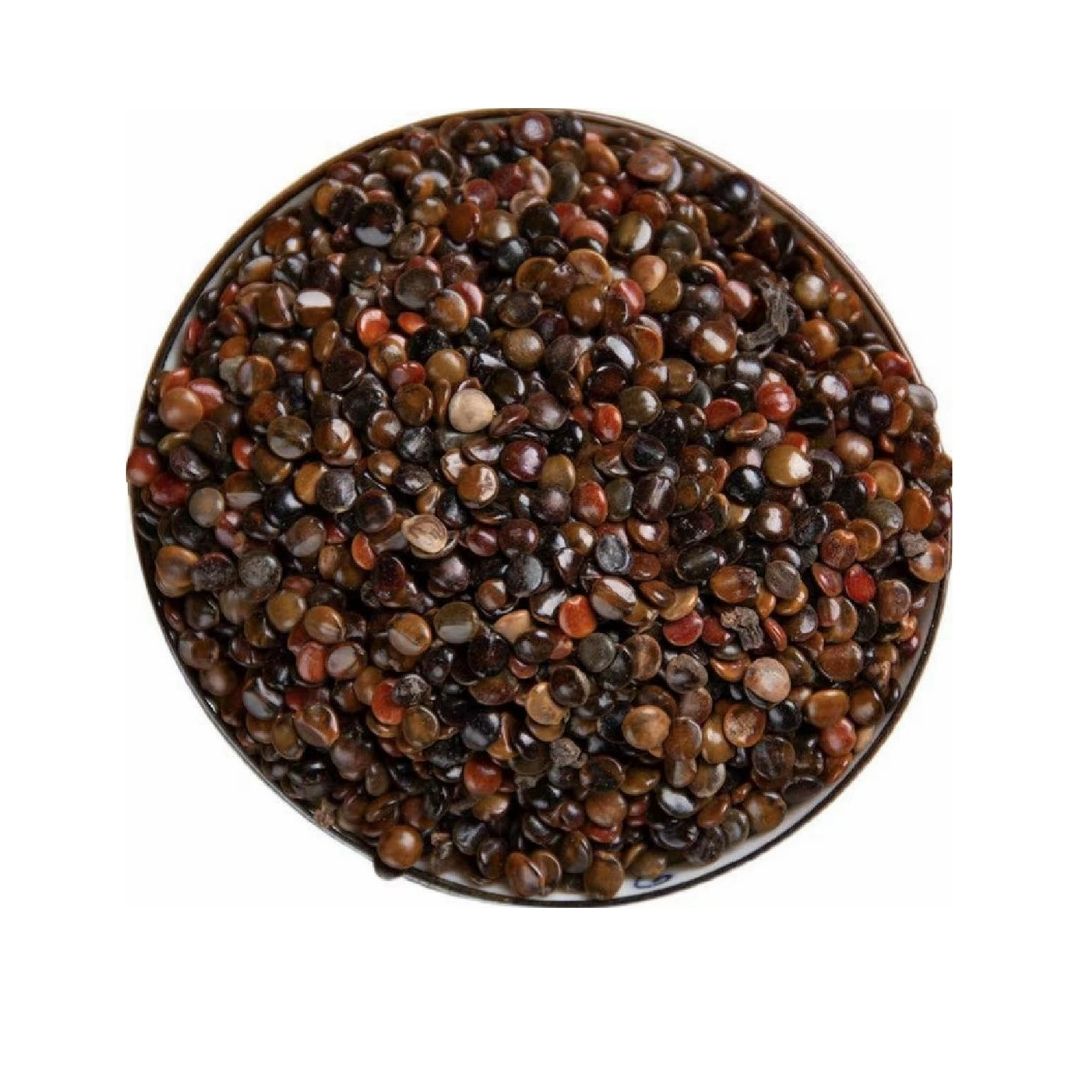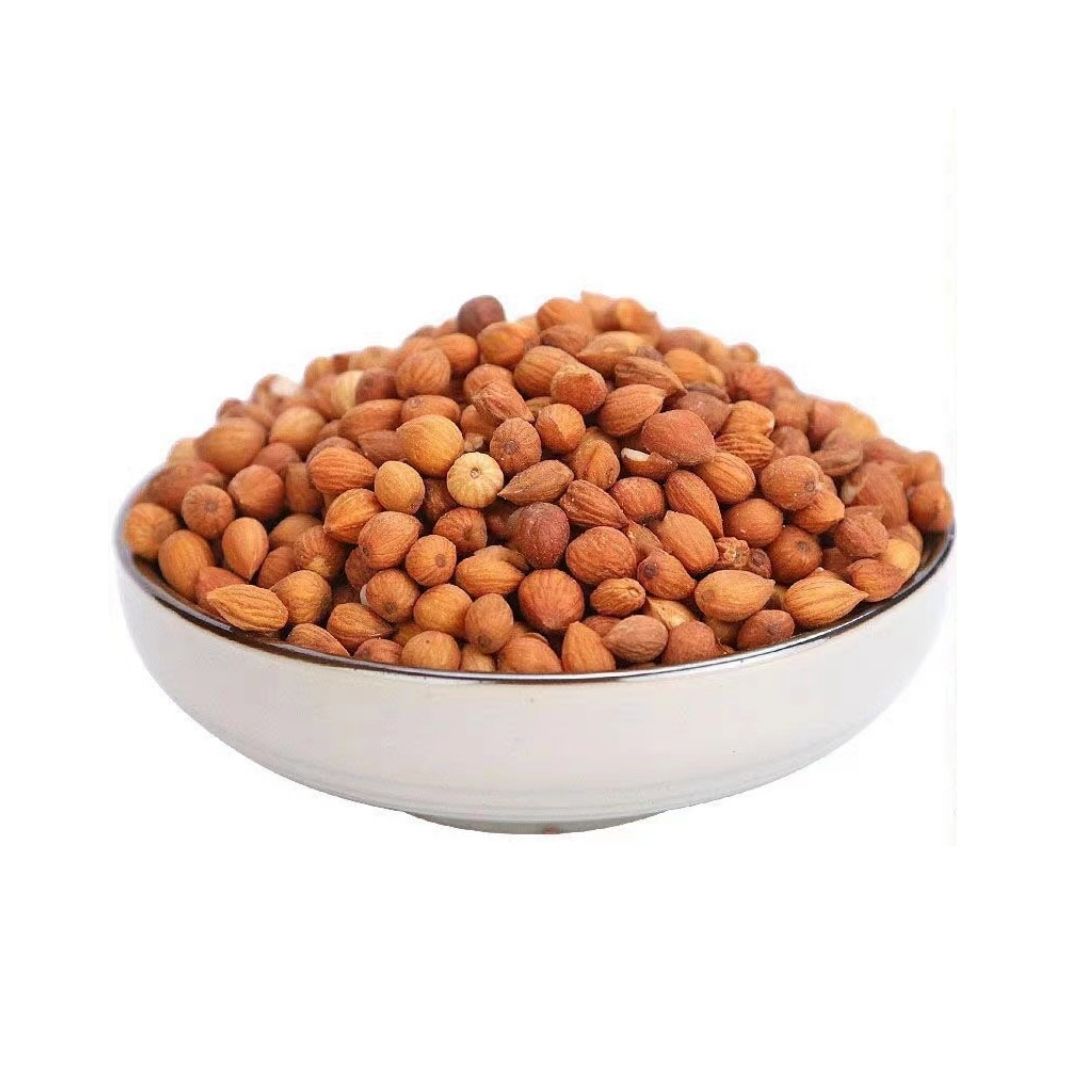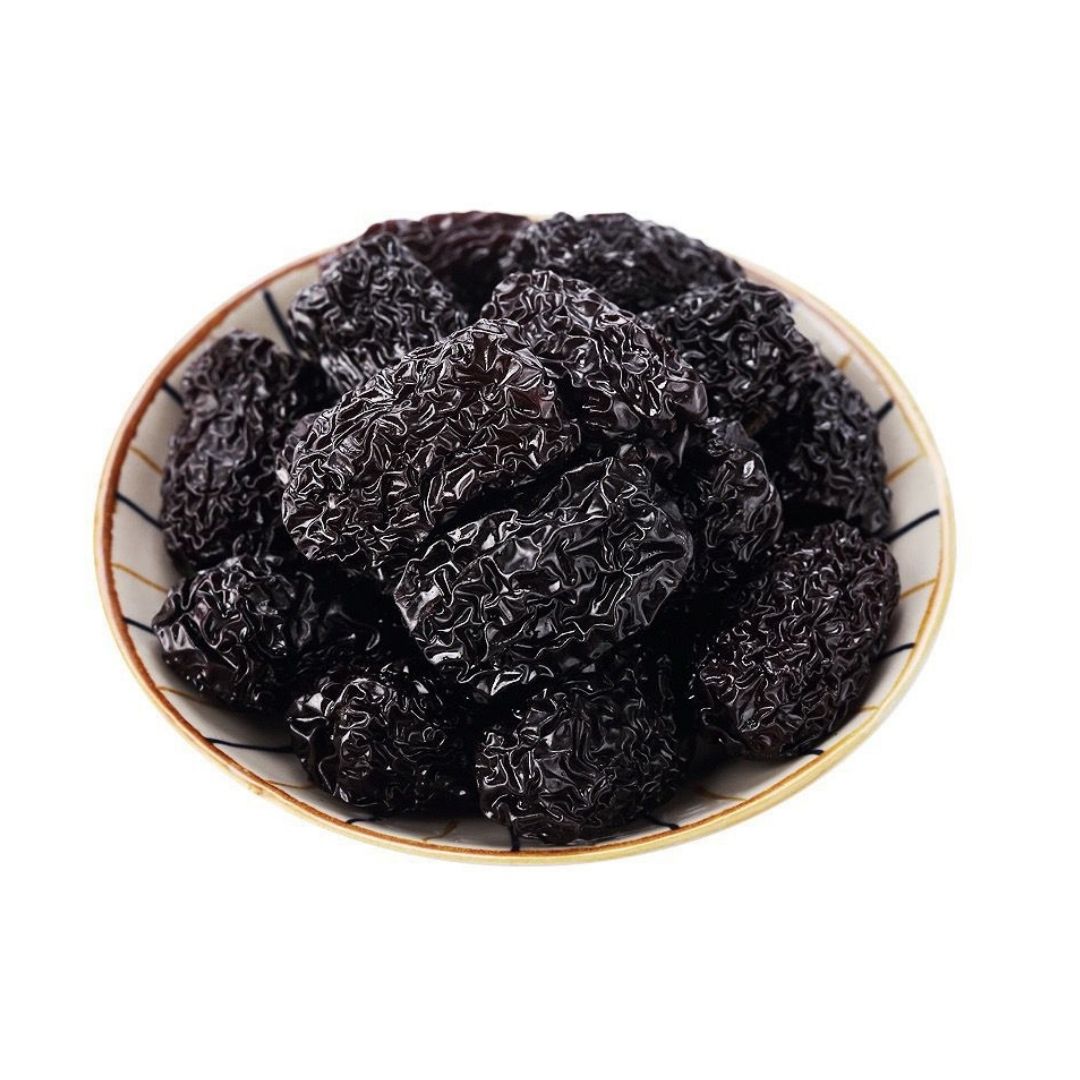


Product Introduction
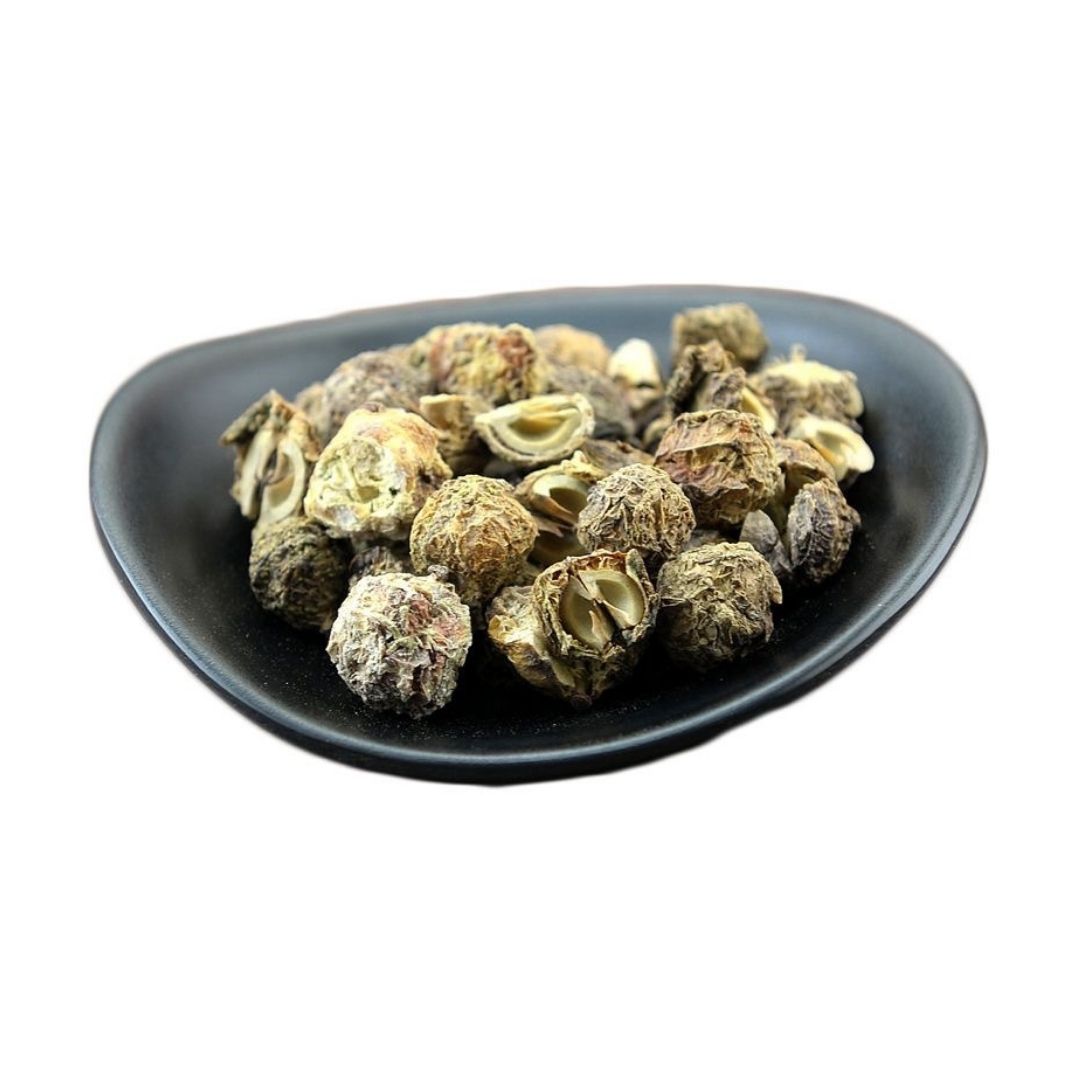
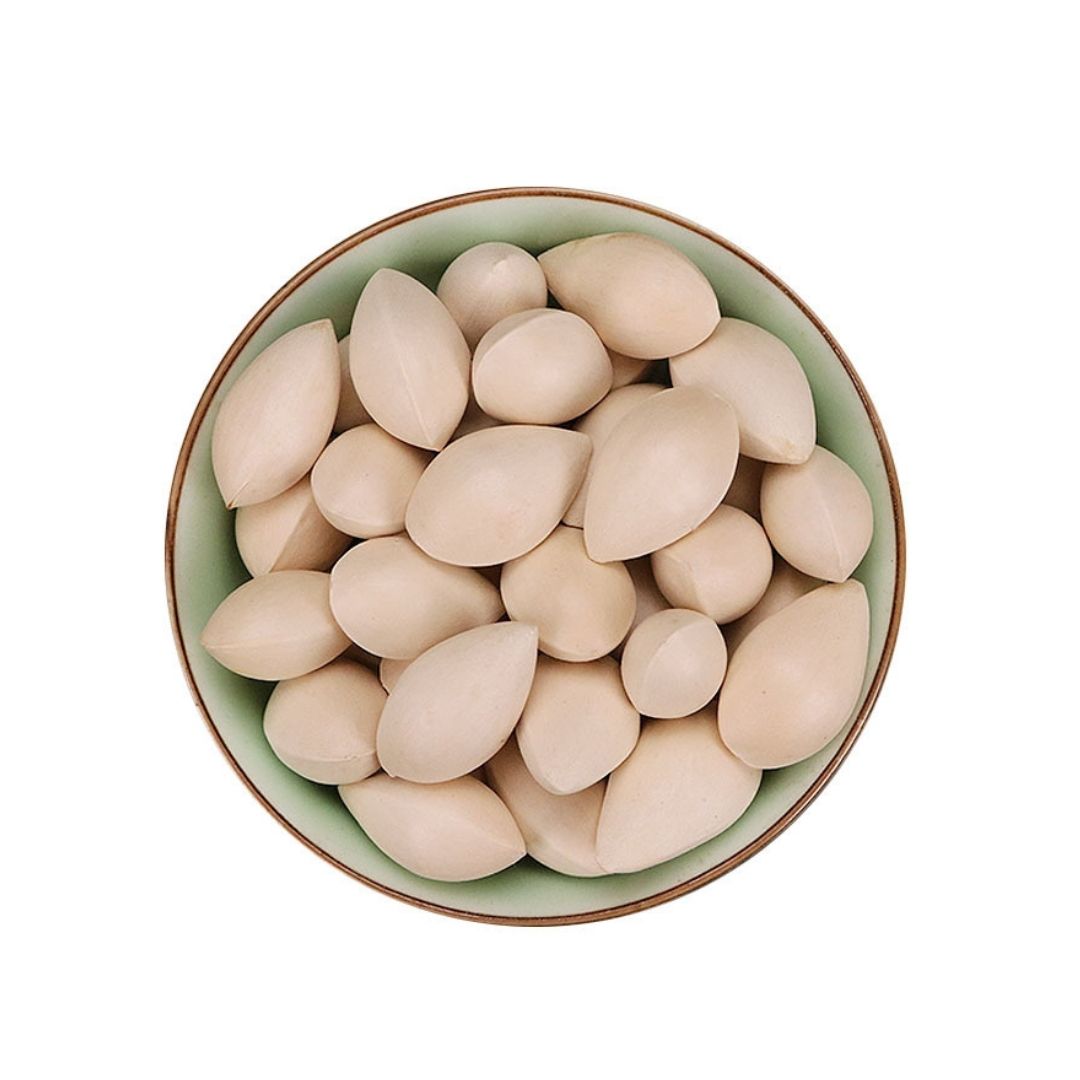
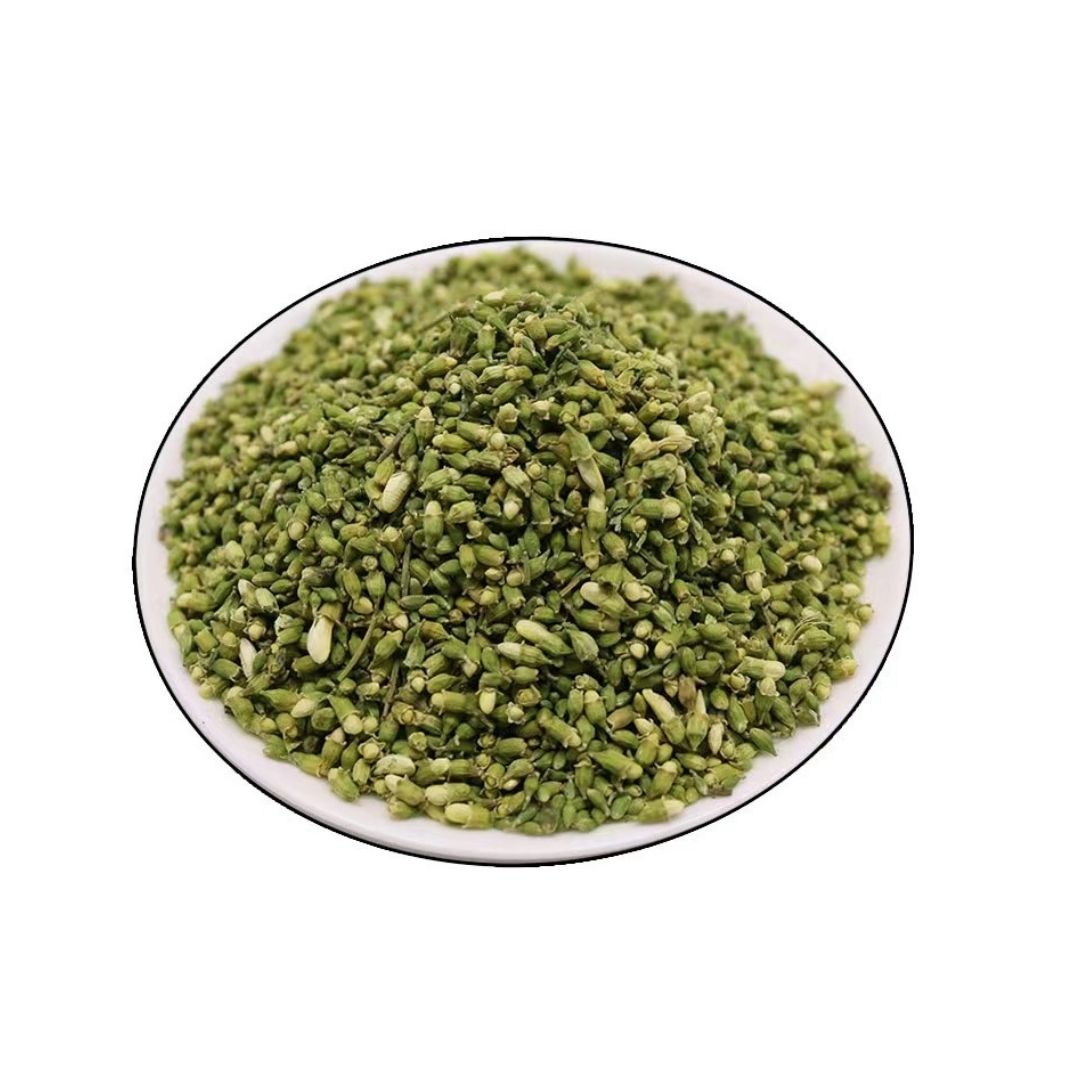
Sophora japonica, known in Chinese as "Huai Hua," has a long history of use, primarily for its hemostatic and heat-clearing properties. The plant, native to China, has been integrated into traditional medicine for centuries. The medicinal parts include both the flower buds (Huai Mi) and the mature flowers (Huai Hua), each possessing similar therapeutic benefits.
Main Active Ingredients
The key to sophora japonica's therapeutic effects lies in its rich composition of flavonoids. Rutin stands out as a major component, contributing significantly to its ability to strengthen blood vessels and reduce inflammation. Quercetin, another prevalent flavonoid, adds to the herb's antioxidant and anti-inflammatory actions. Other bioactive compounds, including isoflavones and glycosides, contribute synergistically to its overall medicinal profile.
Product Application Scenarios, Usage, and Dosage
In traditional Chinese medicine, sophora japonica is frequently prescribed to address conditions involving bleeding due to heat in the blood. This includes hemorrhoids with bleeding, hematemesis, and epistaxis. It is also employed for managing hypertension, attributed to its rutin content, which helps in maintaining blood vessel integrity. The typical dosage ranges from 6 to 15 grams, usually administered in decoction form. It can also be found in various herbal formulas targeting specific health concerns.
Introduction to the Source Plant, Distribution, and Growth Environment
Sophora japonica is a deciduous tree, growing up to 20 meters tall. It thrives in temperate climates and is widely cultivated across China, particularly in the northern and eastern regions. The tree prefers well-drained soils and ample sunlight. It is also cultivated in other parts of the world as an ornamental species, valued for its attractive foliage and fragrant flowers.
Harvesting, Processing, and Storage
The flower buds are usually harvested in early summer, before they fully open, while the flowers are collected when fully bloomed. After harvesting, the flowers or flower buds are dried, either by sun-drying or using mechanical methods to reduce moisture content. Proper storage in airtight containers, away from light and humidity, is crucial to preserve the quality and potency of sophora japonica. Regular monitoring for signs of mold or degradation is essential to ensure its therapeutic effectiveness.
Citations
- Traditional Chinese Medicine: A Textbook for Acupuncturists and Herbalists by Michael Maciocia
- Chinese Herbal Medicine: Materia Medica, 3rd Edition by Dan Bensky, Steven Clavey, Erich Stöger, and Andrew Gamble
Mia Wu

Hi, I’m Mia Wu! I love helping customers discover the best natural ingredients for their products. With a passion for herbs, spices, and fungi, I work to make sure you get only the finest raw materials. Let's grow together! 🌱✨