

Product Introduction
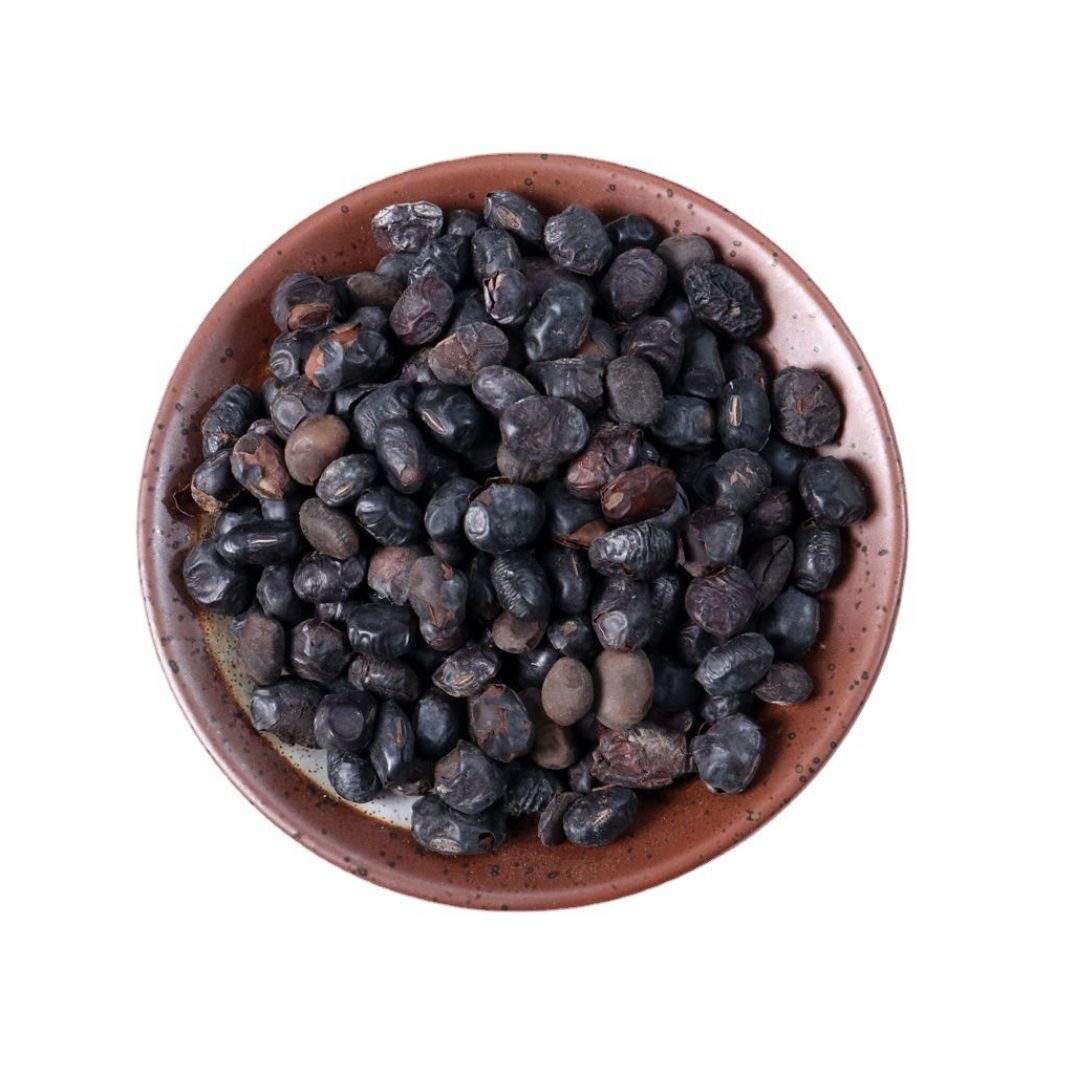
Sojae Semen Praeparatum, commonly known as Douchi, results from fermenting soybeans. This traditional Chinese medicine (TCM) ingredient holds a notable place in herbal formulations. Its preparation involves specific fermentation processes that alter the soybean's biochemical composition, enhancing its therapeutic properties. Douchi serves primarily to dispel wind and release the exterior, making it useful in treating mild cold symptoms.
Main Active Ingredients
The primary active ingredients in Sojae Semen Praeparatum include a variety of amino acids, peptides, and vitamins generated during the fermentation process. These components contribute to its therapeutic effects by interacting with the body's physiological systems. Furthermore, the fermentation process can produce bioactive compounds that are not originally present in the raw soybean. These compounds enhance its medicinal properties.
Product Application Scenarios, Usage, and Dosage
Sojae Semen Praeparatum commonly addresses symptoms associated with the common cold, such as fever, chills, and headache. It is often combined with other herbs to enhance its effects. The typical dosage ranges from 6 to 12 grams. It can be decocted in water and taken orally. In clinical practice, Douchi is also used to treat irritability and restlessness, particularly when these symptoms accompany febrile diseases.
Introduction to the Source Plant, Distribution, and Growth Environment
The source plant, Glycine max, is widely cultivated across China and other parts of the world. It thrives in warm climates with fertile soil. Soybean cultivation requires adequate sunlight and moisture during the growing season. The plant is adaptable to various soil types but prefers well-drained conditions. Glycine max is an essential agricultural crop. Its seeds provide significant nutritional and medicinal value.
Harvesting, Processing, and Storage
Harvesting of soybeans typically occurs in the fall when the pods have dried and the seeds have matured. The fermentation process involves soaking the soybeans, steaming them, and then inoculating them with specific microorganisms. This process occurs under controlled temperature and humidity levels. Proper fermentation yields the characteristic black color and unique flavor of Douchi. After fermentation, the soybeans are dried and stored in a cool, dry environment to maintain their quality and prevent spoilage.
Citations:
- Jiangsu New Medical College. (1977). Dictionary of Chinese Materia Medica. Shanghai Science and Technology Publishing House.
- Bensky, D., Gamble, A., & Kaptchuk, T. J. (1993). Chinese Herbal Medicine: Materia Medica. Eastland Press.
Mia Wu

Hi, I’m Mia Wu! I love helping customers discover the best natural ingredients for their products. With a passion for herbs, spices, and fungi, I work to make sure you get only the finest raw materials. Let's grow together! 🌱✨