

Product Introduction
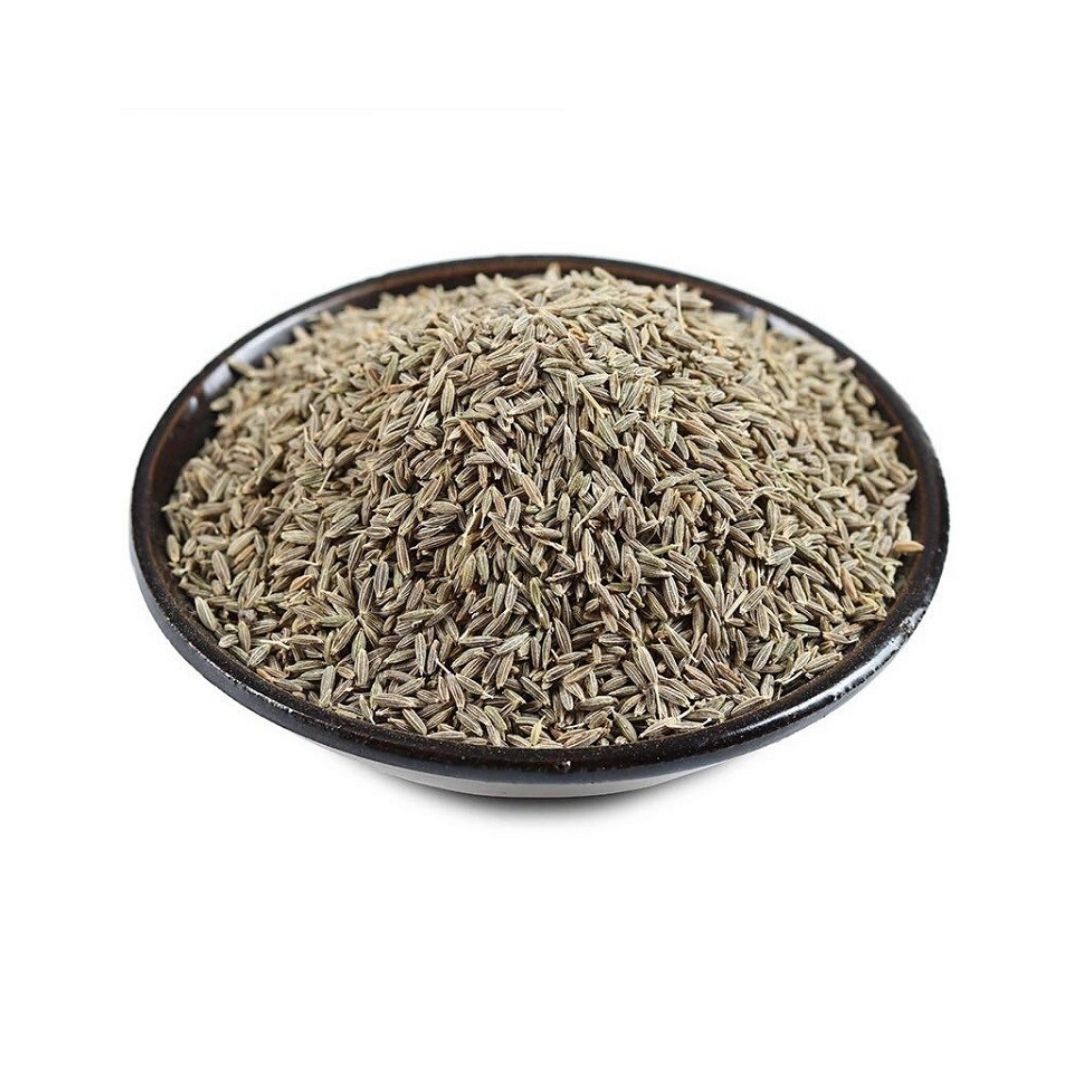
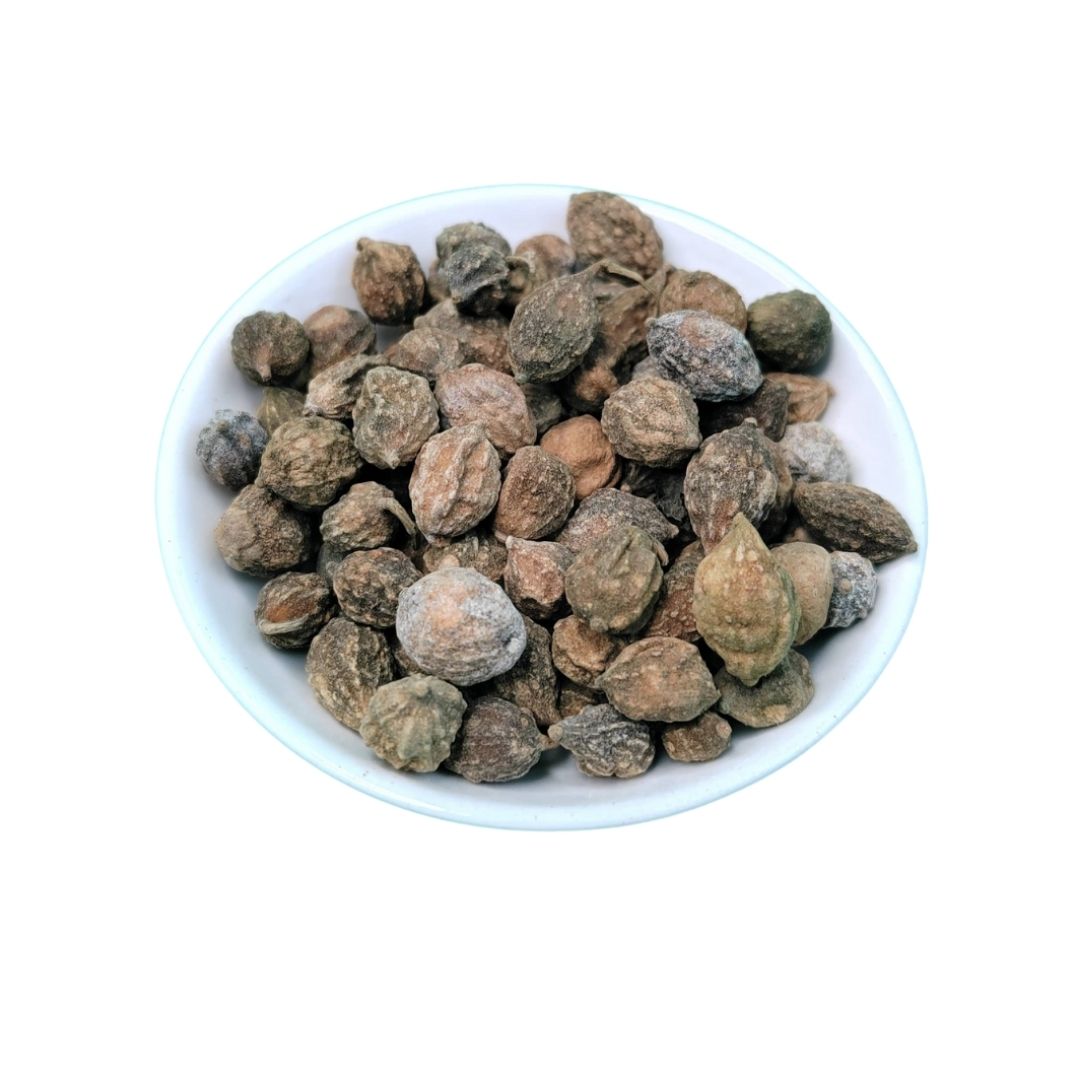
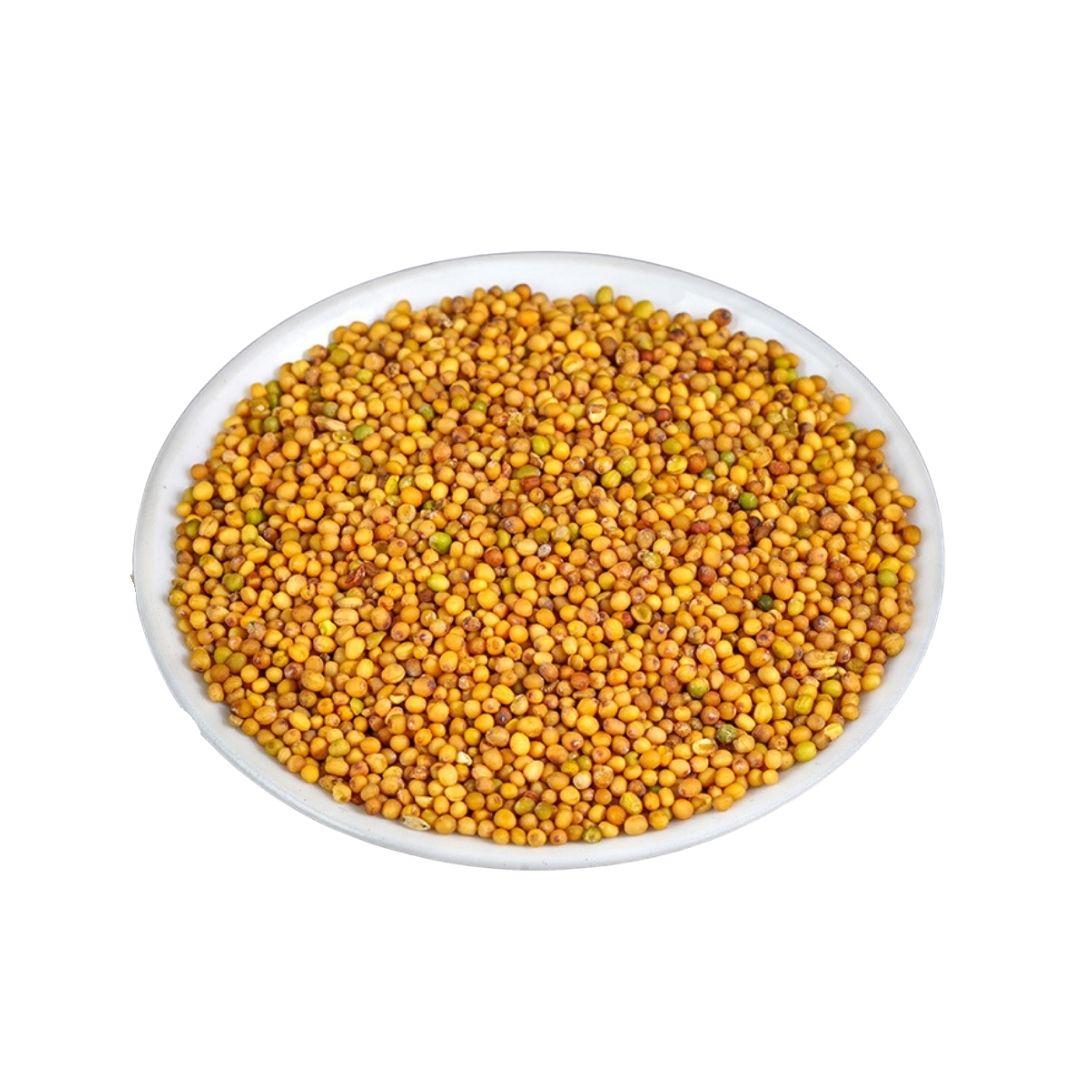
Sinapis Semen, commonly known as mustard seed, refers to the seeds of various plants in the Sinapis genus, primarily Sinapis alba (white mustard) and Sinapis arvensis (wild mustard). These small, round seeds are valued for their distinctive flavor and versatile applications. White mustard seeds are light yellow to beige, while wild mustard seeds tend to be darker.
The characteristic pungency of mustard seeds develops when they are ground and mixed with water, activating an enzymatic reaction that releases volatile compounds. This reaction involves glucosinolates, naturally occurring compounds in mustard seeds, and myrosinase, an enzyme also present in the seeds.
Mustard seeds have been used for centuries, originating in the Mediterranean region and spreading globally. They are now cultivated in numerous countries, including Canada, Russia, and Ukraine. The seeds are used whole, ground, or processed into mustard condiments.
Beyond culinary applications, mustard seeds have also been employed in traditional medicine. Their chemical constituents have been explored for potential health benefits. The storage of mustard seeds requires cool, dry conditions in airtight containers to maintain their quality and prevent degradation.
Aromatic Chemical Composition
The aromatic chemical compounds in mustard seeds primarily arise from the breakdown of glucosinolates. Sinapis alba contains sinalbin, a glucosinolate that, when hydrolyzed by the enzyme myrosinase, produces acrinyl isothiocyanate. This compound contributes to the relatively mild flavor of white mustard [1].
Sinapis arvensis, on the other hand, contains sinigrin, which yields allyl isothiocyanate upon hydrolysis. Allyl isothiocyanate is responsible for the more pungent and pungent flavor associated with brown and black mustard seeds [2].
Other volatile compounds can also influence the overall aroma profile of mustard seeds, though to a lesser extent than the isothiocyanates. These compounds may include terpenes, aldehydes, and sulfur-containing compounds [3].
What Types of Products Are Available?
Mustard seeds are available in several forms to suit different culinary and industrial applications:
- Whole Mustard Seeds: These are the raw, unprocessed seeds harvested from the mustard plant. They can be used in pickling, spice blends, or toasted to add flavor and texture.
- Ground Mustard: This is mustard seed that has been ground into a fine powder. It is used in dry rubs, spice mixes, and as an ingredient in prepared mustard.
- Prepared Mustard: This is a condiment made from ground mustard seeds mixed with vinegar, water, and other spices. There are many varieties of prepared mustard, including yellow mustard, Dijon mustard, and whole-grain mustard.
- Mustard Oil: This is an oil extracted from mustard seeds. It is used in cooking, particularly in Indian and Asian cuisines, and has a pungent, peppery flavor.
- Mustard Flour: Finely ground mustard seeds used in baking and as a thickening agent [4].
Application Scenarios and Usage Dosage
Mustard seeds are a versatile spice with wide-ranging applications in the culinary field. Their unique flavor profile makes them a valuable ingredient in various dishes and cuisines.
In pickling, whole mustard seeds are commonly used to add flavor and crispness to pickled vegetables, such as cucumbers, onions, and peppers. The seeds release their pungent flavor over time, enhancing the overall taste of the pickles. A typical dosage is 1-2 teaspoons of mustard seeds per pint jar of pickling brine [5].
Mustard seeds are also used in spice blends for sausages and meats. They contribute a sharp, distinctive flavor that complements other spices like coriander, black pepper, and garlic. The seeds can be used whole or ground, depending on the desired texture and flavor intensity. A common dosage is 1-2 tablespoons of ground mustard per pound of meat [6].
In Indian cuisine, mustard seeds are often used in tempering, a technique where spices are briefly fried in hot oil to release their aroma and flavor. The tempered spices are then added to dishes like dals, curries, and vegetable dishes. For tempering, a typical dosage is 1-2 teaspoons of mustard seeds per dish [7].
Ground mustard is a key ingredient in many dry rubs for meats and poultry. It adds a pungent, savory flavor that enhances the taste of the meat. The ground mustard is typically combined with other spices, such as paprika, garlic powder, and onion powder, to create a balanced flavor profile. A common dosage is 1-2 tablespoons of ground mustard per pound of meat [8].
Prepared mustard, such as yellow mustard, Dijon mustard, and whole-grain mustard, is a popular condiment for sandwiches, burgers, and hot dogs. It adds a tangy, flavorful kick to these dishes. The amount of prepared mustard used varies depending on personal preference [9].
Mustard oil is used in some cuisines for cooking and flavoring dishes. It has a strong, pungent flavor and should be used sparingly. It is often used in Indian and Asian cuisines, particularly in stir-fries and vegetable dishes. A typical dosage is 1-2 teaspoons of mustard oil per dish [10].
When using mustard seeds, it is important to note that their flavor intensifies when they are ground and mixed with water or other liquids. Therefore, it is best to start with a small amount and add more to taste. Additionally, mustard seeds should be stored in a cool, dry place in an airtight container to prevent them from losing their flavor [11].
Introduction to the Source Plant, Distribution, and Growing Environment
Sinapis alba, commonly known as white mustard, is an annual plant in the Brassicaceae family. It typically grows to a height of 1 to 2 feet and produces yellow flowers. The plant is native to the Mediterranean region but is now cultivated worldwide.
Sinapis arvensis, commonly known as wild mustard, is another annual plant in the same family. It is considered a weed in many areas, but it is also cultivated for its seeds. Wild mustard grows to a similar height as white mustard and also produces yellow flowers [12].
Mustard plants thrive in cool, temperate climates with well-drained soil. They prefer full sun but can tolerate partial shade. The plants are relatively easy to grow and can be propagated from seed.
Major mustard seed-producing countries include Canada, Russia, Ukraine, and the United States. These countries have suitable climates and agricultural practices for mustard cultivation [13].
Harvesting, Processing, and Storage Preservation
Mustard seeds are typically harvested when the seed pods are fully mature and dry. The plants are cut and allowed to dry in the field before the seeds are threshed [14].
After threshing, the seeds are cleaned to remove any debris or impurities. They may also be dried further to reduce their moisture content, as high moisture levels can lead to spoilage [15].
The processing of mustard seeds varies depending on the desired end product. For whole mustard seeds, the cleaned and dried seeds are simply packaged for sale. For ground mustard, the seeds are ground into a fine powder using a mill or grinder [16].
Prepared mustard is made by mixing ground mustard seeds with vinegar, water, and other spices. The mixture is then processed to create a smooth, consistent texture [17].
Mustard oil is extracted from mustard seeds through pressing or solvent extraction. The oil is then refined and filtered to remove any impurities [18].
Proper storage is essential to preserve the quality and flavor of mustard seeds. The seeds should be stored in a cool, dry place in an airtight container. This will help to prevent the seeds from losing their flavor and becoming rancid. Ground mustard should be stored in a similar manner to prevent it from clumping and losing its pungency [19].
Citations:
- Lourens, L., et al. "The Bioactive Thioglucosides of Mustard (Sinapis alba L.) and Their Hydrolysis Products." Journal of Agricultural and Food Chemistry 45.3 (1997): 677-681.
- mitigation of glucosinolate-derived off-flavors in Brassicaceae vegetable processing wastewaters. Food Chemistry, 275, 438–446.
- "Flavor Chemistry of Mustard." Journal of Food Science 68.7 (2003): 2148-2156.
- Fahey, J. W., Zalcmann, A. T., & Talalay, P. (2001). The chemical diversity and distribution of glucosinolates and isothiocyanates among plants. Phytochemistry, 56(1), 5–51.
- Ratzlaff, K., et al. "Pickling Vegetables." University of Minnesota Extension FS-3246-GO (2017).
- Herbst, S.T. (2001). The New Food Lover’s Companion. Hauppauge, NY: Barron’s.
- Dave, R. (2003). Flavors of India. New York: Hippocrene Books.
- McGee, H. (2004). McGee on Food and Cooking. New York: Scribner.
- Rosengarten, F., Jr. (1969). The Book of Spices. Wynnewood, PA: Livingston Publishing Co.
- Kapoor, D., Ghosh, P., & Mahapatra, B. S. (2020). Mustard oil: A traditional oil with versatile health benefits. Oilseeds & fats crops and lipids, 27, 20.
- Parry, J. W. (1969). Spices: Their morphology, histology and chemistry. New York: Chemical Publishing Co.
- Warwick, S. I., Mummenhoff, K., Al-Shehbaz, I. A. (2006). The origin and evolution of Brassica crops and weeds. Theoretical and Applied Genetics, 112(7), 1225–1234.
- USDA Economic Research Service. (2023). Oilseeds: World Markets and Trade.
- Belzile, F., et al. (2006). "Development and characterization of Brassica napus simple sequence repeat markers and their use for genetic mapping." Theoretical and Applied Genetics 112.8 (2006): 1349-1362.
- Singh, M., et al. (2017). "Effect of drying methods on the quality of mustard seeds." Journal of Food Science and Technology 54.6 (2017): 1567-1576.
- Small, E. (2006). Culinary herbs. Ottawa: NRC Research Press.
- Lantz, J. M. (2016). Cooking with Mustard. Rowman & Littlefield.
- Matthäus, B. (2017). Extraction of vegetable oils. Eur. J. Lipid Sci. Technol. 119, 1600238.
- Sahni, S. (2014). Classic Indian Cooking. London: Ebury Press.
Mia Wu

Hi, I’m Mia Wu! I love helping customers discover the best natural ingredients for their products. With a passion for herbs, spices, and fungi, I work to make sure you get only the finest raw materials. Let's grow together! 🌱✨