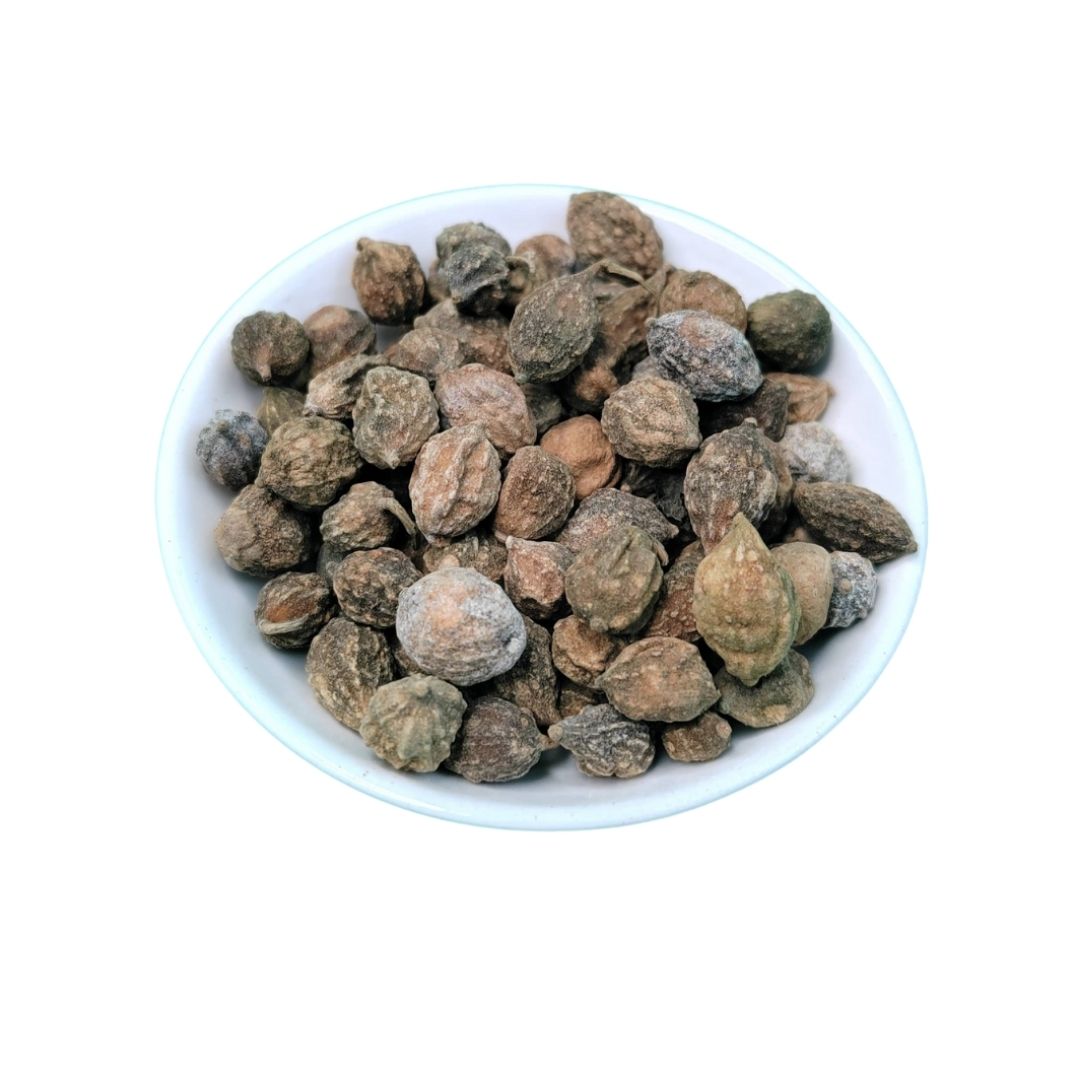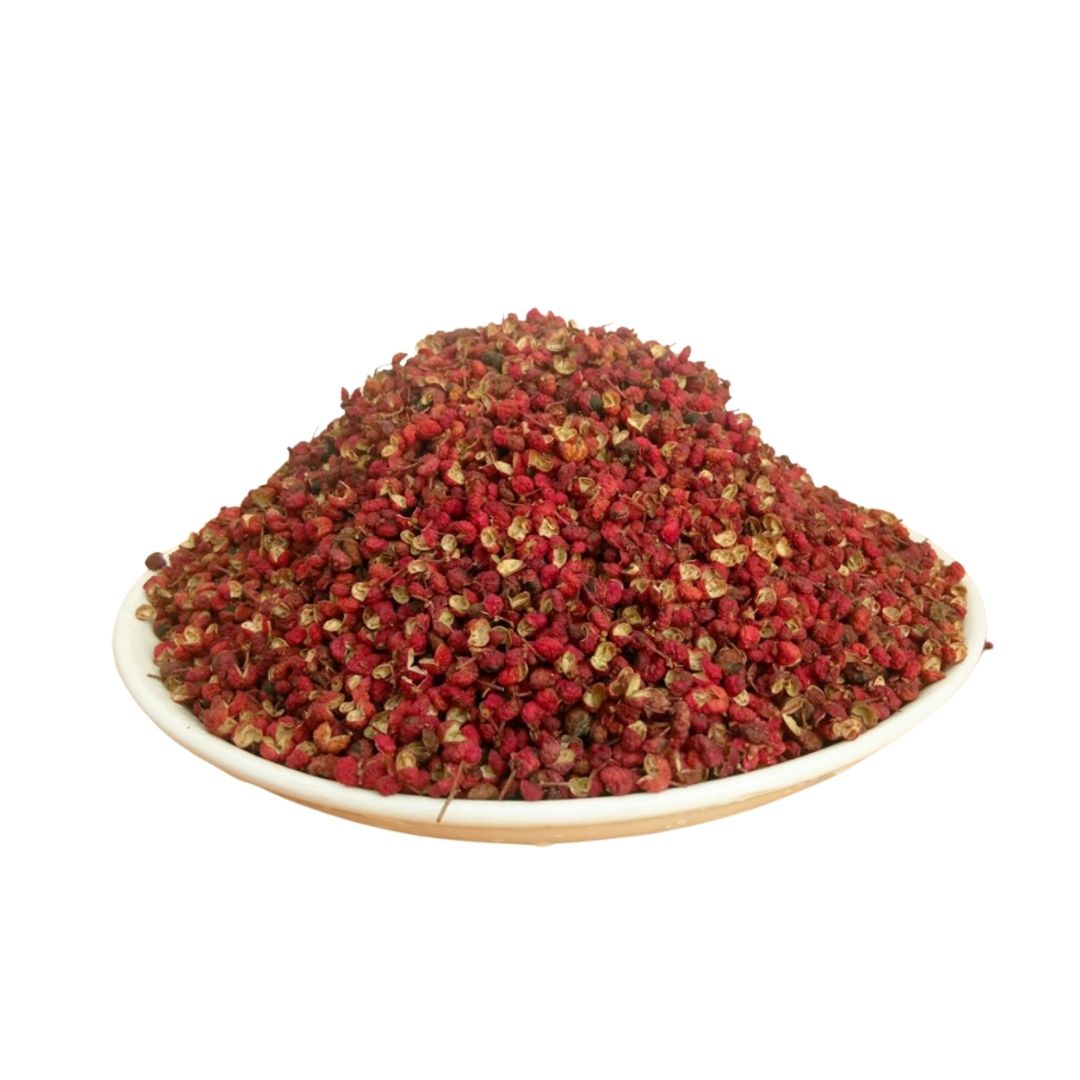


Product Introduction
Sichuan pepper, derived from the Zanthoxylum genus, is a spice notable for the tingling, numbing sensation it produces in the mouth, often described as "ma la." This sensation is attributed to the presence of hydroxy-alpha-sanshool [1]. Native to China, particularly the Sichuan province, it is a cornerstone of Sichuan cuisine, adding a unique dimension of flavor that goes beyond simple spiciness.
The spice comes from the pericarp, or outer husk, of the plant's fruit. Once harvested, the pericarps are typically dried before use. The flavor profile includes citrusy notes, woody undertones, and subtle floral hints, melding to create a complex and intriguing taste. Its applications are diverse, ranging from traditional dishes to modern culinary experiments.
Sichuan pepper is not related to black pepper or chili peppers. This spice's unique sensory effect sets it apart. It harmonizes with other spices, complementing chili peppers and garlic. While it is most recognized for its role in Sichuan cuisine, chefs worldwide are exploring its possibilities, incorporating it into new dishes.
Aromatic Chemical Composition
The aromatic and sensory properties of Sichuan pepper are primarily due to specific chemical compounds. Hydroxy-alpha-sanshool is responsible for the characteristic numbing sensation [1]. Limonene contributes citrusy notes, while myrcene adds a touch of herbaceousness. Other compounds, such as geraniol and linalool, contribute to its floral and complex aroma [2]. The combination of these compounds creates the distinctive fragrance and taste profile that defines Sichuan pepper.
What Types of Products Are Available?
Sichuan pepper is available in several forms to suit different culinary needs. Whole pods are commonly used for infusing flavor into oils or broths, allowing for a gradual release of its aromatic compounds. Ground powder provides convenience, blending seamlessly into spice rubs, sauces, and marinades. Infused oils capture the essence of Sichuan pepper. They can be drizzled over dishes as a finishing touch, delivering a concentrated burst of flavor and sensation. Each form offers a unique way to incorporate the spice into cooking, catering to diverse culinary applications.
Application Scenarios and Usage Dosage
Sichuan pepper is a versatile ingredient with applications that extend beyond traditional Sichuan cuisine. In classic dishes such as Mapo Tofu and Dan Dan Noodles, it is integral, playing a key role in delivering the signature "ma la" flavor [3]. The spice enhances stir-fries, imparting depth and complexity to vegetable and meat dishes. Chefs use it in marinades for grilled meats, offering a unique sensory. Spice rubs benefit from the inclusion of Sichuan pepper, which adds a distinctive layer of flavor to barbecued or roasted meats.
Dosage is important, as overuse can overwhelm a dish with its numbing sensation. A general guideline is to start with a small amount, usually half a teaspoon of ground powder or a few whole pods, adjusting to taste [4]. The spice complements other flavors, pairing well with chili peppers, garlic, ginger, and soy sauce. Experimentation is encouraged, and chefs often combine it with other spices to create balanced flavor profiles.
In contemporary cuisine, Sichuan pepper is gaining traction in non-Asian dishes. Pastry chefs are incorporating it into desserts, where its citrusy notes and tingling sensation provide an unexpected twist to chocolate and fruit-based creations. Bartenders are using it in cocktails, infusing spirits with its unique flavor to craft innovative drinks. Due to its unique flavor for a wide range of culinary applications, it remains a treasured ingredient.
Introduction to the Source Plant, Distribution, and Growing Environment
The Sichuan pepper plant, belonging to the Zanthoxylum genus, is a deciduous shrub or small tree. It is characterized by thorny branches and aromatic leaves. Native to China, it is cultivated in various regions, with the Sichuan province being its most famous growing area [5]. Other Asian countries, including Japan, Korea, and Nepal, also cultivate the plant.
The Zanthoxylum plant thrives in temperate climates, preferring well-drained soil and sunny locations. It is adaptable to a range of soil types, but it benefits from slightly acidic conditions. The plant typically grows to a height of 3 to 5 meters, producing clusters of small, reddish-brown fruits. These fruits are harvested for their aromatic pericarps, which are the source of the spice. The plant's resilience and adaptability have contributed to its widespread cultivation across different regions.
Harvesting, Processing, and Storage Preservation
The harvesting of Sichuan pepper pericarps is a labor-intensive process, typically carried out by hand. The fruits are harvested when they reach full maturity, indicated by their vibrant color and fragrant aroma [6]. After harvesting, the pericarps are separated from the seeds and stems. Traditionally, workers dry the pericarps under the sun, which intensifies their flavor and reduces moisture content. Modern methods include using mechanical dryers to ensure consistent drying and prevent spoilage.
After drying, the pericarps are often roasted briefly to enhance their aroma and flavor. Roasting must be carefully controlled, as excessive heat can diminish the spice's quality. The dried pericarps are then sorted and graded based on size, color, and aroma [7]. Proper storage is crucial for preserving the spice's quality. Sichuan pepper should be stored in airtight containers, away from light, heat, and moisture. Storing it in a cool, dark, and dry place helps to maintain its potency and flavor for an extended period. Additionally, some producers package the spice with oxygen absorbers to prevent oxidation and maintain its freshness.
Citations:
- Roh, J., & Lee, K. G. (2017). Identification and Quantification of Aroma-Active Compounds in Sichuan Pepper (Zanthoxylum piperitum DC.). Journal of Agricultural and Food Chemistry, 65(4), 862-869.
- Zhang, Y., et al. (2020). Characterization of Key Aroma Compounds in Sichuan Pepper (Zanthoxylum bungeanum Maxim.) by Gas Chromatography-Olfactometry and Odor Activity Value Analysis. Foods, 9(3), 332.
- Tan, M., & Xu, J. (2012). Sichuan Cuisine. In Ethnic Foods and Beverages. CRC Press.
- Bensky, D., et al. (2015). Chinese Herbal Medicine: Materia Medica, 3rd Edition. Eastland Press.
- He, Z., & Zheng, X. (2008). Zanthoxylum in China: Ethnobotany, pharmacology, and sustainable utilization. Genetic Resources and Crop Evolution, 55(6), 833-843.
- Li, H., et al. (2018). Optimization of drying conditions for Sichuan pepper (Zanthoxylum bungeanum Maxim.) based on sensory quality and volatile compounds. LWT - Food Science and Technology, 96, 45-53.
- Wang, J., et al. (2019). Quality evaluation of Sichuan pepper (Zanthoxylum bungeanum Maxim.) based on multi-component analysis. Food Chemistry, 275, 475-482.
Mia Wu

Hi, I’m Mia Wu! I love helping customers discover the best natural ingredients for their products. With a passion for herbs, spices, and fungi, I work to make sure you get only the finest raw materials. Let's grow together! 🌱✨