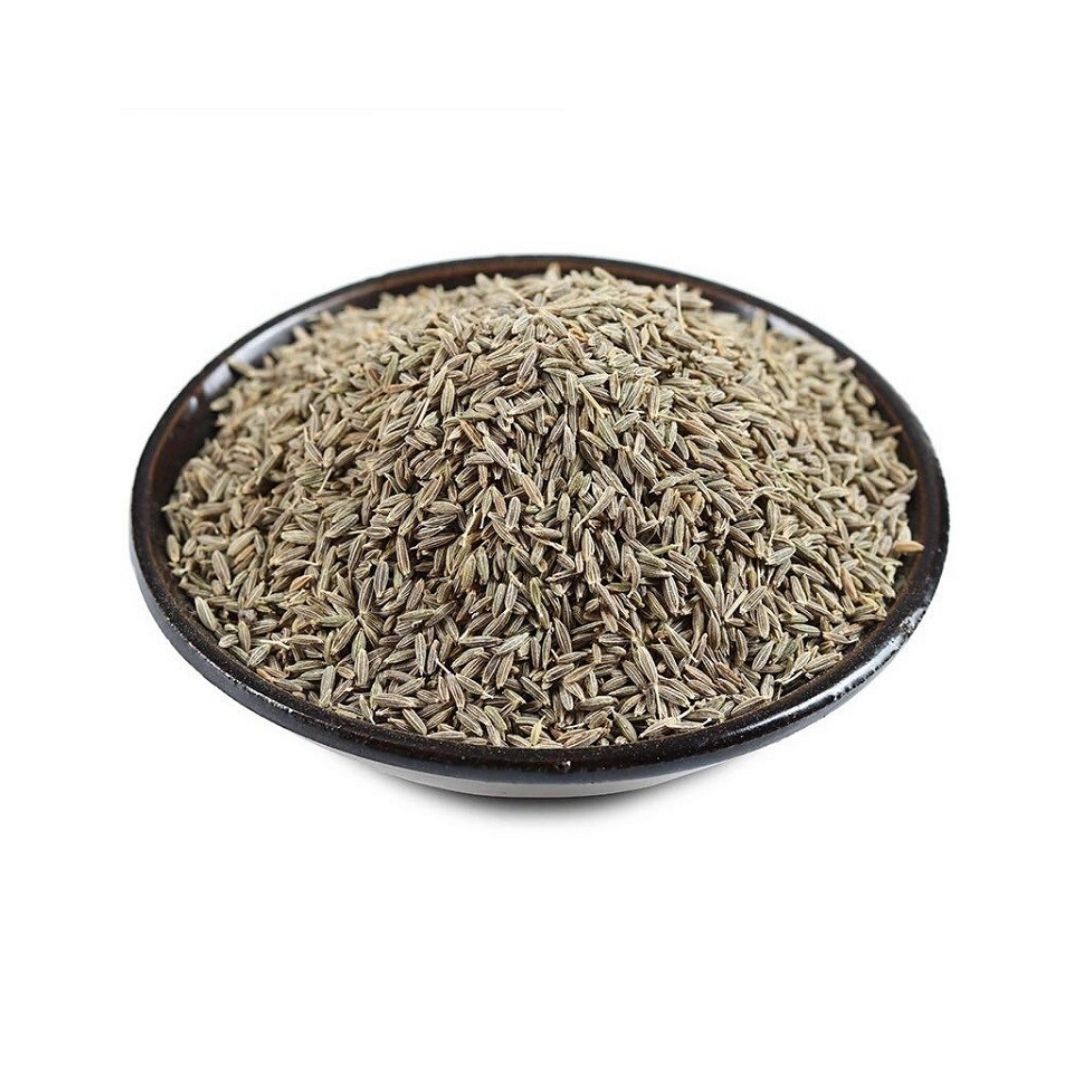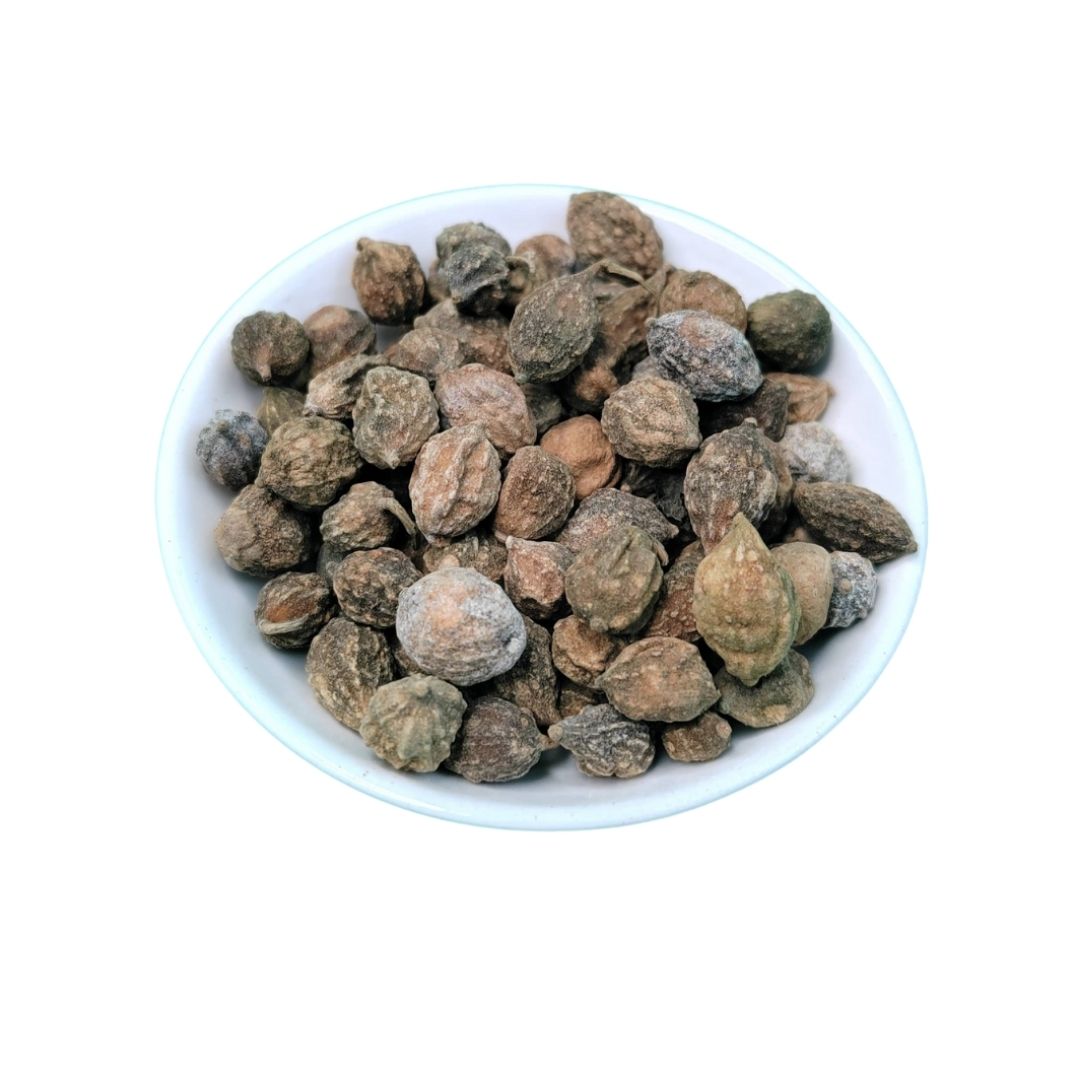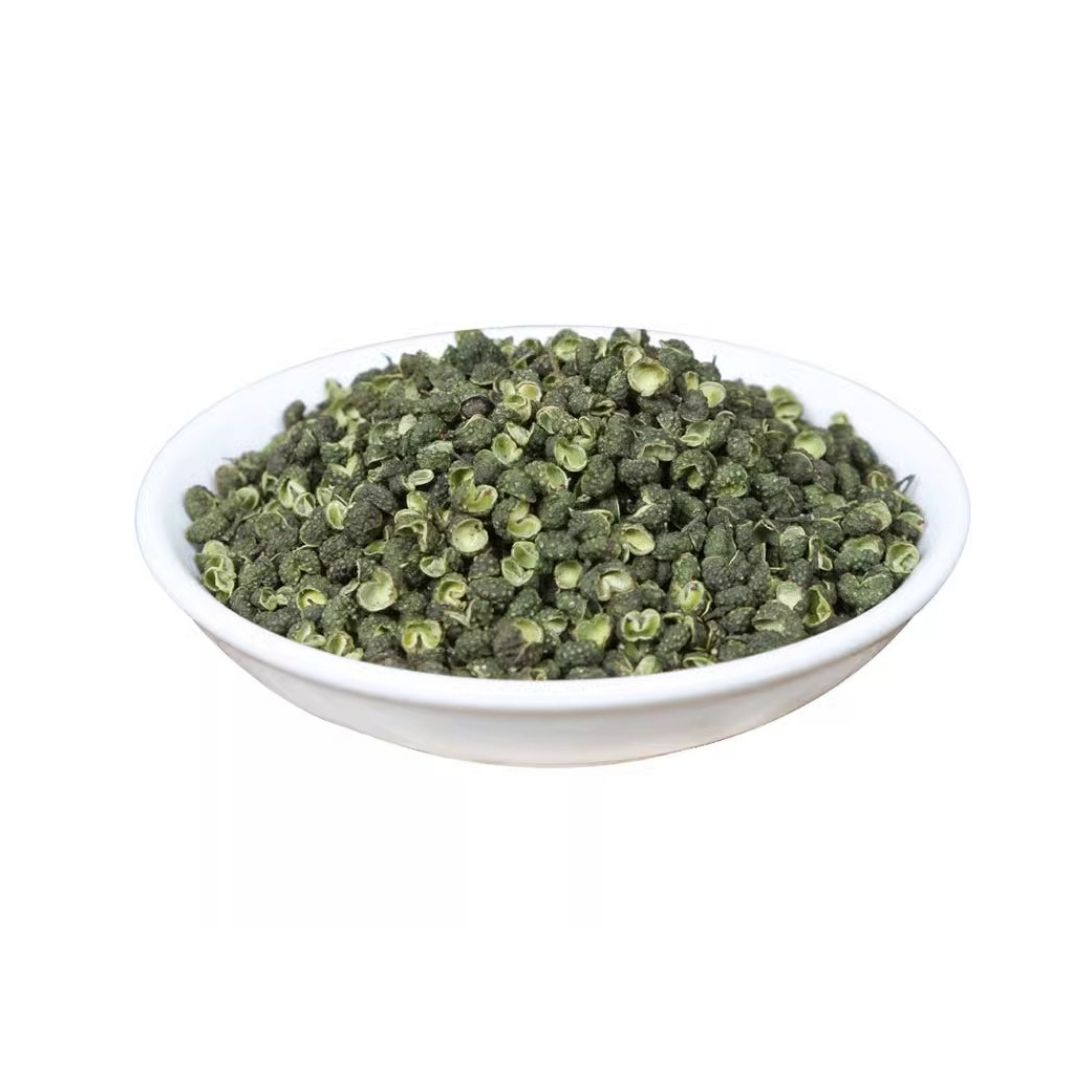


Product Introduction
Sichuan green peppercorns are the berries of the Zanthoxylum schinifolium plant, a species native to China. Unlike black or white peppercorns, Sichuan peppercorns are not related to the Piper nigrum plant. They offer a distinctive flavor profile that includes citrusy notes and a pronounced tingling or numbing sensation, known as "ma la" in Chinese. This numbing effect is largely attributed to the presence of hydroxyl-alpha-sanshool, a compound that interacts with nerve receptors in the mouth [1].
These green peppercorns are harvested from prickly ash trees, and they are an essential spice in Sichuan cuisine. Dishes like mapo tofu and dan dan noodles owe their characteristic flavor to these peppercorns. Beyond their culinary uses, Sichuan peppercorns have also found applications in traditional medicine. The unique aromatic and sensory properties make them a favored ingredient among chefs seeking to add complexity and authenticity to their dishes.
The aroma of Sichuan green peppercorns is often described as a blend of floral, citrus, and woody notes. They introduce a layer of complexity that goes beyond simple spiciness, creating a multi-sensory experience for the consumer. Chefs prize them not only for the flavor but also for the textural contrast they can add, especially when lightly toasted [2].
They are widely available in Asian markets, and increasingly, in specialty spice shops. The best quality peppercorns are characterized by their vibrant green color and the intensity of their aroma. Proper storage is crucial to maintaining their potency and freshness; keeping them in airtight containers away from light and moisture will preserve their unique qualities [3].
Aromatic Chemical Composition
The aroma of Sichuan green peppercorns is derived from its unique chemical composition, which includes several key volatile compounds. Limonene contributes a citrusy fragrance, while other terpenes add hints of pine and wood. The presence of hydroxyl-alpha-sanshool is responsible for the distinctive numbing sensation. Additionally, compounds like geraniol and linalool contribute floral notes, enhancing the overall aromatic complexity [4]. The specific ratio and concentration of these compounds can vary depending on the growing conditions, harvest time, and processing methods used. These chemicals interact to produce the multi-layered and complex aroma that is characteristic of Sichuan peppercorns.
What Types of Products Are Available?
Sichuan green peppercorns are available in several forms to accommodate various culinary needs. Whole peppercorns are the most common offering, often sold dried and ready to be toasted or ground. Ground Sichuan peppercorns are also available, providing convenience for direct use in recipes. Some suppliers offer Sichuan peppercorn oil, an infused oil that captures the essence of the spice, ideal for flavoring dishes or as a finishing oil. Another variation is Sichuan peppercorn salt, where the ground peppercorns are combined with salt to create a versatile seasoning blend. Finally, some specialty stores offer fresh or pickled Sichuan peppercorns, providing different textures and flavor profiles [5].
Application Scenarios and Usage Dosage
Sichuan green peppercorns are prominently featured in diverse culinary applications, particularly within Sichuan cuisine, adding depth and complexity to dishes.
Culinary Applications: These peppercorns are fundamental in dishes such as Mapo Tofu, where their numbing quality complements the spicy chili bean paste. In Dan Dan Noodles, they provide a crucial aromatic layer, enhancing the overall flavor profile. They are also used in hot pot bases, infusing the broth with their distinctive "ma la" (numbing and spicy) sensation [6].
Usage Methods: Typically, Sichuan peppercorns are lightly toasted before use to amplify their aroma. Toasting can be done in a dry pan over medium heat, being careful not to burn them. After toasting, they can be ground using a spice grinder or mortar and pestle. The ground peppercorns can then be added directly to dishes during cooking or used as a finishing spice. Infusing oil with Sichuan peppercorns is another common method; the peppercorns are gently heated in oil to extract their flavors [7].
Dosage: The appropriate dosage of Sichuan green peppercorns varies depending on personal preference and the dish being prepared. Generally, a small amount is sufficient due to their potent flavor. For instance, in a classic Mapo Tofu recipe serving four, about 1-2 teaspoons of toasted and ground Sichuan peppercorns is a common starting point. In hot pot bases, the dosage might be higher, ranging from 1-2 tablespoons per pot, depending on the desired level of numbness and spice. When using Sichuan peppercorn oil, a drizzle is often enough to impart the characteristic flavor. Experimentation is encouraged, as individual preferences can differ significantly. Starting with a smaller amount and adjusting to taste is advisable [8].
Pairing and Flavor Combinations: Sichuan green peppercorns pair well with other spices such as chili peppers, ginger, and garlic, creating complex flavor profiles. They also complement rich and savory ingredients like pork, beef, and tofu. The spice's citrusy notes make it a good match for seafood as well. In addition to savory dishes, they can also be used in some desserts, providing an unexpected twist [8].
Introduction to the Source Plant, Distribution, and Growing Environment
Zanthoxylum schinifolium, the source plant for Sichuan green peppercorns, is a deciduous shrub or small tree belonging to the citrus family, Rutaceae. It is characterized by its thorny branches and aromatic leaves. The plant produces clusters of small green berries that turn reddish-brown when ripe. These berries are harvested for their seed coats, which are the source of the spice. The plant is native to China and is widely cultivated in Sichuan province [9].
The ideal growing environment for Zanthoxylum schinifolium includes well-drained soil and a sunny location. The plant is relatively hardy and can tolerate a range of soil types, but it thrives in slightly acidic conditions. It prefers a temperate climate with distinct seasons. In addition to China, the plant is also cultivated in other parts of Asia, including Japan, Korea, and Nepal. These regions share similar climatic conditions, making them suitable for growing this plant [10].
Harvesting, Processing, and Storage Preservation
The harvesting of Sichuan green peppercorns typically occurs in the late summer or early autumn when the berries have reached full maturity. Harvesters carefully pick the berries from the thorny branches of the Zanthoxylum schinifolium plant. After harvesting, the berries undergo processing to prepare them for use as a spice [11].
The initial processing step involves drying the berries. Traditionally, this is done by spreading them out in the sun, allowing them to dry naturally. Modern methods may involve using dehydrators to speed up the drying process and ensure consistent quality. Once the berries are fully dried, the seed coats are separated from the seeds. This can be done manually or mechanically [12].
Proper storage is crucial for preserving the quality and flavor of Sichuan green peppercorns. The dried peppercorns should be stored in an airtight container away from direct sunlight, heat, and moisture. A cool, dry pantry or cupboard is an ideal storage location. Storing the peppercorns whole, rather than ground, helps to retain their flavor for a longer period. When stored correctly, Sichuan green peppercorns can maintain their aromatic and numbing qualities for up to a year or more [13].
Citations:
[1] Rohini, A. R., & Platel, K. (2021). Chemistry, functionality and applications of Zanthoxylum species – A review. Journal of Food Science and Technology, 58(1), 17-33.
[2] Li, Y., et al. (2019). Characterization of volatile compounds in Sichuan pepper (Zanthoxylum bungeanum Maxim.) by comprehensive two-dimensional gas chromatography-time-of-flight mass spectrometry. Food Chemistry, 276, 739-746.
[3] Shao, Y., et al. (2020). Effects of different drying methods on the volatile components and antioxidant activity of Sichuan pepper (Zanthoxylum bungeanum Maxim.). LWT, 134, 110178.
[4] Zhang, Y., et al. (2018). Identification of key aroma compounds in green Sichuan pepper (Zanthoxylum schinifolium) by gas chromatography-olfactometry and gas chromatography-mass spectrometry. Journal of Agricultural and Food Chemistry, 66(45), 11944-11952.
[5] Zhu, Y., et al. (2022). Comparison of volatile profiles and key aroma compounds in different varieties of Sichuan pepper based on HS-SPME-GC-MS and electronic nose. Food Chemistry, 373, 131477.
[6] Lo, E. (2016). Mastering the Art of Chinese Cooking. Chronicle Books.
[7] Dunlop, F. (2003). Land of Plenty: A Treasury of Authentic Sichuan Cooking. W. W. Norton & Company.
[8] Knaap, R. J., Bröckers, D., & Belitz, H. D. (2023). Food Chemistry. Springer Nature.
[9] Barthlott, W., et al. (2018). The Incredible Diversity of Seeds: Data Base for Seed Surface Structures. Plant Systematics and Evolution, 304(6), 671-685.
[10] Mabberley, D. J. (2017). Mabberley's Plant-book a portable dictionary of plants, their classification and uses. Cambridge university press.
[11] Facciola, S. (1998). Cornucopia II: A Source Book of Edible Plants. Kampong Publications.
[12] Tilahun, A., & Park, S. G. (2020). Effect of Drying Methods on Phytochemical Composition and Antioxidant Activities of Selected Ethiopian Medicinal Plants. Journal of Chemistry, 2020.
[13] Kader, A. A. (2002). Postharvest Technology of Horticultural Crops. University of California, Agriculture and Natural Resources.
Mia Wu

Hi, I’m Mia Wu! I love helping customers discover the best natural ingredients for their products. With a passion for herbs, spices, and fungi, I work to make sure you get only the finest raw materials. Let's grow together! 🌱✨