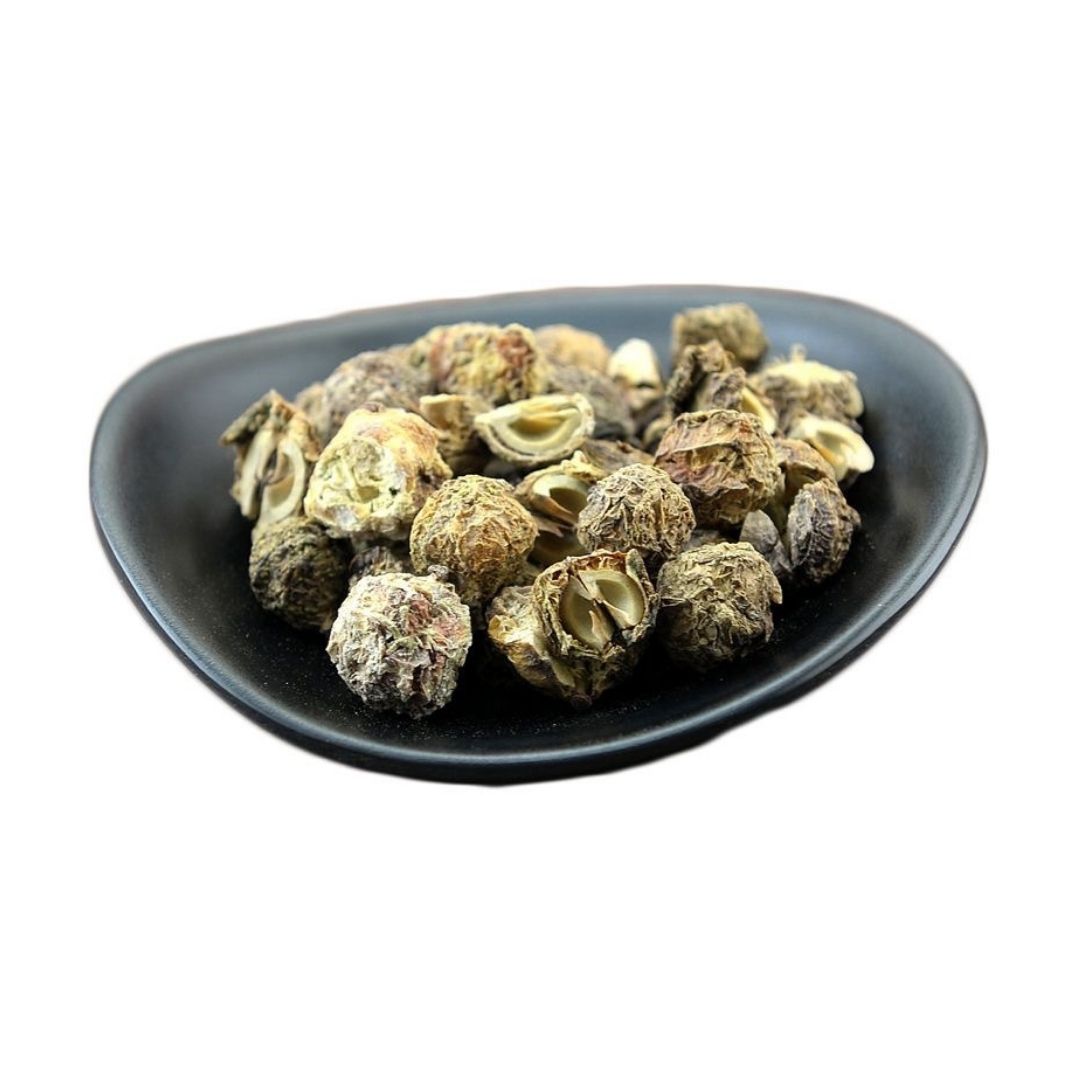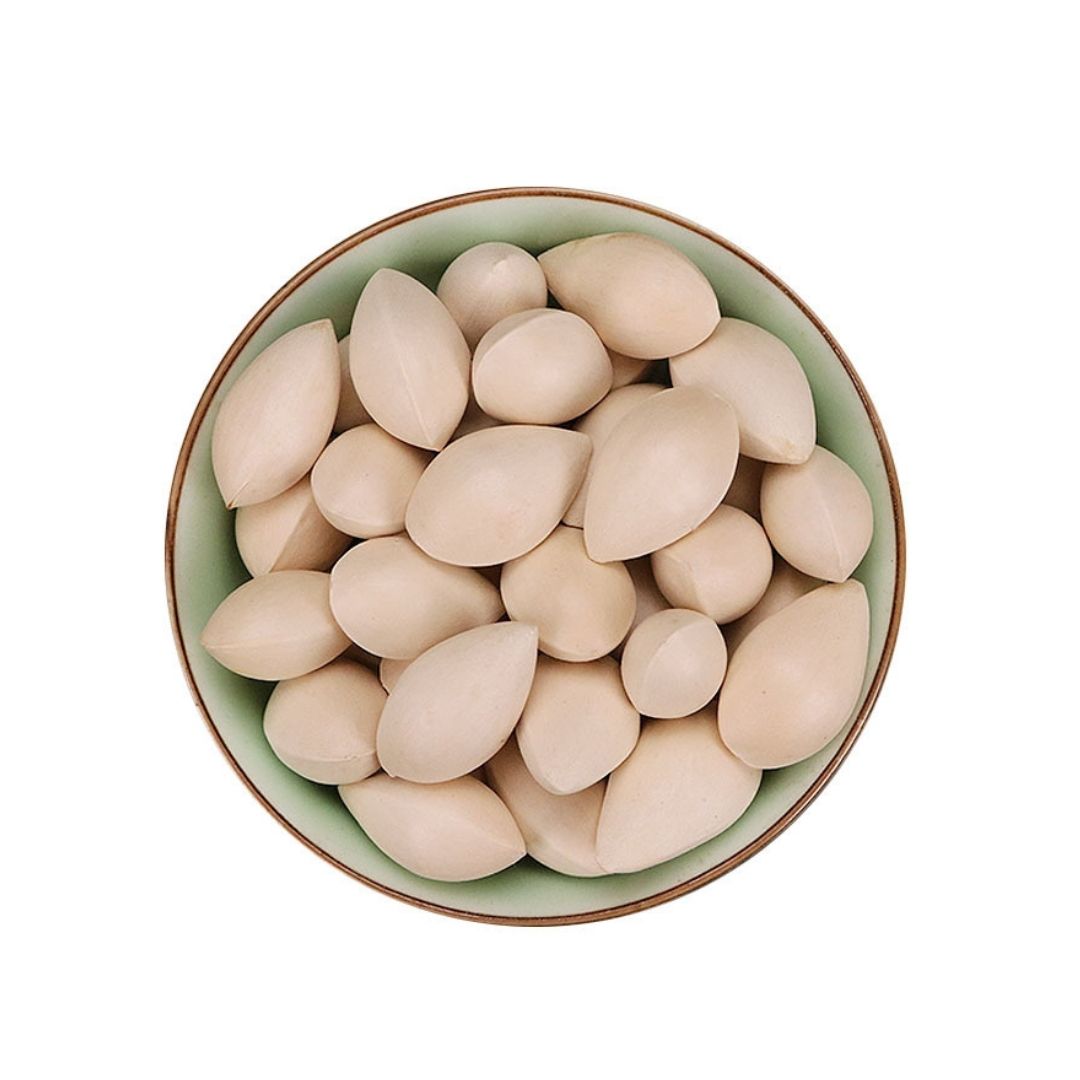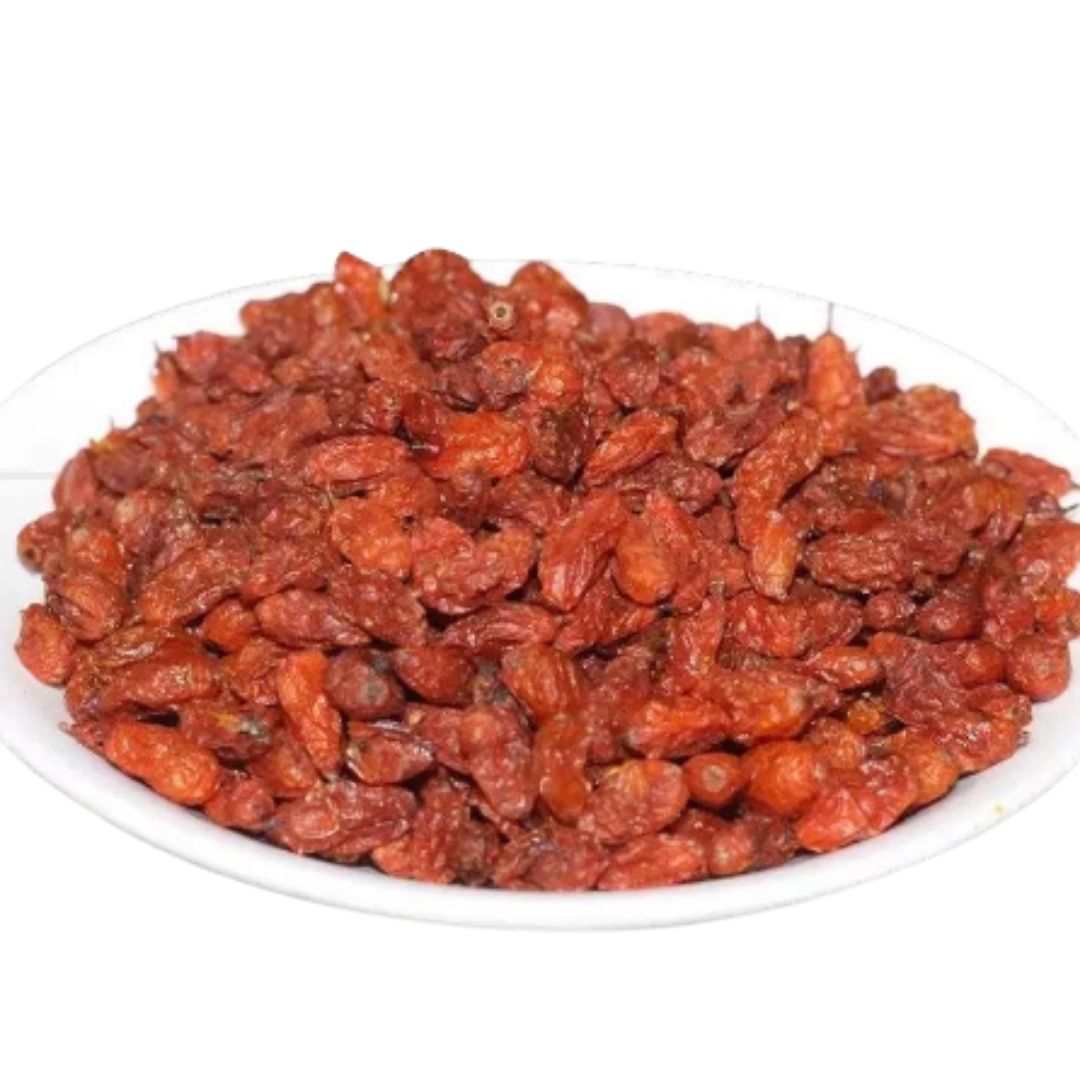


Product Introduction
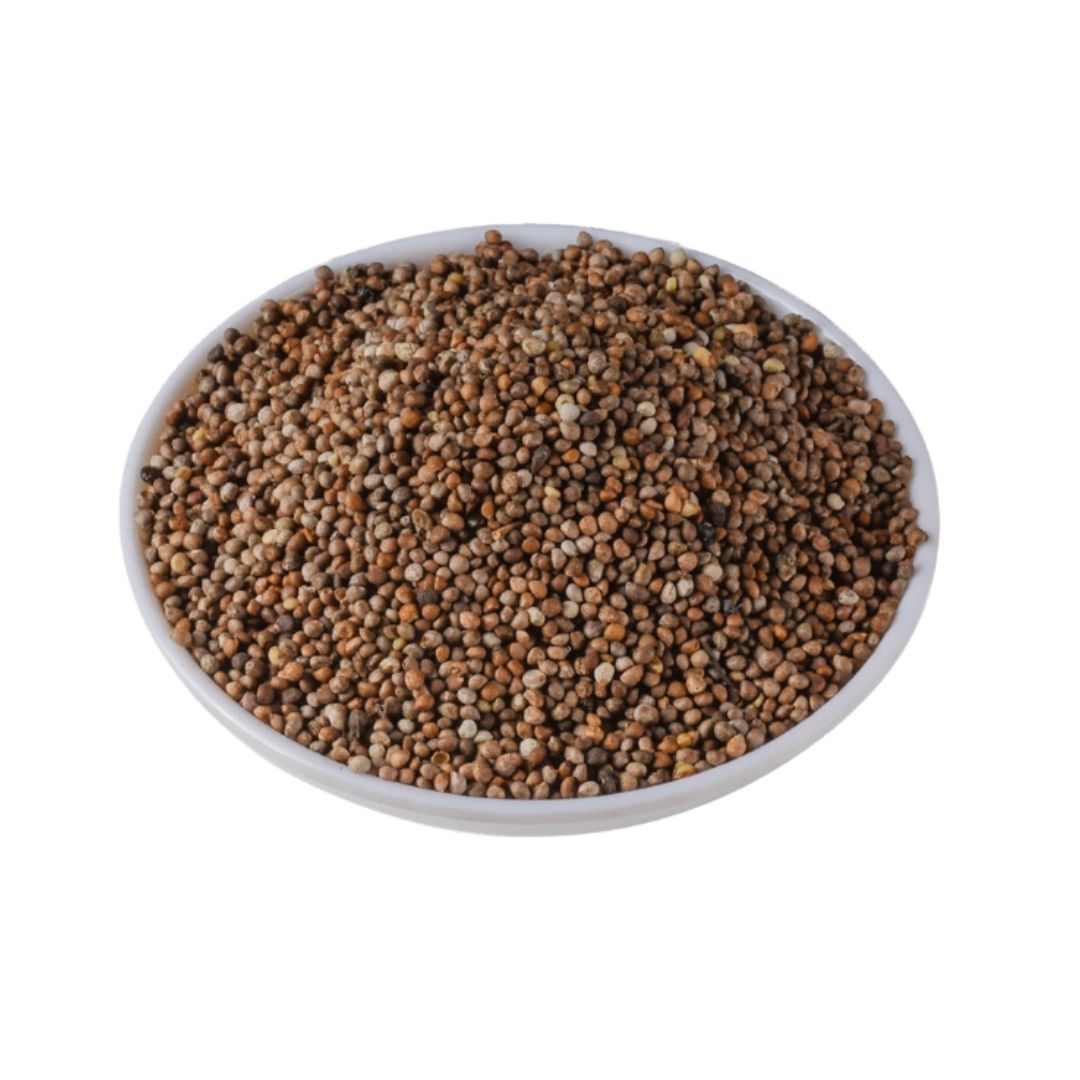
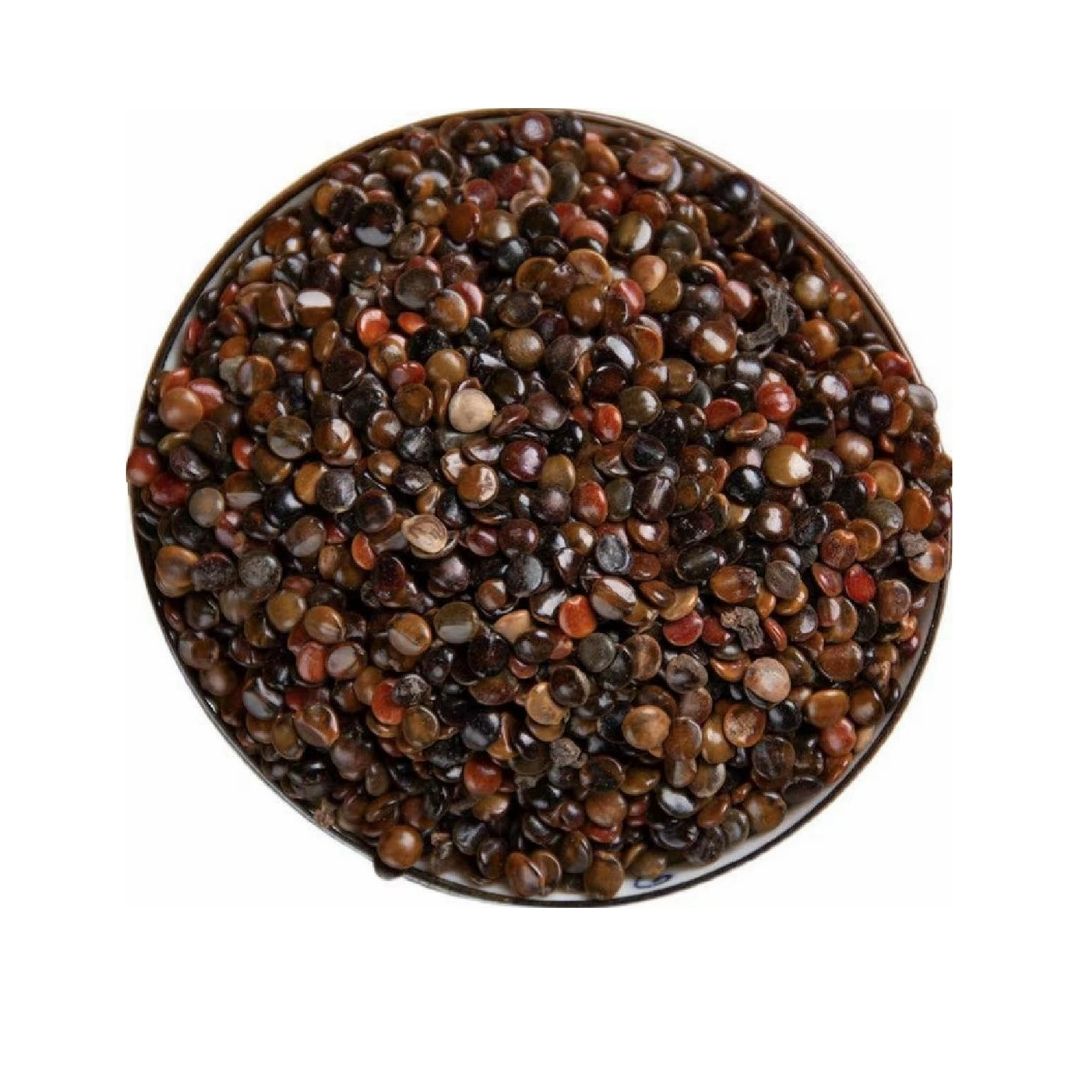
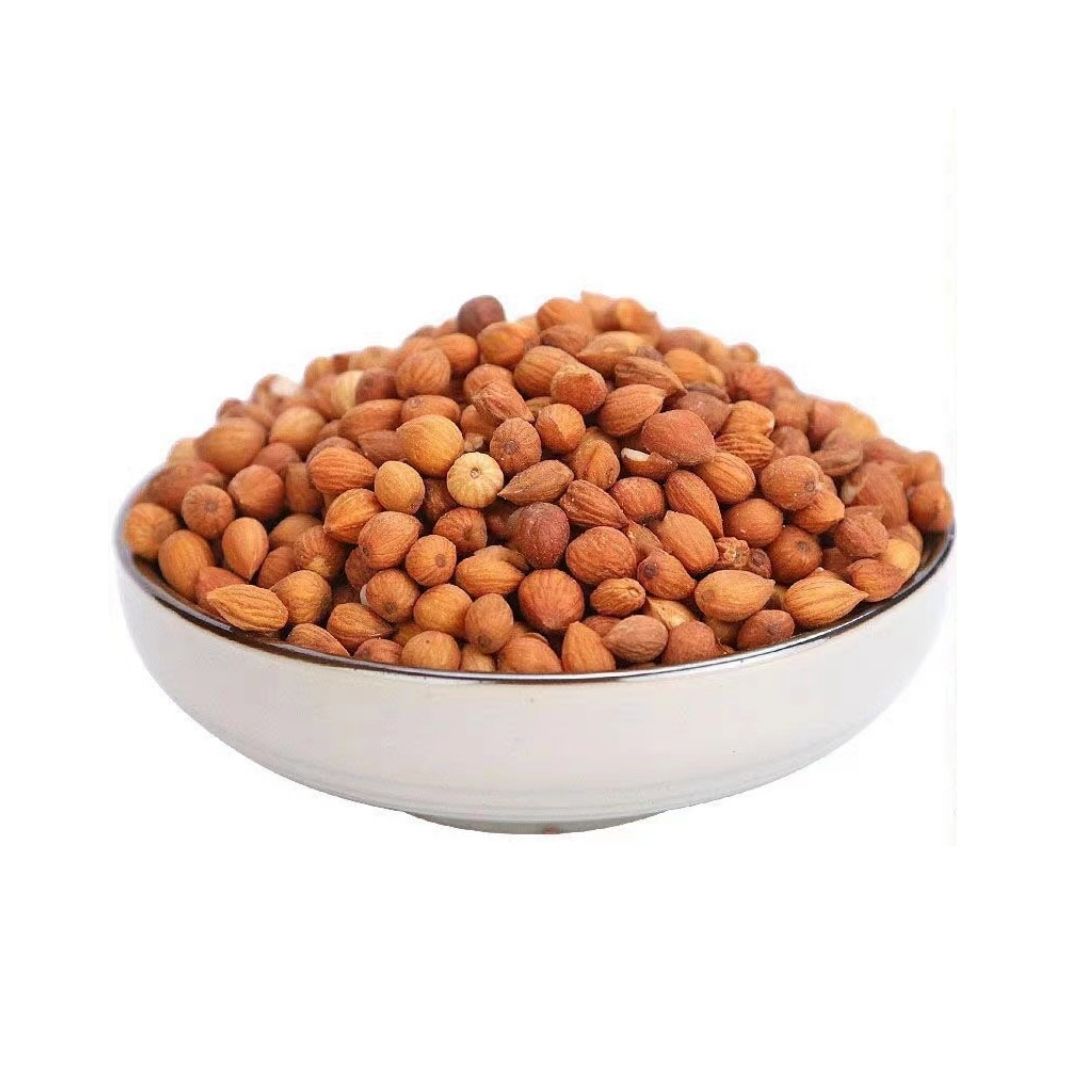
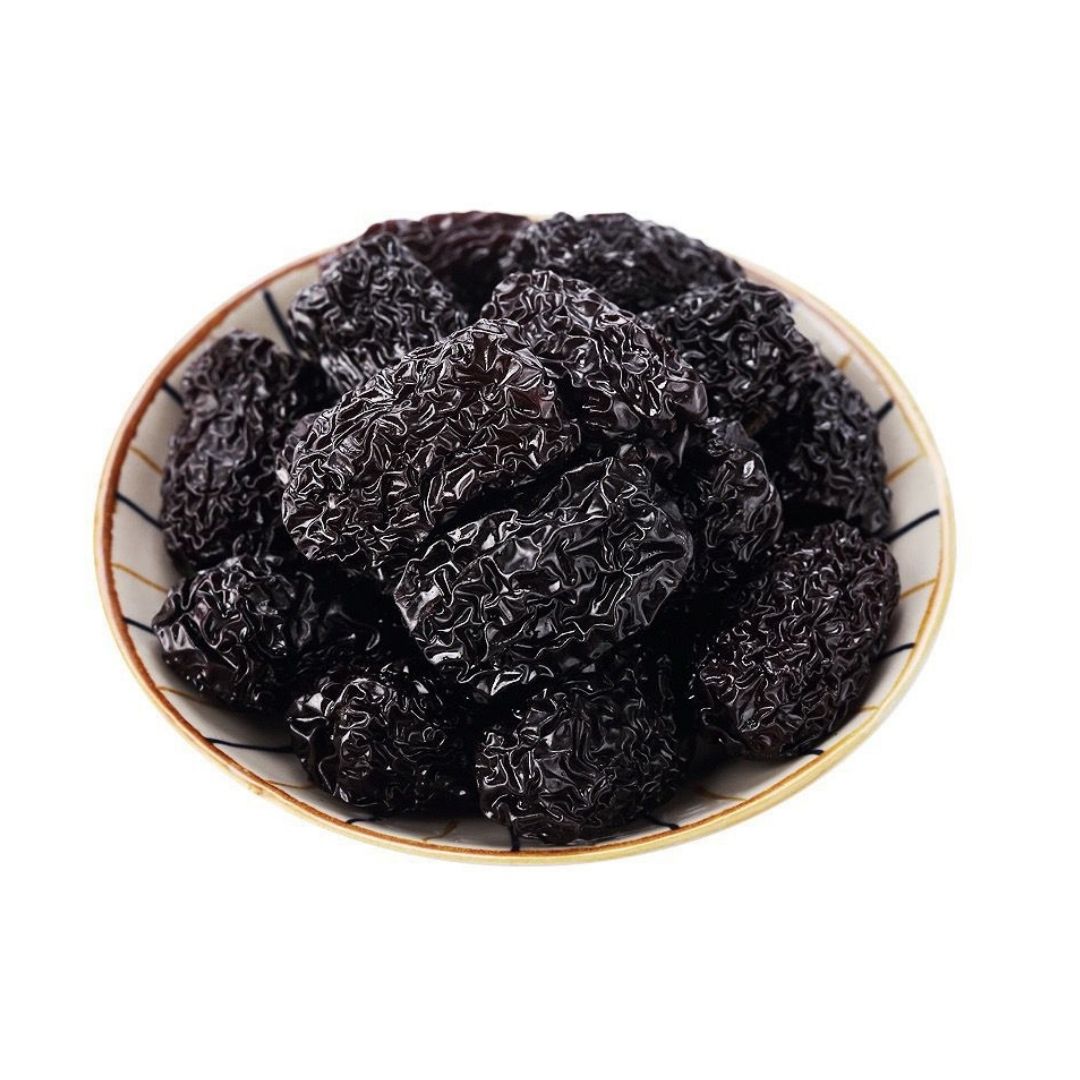
Seabuckthorn, scientifically known as Hippophae rhamnoides, is a hardy shrub that produces nutrient-rich berries. These berries have been used for centuries in traditional medicine across Europe and Asia. The plant's resilience allows it to grow in harsh conditions, such as sandy soils and high altitudes, making it a valuable resource in various environments. The berries are particularly prized for their high vitamin C content, antioxidants, and essential fatty acids, contributing to seabuckthorn’s diverse applications. Its therapeutic applications span from skin care, to digestive health, and even cardiovascular support due to the properties contained within the berries and other parts of the plant.
Main Active Ingredients
Seabuckthorn berries are rich in a variety of bioactive compounds. Vitamin C is one of the most prominent, often exceeding that found in citrus fruits. It also contains other vitamins like vitamin E, vitamin A, and various B vitamins. The berries are a source of antioxidants, including flavonoids and carotenoids, which help protect cells from damage caused by free radicals. Essential fatty acids, such as omega-3, omega-6, omega-7, and omega-9, contribute to its health benefits. These components contribute to the overall therapeutic effects of seabuckthorn.
Product Application Scenarios, Usage, and Dosage
Seabuckthorn is utilized in various forms, including oils, juices, and supplements. For skin care, seabuckthorn oil is applied topically to promote healing and reduce inflammation in conditions like eczema and acne. In traditional medicine, seabuckthorn juice is consumed to alleviate digestive issues and boost immunity. The typical dosage varies depending on the form and concentration of the product; it is best to follow the guidelines on the product label. In TCM, the dosage is usually determined by a practitioner, taking into consideration individual health conditions.
Introduction to the Source Plant, Distribution, and Growth Environment
Hippophae rhamnoides is native to Europe and Asia. It thrives in regions with sandy soils, coastal areas, and mountainous terrains. It is particularly well-adapted to cold climates, often found in areas with harsh winters and short growing seasons. The plant is a deciduous shrub, typically growing to a height of 2 to 4 meters. Its thorny branches and silvery-green leaves provide a distinctive appearance. Due to its hardy nature, seabuckthorn can prevent soil erosion and provide habitats for wildlife.
Harvesting, Processing, and Storage
The harvesting of seabuckthorn berries is a labor-intensive process, often done by hand due to the plant’s thorny nature. Berries are typically harvested in the late autumn when they reach their peak ripeness and nutrient content. After harvesting, the berries are processed to extract the oil and juice. Oil extraction methods include cold pressing and supercritical fluid extraction, which help preserve the integrity of the bioactive compounds. Once processed, seabuckthorn products should be stored in a cool, dry place, away from direct sunlight to maintain their potency and freshness. Effective storage extends the shelf life and ensures the product retains its therapeutic benefits.
Citations
- Bhardwaj, A., Sharma, A., Kumar, A., & Sharma, R. (2018). Sea buckthorn (Hippophae rhamnoides L.): A valuable resource for health and nutrition. Journal of Food Science and Technology, 55(7), 2293-2309.
- Li, T. S. C., & Beveridge, T. H. J. (2003). Sea buckthorn (Hippophae rhamnoides L.): Production and utilization. NRC Research Press.
- Roxas, S. (2024). Pharmacology of Chinese Herbs. Second Edition. CRC Press.
- Yao, Y., Tigerstedt, P. M. A., & Jones, P. (2006). Improving sea buckthorn (Hippophae rhamnoides L.) yields by selecting superior female clones. Journal of Horticultural Science & Biotechnology, 81(2), 297-302.
Mia Wu

Hi, I’m Mia Wu! I love helping customers discover the best natural ingredients for their products. With a passion for herbs, spices, and fungi, I work to make sure you get only the finest raw materials. Let's grow together! 🌱✨