

Product Introduction
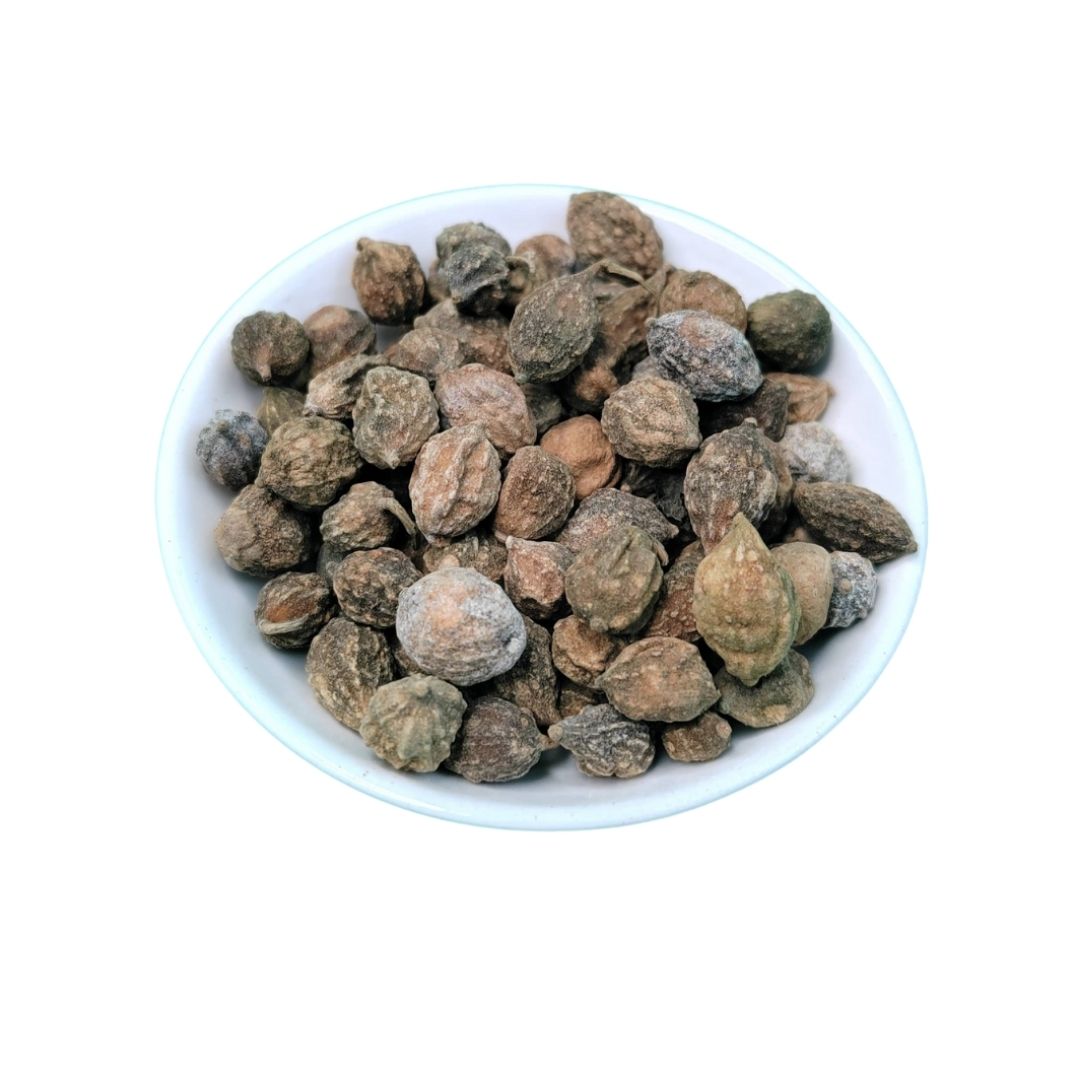
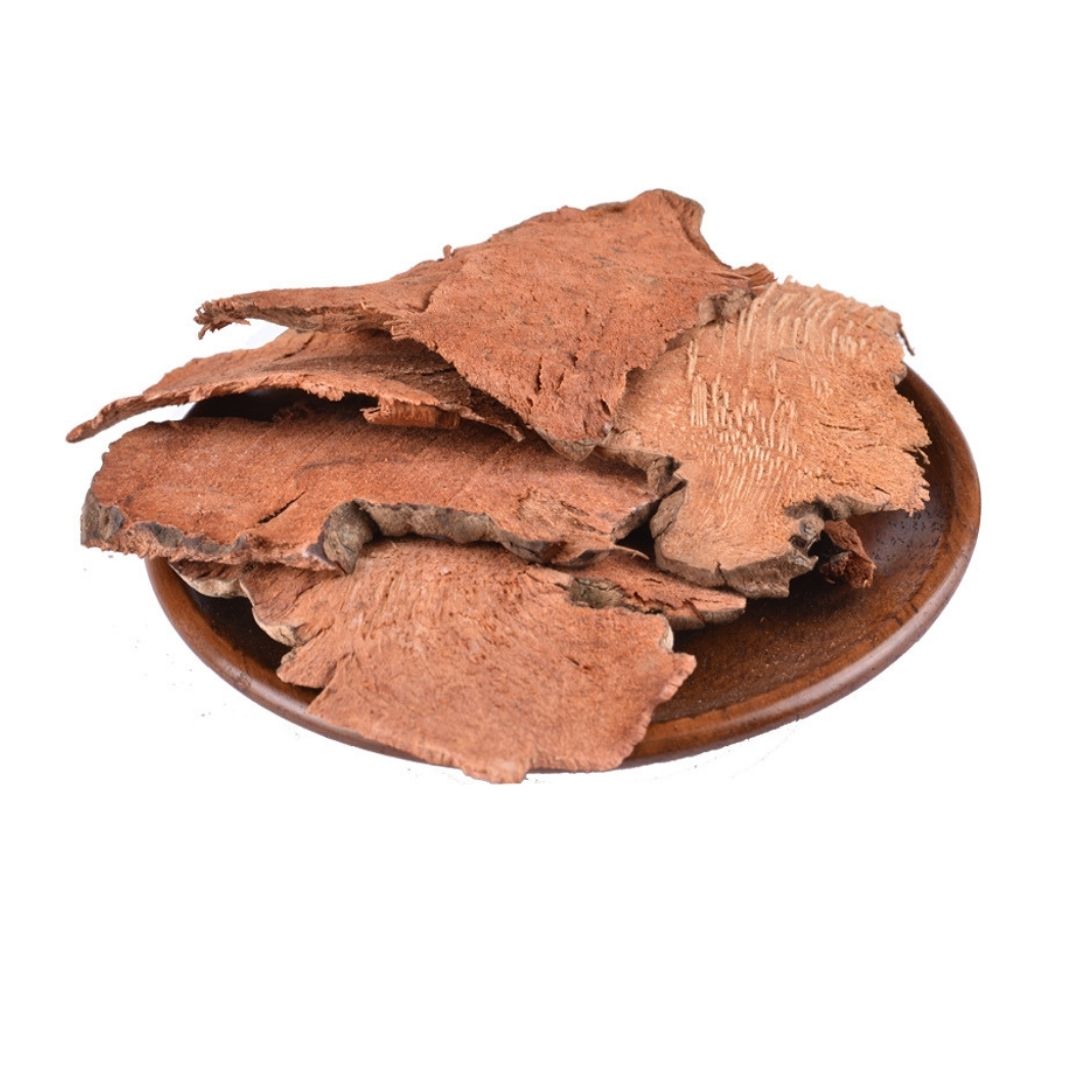
Sarsaparilla is derived from the roots of various Smilax species, primarily Smilax ornata. These plants are native to tropical regions around the world, including South America, the Caribbean, and parts of Asia. The roots, which are the economically important part of the plant, are known for their unique flavor and medicinal properties. Sarsaparilla has a long history of use in traditional medicine and is also used as a flavoring agent in the food and beverage industries.
The main components of sarsaparilla root include saponins, which contribute to its foamy characteristic when mixed with liquids, and various phytosterols, such as sarsasapogenin. These chemical constituents are thought to be responsible for many of the purported health benefits associated with sarsaparilla. The root also contains volatile oils that contribute to its characteristic aroma and flavor.
In terms of flavor, sarsaparilla is often described as having a root beer-like taste with hints of vanilla, licorice, and caramel. This flavor profile makes it a popular ingredient in beverages, particularly root beer and other soft drinks. Sarsaparilla is also used to flavor candies, desserts, and herbal teas.
Historically, sarsaparilla has been used in traditional medicine for various purposes, including treating skin conditions, acting as a diuretic, and as a general tonic. However, scientific evidence supporting these uses is limited, and more research is needed to confirm its efficacy. Today, sarsaparilla remains a popular ingredient in both the culinary and herbal medicine worlds, appreciated for its unique flavor and potential health benefits. Careful sourcing and processing are important to ensure the quality and safety of sarsaparilla products.
Aromatic Chemical Composition
The aromatic profile of sarsaparilla is complex, attributed to several volatile compounds present in its roots. Key constituents contributing to its characteristic scent include:
- β-Ionone: Responsible for floral and slightly woody nuances.
- Vanillin: Imparts a sweet, vanilla-like aroma.
- Various Terpenoids: Including caryophyllene and limonene, contributing to spicy and citrusy notes.
- Phenols: Add subtle smoky and medicinal undertones.
- Eugenol: Provides clove-like spicy scent.
What Types of Products Are Available?
Sarsaparilla is available in several forms to suit different applications:
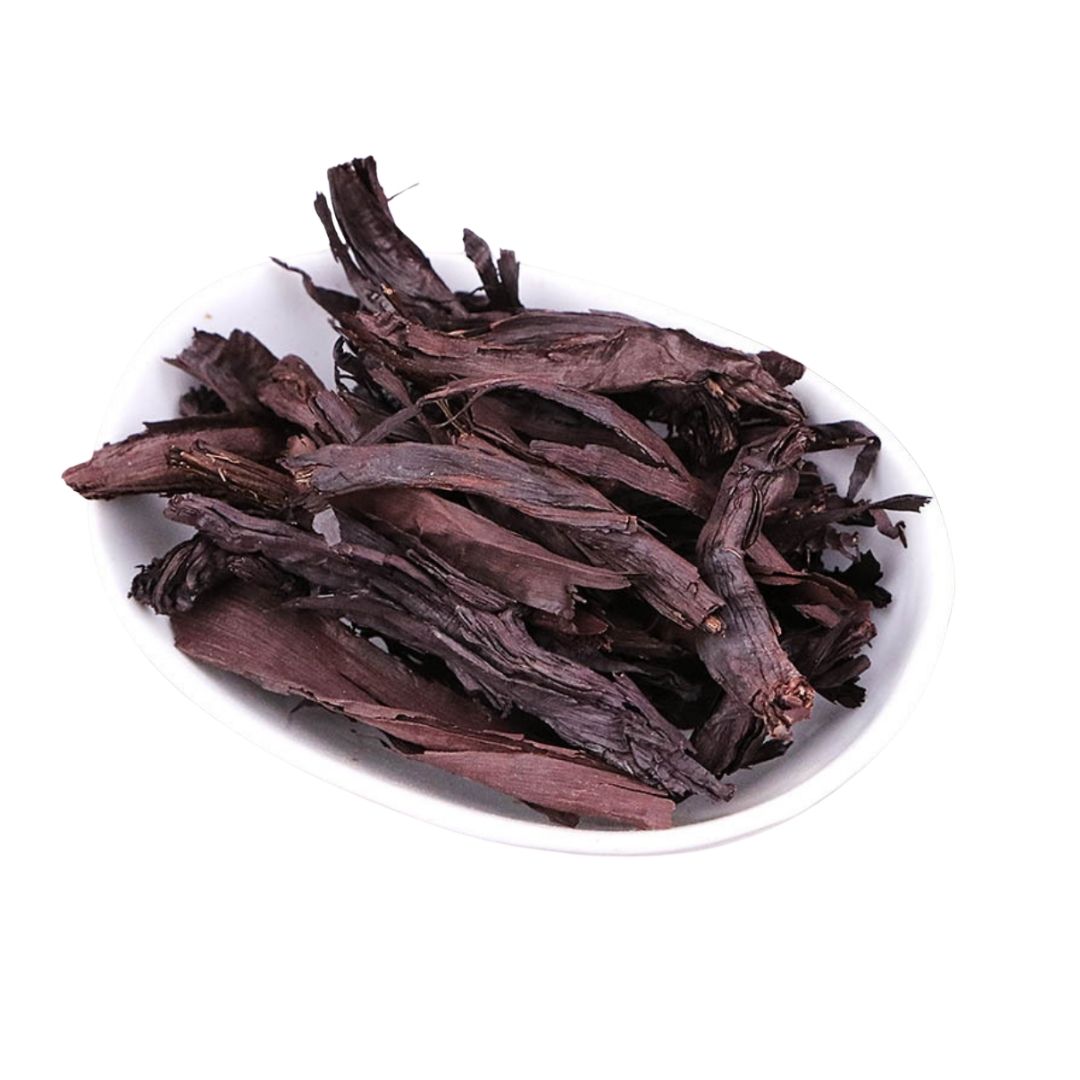
- Dried Root: Whole or cut, used for teas and decoctions.
- Powdered Sarsaparilla: Fine powder for capsules, extracts, and flavoring.
- Extracts and Tinctures: Concentrated liquid forms for beverages and supplements.
- Sarsaparilla Syrup: Sweetened syrup for drinks and desserts.
- Capsules and Tablets: Standardized doses for dietary supplements.
Application Scenarios and Usage Dosage
Sarsaparilla's unique flavor profile makes it a versatile ingredient in the culinary world, particularly in beverages and desserts. It is also used in some savory dishes to add depth and complexity.
Beverages: Sarsaparilla is most famously used as a flavoring agent in root beer. The typical usage involves extracting the flavor from the dried root through simmering or maceration. The resulting liquid is then combined with other ingredients like sugar, spices, and carbonated water to create the final beverage. For homemade root beer, a common starting point is to use about 1-2 ounces (28-56 grams) of dried sarsaparilla root per gallon of water. The mixture is simmered for 30-60 minutes to extract the flavor compounds. The dosage can be adjusted based on personal preference and the desired intensity of the sarsaparilla flavor. In commercially produced root beer, sarsaparilla extract is often used to ensure consistent flavor and quality.
Desserts: Sarsaparilla can be incorporated into desserts such as ice cream, candies, and baked goods. In ice cream, a sarsaparilla-infused syrup can be added to the ice cream base before churning. The syrup is typically made by simmering sarsaparilla root with water and sugar to create a concentrated flavoring agent. A general guideline is to use about 1-2 tablespoons (15-30 ml) of the syrup per quart of ice cream base. In candies and baked goods, powdered sarsaparilla can be added directly to the recipe. It is important to start with a small amount, such as 1/2 to 1 teaspoon (1-2 grams) per batch, as the flavor can be quite potent. The dosage can then be adjusted based on taste.
Savory Dishes: While less common, sarsaparilla can be used to add complexity to savory dishes, particularly sauces and marinades for grilled meats. The root's slightly bitter and earthy notes can complement the richness of the meat. In marinades, a sarsaparilla-infused liquid can be created by simmering the root with other ingredients like soy sauce, garlic, and ginger. The meat is then marinated in the mixture for several hours before grilling. A typical marinade might include about 1-2 tablespoons (15-30 ml) of the sarsaparilla-infused liquid per pound of meat. In sauces, powdered sarsaparilla can be added to enhance the flavor. A small amount, such as 1/4 to 1/2 teaspoon (0.5-1 gram) per cup of sauce, is usually sufficient.
When using sarsaparilla, it is important to consider the quality of the product. Freshly dried roots will generally have a stronger flavor than older ones. Also, it is important to source sarsaparilla from reputable suppliers to ensure that it is free from contaminants. The flavor of sarsaparilla can vary depending on the species of Smilax used and the growing conditions. Experimentation with different dosages and preparation methods can help to achieve the desired flavor profile.
Introduction to the Source Plant, Distribution, and Growing Environment
Smilax ornata, the primary source of sarsaparilla, is a climbing vine belonging to the Smilacaceae family. These plants are native to tropical regions, where they thrive in warm, humid environments.
The distribution of Smilax species is widespread, covering areas in Central and South America, the Caribbean, and parts of Asia. These vines are often found in forests and along riverbanks, where they can climb on trees and other vegetation. They prefer well-drained soils and partial shade, though they can tolerate a range of growing conditions.
The plants are characterized by their tough, woody stems and broad leaves. They also produce small, greenish flowers and berries. The roots, which are the valuable part of the plant, are thick and fleshy.
Harvesting, Processing, and Storage Preservation
Harvesting: Sarsaparilla roots are typically harvested from mature plants, usually after 3-4 years of growth. The roots are carefully dug up from the soil, ensuring minimal damage. Harvesting is often done during the dry season when the roots are easier to extract and contain a higher concentration of desirable compounds.
Processing: After harvesting, the roots are thoroughly cleaned to remove any dirt or debris. They are then sliced or shredded to increase the surface area for drying. The drying process is crucial for preserving the quality and flavor of the sarsaparilla. Traditionally, the roots are sun-dried, but modern methods include using dehydrators or low-temperature ovens to control the drying process more precisely. The roots are dried until they reach a moisture content of around 10-12%, which inhibits microbial growth and prevents spoilage.
Storage Preservation: Dried sarsaparilla roots should be stored in a cool, dry place in airtight containers. Exposure to moisture, heat, and light can degrade the quality and flavor of the roots. Proper storage can extend the shelf life of sarsaparilla for up to two years or more. Periodic inspection of the stored roots is recommended to check for any signs of mold or deterioration. If powdered sarsaparilla is preferred, the dried roots can be ground into a fine powder using a commercial grinder. The powder should also be stored in airtight containers in a cool, dry place.
Citations
- Arvigo, R., & Balick, M. J. (1993). Rainforest remedies: One hundred healing herbs of Belize. Lotus Press.
- Duke, J. A. (2002). Handbook of medicinal herbs. CRC press.
- Williamson, E. M. (2002). Major herbs of Ayurveda. Churchill Livingstone.
- Gruenwald, J., Brendler, T., & Jaenicke, C. (2007). PDR for herbal medicines. Thomson Healthcare.
Mia Wu

Hi, I’m Mia Wu! I love helping customers discover the best natural ingredients for their products. With a passion for herbs, spices, and fungi, I work to make sure you get only the finest raw materials. Let's grow together! 🌱✨