

Product Introduction
Salvia officinalis, commonly known as sage, is a perennial evergreen subshrub characterized by its grayish-green leaves and woody stems. Native to the Mediterranean region, sage has been used for centuries as both a culinary herb and a medicinal remedy. The plant belongs to the Lamiaceae family, which also includes other aromatic herbs such as mint and rosemary.
The flavor profile of sage is distinctive, featuring an earthy, slightly peppery taste with hints of mint and lemon. This complexity makes it a versatile ingredient in various culinary applications. Sage is often used to season meats, particularly poultry and pork, as well as in stuffings, sausages, and sauces. Its robust flavor complements rich, fatty dishes, providing a balancing aroma that enhances the overall taste experience.
Beyond its culinary uses, sage has a long history of medicinal applications. It contains several active compounds, including essential oils and antioxidants, which contribute to its therapeutic properties. Traditionally, sage has been used to treat a variety of ailments, from digestive issues to memory enhancement. The herb's anti-inflammatory and antimicrobial properties also make it a valuable ingredient in traditional medicine.
The cultivation of sage has spread beyond its native Mediterranean region, with the herb now grown in various parts of the world. Different varieties of sage exist, each with slightly different flavor profiles and chemical compositions. However, Salvia officinalis remains the most widely used and recognized species. Proper storage of dried sage, in an airtight container and away from direct light and heat, is essential to preserve its flavor and potency, ensuring it remains a valuable addition to both the kitchen and the medicine cabinet.
Aromatic Chemical Composition
The aromatic profile of sage is primarily attributed to its essential oils, which include:
- Thujone: A ketone with a strong, camphoraceous odor. Thujone is a significant component contributing to sage's distinctive aroma, and it is found in varying concentrations depending on the sage variety and growing conditions.
- Camphor: Known for its pungent, aromatic, and slightly cooling scent. Camphor adds a medicinal and refreshing aspect to sage's overall fragrance.
- Cineole (Eucalyptol): Provides a fresh, eucalyptus-like aroma. Cineole contributes to the herbaceous and slightly medicinal character of sage.
- Borneol: Offers a woody, pine-like scent. Borneol adds a grounding, earthy note to the aromatic complexity of sage.
- Rosmarinic Acid: While not volatile, rosmarinic acid is a phenolic compound present in sage that contributes to its antioxidant properties and may indirectly influence the overall aroma by preventing degradation of other volatile compounds.
What Types of Products Are Available?
Sage is available in several forms to suit different culinary and medicinal needs:
- Fresh Sage: The whole leaves are used for immediate cooking. They are best used when their flavors can be directly infused into dishes.
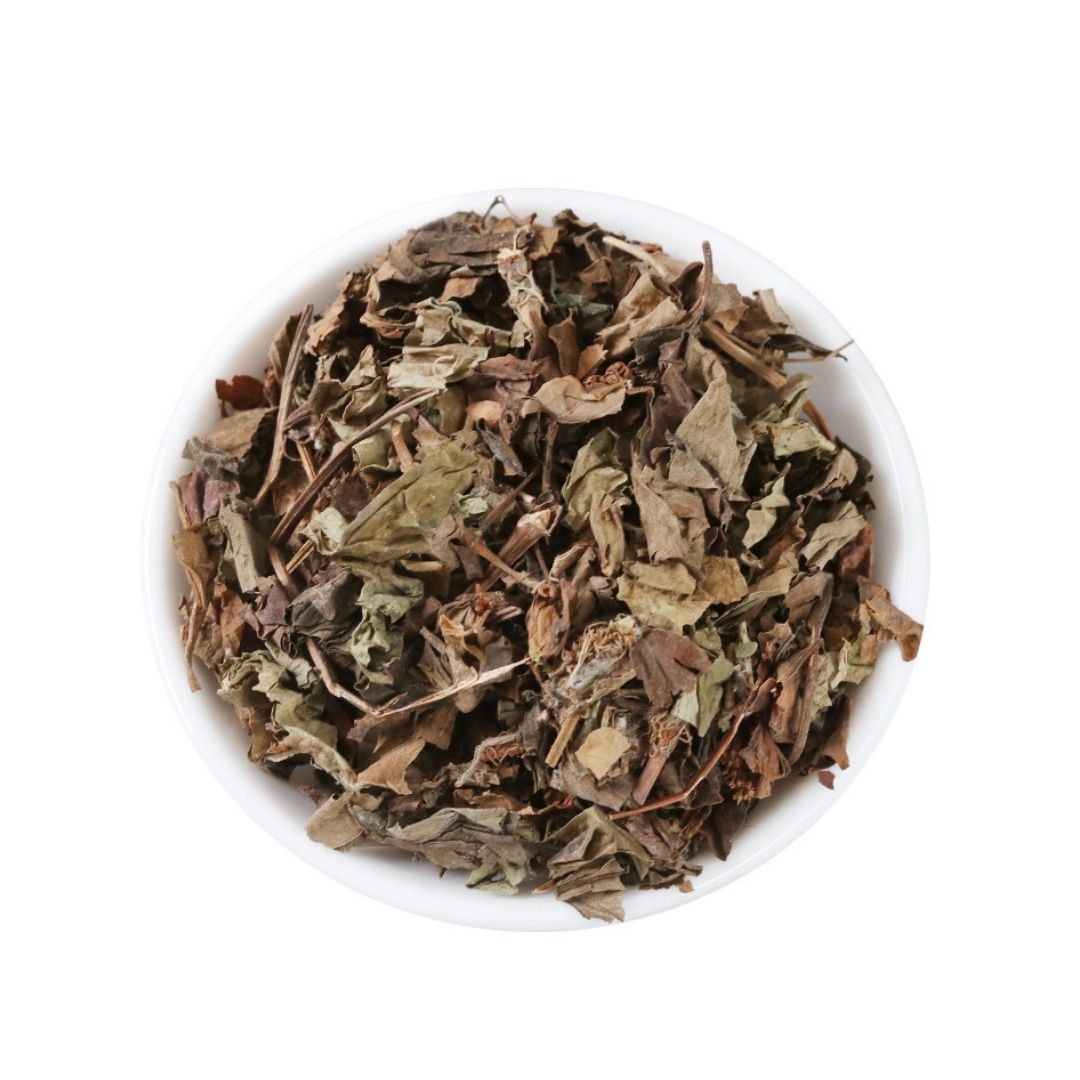
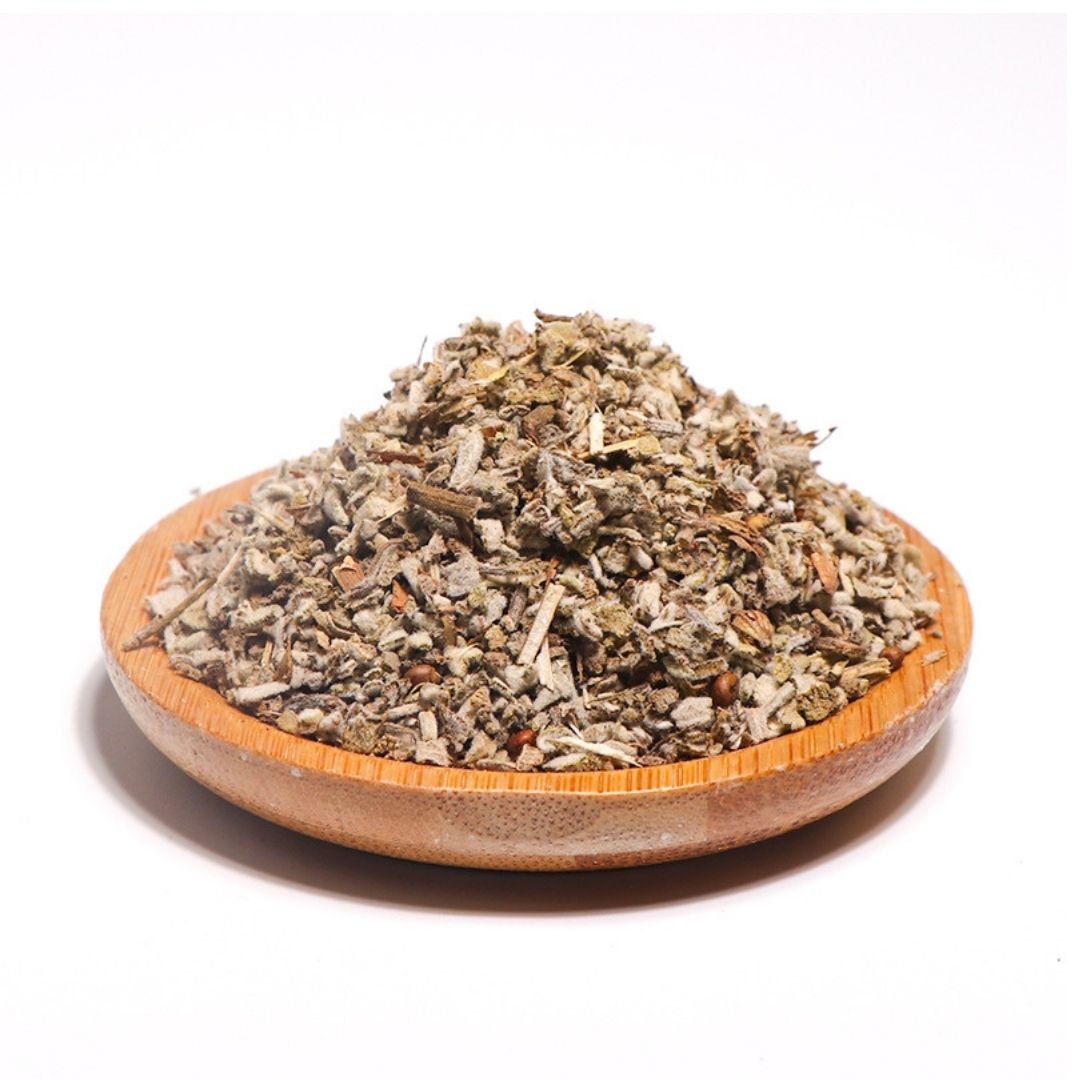
- Dried Sage: Commonly sold in ground, rubbed, or whole leaf form. Drying concentrates the flavor, making it more potent than fresh sage.
- Sage Essential Oil: Extracted through steam distillation, used in aromatherapy, flavoring, and traditional medicine. The oil contains a high concentration of sage's aromatic compounds.
- Sage Extract: An alcohol or water-based extract that concentrates the herb's flavor and medicinal properties.
- Sage Supplements: Available in capsule or tablet form, often used for health benefits attributed to sage, such as cognitive support and menopausal symptom relief.
Application Scenarios and Usage Dosage
In culinary applications, sage is versatile and can be used in a variety of dishes, providing a distinctive savory flavor. It pairs well with rich and fatty foods, helping to balance their richness with its earthy and slightly peppery notes.
- Meats: Sage is commonly used to season meats such as pork, poultry, and beef. For roasted pork or chicken, rub fresh or dried sage leaves directly onto the meat before cooking. A typical dosage is about 1-2 teaspoons of dried sage or 1-2 tablespoons of fresh sage per kilogram of meat. The herb's flavor infuses into the meat during the cooking process, adding depth and complexity.
- Stuffings: Sage is a classic ingredient in stuffings, particularly for poultry. It combines well with breadcrumbs, onions, celery, and other herbs to create a flavorful filling. Use approximately 2-3 teaspoons of dried sage or 2-3 tablespoons of fresh sage per loaf of bread in the stuffing mixture. The sage contributes to the stuffing's aromatic profile, enhancing its overall taste.
- Sausages: Sage is frequently used in sausage making, adding a distinctive flavor that complements the meat. Mix dried sage into the ground meat mixture along with other spices such as black pepper, nutmeg, and marjoram. A dosage of 1-2 teaspoons of dried sage per kilogram of meat is generally recommended. The sage imparts a savory and slightly peppery flavor to the sausage.
- Sauces: Sage can be used to flavor sauces, particularly those served with pasta or gnocchi. Brown butter sage sauce is a simple yet elegant sauce made by melting butter and adding fresh sage leaves. The sage infuses its flavor into the butter, creating a rich and aromatic sauce. Use about 1/4 cup of fresh sage leaves per 1/2 cup of butter. This sauce is often served with pasta, gnocchi, or ravioli, providing a flavorful and comforting dish.
- Soups and stews: Add sage to soups and stews for an earthy flavor. It pairs well with bean soups, lentil soups, and vegetable stews. Use 1-2 teaspoons of dried sage or 1-2 tablespoons of fresh sage per pot of soup or stew. The sage adds depth and complexity to the overall flavor profile of the dish.
- Infused Oils and Vinegars: Sage can be used to infuse oils and vinegars, creating flavorful condiments for salads, marinades, and dressings. Add fresh sage leaves to olive oil or vinegar and let it steep for several weeks to allow the flavor to infuse. Use about 1/4 cup of fresh sage leaves per cup of oil or vinegar. The infused oil or vinegar can then be used to add a touch of sage flavor to various dishes.
When using sage, it's important to note that its flavor can be quite strong and can easily overpower other ingredients if used in excess. Start with a small amount and adjust to taste. Fresh sage has a milder flavor than dried sage, so you may need to use more fresh sage to achieve the desired flavor intensity.
Introduction to the Source Plant, Distribution, and Growing Environment
Salvia officinalis is a perennial plant native to the Mediterranean region, particularly the northern Mediterranean coast. It has been cultivated for centuries for its culinary and medicinal properties. The plant typically grows to a height of about 60 cm (2 feet) and features grayish-green, lance-shaped leaves that are about 2.5 cm (1 inch) long. The leaves are slightly fuzzy due to the presence of fine hairs, and they have a distinctive aroma when crushed.
Sage thrives in well-drained soil and full sun. It is drought-tolerant and prefers a slightly alkaline soil pH. The plant is hardy and can withstand cold temperatures, although it may require protection in regions with harsh winters. Sage is commonly grown in herb gardens, both for its culinary and ornamental value.
The distribution of sage has expanded beyond its native Mediterranean region due to its popularity and ease of cultivation. It is now grown in various parts of Europe, North America, and Asia. Commercial cultivation of sage occurs in countries such as Albania, Italy, and the United States. In addition to cultivated sage, the plant can also be found growing wild in some regions.
Harvesting, Processing, and Storage Preservation
Harvesting sage typically occurs in the late spring or early summer, when the plant is in full leaf and the essential oil content is at its peak. The leaves can be harvested multiple times during the growing season. To harvest sage, simply cut the stems just above a leaf node, using sharp scissors or pruning shears.
After harvesting, the sage leaves can be used fresh or dried for later use. To dry sage, tie the stems together in small bundles and hang them upside down in a cool, dry, and well-ventilated place. Alternatively, the leaves can be spread out on a screen or tray and allowed to air dry. Drying typically takes about 1-2 weeks, depending on the humidity and temperature.
Once the sage leaves are completely dry, they can be stored in an airtight container in a cool, dark, and dry place. Properly stored dried sage can retain its flavor and aroma for up to one year. It is important to protect the dried sage from moisture and light, as these can degrade the herb's quality.
In addition to drying, sage can also be processed into essential oil through steam distillation. The essential oil is extracted from the leaves and stems of the plant using steam. The resulting oil is highly concentrated and contains the characteristic aroma and flavor of sage. Sage essential oil is used in aromatherapy, flavoring, and traditional medicine.
Citations
- Oktay, M., Küfrevioğlu, Ö. İ., Erdoğan, Ş., & Büyükboyacı, M. (2006). Antioxidant and antimicrobial activities of polyphenol extracts of Vitis vinifera L. leaves. Food Chemistry, 97(3), 502-509.
- Turek, C., & Stintzing, F. C. (2013). Stability of bioactive compounds in herbs and spices during processing. Trends in Food Science & Technology, 33(2), 159-171.
- Ghasemzadeh, A., Jaafar, H. Z., Rahmat, A., & De Witt, Y. B. (2010). Antioxidant constituents and activities in different varieties of ginger (Zingiber officinale Roscoe). Molecules, 15(10), 7432-7448.
- Rašković, A., Milanović, I., Pavlović, N., Ćirić, M., Stanković, M., Mihailović, V., & Golubović, S. (2014). Antioxidant activity of rosemary (Rosmarinus officinalis L.) essential oil and its hepatoprotective potential. BMC Complementary and Alternative Medicine, 14(1), 225.
- Lucci, A., Pacetti, D., Frega, N. G., Caboni, M. F., & Parenti, A. (2015). Characterisation of volatile and semi‐volatile compounds of different sage species (Salvia officinalis L., S. fruticosa Mill., and S. triloba L. f.) by HS–SPME–GC–MS. Journal of the Science of Food and Agriculture, 95(13), 2718-2726.
Mia Wu

Hi, I’m Mia Wu! I love helping customers discover the best natural ingredients for their products. With a passion for herbs, spices, and fungi, I work to make sure you get only the finest raw materials. Let's grow together! 🌱✨