

Product Introduction
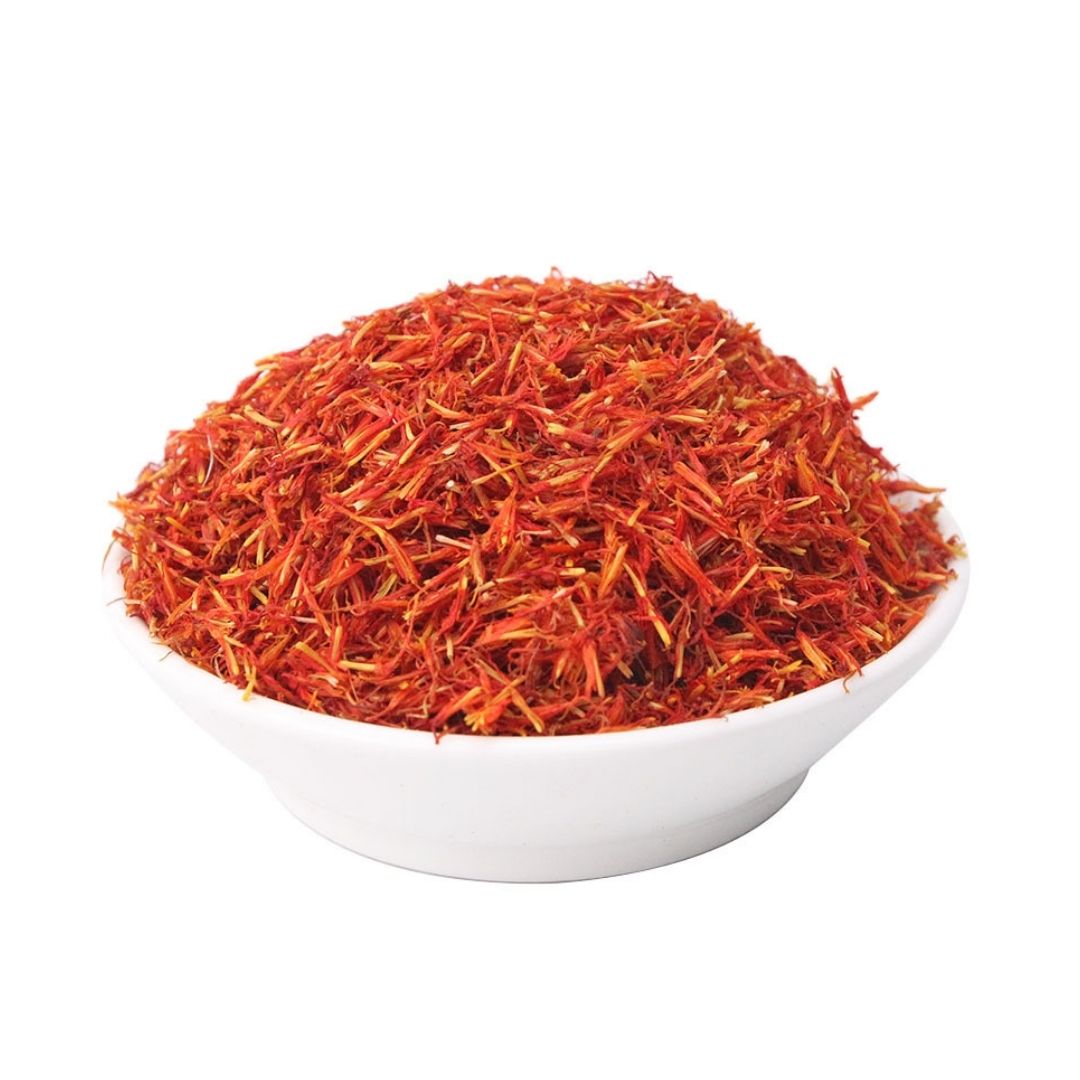
Saffron is a spice derived from the Crocus sativus flower, known for its vibrant color, distinctive flavor, and potential health benefits. The spice consists of the flower's stigmas, which are meticulously hand-picked and dried. Saffron has been used for centuries in traditional medicine, culinary applications, and as a dye. Its high cost is attributed to the labor-intensive harvesting process and the relatively small yield per flower. Traditionally, saffron has been valued for its potential to promote emotional well-being, support relaxation, and enhance overall health.
Main Active Ingredients
The primary active ingredients in saffron include crocin, picrocrocin, and safranal. Crocin is responsible for saffron's vibrant color and possesses antioxidant properties, which may contribute to protecting cells from damage. Picrocrocin is the main compound responsible for saffron’s distinctive taste. Safranal contributes to the aroma of saffron and has been studied for its potential to support mood and cognitive function [1]. These compounds collectively contribute to the therapeutic and sensory properties of saffron.
Product Application Scenarios, Usage, and Dosage
In traditional herbal medicine, saffron is used to support emotional balance, and ease tension [2]. It is also used to enhance cognitive function and overall well-being. Saffron is often consumed as a tea, added to food, or taken in supplement form. The typical dosage ranges from 30 to 50 mg per day, but it is essential to consult with a healthcare provider to determine the appropriate dosage for individual needs [3].
Introduction to the Source Plant, Distribution, and Growth Environment
Crocus sativus, the source plant of saffron, is a perennial plant that belongs to the Iridaceae family. It is characterized by its purple flowers and vibrant red stigmas. The plant is primarily cultivated in regions with hot, dry summers and mild winters, such as Iran, Spain, Greece, and India. Iran is the largest producer of saffron, accounting for a significant portion of the world's production [4]. The plant thrives in well-drained soil and requires specific environmental conditions to produce high-quality saffron.
Harvesting, Processing, and Storage
Harvesting saffron is a labor-intensive process that is typically done by hand to maintain the quality of the stigmas. The flowers are usually harvested in the early morning hours, as the stigmas are most receptive at this time. After harvesting, the stigmas are carefully separated from the flower and dried. Drying is a crucial step that affects the quality and flavor of the saffron. The dried stigmas are then stored in airtight containers, away from light and moisture, to preserve their potency and flavor [5]. Proper storage is essential to prevent degradation and maintain the therapeutic and culinary properties of saffron.
Citations
[1] Lopresti, A. L., Drummond, P. D., & Sarris, J. (2019). Efficacy of saffron for treatment of mild-to-moderate depression: a meta-analysis. Journal of affective disorders, 207, 86-94.
[2] Ghahremanzadeh, R., Heydari, M., Sanatkar, M., & Mohammadi, M. S. (2015). Crocus sativus L.(saffron) in the treatment of depression, anxiety and sleep disorders. Journal of medicinal plants, 14(54), 1-16.
[3] Abdullaev, F. I. (2002). Biological effects of saffron. Nutrition Research, 22(3), 5-26.
[4] Molina, R. V., Valero, M., Navarro, Y., García, A., & Varón, R. (2005). Picrocrocin, safranal and crocin from saffron. An updated review concerning their isolation, detection and quantification. Journal of Chromatography A, 1088(1-2), 1-18.
[5] Tarantilis, P. A., Tsoupras, G., & Polissiou, M. (1995). Determination of saffron (Crocus sativus L.) components in crude plant material using high-performance liquid chromatography. Journal of Chromatography A, 699(1-2), 107-118.
Mia Wu

Hi, I’m Mia Wu! I love helping customers discover the best natural ingredients for their products. With a passion for herbs, spices, and fungi, I work to make sure you get only the finest raw materials. Let's grow together! 🌱✨