

Product Introduction
Rosemary, scientifically known as Salvia rosmarinus, is an aromatic evergreen shrub belonging to the Lamiaceae family, which includes mints. The plant is native to the Mediterranean region but is now cultivated worldwide due to its versatile applications. Rosemary is characterized by its needle-like leaves and woody stems; both fresh and dried leaves are commonly used as a flavoring agent in various cuisines.
The primary components that contribute to rosemary's distinctive flavor and aroma are its essential oils, which include compounds such as rosmarinic acid, camphor, cineole, and alpha-pinene. These compounds not only give rosemary its characteristic scent but also contribute to its antioxidant and anti-inflammatory properties. The plant's chemical composition makes it a valuable ingredient in both culinary and medicinal applications.
Rosemary has been used for centuries in traditional medicine for its potential health benefits, including improving memory and concentration, supporting the immune system, and reducing inflammation. The plant also holds cultural significance in many societies and is often associated with remembrance and fidelity. In the culinary world, rosemary is commonly used to flavor meats, poultry, seafood, vegetables, and baked goods. It pairs well with olive oil, garlic, and lemon, enhancing the flavor profiles of a wide range of dishes. Its robust flavor can withstand long cooking times, making it suitable for slow-cooked meals and marinades.
Aromatic Chemical Composition:
The aromatic profile of rosemary is largely attributed to its volatile oil content, which is a complex mixture of several chemical compounds. Key among these are:
- Rosmarinic Acid: This is a naturally occurring phenolic acid with antioxidant, anti-inflammatory, and antimicrobial properties. It contributes to the overall health benefits associated with rosemary consumption [1].
- Camphor: This compound provides a characteristic pungent and penetrating aroma. Camphor is also known for its medicinal properties, including use as a topical analgesic and decongestant [2].
- Cineole (Eucalyptol): A major component of rosemary essential oil, contributing a fresh, camphoraceous, and slightly cooling aroma. Cineole is known for its expectorant and anti-inflammatory effects [3].
- Alpha-Pinene: This terpene provides a piney, woody aroma and is also found in pine trees and other conifers. Alpha-pinene has been studied for its potential bronchodilator, anti-inflammatory, and antimicrobial activities [4].
- Other Terpenes: Besides alpha-pinene, rosemary contains other terpenes such as beta-pinene, limonene, and borneol, which contribute to the complexity of its aroma [5].
What Types of Products Are Available?
Rosemary is available in several forms to suit various applications:
- Fresh Rosemary: Fresh sprigs or leaves offer the most potent flavor and aroma. These are ideal for direct use in cooking or as a garnish.
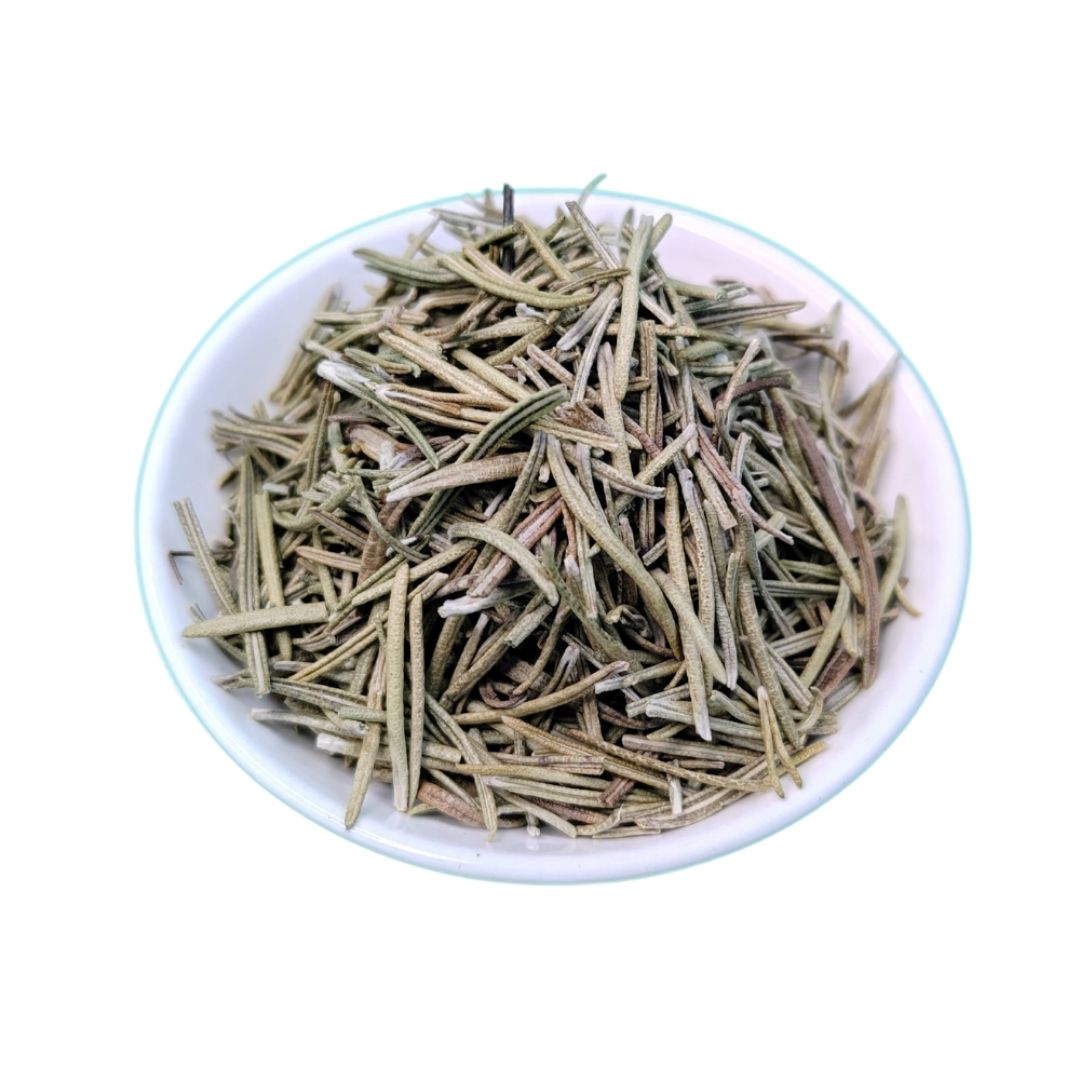
- Dried Rosemary: Available as whole dried leaves or ground rosemary powder. Drying concentrates the flavor, so less is needed compared to fresh rosemary.
- Rosemary Essential Oil: A concentrated extract of rosemary's volatile compounds. It's used in aromatherapy, cosmetics, and sometimes as a flavoring agent in the food industry, though it must be used with caution due to its high concentration [6].
- Rosemary Extract: A water or solvent-based extract that captures the plant's bioactive compounds. It is often used as a natural antioxidant in food products to extend shelf life [7].
- Rosemary-Infused Oil: Vegetable oils infused with rosemary leaves, imparting the herb's flavor and aroma. These are often used for drizzling over dishes or in salad dressings.
Application Scenarios and Usage Dosage
Rosemary finds extensive use in the culinary field, enhancing the flavors of many dishes with its distinctive aroma and taste.
- Meat Dishes: Rosemary is particularly well-suited for flavoring meats such as lamb, pork, and beef. It can be used in marinades, rubs, or added directly to the meat during roasting or grilling. A typical dosage for a roast would be 1-2 teaspoons of dried rosemary or 1-2 sprigs of fresh rosemary per pound of meat.
- Poultry: Rosemary complements poultry such as chicken and turkey. It can be stuffed inside the bird, rubbed on the skin, or used in gravies and sauces. A common dosage is 1 teaspoon of dried rosemary or 1 sprig of fresh rosemary per bird.
- Seafood: Rosemary can be used to flavor fish, especially oily fish like salmon and tuna. It pairs well with lemon and garlic in marinades or can be sprinkled on fish before baking or grilling. Use about 1/2 teaspoon of dried rosemary or a small sprig of fresh rosemary per serving.
- Vegetables: Rosemary enhances the flavor of vegetables such as potatoes, carrots, and zucchini. It can be roasted along with the vegetables or added to vegetable soups and stews. For roasted vegetables, use 1 teaspoon of dried rosemary or 1 sprig of fresh rosemary per pound of vegetables.
- Baked Goods: Rosemary can be incorporated into bread, focaccia, and crackers, adding a savory and aromatic note. It is often combined with olive oil and sea salt. For bread, use 1-2 teaspoons of dried rosemary per loaf.
- Soups and Stews: Rosemary is often added to soups and stews to impart a depth of flavor. It works well in hearty vegetable, bean, or meat-based soups. Use 1/2 to 1 teaspoon of dried rosemary or 1 sprig of fresh rosemary per pot of soup or stew.
Usage Methods:
- Marinades: Combine rosemary with olive oil, garlic, lemon juice, and other herbs to create marinades for meats, poultry, and fish.
- Rubs: Mix dried rosemary with salt, pepper, and other spices to create dry rubs for meats.
- Infused Oils: Infuse olive oil with rosemary sprigs to create aromatic oils for drizzling over dishes or using in salad dressings.
- Garnish: Use fresh rosemary sprigs as a garnish to add visual appeal and a hint of aroma to dishes.
Dosage Considerations:
When using rosemary, begin with a small amount and adjust to taste. Dried rosemary is more potent than fresh, so use less. Rosemary essential oil should be used sparingly and diluted properly.
Introduction to the Source Plant, Distribution, and Growing Environment
Salvia rosmarinus, commonly known as rosemary, is a perennial shrub native to the Mediterranean region. It thrives in a range of habitats, including rocky slopes, coastal cliffs, and dry scrubland. The plant prefers well-drained soil and full sun exposure. Rosemary is adaptable to various soil types but grows best in slightly alkaline soils; it is also drought-tolerant once established [8].
Rosemary is cultivated in many parts of the world, including Europe, North America, and Australia. It is often grown in home gardens and commercially for culinary, medicinal, and ornamental purposes. The plant's ability to withstand harsh conditions makes it a popular choice for landscaping in arid regions.
Harvesting, Processing, and Storage Preservation
Harvesting:
Rosemary can be harvested throughout the year, but the best time to harvest for optimal flavor and aroma is in the late morning after the dew has dried. This is when the essential oil content is typically at its highest. Cut the stems using pruning shears or scissors, taking care not to damage the plant. Harvesting regularly encourages bushier growth [9].
Processing:
- Fresh Use: For fresh use, simply rinse the rosemary sprigs and pat them dry. They can be used whole or the leaves can be stripped from the stems.
- Drying: To dry rosemary, gather several stems together and tie them with twine. Hang the bundle upside down in a cool, dark, and well-ventilated area. Alternatively, rosemary sprigs can be spread in a single layer on a screen or tray. The drying process typically takes one to three weeks. Once the leaves are completely dry and brittle, they can be stripped from the stems and stored [10].
- Freezing: Rosemary can also be frozen for later use. Spread the sprigs on a baking sheet and freeze them individually. Once frozen, transfer the sprigs to a freezer bag or container.
Storage Preservation:
Store dried rosemary in an airtight container in a cool, dark, and dry place. This will help to preserve its flavor and aroma. Properly stored dried rosemary can last for up to one year. Frozen rosemary should be used within six months for best quality. Rosemary-infused oils should be stored in a cool, dark place and used within a few weeks to prevent rancidity [11].
Citations:
[1] Moore, J., et al. "Rosmarinic acid, a naturally occurring phenolic compound, inhibits human breast cancer cell proliferation and metastasis." Cancer Letters 332.2 (2013): 224-232.
[2] Covington, T. R. "Handbook of Nonprescription Drugs." American Pharmaceutical Association, 1996.
[3] Sadlon, A. E., and D. J. Lamson. "Immune-modifying and antimicrobial effects of Eucalyptus oil and 1,8-cineole." Alternative Medicine Review 12.1 (2007): 33-47.
[4] Salehi, B., et al. "Therapeutic potential of α- and β-pinene: A comprehensive review." Biomedicine & Pharmacotherapy 108 (2018): 1099-1121.
[5] Delamare, A. P. L., et al. "Antibacterial activity of the essential oils of Eucalyptus globulus and Eucalyptus tereticornis against Staphylococcus aureus." Brazilian Journal of Microbiology 37 (2006): 197-201.
[6] Tisserand, R., and R. Young. "Essential Oil Safety: A Guide for Health Care Professionals." Churchill Livingstone, 2014.
[7] Frankel, E. N. "Natural antioxidants in lipids and their impact on quality." Inform 7.7 (1996): 702-707.
[8] Blamey, M., & Grey-Wilson, C. "Mediterranean Wild Flowers." HarperCollins, 2004.
[9] DeBaggio, T., & Belsinger, S. "Growing and Using Herbs Successfully." Sterling Publishing Company, 1998.
[10] Kowalchik, C., & Hylton, W. H. (Eds.). "Rodale's Illustrated Encyclopedia of Herbs." Rodale Press, 1998.
[11] Weaver, W. W. "Heirloom Vegetable Gardening: A Master Gardener's Guide to Planting, Growing, Seed Saving, and Cultural History." Voyageur Press, 1997.
Mia Wu

Hi, I’m Mia Wu! I love helping customers discover the best natural ingredients for their products. With a passion for herbs, spices, and fungi, I work to make sure you get only the finest raw materials. Let's grow together! 🌱✨