

Product Introduction
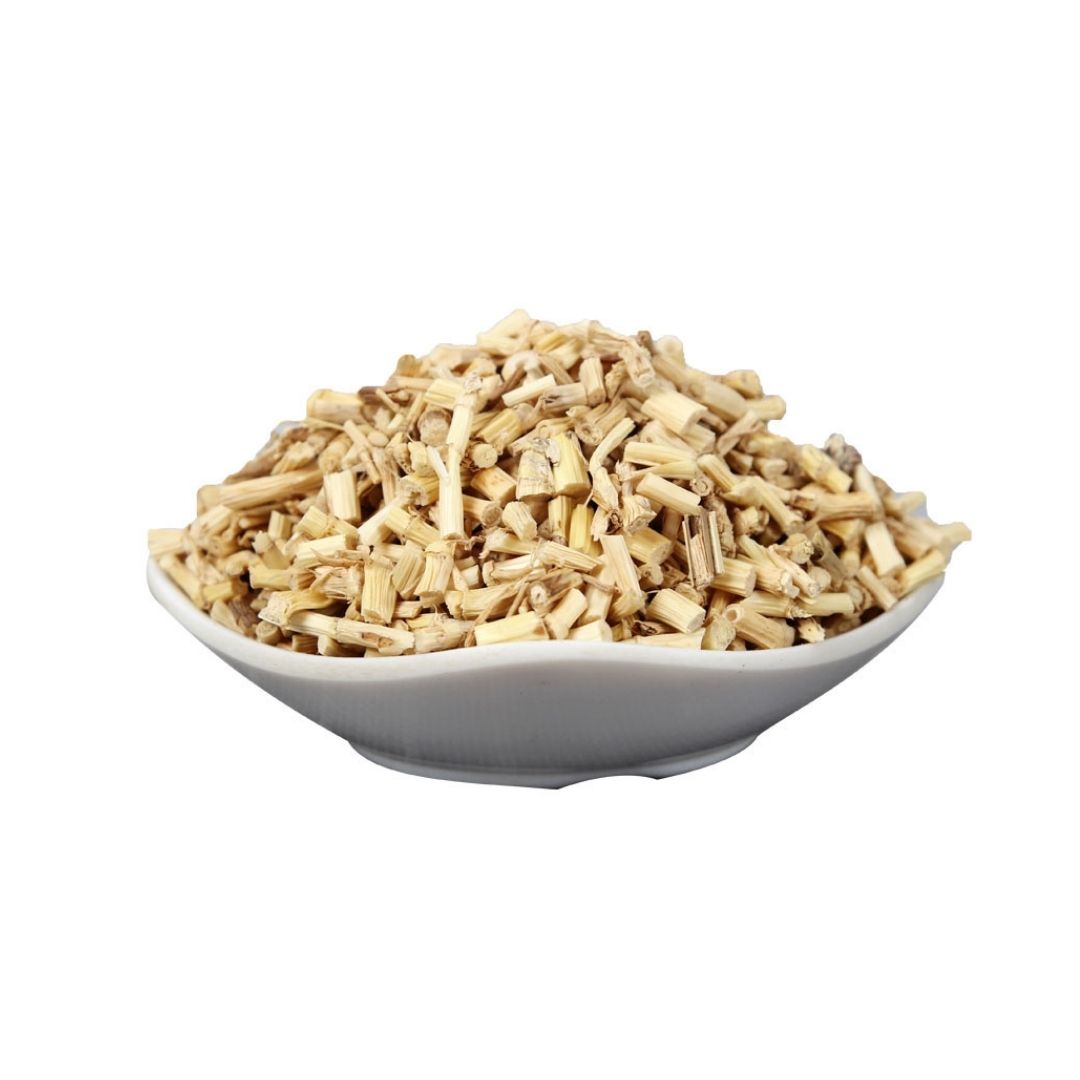
Rhizoma Imperatae, a traditional Chinese medicine, primarily comes from the dried rhizome of Imperata cylindrica Beauv. var. major (Nees) C. E. Hubb, and it is valued for its medicinal properties. The herb is known for its light, loose, and flexible characteristics, offering a sweet taste that contributes to its therapeutic profile and application in various traditional remedies. Historically, it has been used to address a variety of conditions related to heat, fluid balance, and bleeding.
Main Active Ingredients
The efficacy of Rhizoma Imperatae is attributed to its main active ingredients. These include compounds such as cylindrin, which may contribute to its diuretic effects, fernenol, and imperanene, which could play a role in its hemostatic properties. Further studies are required to fully elucidate the mechanisms of action and therapeutic potential of these compounds [1].
Product Application Scenarios, Usage, and Dosage
Rhizoma Imperatae is commonly utilized in traditional Chinese medicine for numerous applications. It is prescribed, often, to clear heat from the body, promote diuresis to resolve edema or urinary issues, cool the blood to manage bleeding, and stop hemorrhage in various scenarios. Typical usage involves decocting the herb in water, with dosages ranging from 10 to 15 grams per day, the dosage can be adjusted based on the individual's condition and the practitioner's guidance [2].
Introduction to the Source Plant, Distribution, and Growth Environment
Imperata cylindrica Beauv. var. major (Nees) C. E. Hubb, the source plant of Rhizoma Imperatae, is widely distributed across various regions, particularly in Asia, and thrives in sunny, well-drained environments like grasslands and along riverbanks. This perennial grass adapts well to different soil types and climates, allowing for widespread availability of the herb. Its resilience enables it to grow in disturbed areas, making it relatively easy to cultivate and harvest [3].
Harvesting, Processing, and Storage
The process of harvesting Rhizoma Imperatae typically occurs in the spring and autumn seasons, the rhizomes are dug up, cleaned to remove soil and debris, and then dried, either in the sun or using mechanical methods. After drying, the herb is cut into segments and stored in a cool, dry place to prevent moisture absorption and insect infestation. Proper storage is crucial to maintain its quality and efficacy over time [4].
Citations
[1] Chen, J. K., & Chen, T. T. (2004). Chinese Medical Herbology and Pharmacology. City of Industry, CA: Art of Medicine Press.
[2] Bensky, D., Clavey, S., & Stöger, E. (2004). Chinese Herbal Medicine: Materia Medica, 3rd Edition. Seattle, WA: Eastland Press.
[3] Flora of China Editorial Committee. (2007). Flora of China. Beijing: Science Press; St. Louis: Missouri Botanical Garden Press.
[4] Yeung, H. C. (1985). Handbook of Chinese Herbs and Formulas. Los Angeles, CA: Institute of Chinese Medicine.
Mia Wu

Hi, I’m Mia Wu! I love helping customers discover the best natural ingredients for their products. With a passion for herbs, spices, and fungi, I work to make sure you get only the finest raw materials. Let's grow together! 🌱✨