

Product Introduction
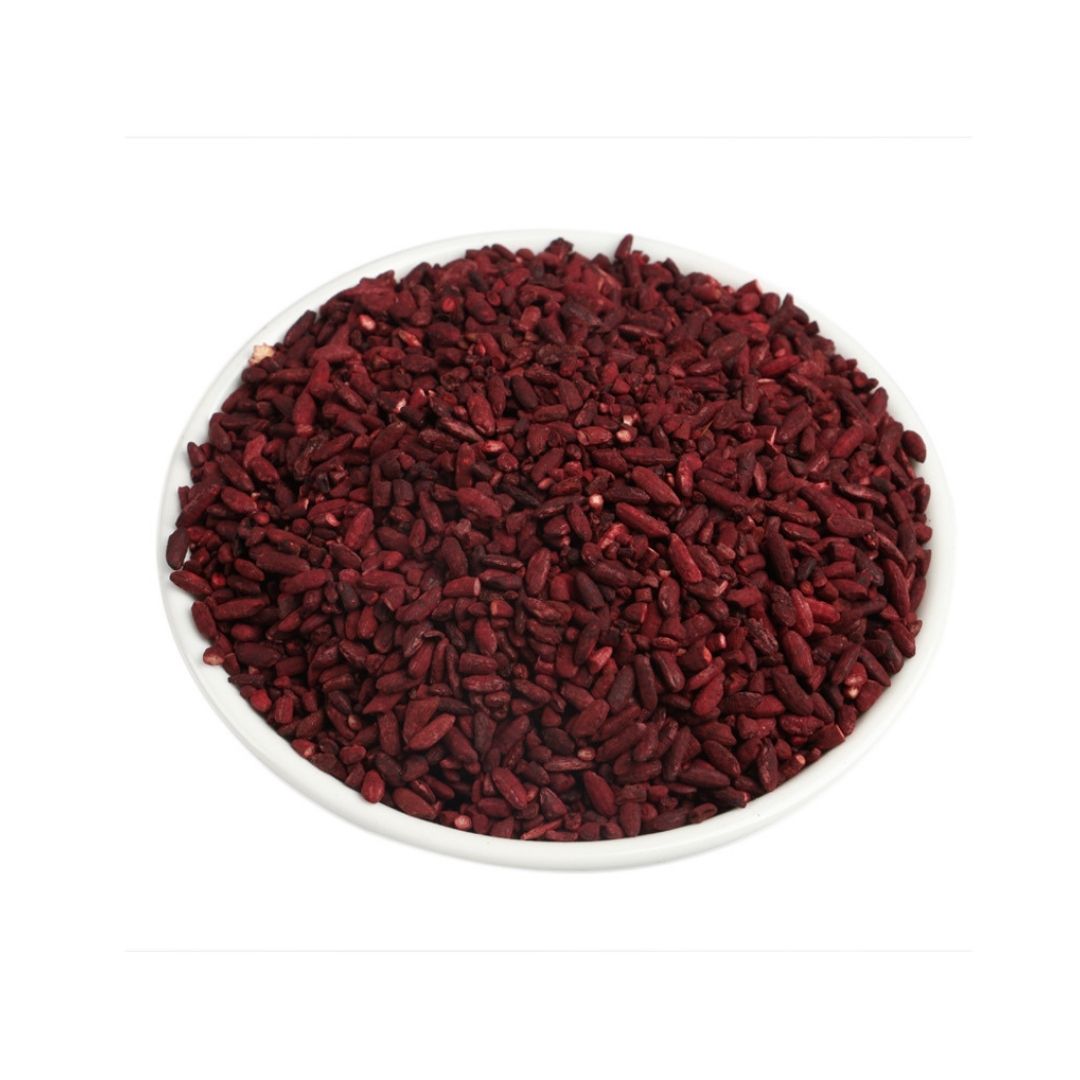
Red yeast rice is a unique product created through the fermentation of rice with the mold Monascus purpureus. This process results in a grain with a distinctive red color and a complex flavor profile, making it a valuable ingredient in both culinary and medicinal applications. Originating in China, red yeast rice has been used for centuries as a natural food preservative, coloring agent, and health supplement.
The key characteristic of red yeast rice lies in its vibrant red pigments, which are natural food colorants, and the presence of monacolins, most notably monacolin K, also known as lovastatin, a compound recognized for its cholesterol-lowering properties. Beyond monacolins, red yeast rice contains a variety of other compounds, including amino acids, sterols, and fatty acids, all contributing to its diverse properties.
In culinary applications, red yeast rice is used to impart a reddish hue and a subtle, savory flavor to a variety of dishes. It is a common ingredient in Peking duck, char siu pork, and various fermented bean curd preparations, enhancing both the visual appeal and the taste of these foods. In traditional medicine, red yeast rice has been used to promote healthy circulation and digestion, and to support overall well-being, due to the presence of monacolins.
Proper storage of red yeast rice is crucial to maintain its quality and potency. It should be stored in a cool, dry, and dark environment to prevent the degradation of its pigments and active compounds. With its rich history and versatile applications, red yeast rice remains a significant ingredient in both traditional and modern practices.
Aromatic Chemical Composition
The aromatic profile of red yeast rice is complex, arising from a combination of volatile organic compounds produced during fermentation. Key aromatic compounds include:
- Ethyl octanoate and ethyl decanoate: These esters contribute fruity and sweet notes.
- 3-Methyl-1-butanol: This imparts a malty, alcoholic aroma.
- Acetaldehyde: Contributes a sharp, pungent note.
- Acetic acid: Adds a sour, vinegar-like aroma.
- Pyrazines: These compounds provide roasted and nutty nuances.
What Types of Products Are Available?
Red yeast rice is available in several forms to suit different applications:
- Whole Red Yeast Rice: The complete fermented rice grain, suitable for direct cooking or further processing.
- Red Yeast Rice Powder: Ground into a fine powder, used as a food coloring agent and dietary supplement.
- Red Yeast Rice Extract: Concentrated extracts containing higher levels of monacolins, primarily used in supplements.
- Red Yeast Rice Capsules/Tablets: Standardized doses of red yeast rice extract for medicinal use.
Application Scenarios and Usage Dosage
In the culinary field, red yeast rice is valued for its ability to impart both color and flavor. The application scenarios and appropriate dosages vary depending on the desired effect.
For food coloring, red yeast rice powder is typically used. The dosage ranges from 0.5% to 2% of the total weight of the ingredients, adjusting the amount based on the desired intensity of the red hue. For example, in the preparation of Peking duck, a small amount of red yeast rice powder can be mixed into the marinade to give the skin its characteristic reddish-brown color. Similarly, in char siu pork, red yeast rice powder is used to achieve the vibrant red exterior.
When used as a flavoring agent, the dosage depends on the specific dish. In fermented bean curd, red yeast rice is a crucial ingredient, contributing to the unique taste profile. The amount used can vary widely based on regional preferences and traditional recipes, but generally, around 5% to 10% of the total ingredients may be red yeast rice. For dishes such as red-braised pork, a small amount of whole red yeast rice or red yeast rice powder can be added during the braising process to enhance the umami flavor and add depth to the sauce.
In traditional medicine, red yeast rice is primarily used for its potential cholesterol-lowering effects. The typical dosage for supplements ranges from 600 mg to 2400 mg per day, often divided into two doses (National Center for Complementary and Integrative Health). However, it is crucial to consult a healthcare professional before using red yeast rice supplements, as they can interact with certain medications and may cause side effects. The active compound, monacolin K, is chemically identical to lovastatin, a prescription drug used to lower cholesterol. Therefore, the use of red yeast rice should be approached with caution and under medical supervision.
The application of red yeast rice extends beyond these traditional uses. Some modern chefs experiment with red yeast rice to create innovative dishes, adding it to sauces, marinades, and even desserts for its unique color and subtle flavor. In these cases, the dosage should be carefully controlled to achieve the desired effect without overpowering the other flavors in the dish.
Introduction to the Source Plant, Distribution, and Growing Environment
Monascus purpureus is a type of mold that is used to produce red yeast rice. It is a filamentous fungus, meaning it grows in thread-like structures called hyphae. This mold is typically grown on rice, but it can also be cultivated on other grains and substrates.
Monascus purpureus is widely distributed, particularly in East and Southeast Asia, where red yeast rice has been a staple in traditional diets and medicine for centuries. The mold thrives in controlled fermentation environments where temperature, humidity, and oxygen levels are carefully managed to optimize the production of red pigments and monacolins. The ideal growing environment involves temperatures between 25°C and 35°C, with high humidity to support mold growth.
Harvesting, Processing, and Storage Preservation
The harvesting and processing of red yeast rice are critical to ensure the quality and safety of the final product. The process begins once the rice has been fully fermented and the Monascus purpureus mold has imparted the desired red color.
- Harvesting: The fermented rice is harvested and steamed to kill the monascus.
- Drying: The rice is then dried to reduce the moisture content, preventing the growth of other microorganisms and preserving the red pigments and monacolins. The drying process can be done using sunlight or mechanical dryers, ensuring the temperature is controlled to avoid damaging the heat-sensitive compounds.
- Milling/Grinding: After drying, the red yeast rice can be milled into a powder.
- Quality Control, the material is tested for monacolin K.
- Packaging: Finally, the red yeast rice is packaged in airtight containers to prevent moisture absorption and oxidation.
- Storage: It should be stored in a cool, dry, and dark place to maintain its color, flavor, and potency. Proper storage conditions help to extend the shelf life of red yeast rice and ensure that it remains safe and effective for its intended use.
Citations:
- National Center for Complementary and Integrative Health. (n.d.). Red Yeast Rice. Retrieved from https://www.nccih.nih.gov/health/red-yeast-rice
Mia Wu

Hi, I’m Mia Wu! I love helping customers discover the best natural ingredients for their products. With a passion for herbs, spices, and fungi, I work to make sure you get only the finest raw materials. Let's grow together! 🌱✨