

Product Introduction
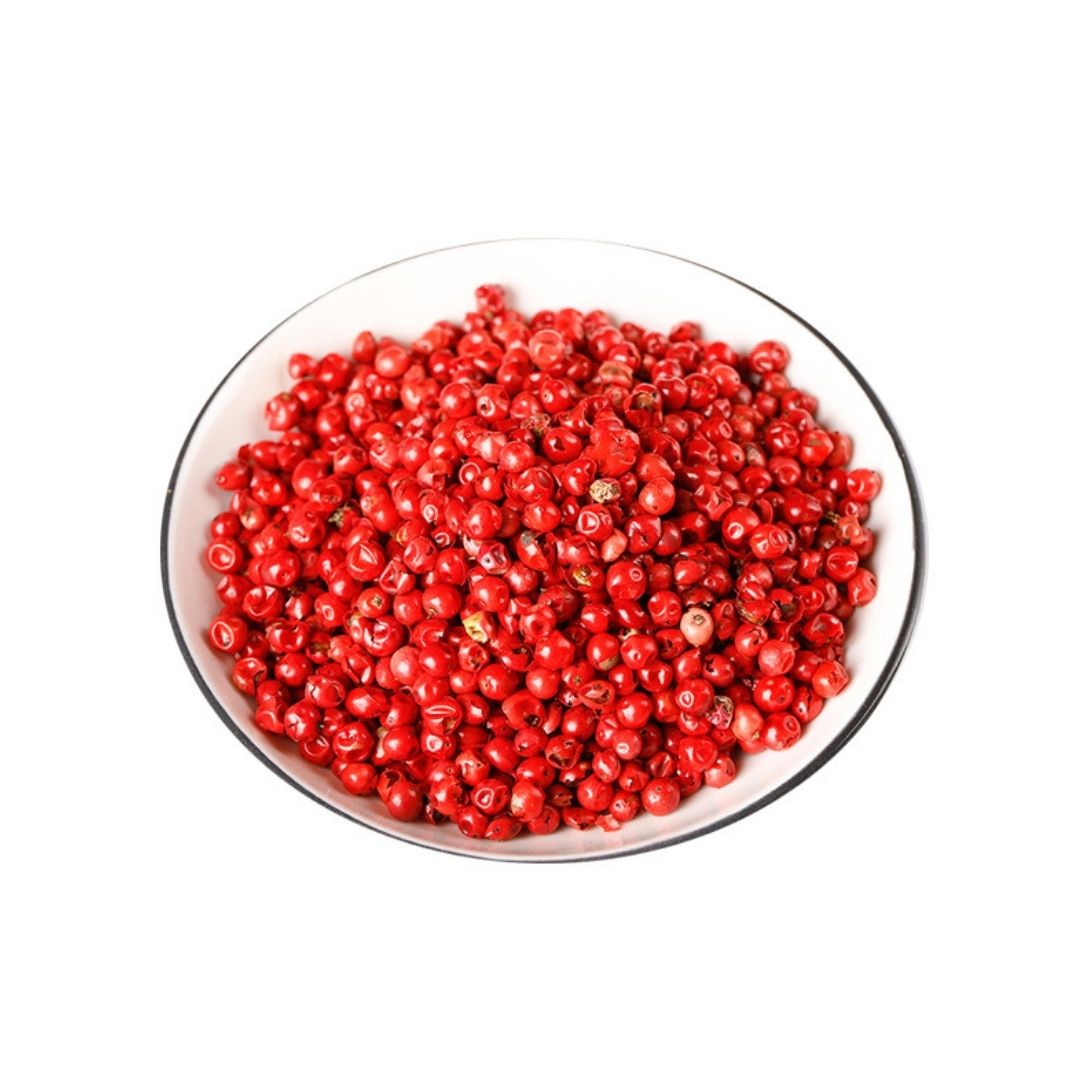
Red pepper, derived from the fruits of the Capsicum annuum plant, is a widely used spice appreciated for its vibrant color and varying levels of pungency. Originating in Central and South America, red pepper has been cultivated for thousands of years and is now grown in many regions around the world. Ranging from mild to extremely hot cultivars, red pepper offers a complex flavor profile which adds depth and warmth to numerous dishes. It is available in whole dried pods, flakes, and ground powder, offering versatility in culinary applications.
The primary component responsible for red pepper's characteristic heat is capsaicin. This compound stimulates pain receptors in the mouth and throat, creating the sensation of heat. The amount of capsaicin varies significantly depending on the specific cultivar of Capsicum annuum, leading to different Scoville heat units (SHU) for each type of red pepper. Beyond capsaicin, red pepper contains a variety of other compounds, including carotenoids, which contribute to its color, and volatile oils, which add to its aroma.
In addition to its culinary uses, red pepper has been used in traditional medicine for its potential health benefits. Capsaicin has been studied for its analgesic, anti-inflammatory, and antioxidant properties. Red pepper is also a source of vitamins, including vitamin C and vitamin A. Its applications extend beyond food, with uses as a natural coloring agent in various industries.
Aromatic Chemical Composition
The aromatic profile of red pepper is attributed to a complex blend of volatile compounds. Key components include:
- Capsaicinoids: These are the primary compounds responsible for the pungency or heat of red pepper. Capsaicin and dihydrocapsaicin are the most abundant capsaicinoids, but others such as nordihydrocapsaicin, homocapsaicin, and homodihydrocapsaicin are also present [1].
- Volatile Oils: These oils contribute to the overall aroma of red pepper. Compounds such as terpenes, aldehydes, and esters play a role in shaping the flavor and fragrance [2].
- Pyrazines: These heterocyclic aromatic compounds are often associated with roasted or nutty notes. They contribute to the complex flavor profile of certain red pepper varieties [3].
- Esters: Esters contribute fruity and sweet notes to the aroma of red pepper [3].
What Types of Products Are Available?
Red pepper is available in various forms to cater to different culinary and industrial needs:
- Whole Dried Pods: These retain the pepper’s natural oils and flavor compounds, offering a longer shelf life and allowing for slow infusion of flavor into dishes.
- Red Pepper Flakes: Also known as crushed red pepper, these consist of dried and crushed pepper pods, including seeds, offering a quick way to add heat and texture to dishes.
- Ground Red Pepper: A fine powder made from grinding dried red pepper pods. It offers a consistent level of heat and flavor throughout a dish.
- Red Pepper Paste: A concentrated paste made from cooked and ground red peppers, often mixed with vinegar and salt, used for adding a rich, spicy flavor to sauces and marinades.
- Red Pepper Oil: An oil infused with the flavor and heat of red pepper, used for drizzling over dishes or as a base for cooking.
Application Scenarios and Usage Dosage
Red pepper is a versatile ingredient with numerous applications in the culinary world. Its heat and flavor enhance a wide array of dishes, complementing savory and sometimes even sweet preparations. Understanding its uses and appropriate dosages is crucial to achieving the desired result without overpowering the dish.
In culinary applications, red pepper is used in various forms, including dried pods, flakes, and ground powder. Each form offers a unique way to incorporate its flavor and heat. Whole dried pods are often added to stews and sauces, allowing the flavor to slowly infuse into the dish during cooking [4]. They are typically removed before serving to control the level of heat. Red pepper flakes, also known as crushed red pepper, provide a quick and visible way to add spice and texture [5]. They are commonly sprinkled on pizzas, pasta dishes, and stir-fries for an immediate burst of heat. Ground red pepper, on the other hand, offers a consistent and even distribution of flavor and heat throughout the dish [6]. It is often used in spice blends, rubs, and sauces, providing a foundational layer of spiciness.
The dosage of red pepper depends on the desired level of heat and the specific dish. A general guideline is to start with a small amount and gradually add more to taste [7]. For example, in a large pot of chili, starting with 1/2 teaspoon of ground red pepper and adjusting as needed is recommended. When using red pepper flakes, a pinch or two is usually sufficient for individual servings. Whole dried pods should be used sparingly, typically one or two pods per large pot of stew or sauce.
Red pepper pairs well with a variety of cuisines and dishes. In Mexican and Southwestern cuisine, it is a staple ingredient in chili, tacos, and enchiladas [8]. In Asian cuisine, it is used in stir-fries, curries, and noodle dishes, lending a fiery kick. Italian cuisine frequently uses red pepper flakes to add heat to pasta sauces and pizzas. In addition to savory dishes, red pepper can also be used in sweet applications, such as chocolate desserts, to add a subtle warmth and complexity.
Beyond culinary uses, red pepper has applications in traditional medicine and as a natural coloring agent. In traditional medicine, capsaicin, the active compound in red pepper, has been used for its analgesic and anti-inflammatory properties [9]. Capsaicin creams and ointments are used to relieve pain associated with arthritis, muscle strains, and nerve damage. As a natural coloring agent, red pepper extracts are used in the food industry to add vibrant color to products such as sauces, snacks, and processed foods [10].
Introduction to the Source Plant, Distribution, and Growing Environment
Capsicum annuum, the source plant for red pepper, is a species of pepper native to southern North America and northern South America [11]. It is a herbaceous annual plant that typically grows to a height of 0.5 to 1.5 meters. The plant features green leaves, small white flowers, and fruits that vary widely in shape, size, color, and pungency.
The cultivation of Capsicum annuum has spread globally, with significant production in regions with warm climates, including Mexico, India, China, Spain, and the United States [12]. The plant thrives in well-drained soil and requires ample sunlight and warmth for optimal growth. Different varieties of Capsicum annuum are adapted to specific growing conditions, contributing to the diversity of red pepper types available worldwide.
The growing environment plays a crucial role in determining the characteristics of the red pepper. Factors such as temperature, humidity, soil composition, and sunlight exposure influence the plant's growth, fruit development, and capsaicin content [13]. Warmer temperatures generally lead to higher capsaicin levels, resulting in hotter peppers. Soil rich in nutrients and organic matter supports healthy plant growth and fruit production. Adequate sunlight is essential for photosynthesis and the development of vibrant red color in the peppers.
Harvesting, Processing, and Storage Preservation
The harvesting of red peppers typically occurs when the fruits have reached their mature size and color, which is usually a vibrant red [14]. The peppers are carefully hand-picked to avoid damage. The timing of harvest is crucial as it affects the flavor, heat, and overall quality of the final product.
After harvesting, the red peppers undergo various processing methods to prepare them for different uses. One common method is drying, which can be done through sun-drying or using industrial dryers [15]. Sun-drying involves spreading the peppers on mats or racks and exposing them to direct sunlight for several days or weeks until they are completely dry. Industrial drying uses controlled heat and airflow to remove moisture from the peppers, reducing drying time and minimizing the risk of spoilage.
Once the peppers are dried, they can be further processed into flakes or ground powder. To make red pepper flakes, the dried peppers are crushed into small pieces, including the seeds, which contribute to the heat [16]. For ground red pepper, the dried peppers are finely ground into a powder using industrial grinders. The resulting powder is then sifted to ensure a consistent texture and particle size.
Proper storage is essential to preserve the quality and flavor of red pepper products. Red pepper should be stored in a cool, dry, and dark place to prevent degradation of its flavor and color [17]. Airtight containers are recommended to protect the peppers from moisture and air, which can lead to spoilage. Ground red pepper is more susceptible to losing its flavor and heat over time compared to whole dried pods, so it should be used within a reasonable timeframe for optimal quality.
Citations
[1] Barbero, G. F., Liazid, A., Palma, M., & Barroso, C. G. (2006). Determination of Capsaicinoids by High-Performance Liquid Chromatography: A Review. Journal of Separation Science, 29(7), 937–944.
[2] Govindarajan, V. S. (1985). Capsicum Production, Technology, Chemistry, and Quality. Part I: History, Botany, Horticulture, and Primary Metabolites. Critical Reviews in Food Science and Nutrition, 22(2), 109–176.
[3] Buttery, R. G., Takeoka, G. R., & Ling, L. C. (1993). Volatile Flavor Components of Red Bell Pepper (Capsicum annuum L.) and Their Changes during Roasting. Journal of Agricultural and Food Chemistry, 41(7), 1003–1006.
[4] DeWitt, D., & Gerlach, P. W. (1990). The Whole Chile Pepper Book. Little, Brown and Company.
[5] Andrews, J. (1999). The Pepper Lady's Pocket Pepper Primer. University of Texas Press.
[6] Rozin, E. (2005). Ethnic Cuisine: The Flavors of the World. Penguin.
[7] Norman, J. (2002). The Complete Asian Cookbook. Dorling Kindersley.
[8] Bayless, R. (1987). Authentic Mexican: Regional Cooking from the Heart of Mexico. William Morrow.
[9] Caterina, M. J., Schumacher, M. A., Tominaga, M., Rosen, T. A., Levine, J. D., & Julius, D. (1997). The capsaicin receptor: a heat-activated ion channel in primary sensory neurons. Nature, 389(6653), 816–824.
[10] Downham, A., & Collins, P. (2000). Colouring our foods in the past and present. International Journal of Food Science & Technology, 35(1), 5–22.
[11] Pickersgill, B. (2007). Domestication of plants in the Americas: insights from genetic and archaeological data. Annals of Botany, 100(5), 925–940.
[12] Purseglove, J. W. (1968). Tropical Crops: Dicotyledons 1. Longmans, Green and Co. Ltd.
[13] Sung, Y., Chang, K. S., Kim, M. S., Park, S. K., & Choi, B. S. (2005). Effect of Growing Conditions on the Capsaicinoid Content in Pepper (Capsicum annuum L.). Journal of Agricultural and Food Chemistry, 53(18), 7108–7113.
[14] Rylski, I. (1973). Effect of Night Temperature on Shape and Size of Sweet Pepper Fruits. Journal of the American Society for Horticultural Science, 98(2), 149-152.
[15] Egea, M. I., Sánchez-Bel, P., Martínez-Madrid, M. C., & Gómez-Plaza, E. (2007). Changes in Bioactive Compounds during Drying of the Fruits of Capsicum Annuum Var. Agridulce. Journal of Agricultural and Food Chemistry, 55(19), 7473–7478.
[16] McGreevy, K. (1995). Cooking with Chile Peppers: The Complete Guide to Using Chile Peppers in More Than 150 Exciting Recipes. HPBooks.
[17] Howard, L. R., Talcott, S. T., Brenes, C. H., & Villalon, B. (2000). Changes in Phytochemical and Antioxidant Activity of Selected Pepper Cultivars (Capsicum species) during Modified Atmosphere Storage. Journal of Agricultural and Food Chemistry, 48(4), 1402–1406.
Mia Wu

Hi, I’m Mia Wu! I love helping customers discover the best natural ingredients for their products. With a passion for herbs, spices, and fungi, I work to make sure you get only the finest raw materials. Let's grow together! 🌱✨