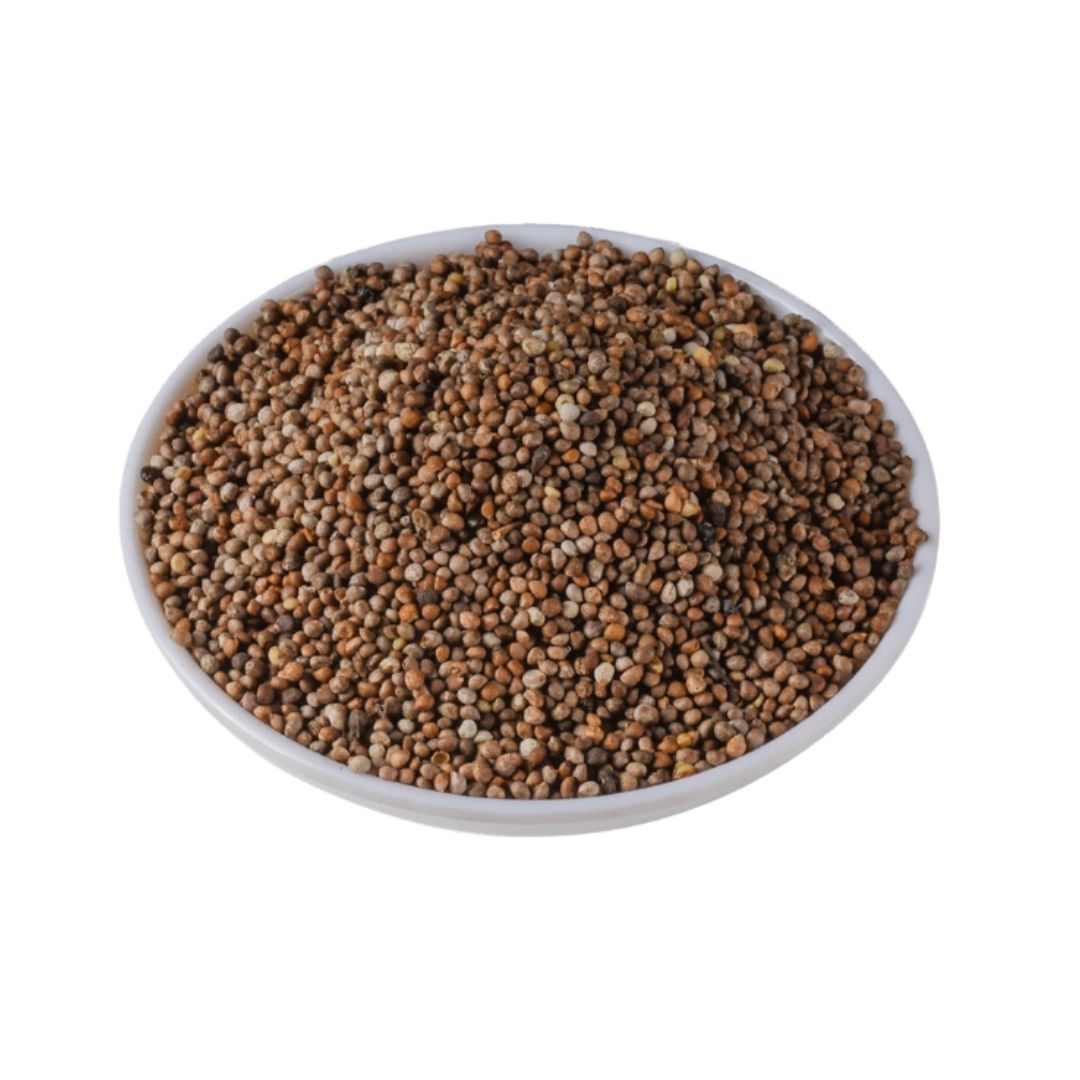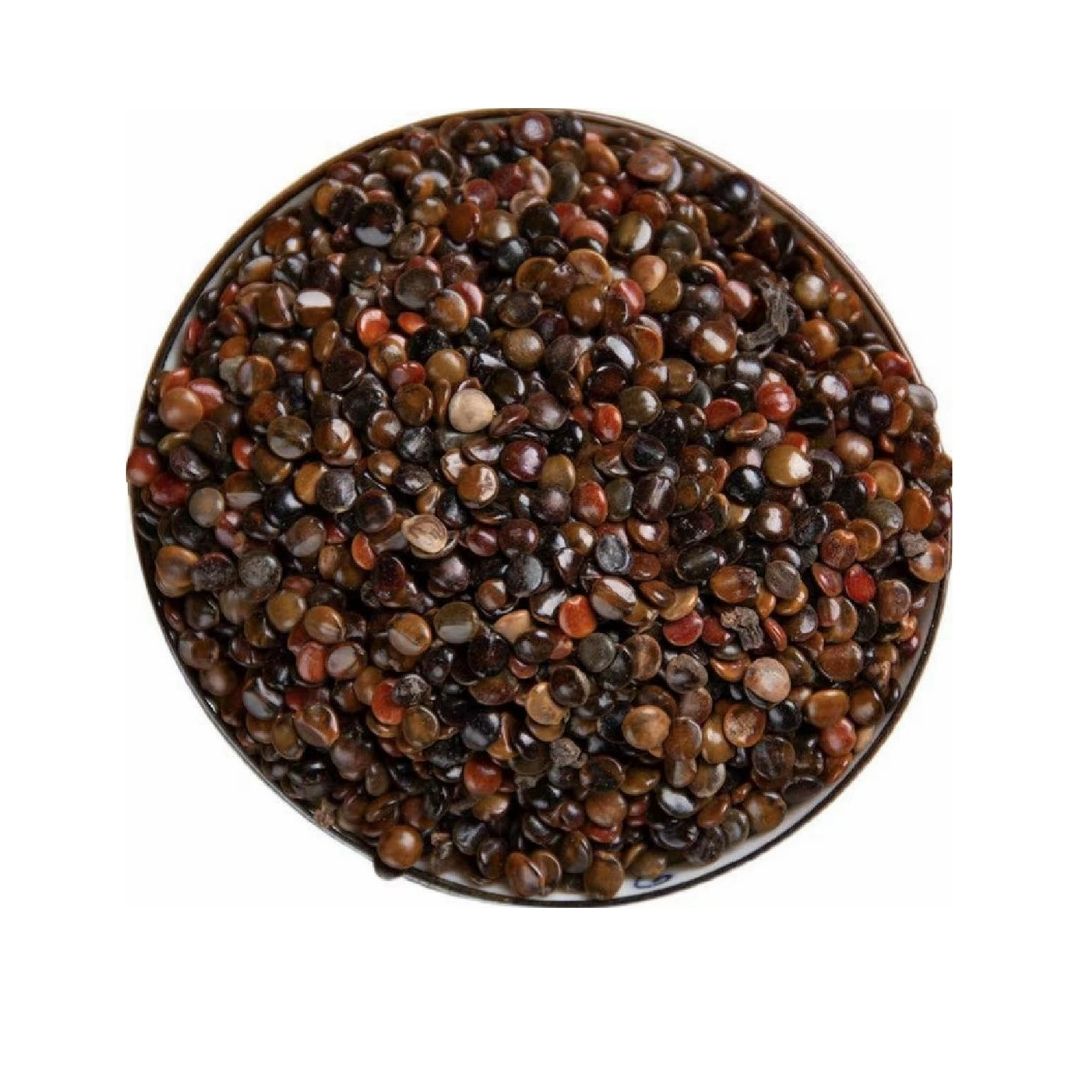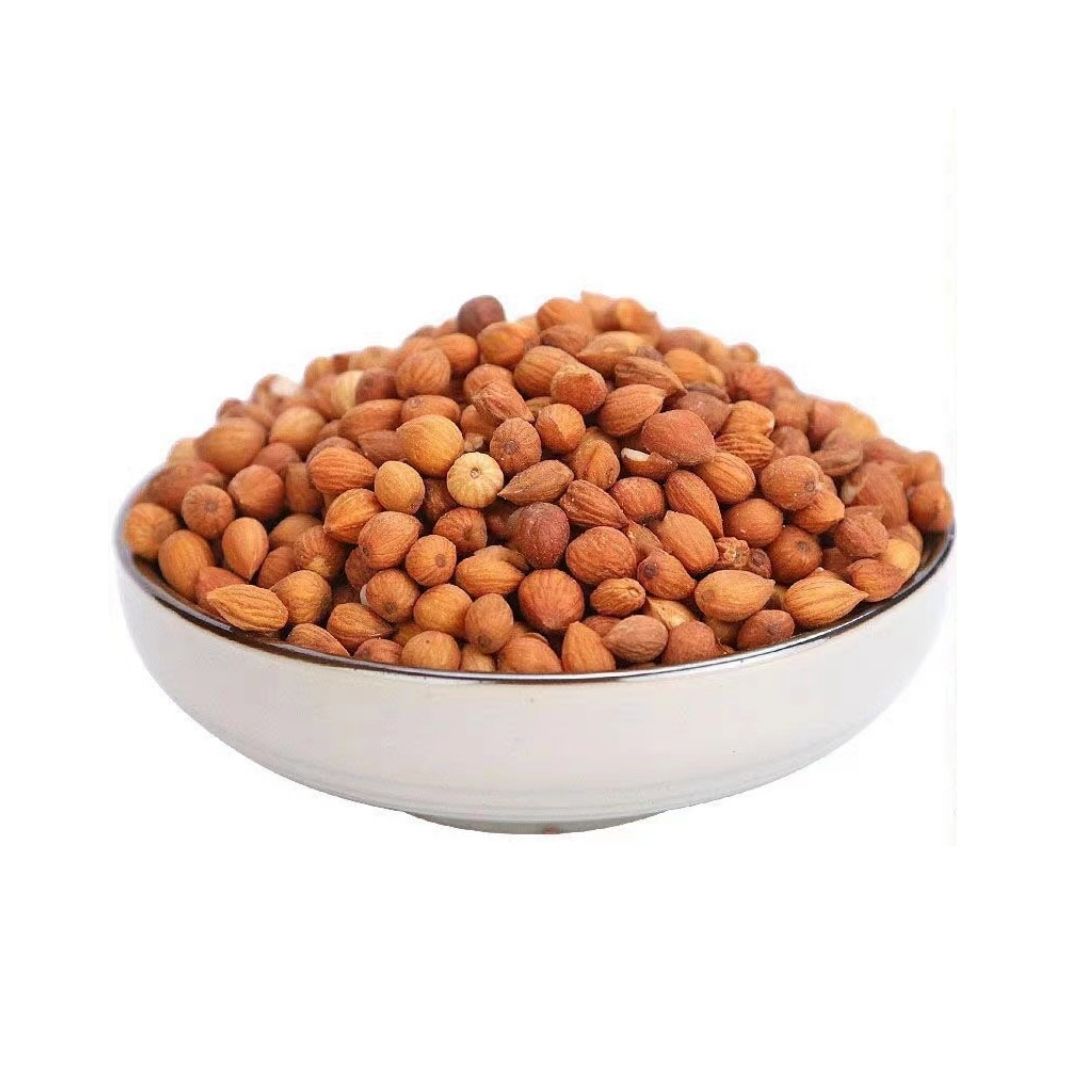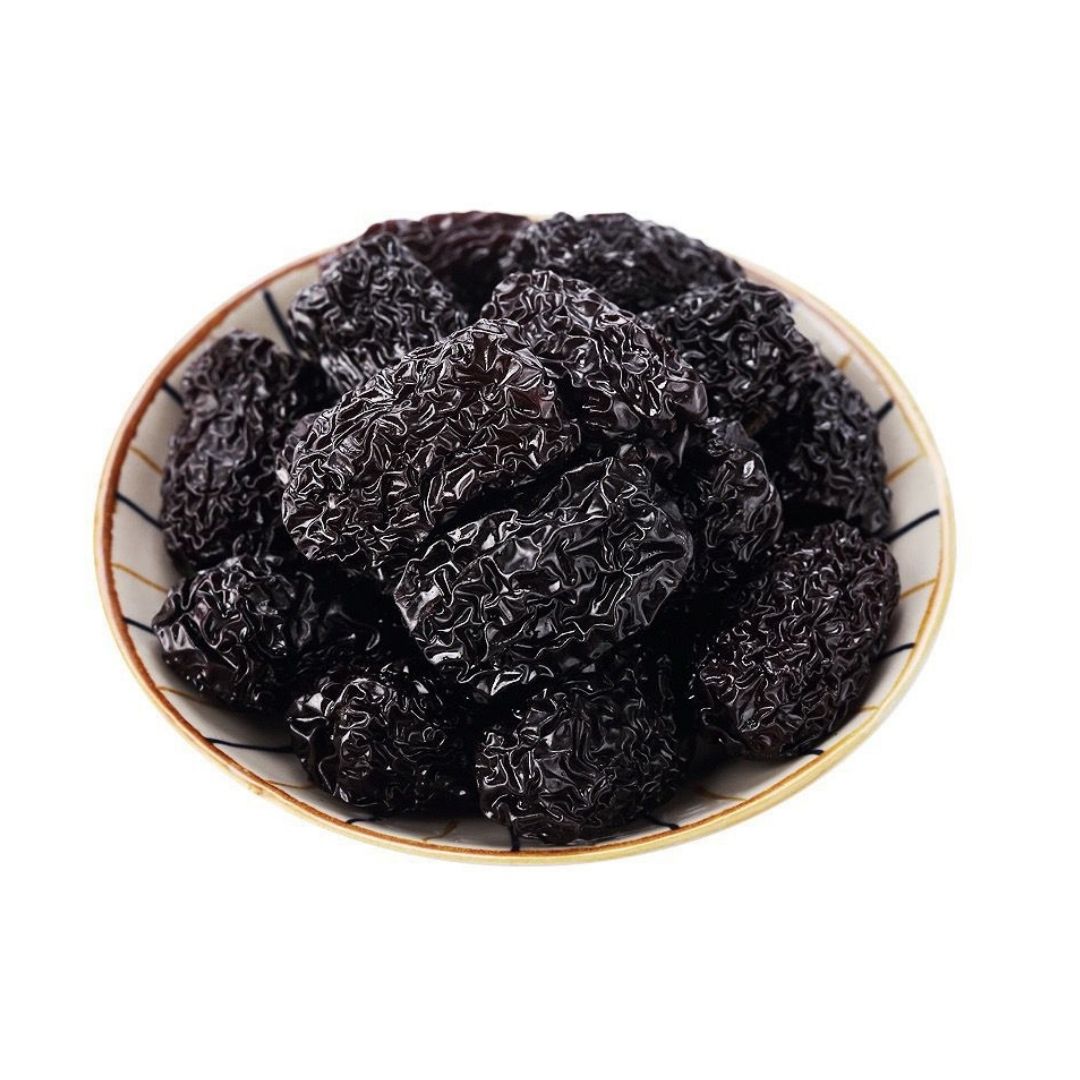


Product Introduction
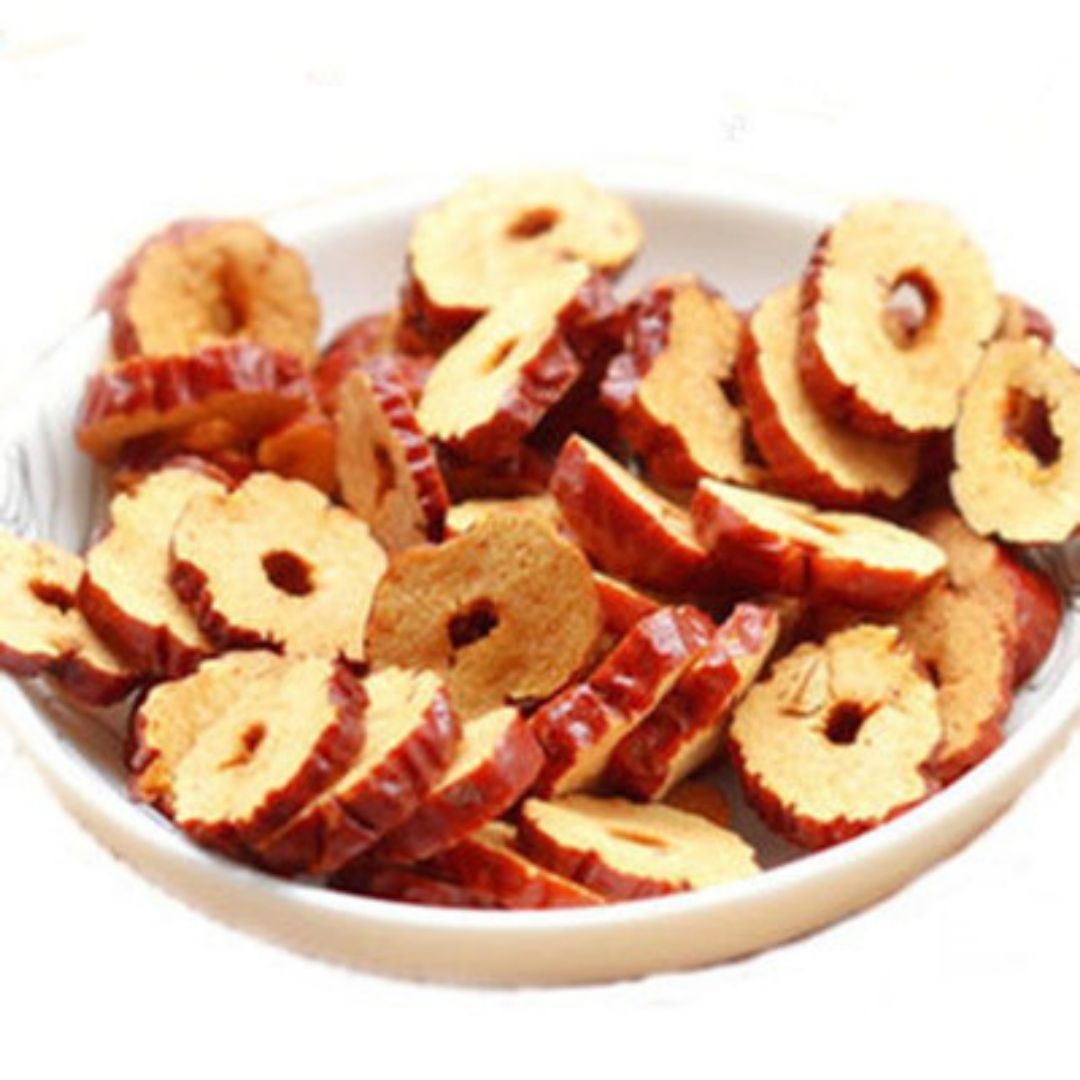
Red jujube, also known as Hong Zao or Da Zao, is a widely used traditional Chinese medicine and food. It is derived from the dried ripe fruit of Ziziphus jujuba Mill., a species of jujube tree. This herb is valued for its sweet taste, warm nature, and its beneficial effects on the spleen and stomach.
Main Active Ingredients
The main active ingredients in red jujube include polysaccharides, flavonoids, and various vitamins, such as vitamin C. These constituents contribute to its therapeutic properties, making it a valuable herb in traditional Chinese medicine. [1]
Product Application Scenarios, Usage, and Dosage
Red jujube is commonly used to tonify the spleen, nourish blood, and calm the spirit. It is often used for conditions such as spleen deficiency, anemia, and insomnia. The typical dosage is 6-15 grams, usually taken in decoctions or consumed directly as food.[2] It can also be used in soups and teas.
Introduction to the Source Plant, Distribution, and Growth Environment
Ziziphus jujuba Mill. is a deciduous tree that is widely cultivated in China. It prefers warm, sunny environments and well-drained soil. This plant is adaptable to various soil types and climatic conditions, making it a common crop in many regions of China.
Harvesting, Processing, and Storage
Red jujubes are typically harvested in the autumn when the fruits are ripe and red. After harvesting, the fruits are dried, either in the sun or using mechanical drying methods. The dried jujubes should be stored in a cool, dry place to prevent spoilage and maintain their quality. Proper storage ensures that the herb retains its therapeutic properties for an extended period.[3]
Citations
- Gao, Q. H., Wu, C. S., Wang, M. S., Jin, W. L., & Xu, H. B. (2013). The chemical composition and antioxidant properties of Chinese jujube. Food Chemistry, 139(4), 1733-1740.
- Bensky, D., Gamble, A., & Kaptchuk, T. J. (1993). Chinese Herbal Medicine: Materia Medica. Eastland Press.
- Huang, L., & Huang, B. K. (2011). Pharmacology of Chinese Herbs. CRC Press.
Mia Wu

Hi, I’m Mia Wu! I love helping customers discover the best natural ingredients for their products. With a passion for herbs, spices, and fungi, I work to make sure you get only the finest raw materials. Let's grow together! 🌱✨