

Product Introduction
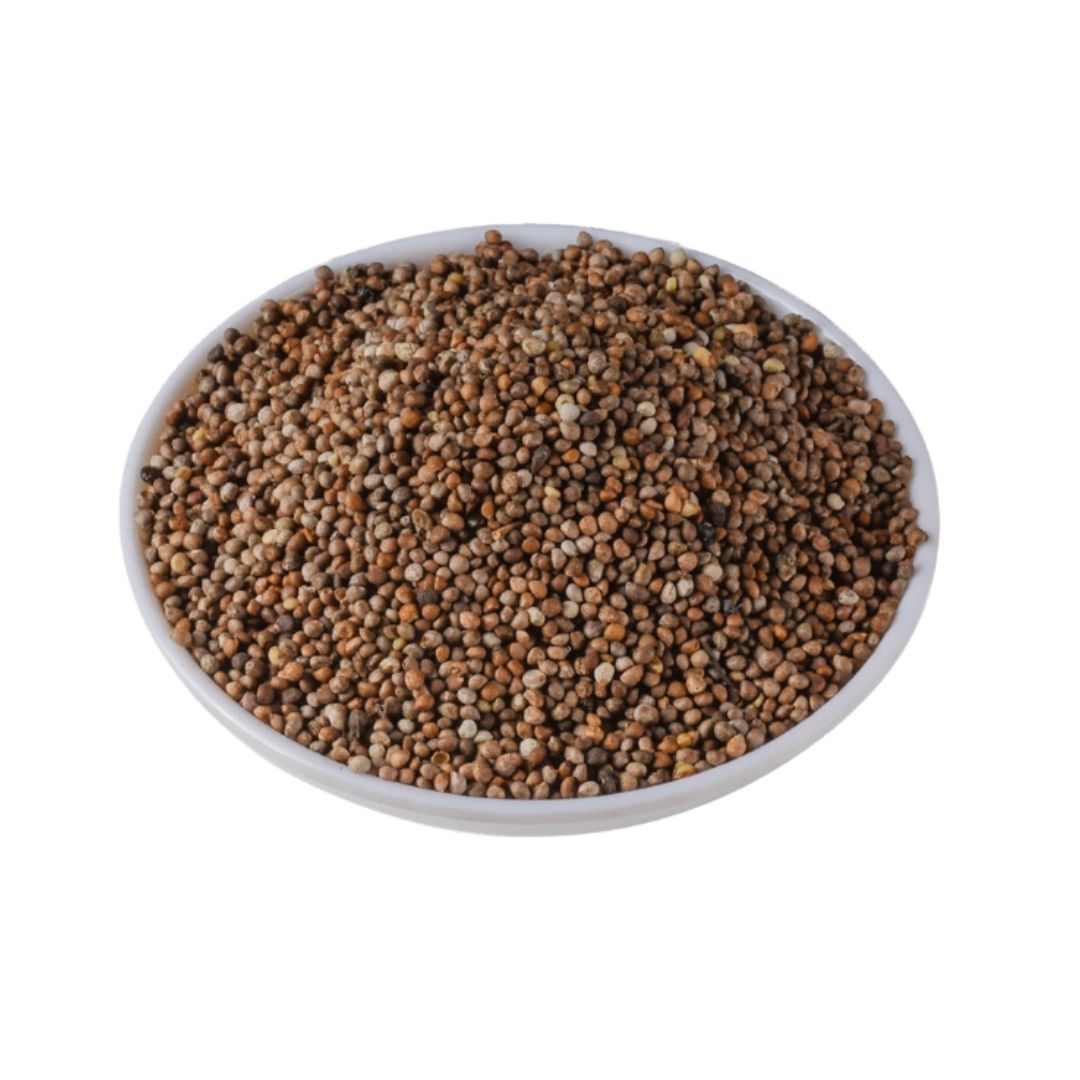
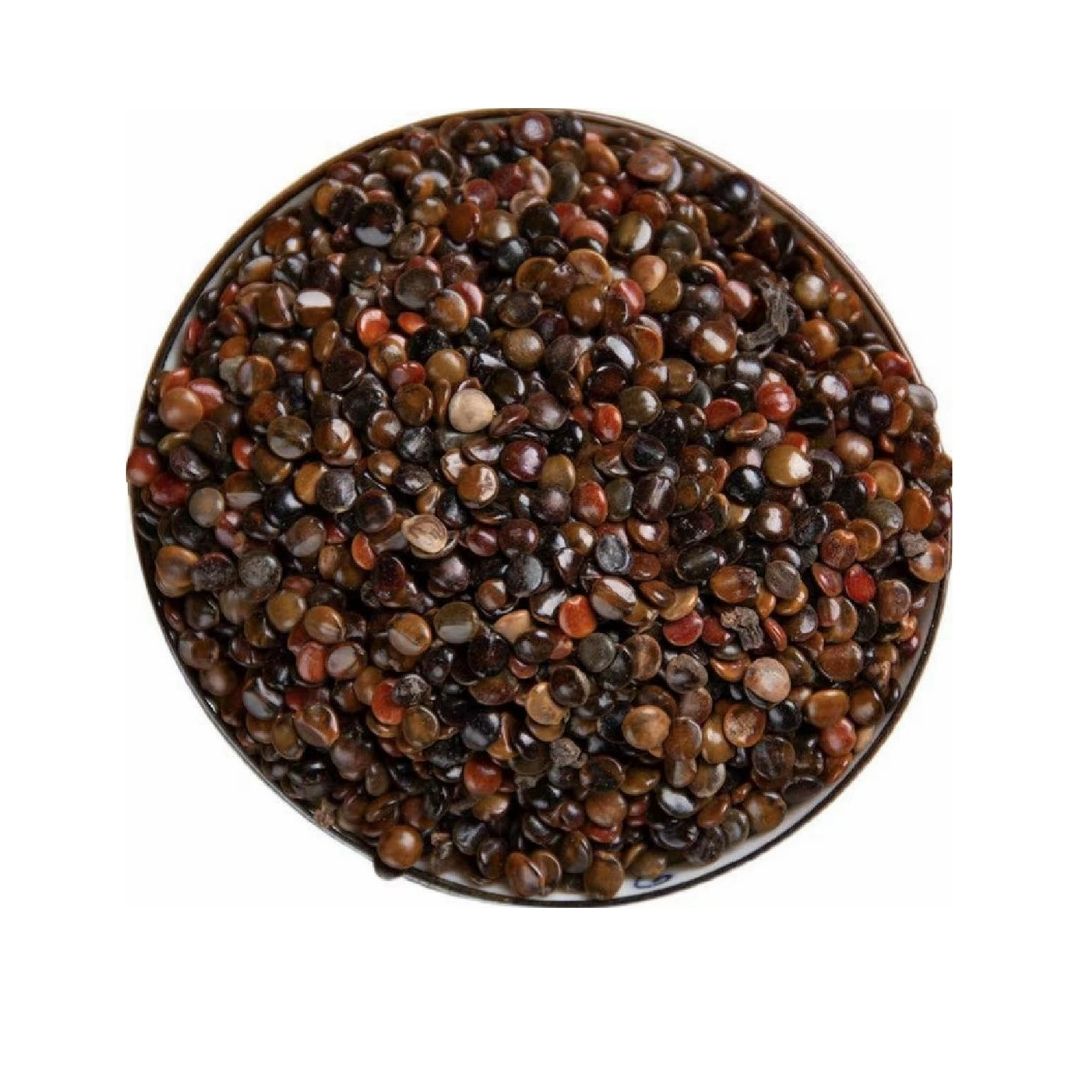
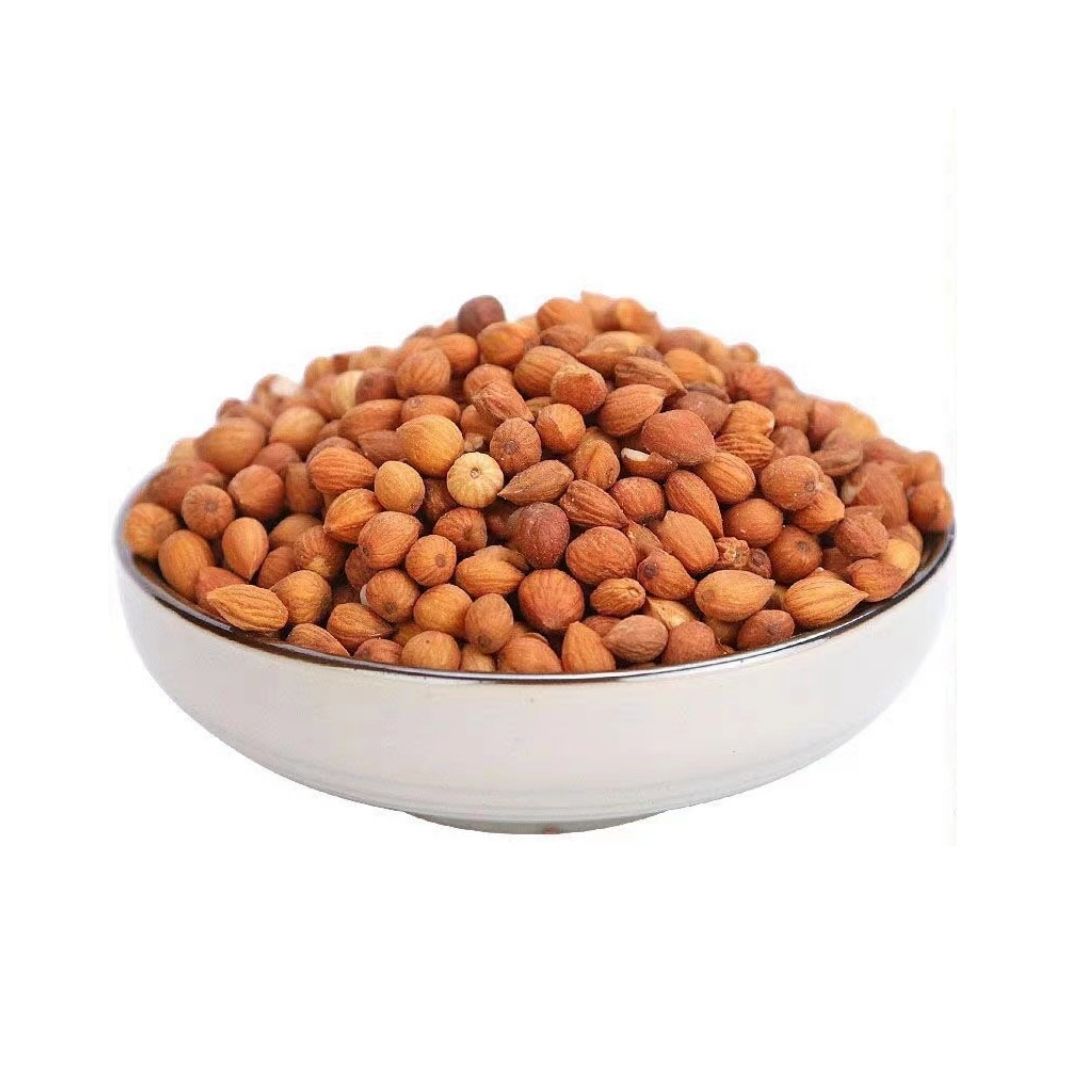
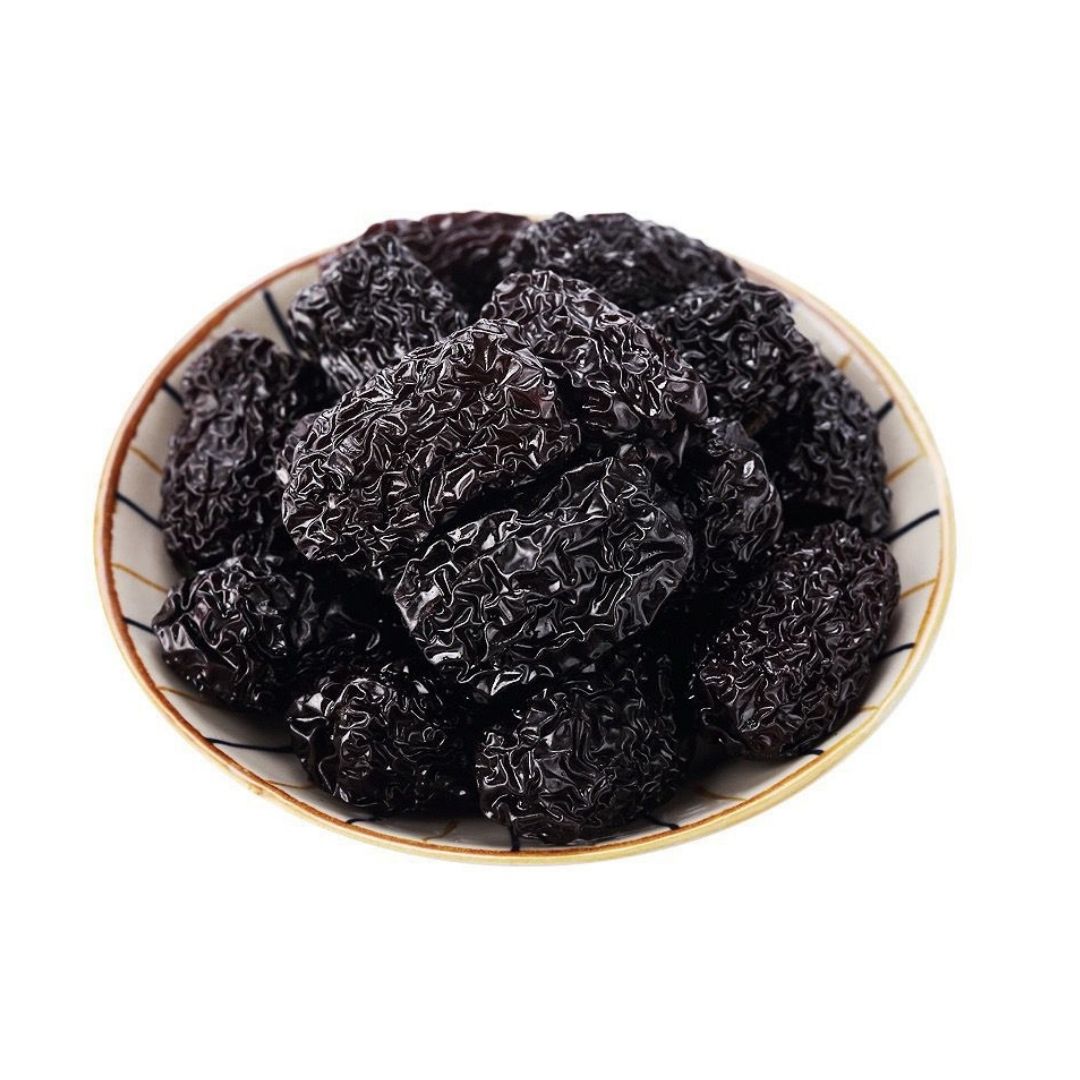
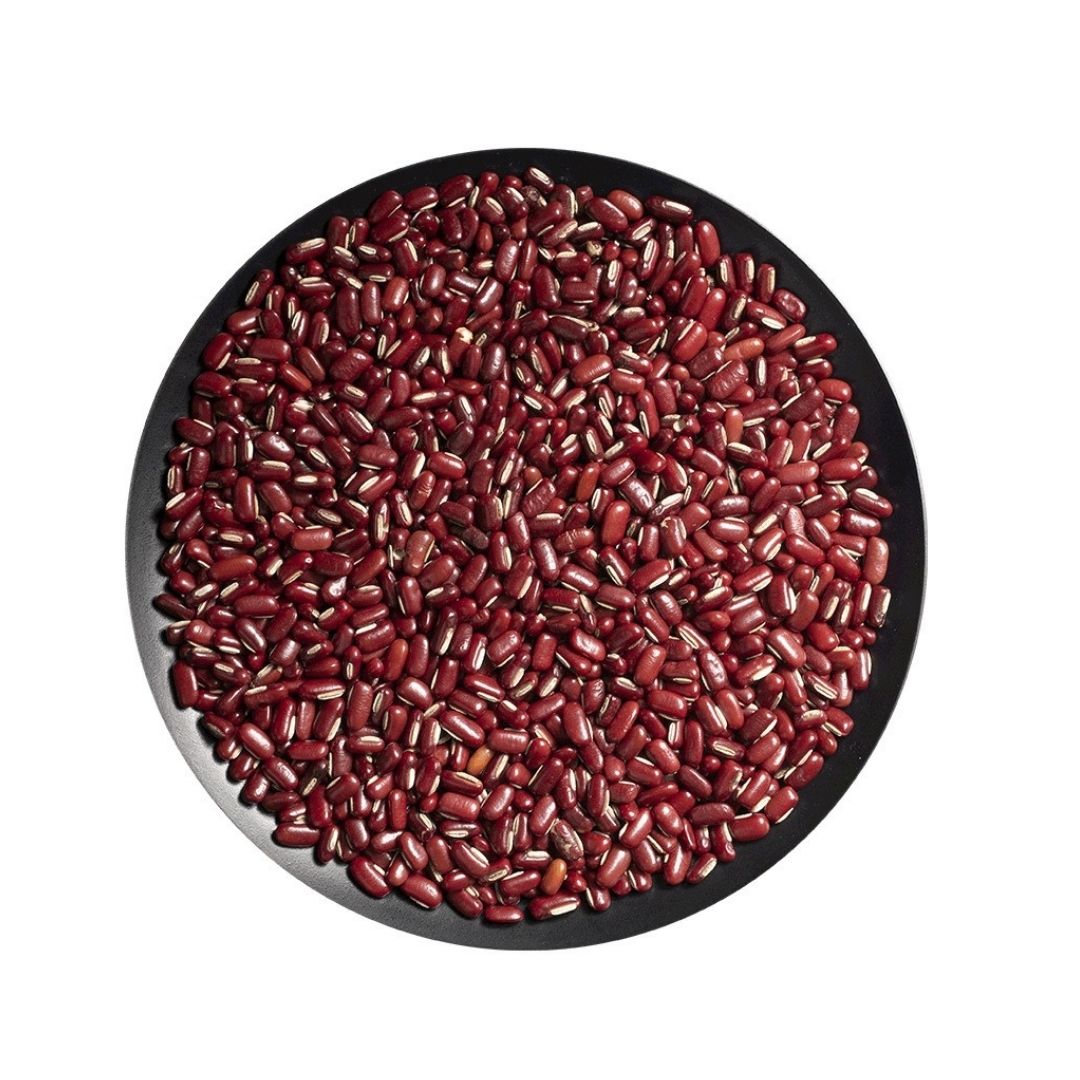
Red bean, or Chi Xiao Dou, is commonly used in traditional Chinese medicine (TCM) for its therapeutic properties. Traditionally, it is regarded as beneficial for dispelling dampness and promoting blood circulation. Its applications include addressing edema and certain kidney-related issues. Red bean is not only valued in herbal medicine, but is also a food ingredient in various culinary traditions across Asia.
Main Active Ingredients
Red bean contains a variety of active components that contribute to its medicinal effects. These include proteins, carbohydrates, fiber, and several vitamins and minerals. The high fiber content aids in digestion and helps regulate bowel movements. Specific compounds within red bean are believed to be responsible for its diuretic and anti-inflammatory actions. Further research is continuously exploring the precise mechanisms and active constituents responsible for its medicinal properties.
Product Application Scenarios, Usage, and Dosage
In TCM, red bean is frequently used in formulas designed to address edema, beriberi, and damp-heat conditions. It can be prepared as a decoction and consumed orally. The typical dosage ranges from 9 to 30 grams, depending on the specific condition and the individual's constitution. It is often combined with other herbs to enhance its effects. Consultations with qualified TCM practitioners are essential to determine appropriate usage and dosage.
Introduction to the Source Plant, Distribution, and Growth Environment
The source plant, Vigna angularis, is an annual vine widely cultivated in East Asia, including China, Japan, and Korea. It thrives in well-drained soils and requires a warm climate with adequate sunlight. The plant produces pods containing small, reddish-brown seeds, which are harvested for both culinary and medicinal purposes. The plant is adaptable to various soil types but prefers slightly acidic conditions.
Harvesting, Processing, and Storage
Red beans are typically harvested in the fall when the pods are fully mature and dry. After harvesting, the seeds are separated from the pods, cleaned, and dried. The beans should be thoroughly dried to prevent mold growth during storage. They are best stored in airtight containers in a cool, dry, and dark place to maintain their quality and efficacy. Regular checks for moisture or pest infestation are recommended to ensure the beans remain in good condition.
Citations
- Yeung, Him-che. Handbook of Chinese Herbs and Formulas. Institute of Chinese Medicine, 1985.
- Bensky, Dan, Steven Clavey, and Erich Stöger. Chinese Herbal Medicine: Materia Medica. 3rd ed. Seattle, WA: Eastland Press, 2004.
- Chen, John K., and Tina T. Chen. Chinese Medical Herbology and Pharmacology. City of Industry, CA: Art of Medicine Press, 2004.
Mia Wu

Hi, I’m Mia Wu! I love helping customers discover the best natural ingredients for their products. With a passion for herbs, spices, and fungi, I work to make sure you get only the finest raw materials. Let's grow together! 🌱✨